| Read in browser | ||||||||||||||
 Welcome to CityLab Weekly. Sign up here to get the newsletter every Friday in your inbox, and please send us your feedback as we continue to refine our new format. Last week we included an incorrect link to our recent story on factory-built homes. Read it here if you missed it. The mayor who said no to cars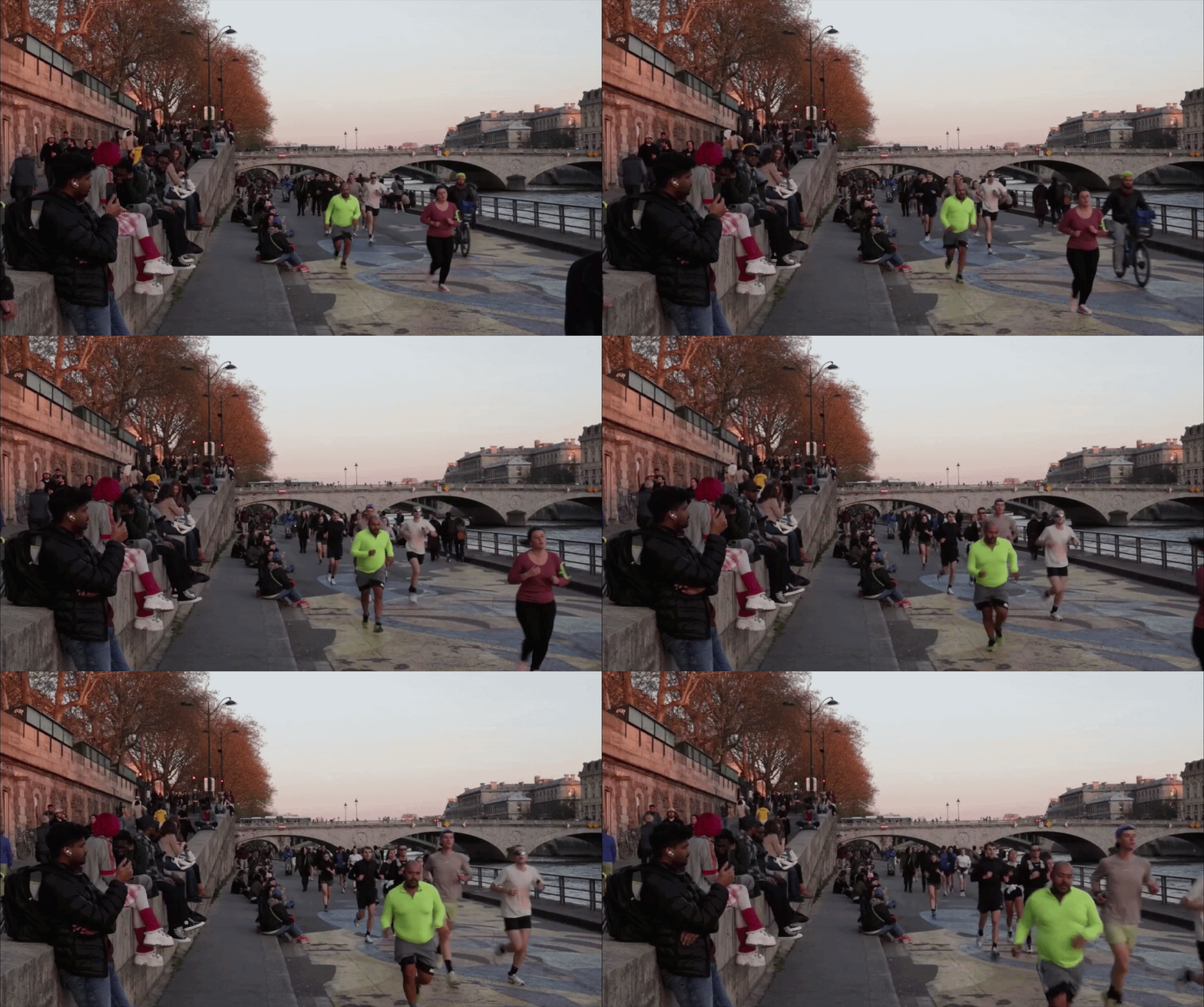 Credit: Cyril Marcilhacy/Bloomberg With Paris' mayoral election on Sunday, outgoing Mayor Anne Hidalgo is leaving behind a very different city than the one she stepped into as leader in 2014. Paris has since become greener, quieter and cleaner after a spate of policies aimed at making the city more walkable and bikeable — and less welcoming to polluting vehicles. To show how Greater Paris has transformed over the last decade, reporters Marie Patino, Feargus O'Sullivan and Tom Février take us on a scenic journey from the city center to one of the region's newest suburban developments. Along the way, we pass through places like the historic La Bastille square and the riverside banks of the Seine, both of which were once choked with gas-guzzling traffic but have now opened up to crowds of pedestrians and cyclists to linger or ride around new greenery and a much cleaner waterway. 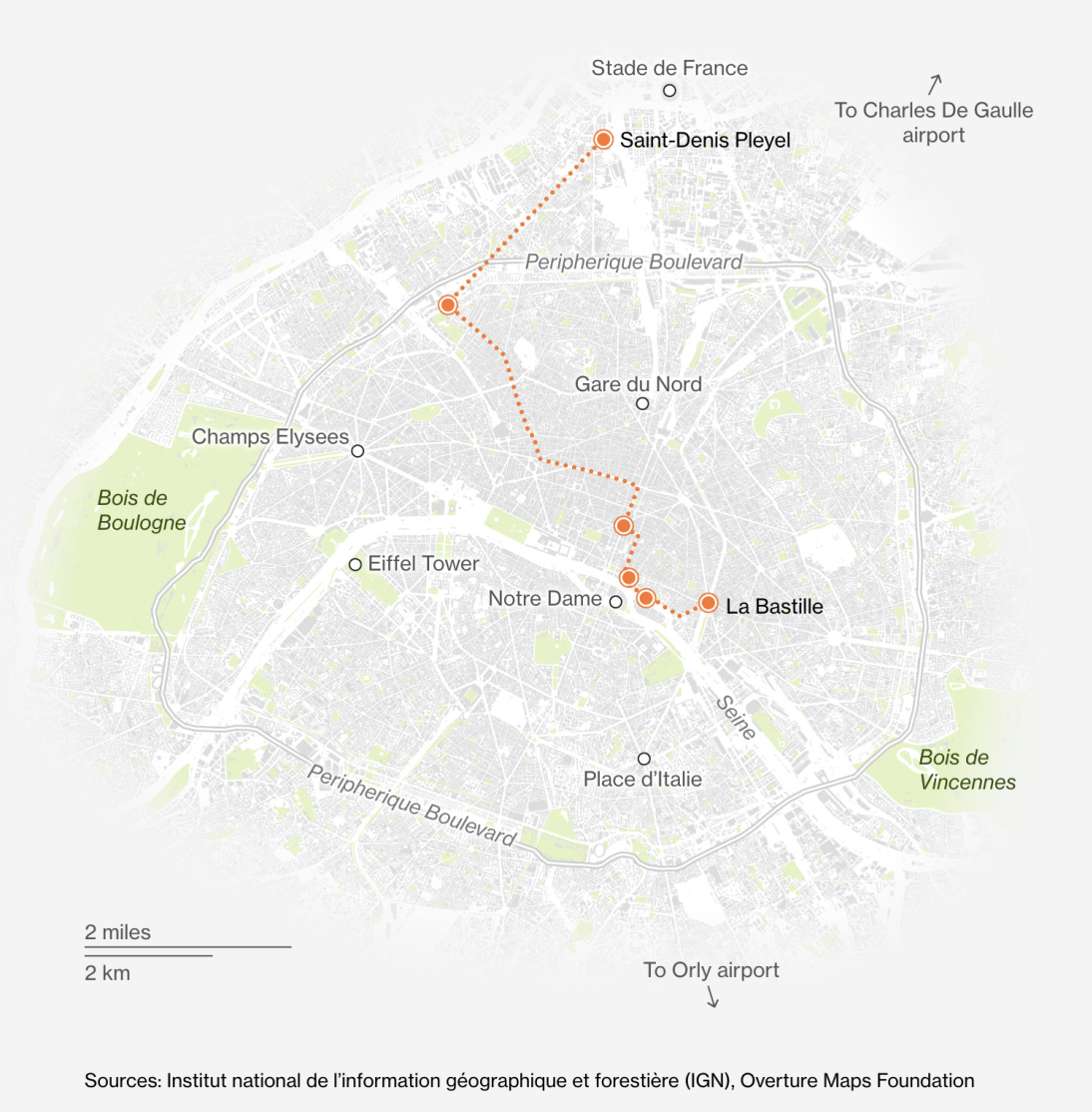 The journey also takes us to Porte de Clichy, where construction will pave the way for a major public transit expansion with 68 new transit stations. When complete, some 120 miles of new tracks will be laid out connecting outer suburbs to both the city center and to one another — part of the Paris region's grand plan to reduce private car use. Such dramatic shifts have earned Hidalgo international acclaim as a promoter of green urban change. At home, these changes have been more controversial, with pushback particularly from suburbanites. Where her legacy goes from here may depend on who steps into her shoes. See the graphics More on CityLabMud Island shakes off the dust 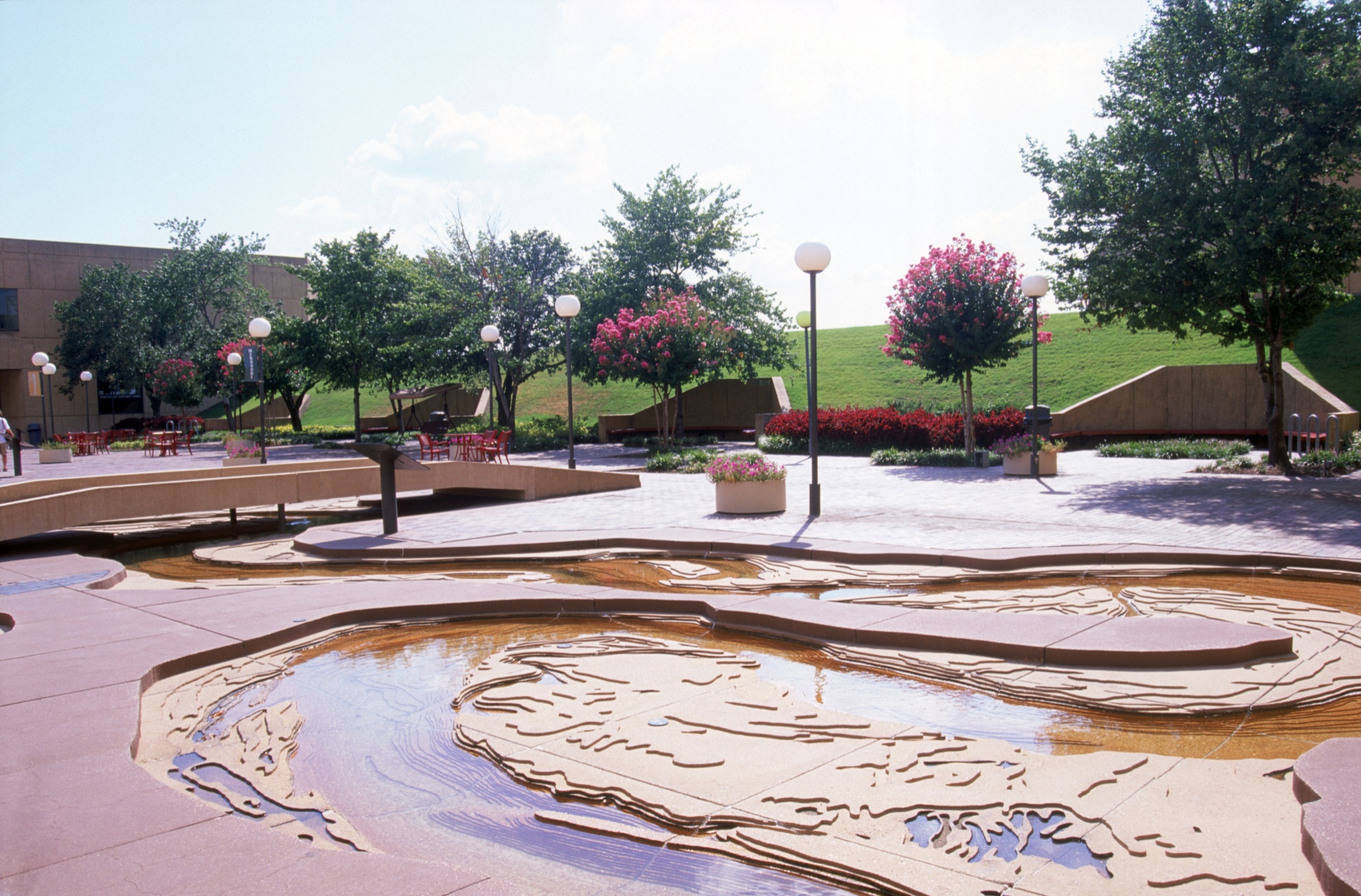 Photographer: Barry Winiker/The Image Bank RF A change of heart for London's "ugliest" building Seoul gears up for an ARMY swarm The future is clogged A boost for transit from NY's toll1.28 billion The number of rides taken on the New York City subway in 2025. That's a 7.7% jump in ridership from the previous year, suggesting NYC's congestion pricing toll prompted some drivers to use transit instead. Building for humans or robots?Artificial intelligence companies have been hiring, and they need offices for their human employees. That's been good news for post-pandemic New York City, where the industry has not only helped spur a rebound in the office leasing market but also helped lead it to its best year since 2014. AI firms added about 1 million square feet of office space in Manhattan alone in 2025, while legacy tech companies investing in their own AI products added some 2.1 million square feet across the city. 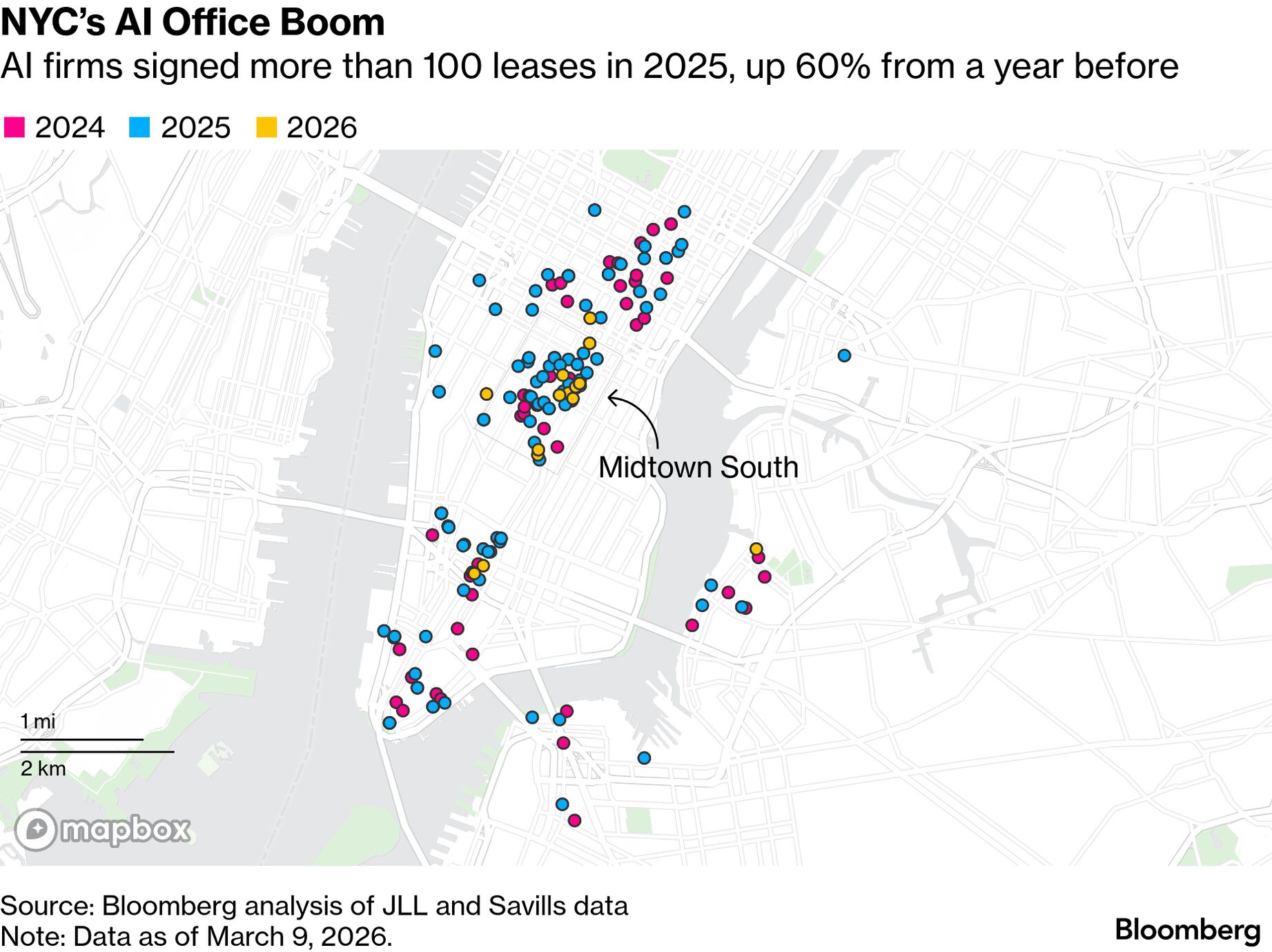 Meanwhile, the insatiable need for AI processing power has triggered a building spree of new workspaces — for computers, that is: Spending on data center development has exploded in the US, surpassing spending for new offices for humans for the first time at the end of last year. That's a boon for the construction industry, with some firms seeing a steady stream of data center projects lined up for years (to the detriment of communities fighting to not live near one). 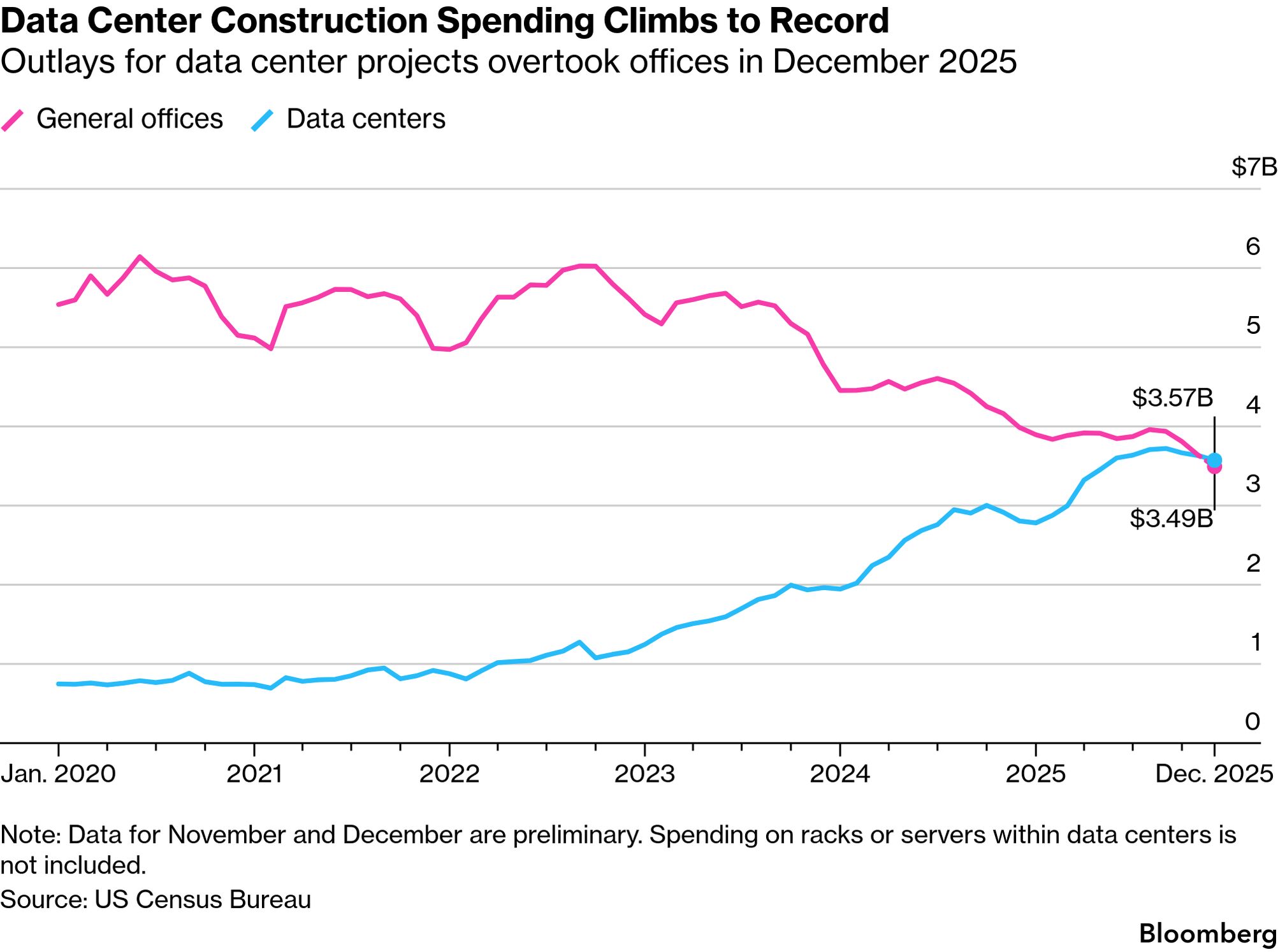 Some see these as good signs for the economy; others are wary. The AI boom feels precarious, write Natalie Wong and Edison Wu, riding on the success of companies making tools that could ultimately supplant a lot of office workers. And the shift to data center dominance in the construction sector "may perpetuate itself even further," one expert tells Wu, if AI is used to "automate day-to-day jobs." What we're taking in
One last readHave something to share? Email us. And if you haven't yet signed up for this newsletter, please do so here. More from Bloomberg
Explore all Bloomberg newsletters. We're improving your newsletter experience and we'd love your feedback. If something looks off, help us fine-tune your experience by reporting it here. Follow us
You received this message because you are subscribed to Bloomberg's CityLab Weekly newsletter. If a friend forwarded you this message, sign up here to get it in your inbox.
|





Musk’s apocalyptic vision for AI
The billionaire warns about AI’s dangers to humanity in his lawsuit against OpenAI. ...