| Read in browser | ||||||||||||||
 Welcome to Balance of Power, bringing you the latest in global politics. If you haven't yet, sign up here. Despite wars, an energy shock and transatlantic strains, European Commission chief Ursula von der Leyen is on her way to the other side of the world. The head of the European Union executive body is due in Sydney today to meet with Australian leaders, hopefully finish free-trade deal negotiations that started in 2018, and strengthen agreements on defense and critical minerals. 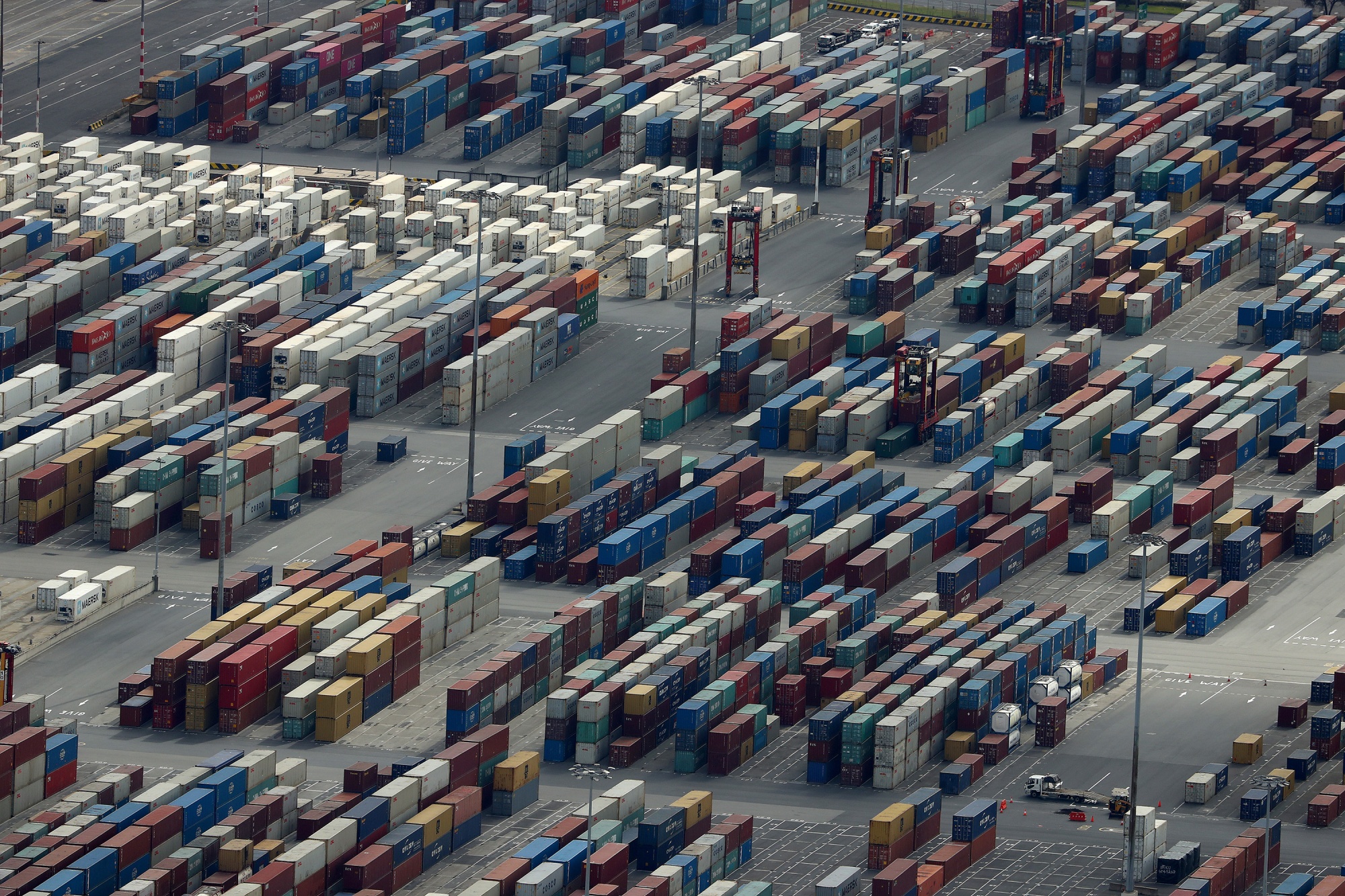 The Port of Melbourne, Australia's biggest, in August 2020 Photographer: Robert Cianflone/Getty Images She may also get some lessons on handling China. The focus on Australia at a time of multiple crises shows how the 27-nation EU is attempting to bolster its trade, military and economic defenses when all of those are under threat. Europe is beset on all sides: the US has upended the rules-based trading system that lies at the EU's heart; the war in Ukraine is a threat to the bloc's security and has exposed its reliance on an increasingly untrustworthy Washington; Chinese goods are taking market share from European firms at home and abroad. Add to that the Iran war's spike in energy prices and the risk of another round of refugees heading to Europe, potentially further upending politics. While Australia cannot provide much immediate succor on any of those fronts, it is becoming a more supportive ally. The country has sent tanks and other armored vehicles to Ukraine, and is a critical supplier of rare earths and other minerals that European industry needs. An EU-Australia trade deal after almost a decade of talks would be another important signal. And a defense pact might help Prime Minister Anthony Albanese to convince Europe to be more involved in security matters in the Asia-Pacific. The UK, France and Germany have all sent warships to the region in recent years. But with an unpredictable US and aggressive China, Australia, Japan and others have been looking further afield for additional support. Whatever the geographical distance, tighter ties between a like-minded EU and Australia can only help. — James Mayger 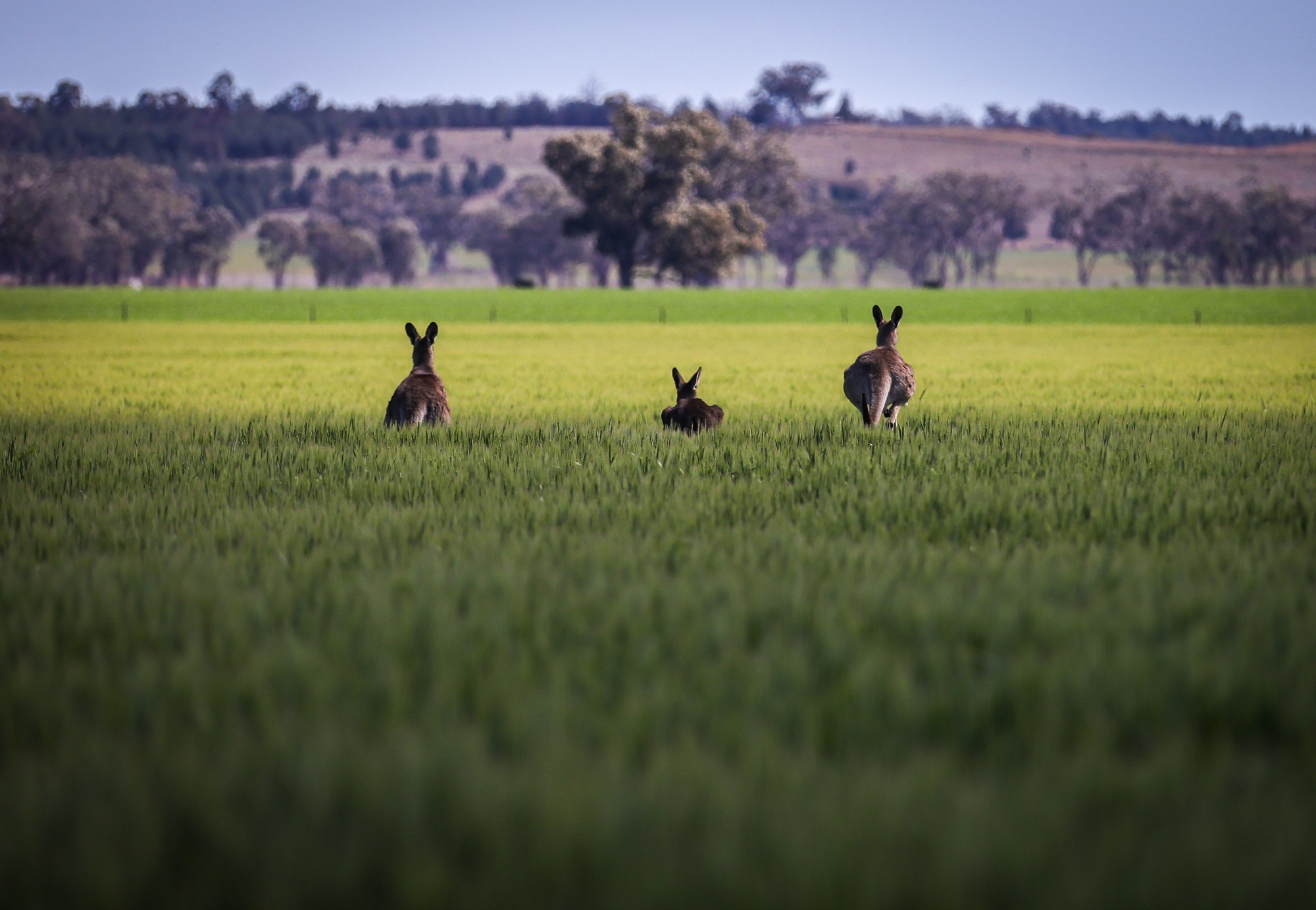 Kangaroos in a wheat field near Gunnedah, New South Wales, Australia. Photographer: David Gray/Bloomberg Global Must ReadsUS President Donald Trump on Saturday evening US time gave Iran a two-day deadline to reopen the Strait of Hormuz — through which a fifth of global oil and liquefied natural gas supplies usually flow — or have its power plants bombed, upping the ante in a war now in its fourth week with no sign of de-escalation. Tehran countered that it would close the strait completely if the facilities are attacked. More than 40 energy assets across nine Middle Eastern nations have been damaged by the war, the International Energy Agency said, potentially prolonging disruptions to global supply chains after the conflict ends. 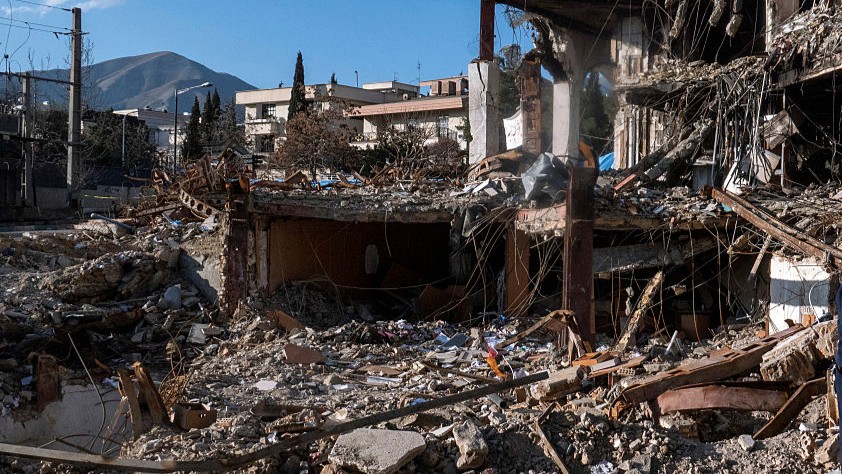 WATCH: Bloomberg's Dan Williams reports as Israel launched airstrikes on Tehran infrastructure and said it's preparing more ground operations in Lebanon to fight Iran-sponsored Hezbollah. Premier Li Qiang pledged to address worries that trade partners have about China's large surplus, underscoring Beijing's concern the issue could disrupt relations with more nations during a truce with the US in the tariff dispute. China racked up a record trade surplus of $1.2 trillion last year and exports continued to soar in the first two months of this year, aggravating worries in many countries about the future of their own industries. Security and Denmark's place in an increasingly unstable world have risen to the top of voter concerns over staples like jobs, health or the economy ahead of tomorrow's parliamentary election. With Trump making claims on Greenland, Prime Minister Mette Frederiksen has termed the vote a "decisive election" as Danes define their relationship with the US and the future of the kingdom. Marine Le Pen's National Rally fell short in its bid to take control of a host of major French cities in yesterday's municipal elections, signaling potential difficulties for the far-right party ahead of next year's presidential ballot. She sought to use the ballots across France to consolidate support ahead of next year's election, and while the far right broadly improved its vote count, the National Rally failed to translate that into key victories. Socialist Emmanuel Gregoire won the race for Paris mayor, extending the left's quarter-century hold on the capital. More than 200,000 people rallied in the Czech capital of Prague in a demonstration against the cabinet led by billionaire Prime Minister Andrej Babis. It's the second major rally opposing the current government, with the protests triggered by public concerns over Babis' alliance with two fringe parties that have forced him to perform a balancing act between a pro-Western foreign policy and his partners' nationalist agenda at home. 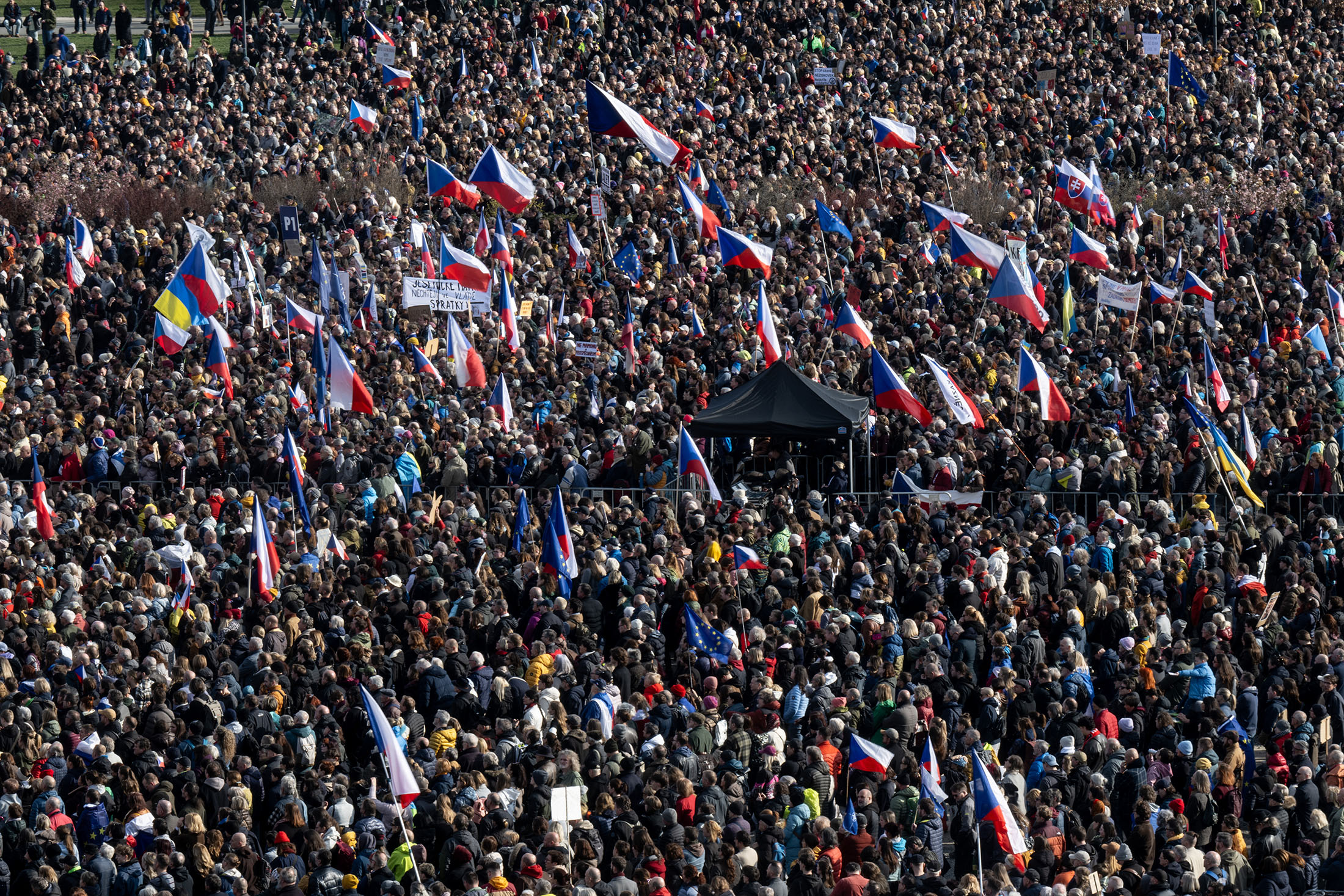 Demonstrators protest against Babis and his government in Prague on Saturday. Photographer: Michal Cizek/AFP/Getty Images Slovenian Prime Minister Robert Golob won a slim victory over nationalist leader — and Trump admirer — Janez Janša in the country's closest election in history, setting the stage for lengthy coalition negotiations. Chancellor Friedrich Merz's effort to reboot Germany's economy ran into a fresh challenge after his Social Democratic coalition partners suffered a stinging regional election defeat in the party stronghold of Rhineland-Palatinate. Colombia's conservative ticket of Paloma Valencia and Juan Daniel Oviedo surged to second in polls ahead of May's presidential election, narrowing the gap with leftist frontrunner Iván Cepeda, and signaling a realignment on the right. Former French Socialist Prime Minister Lionel Jospin, who introduced the nation's 35-hour work week, has died at the age of 88, Agence France-Presse reported. 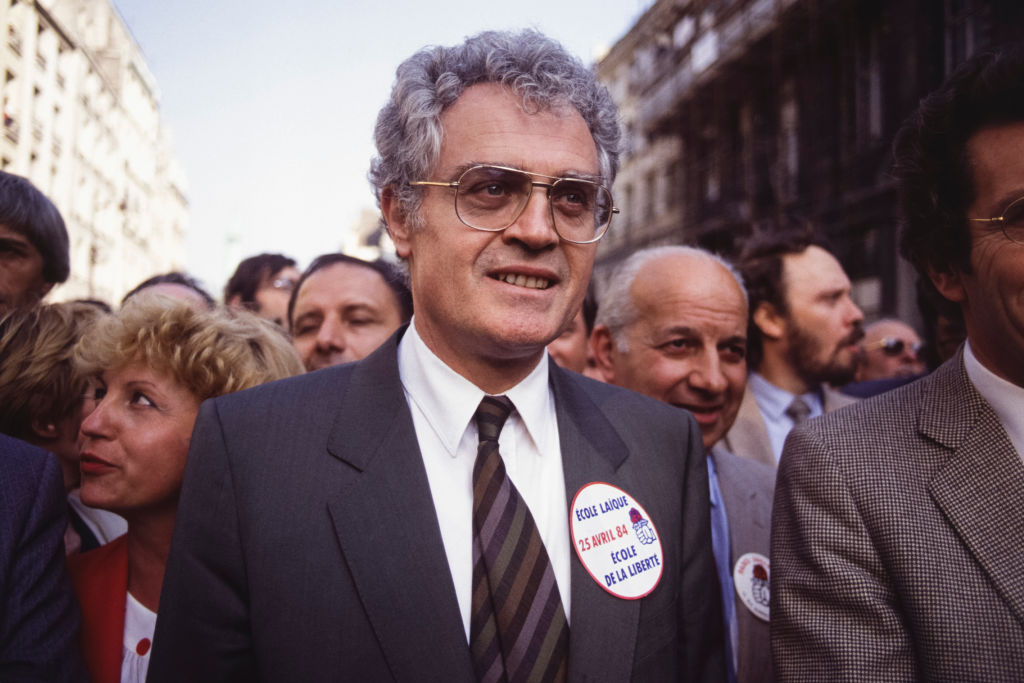 Lionel Jospin at a demonstration in Paris in April 1984. Source: Pool Aventurer/Francolon/Gamma-Rapho/Getty Images Sign up for the Washington Edition newsletter for news from the US capital and watch Balance of Power at 1 and 5 p.m. ET weekdays on Bloomberg Television. Chart of the Day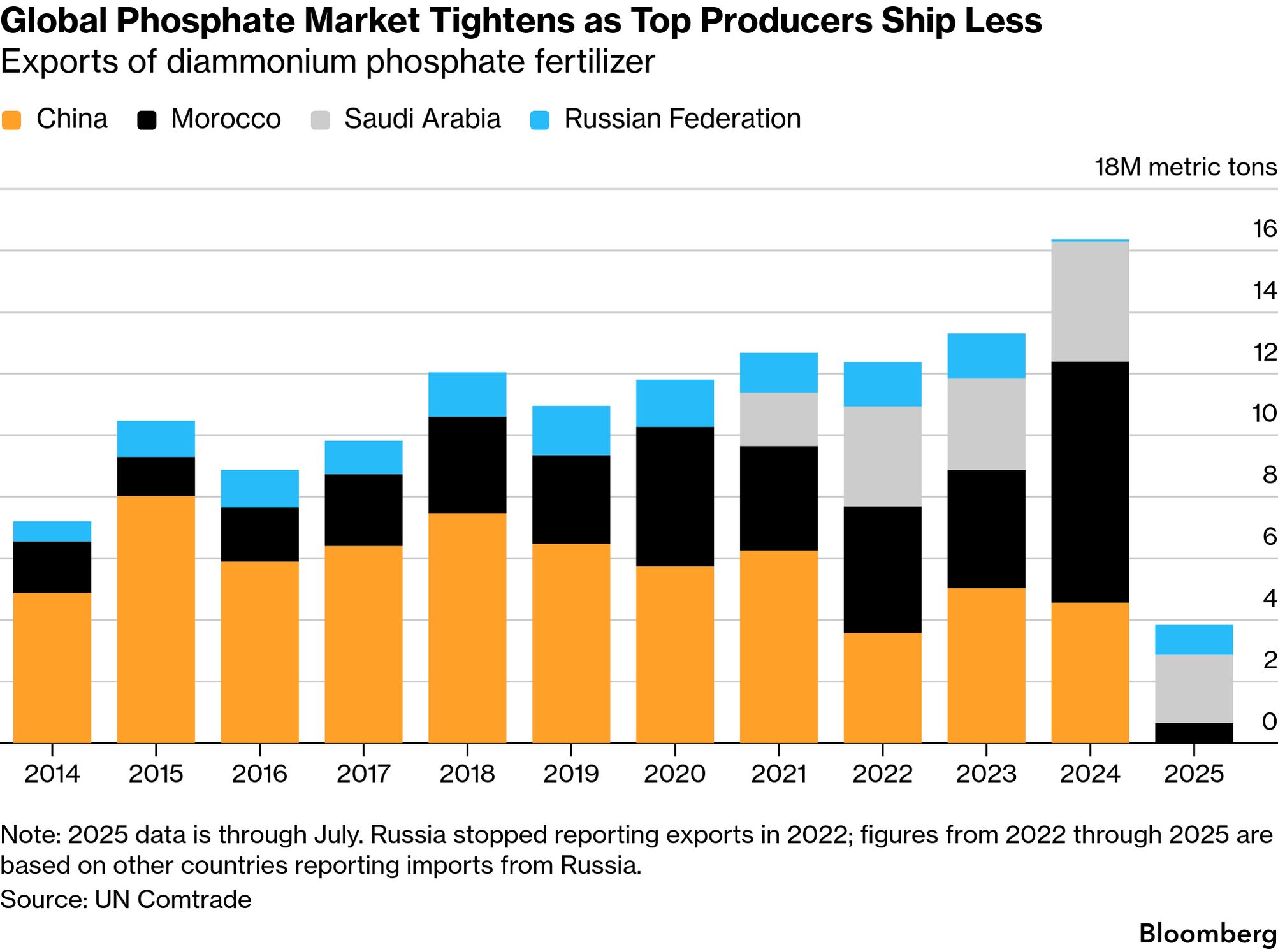 The war in the Middle East has created major disruptions to global supplies of nitrogen-based crop nutrients and now, a potentially bigger threat is emerging in another important part of the fertilizer market. The focus since the conflict began has been on urea, a key nitrogen fertilizer used on corn, with prices surging as the war blocks shipments through the Strait of Hormuz, sending farmers scrambling to procure supplies. What's been largely overlooked in the chaos is the risk to phosphate fertilizers — key for crops like soybeans, a cornerstone of food production. And FinallyIran-backed Hezbollah has operated like a state within a state in Lebanon for at least 25 years, with its own armed forces, schools, hospitals and financial networks. It degraded in the year-long war that began after it fired rockets at Israel just after Hamas-led fighters attacked Israel's south in October 2023. It has reached a crossroads, with its main benefactor under intense pressure and Israel determined to remake Lebanon by imposing an as-yet unspecified buffer zone. 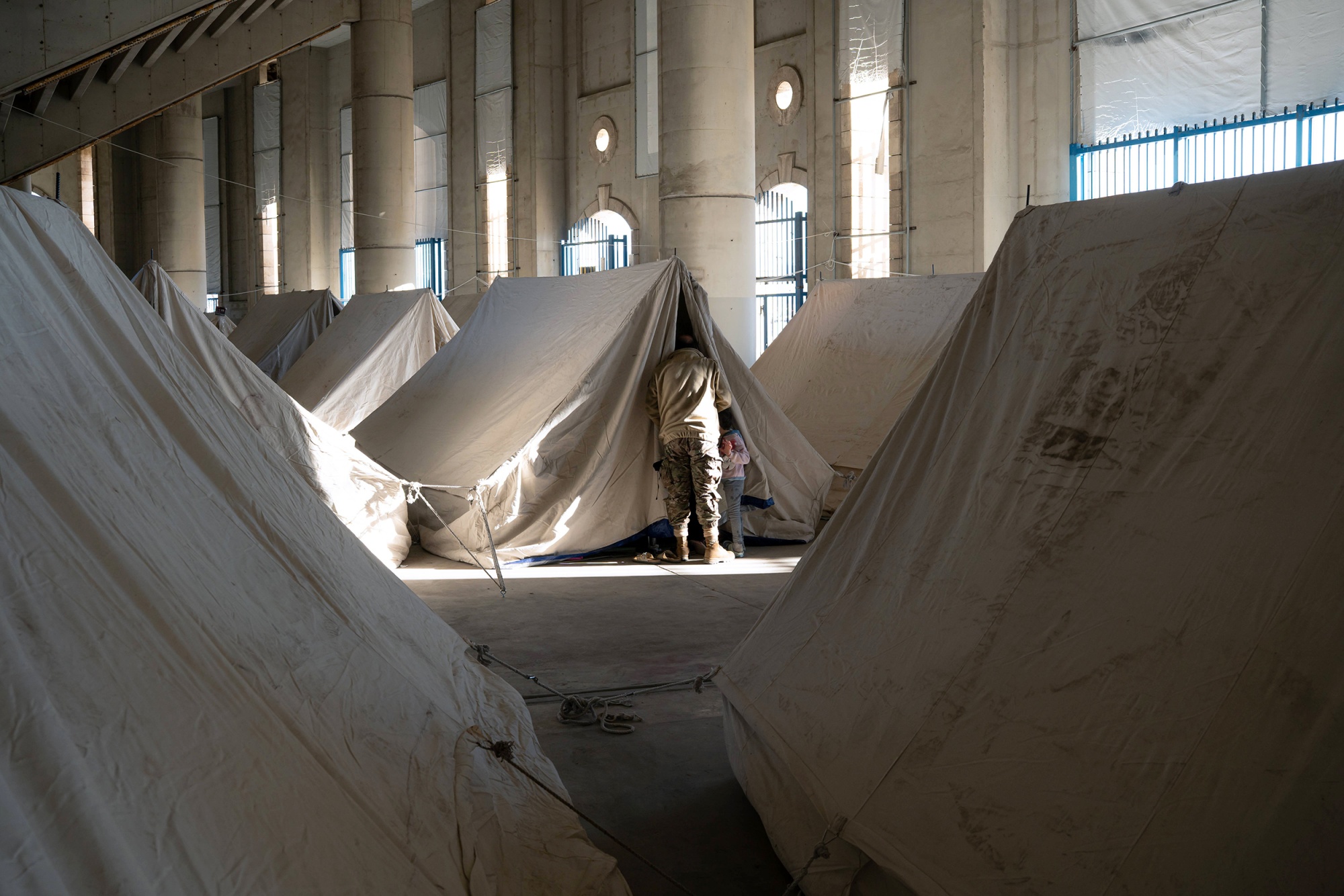 Beirut's Camille Chamoun Sports City, converted into a reception center for refugees. Photographer: Charles Cuau/SIPA/Shutterstock/Shutterstock Editorial Thanks to everyone who answered Friday's quiz question, and congratulations to Mike Shapiro, who was first to identify Thailand as the nation that will start building fences along its border with Cambodia to boost security. More from Bloomberg
We're improving your newsletter experience and we'd love your feedback. If something looks off, help us by reporting it here. Follow us
You received this message because you are subscribed to Bloomberg's Balance of Power newsletter. If a friend forwarded you this message, sign up here to get it in your inbox.
|




Tech optimism overrides Iran angst
Bloomberg Morning Briefing Americas ...