| Read in browser | ||||||||||||||
 Welcome to Balance of Power, bringing you the latest in global politics. If you haven't yet, sign up here. Faced with the joint US-Israeli assult, Iran's strategy has been to retaliate against Washington's allies in the Persian Gulf. It's attacked energy infrastructure, wreaking havoc with oil markets, and halted shipments through the Strait of Hormuz, sending shocks through the global economy. This week's Israeli attack on Iran's South Pars gas field — an escalation that prompted the Islamic Republic to inflict severe damage to an LNG hub in Qatar in response — might just have jolted all sides in the conflict into dialing back the scope and destructive potential of the war. 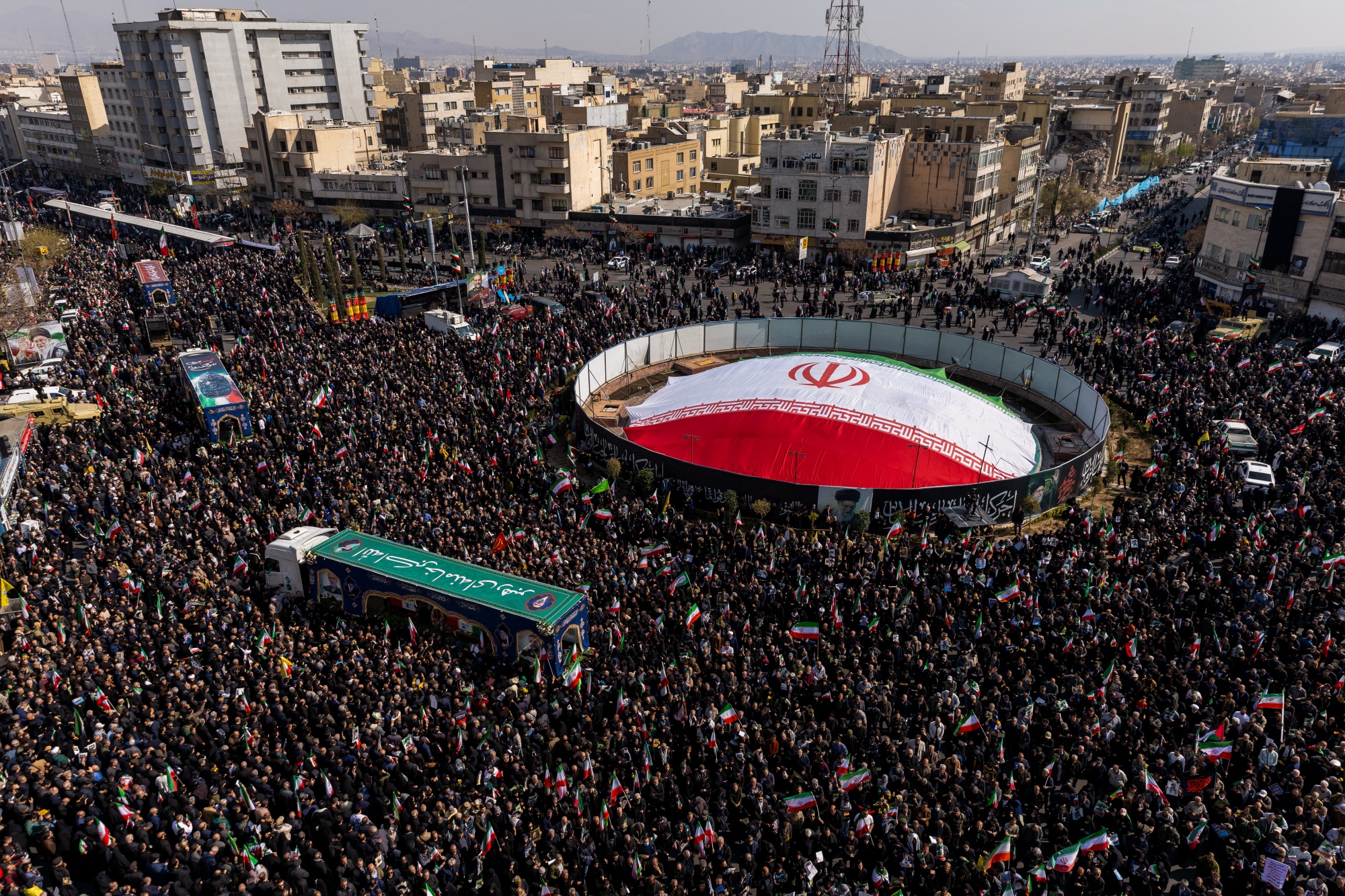 Crowds at a joint funeral for Ali Larijani, secretary of Iran's Supreme National Security Council, and others in Tehran on Wednesday. Photographer: Majid Saeedi/Getty Images Europe Treasury Secretary Scott Bessent said yesterday that the US was mulling removing sanctions from some Iranian oil to ease prices. If it happens, it would be an extraordinary intervention, effectively reversing a policy that's been at the center of President Donald Trump's strategy since he first entered office and ripped up the nuclear deal with Tehran. Iran's oil exports have been sanctioned for more than a decade, but the strongest measures came in 2019 during Trump's first term. Bessent said the policy would apply to Iranian crude that's already on the water. Tehran has yet to respond and it's not clear whether it will have any impact on the actual war, or on its tactics. Still, in a post on X, Foreign Minister Abbas Araghchi said Iran's response to the South Pars strike used a "FRACTION of our power," and "the ONLY reason for restraint was respect for requested de-escalation." Late yesterday, Prime Minister Benjamin Netanyahu said that Israel had "acted alone" in striking the giant gas field, and will no longer target energy infrastructure. Whether all this represents a tactic of "escalate to de-escalate" may now depend on what Israel and the US choose to strike next — and how much further Iran is willing to punish Trump's Gulf-Arab partners. — Golnar Motevalli 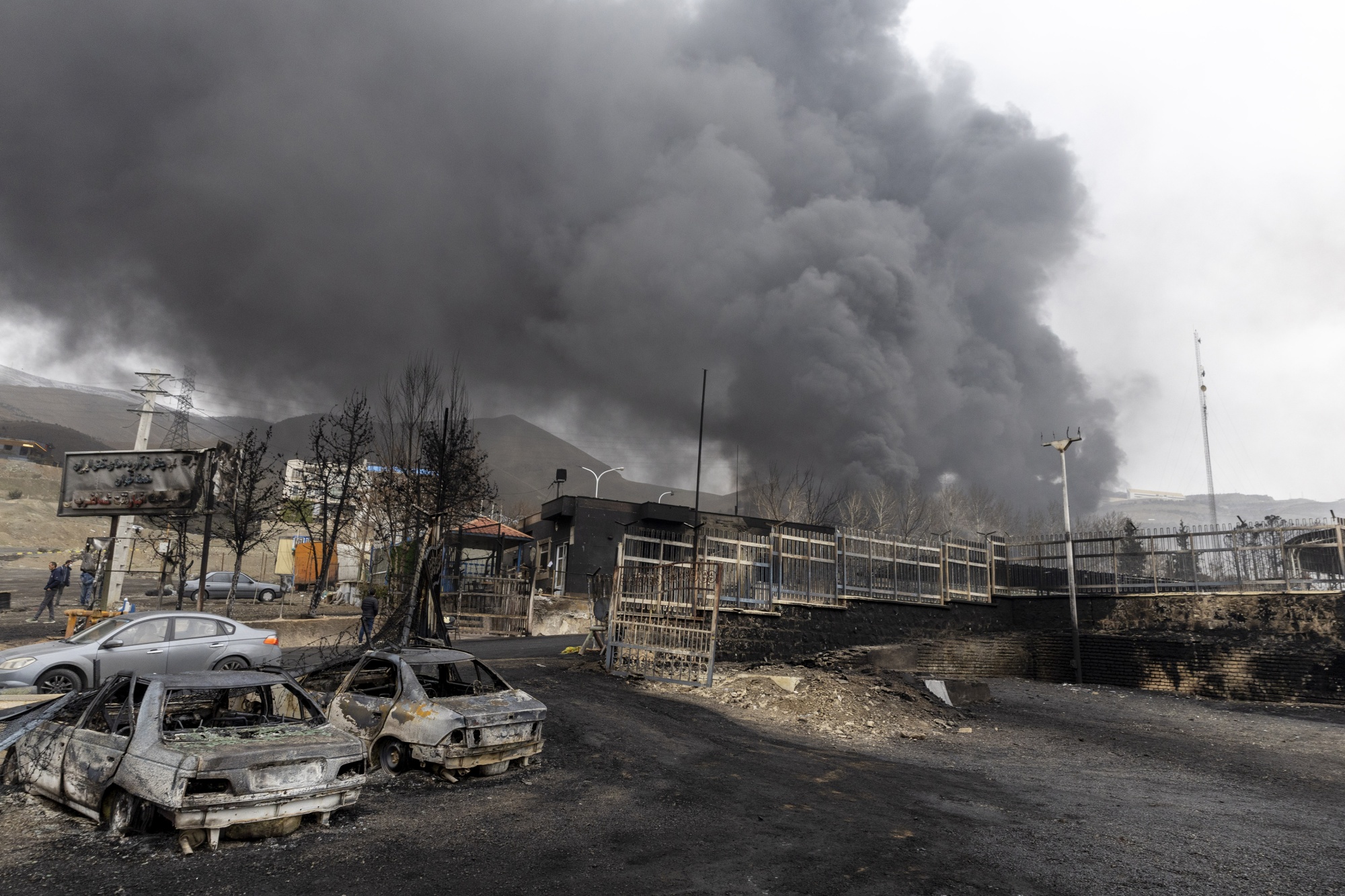 Smoke following overnight airstrikes on oil depots in Tehran on March 8. Photographer: Majid Saeedi/Getty Images Europe Global Must ReadsJapanese Prime Minister Sanae Takaichi successfully navigated her first summit with Trump in Washington, showcasing the Asian nation's deep ties with the US and smiling politely during the only obvious moment of tension, when the president referenced the 1941 Japanese attack on Pearl Harbor. The two leaders announced a nuclear-power project in the southern US, the latest initiative stemming from an investment fund the countries established as part of a trade pact. 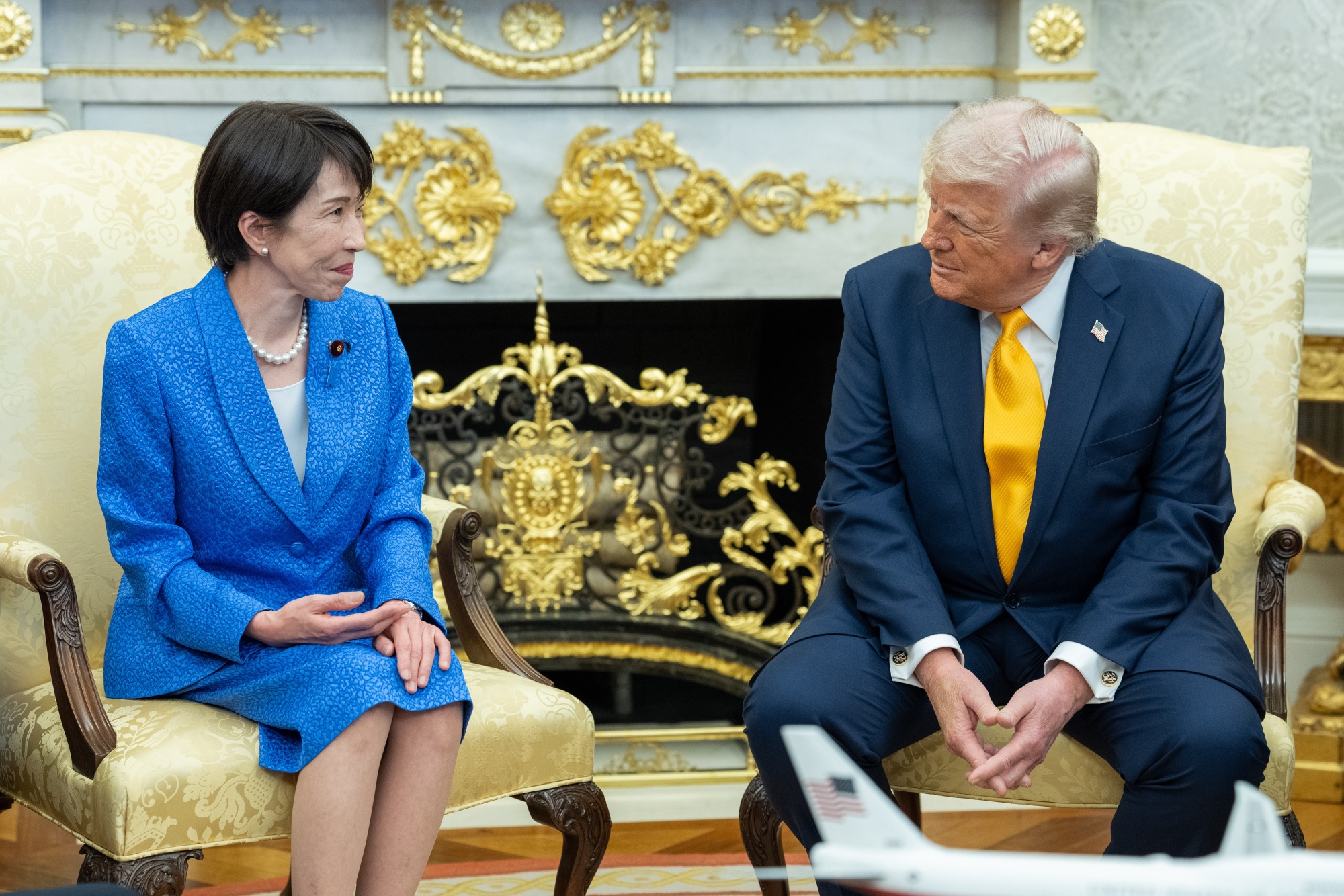 Trump and Takaichi at the White House yesterday. Photographer: Aaron Schwartz/CNP/Bloomberg/Consolidated News Photos Faced with a year of antagonism from the Trump administration, European officials are finding that time and energy that might have been devoted to working out how to reduce their dependence on China is instead being spent dealing with crises triggered by the US. Given that they don't have the stomach for two trade wars at once, governments across Europe are starting to think that China may be a more reliable partner. Hungarian Prime Minister Viktor Orban defied pressure from European allies to unlock aid for Ukraine, saying he won't budge until oil flows from Russia through the Druzhba pipeline, which was damaged in a Russian drone strike in late January, are restored. His tone suggests the European Union summit is unlikely to break the stalemate over a €90 billion ($103 billion) aid package for Kyiv. 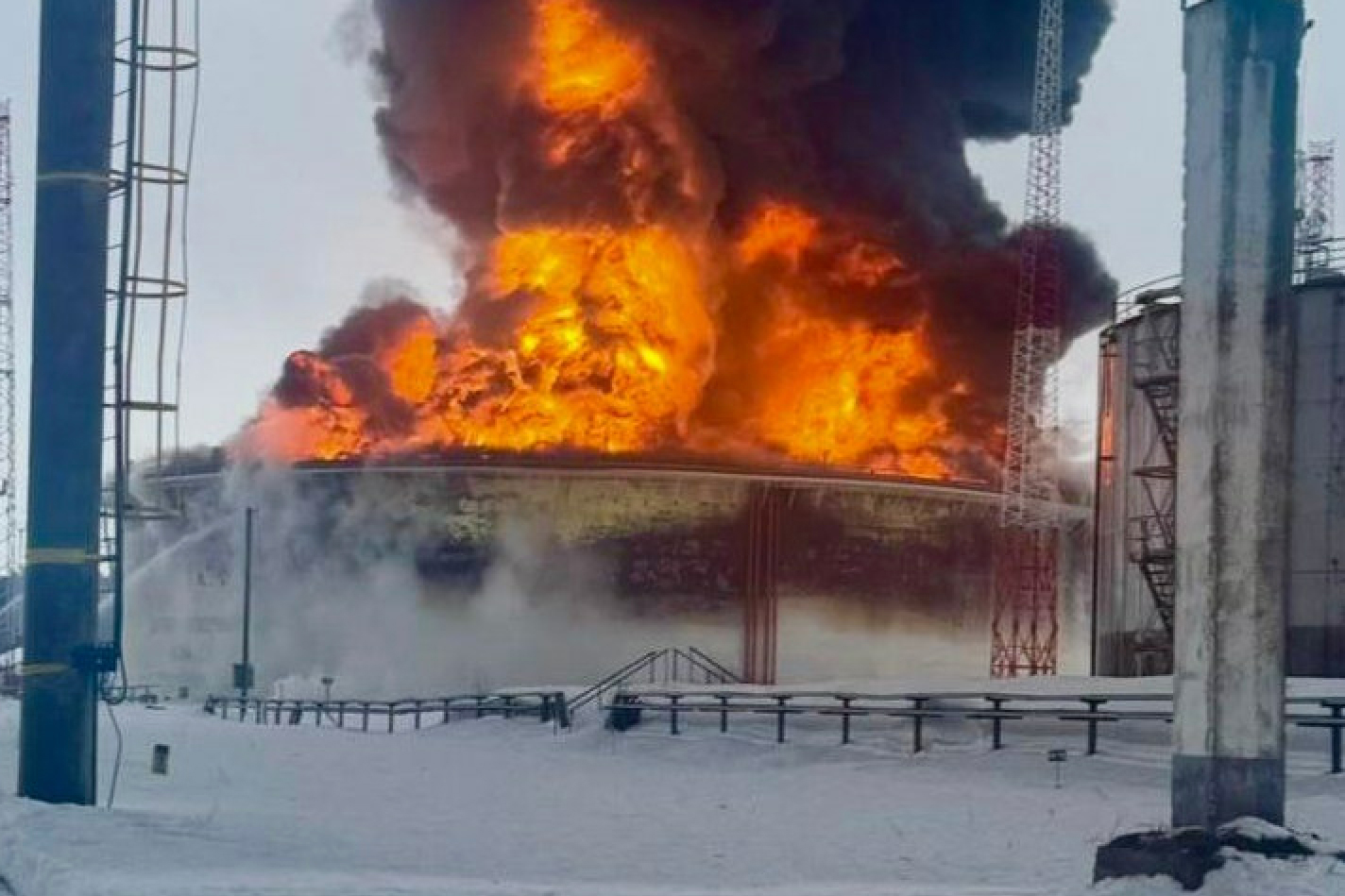 An oil reservoir on fire at a Druzhba pipeline facility southwest of Brody, Ukraine. Source: Naftogaz, State Emergency Service of Ukraine A growing scandal over the collapse of once high-flying lender Banco Master has rocked Brazil's political landscape, raising the specter of corruption in an election year. The dividing lines were clear at a campaign event yesterday, when President Luiz Inácio Lula da Silva pushed back against opposition claims that his administration bears responsibility and instead sought to pin the blame on his right-wing predecessor, Jair Bolsonaro. The UK's city minister, Lucy Rigby, will visit European capitals next week in a push to deepen ties with the EU on financial services, as Chancellor of the Exchequer Rachel Reeves seeks to spur economic growth domestically. Six years after Britain left the EU, Keir Starmer's Labour administration is trying to forge closer links with the bloc, and Reeves has identified financial services as a key area that can help revive the UK's stuttering economy. Removing Miguel Díaz-Canel as president of Cuba to appease the US is out of the question, the country's ambassador to the United Nations said, adding that talks between the two countries should be based on "mutual respect." North Korea unveiled new battle tanks that it claimed were capable of blocking missiles and drone attacks, as leader Kim Jong Un urged the military to step up war preparations, state media reported. 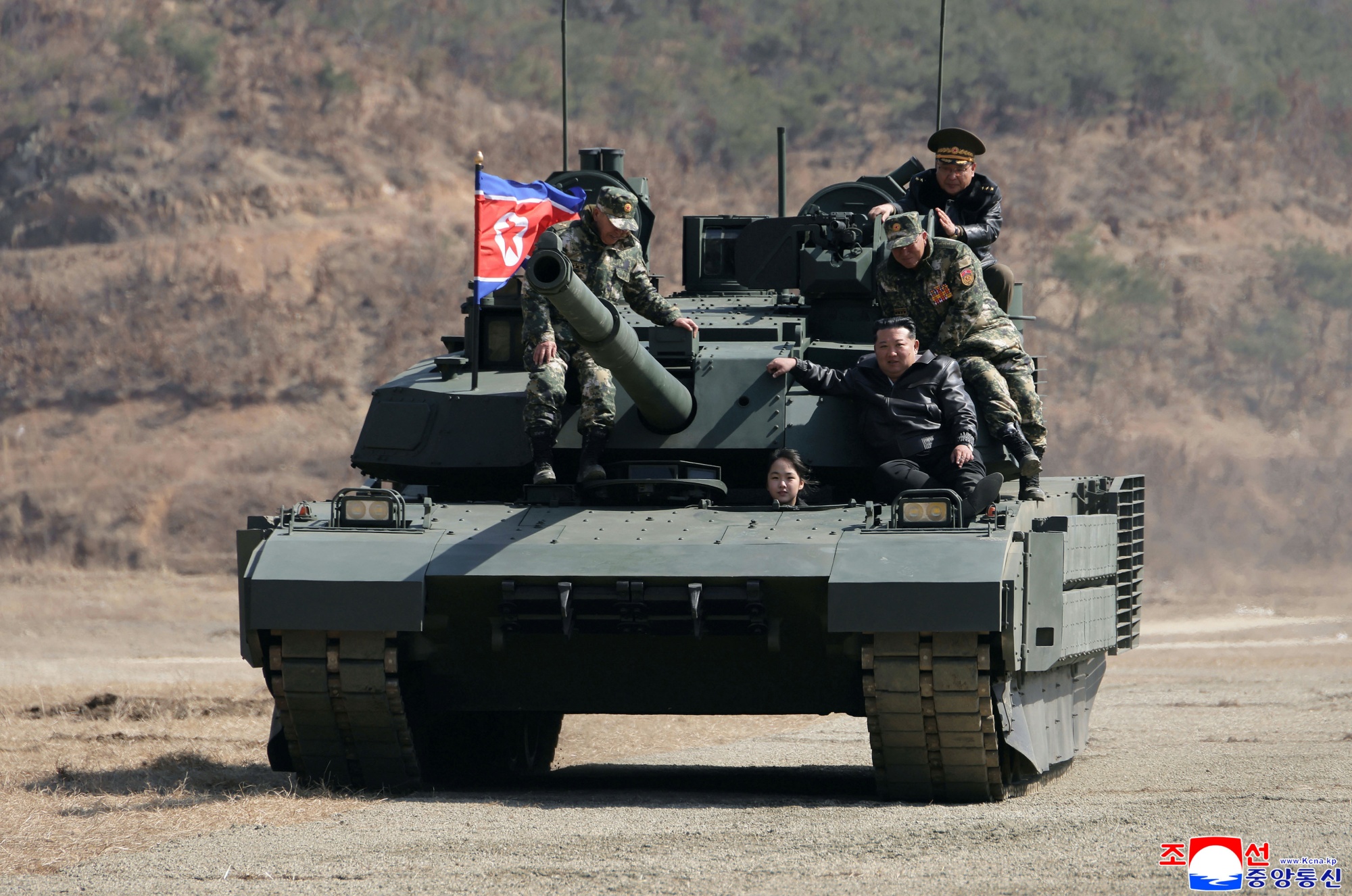 Kim Jong Un, front right, with his daughter Kim Ju Ae and other soldiers on a tank at a military training base, in a photo provided by the North Korean government. Source: Korean Central News Agency/Korea News Service/AP Top Justice Department officials are rallying behind a US attorney's legal fight with Federal Reserve Chair Jerome Powell and the White House isn't opposing it, amping up the clash with major implications for who will lead the central bank. Nvidia's $20 billion licensing deal with artificial-intelligence startup Groq is being probed by a pair of Democratic senators over whether it violates antitrust laws by improperly avoiding a merger review and illegally consolidating its power in the market for AI computing. 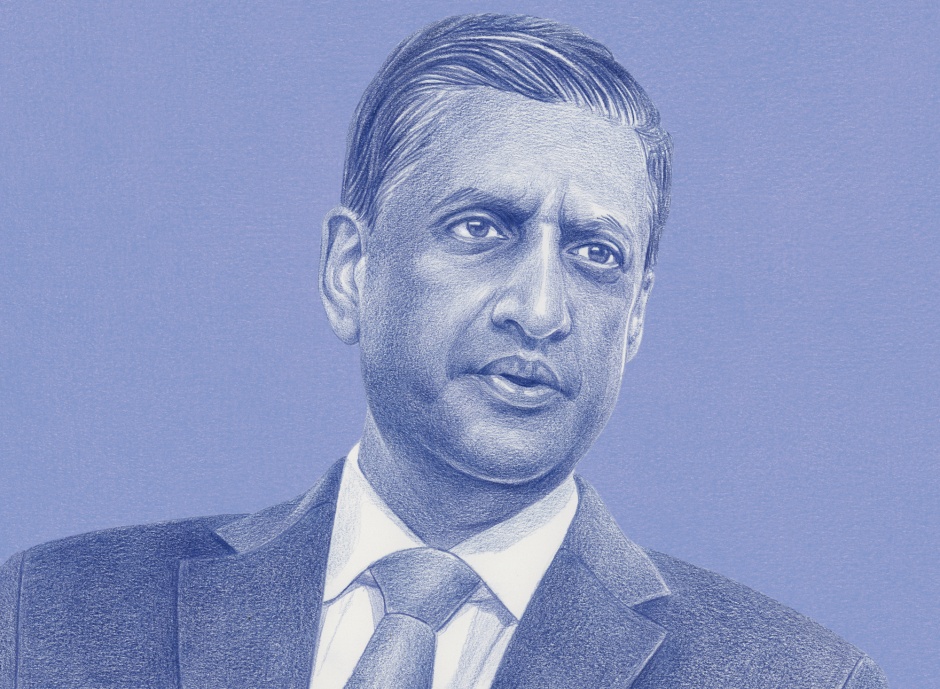 Don't miss from Bloomberg Weekend: Mishal Husain speaks to Ro Khanna, the anti-war Democrat courting MAGA voters. Morgan Meaker looks at how an internet shutdown in Iran has created an information void, while Becca Wasser examines the US desire for war without entanglement. Subscribe to the newsletter here. Sign up for the Washington Edition newsletter for news from the US capital and watch Balance of Power at 1 and 5 p.m. ET weekdays on Bloomberg Television. Chart of the Day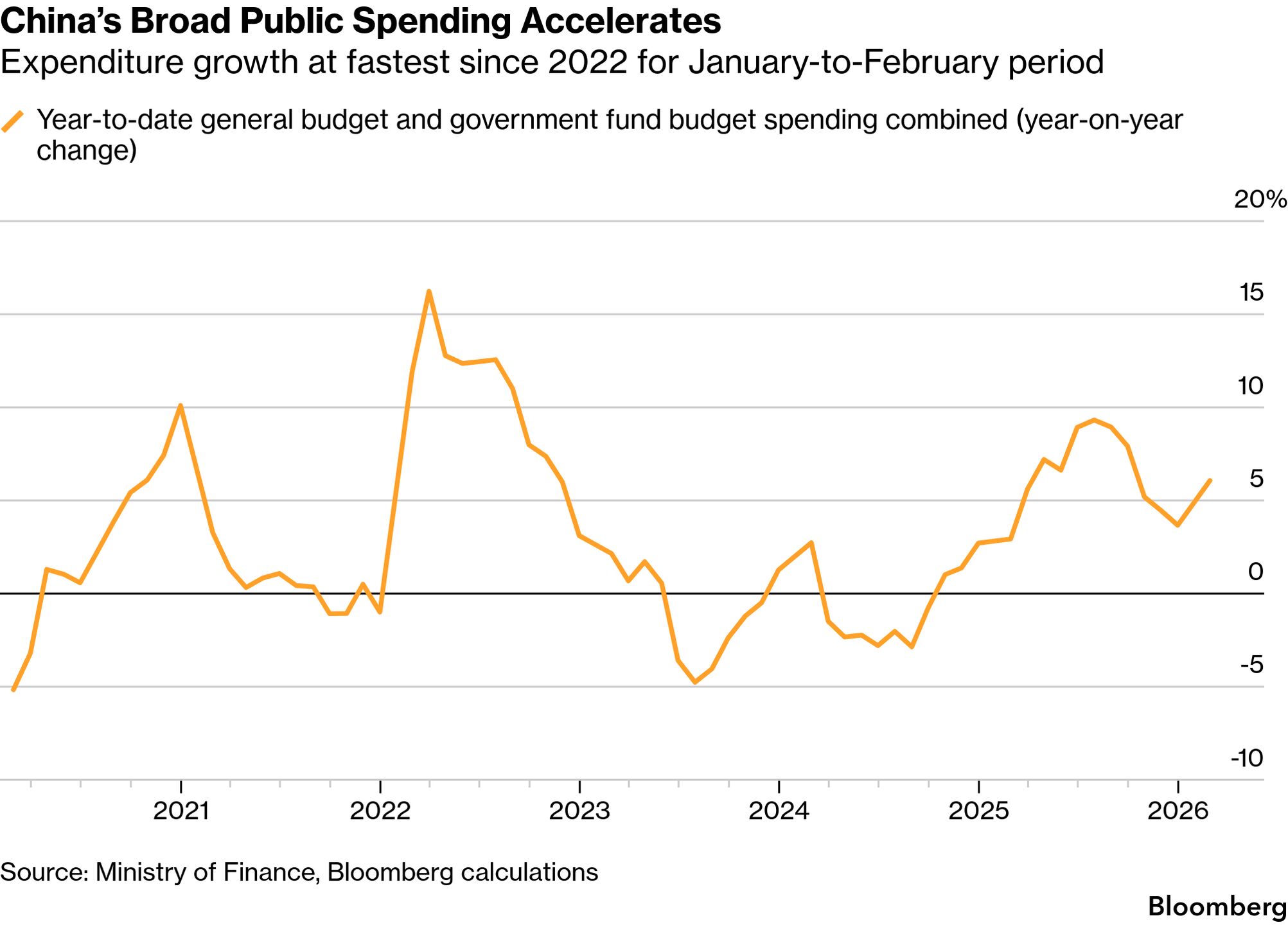 Chinese government spending made the strongest start to any year since 2022, likely stoked by an effort to fortify the economy in the face of growing external uncertainty. Fiscal stimulus has recently moved to the forefront of efforts to compensate for weak consumption. The central bank's interest-rate cuts have failed to ignite demand for credit, leading many economists to call for greater public spending to bolster businesses and households. And FinallyWedged between South American heavyweights Argentina and Brazil, Paraguay has long been ignored by the international community. Now, lured by low taxes, entrepreneurs from across the region are taking up residence, with applications surging more than 60% last year. Rapid growth and economic reforms helped the country win investment-grade credit status from Moody's Ratings in 2024 and S&P Global last year. Wall Street investors are snapping up Paraguay's bonds as its conservative president, Santiago Peña, aligns his government with the Trump administration.  A boy juggles in front of cars at a traffic light in Asunción, Paraguay, on Feb. 25. Photographer: Santi Carneri/Bloomberg Pop Quiz (no cheating!). Which southeast Asian nation said this week it will start building fences along a portion of one of its borders to boost security? Send your answers to [email protected] More from Bloomberg
We're improving your newsletter experience and we'd love your feedback. If something looks off, help us by reporting it here. Follow us
You received this message because you are subscribed to Bloomberg's Balance of Power newsletter. If a friend forwarded you this message, sign up here to get it in your inbox.
|




Musk’s apocalyptic vision for AI
The billionaire warns about AI’s dangers to humanity in his lawsuit against OpenAI. ...