| Read in browser | ||||||||||||||
 Adobe's tools for creative professionals are so widely used that Photoshop even became a verb. But now, on top of dealing with the disruptions of AI, the company will have a change at the top as well. Austin Carr writes today about the challenges ahead. Plus: A history lesson for Trump on tariffs (free link), and why small businesses want you to know they're not owned by private equity. If this newsletter was forwarded to you, click here to sign up. Adobe Inc. announced last week that its longtime chief executive officer, Shantanu Narayen, will transition out of his role leading the creative-software pioneer once the board completes its search for his successor. Narayen's nearing departure—after 18 years at the helm—comes amid intensifying pressure on the Photoshop maker to adapt its business to the artificial-intelligence era before AI rivals eat its lunch. Adobe is in a class of major software giants—including Atlassian, Intuit and Salesforce—that's struggling to figure out this transformation. It used to be that software was eating the world, but now AI appears to be eating software. Or at least making the expectations ridiculously high for those in the jaws of this technological upheaval. Adobe posted solid quarterly sales on Thursday and said its annual recurring revenue from its suite of AI-first products had more than tripled from a year earlier. Yet the stock price slid on the earnings news and has dropped almost 40% in the past year. 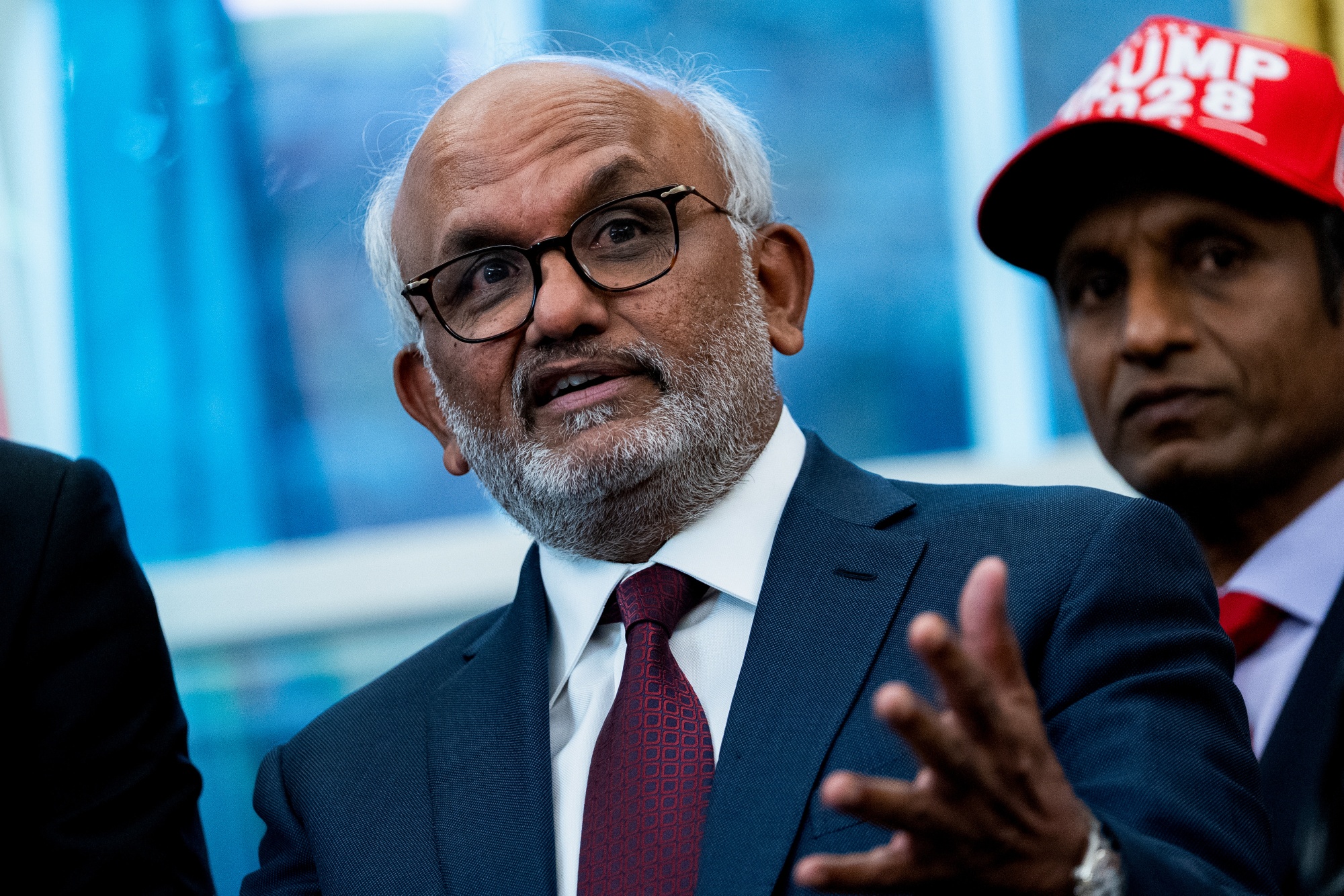 Narayen at a Diwali celebration at the White House in October. Photographer: Allison Robbert/Bloomberg Since joining Adobe in 1998, Narayen has helped the company navigate a number of inflection points. He endured layoffs during the dot-com crash before rising to become CEO in 2007, right as the mobile revolution was kicking off. (Steve Jobs famously got into a public spat with Narayen over Apple's decision to bar the use of Flash, a core Adobe developer tool, on the iPhone and iPad.) Narayen is credited with transitioning Adobe from one-off sales of programs like Photoshop and Premiere to recurring software subscriptions. The change became a source of frustration for Adobe's customers, annoyed by the subscriptions' high prices and cumbersome cancellation process—in fact, Adobe said on Friday it will pay $150 million to settle a complaint from the US Department of Justice and Federal Trade Commission alleging that process was too convoluted. But these recurring sales also helped build the company into a $25-billion-a-year juggernaut. The AI revolution, however, has proved a far more existential threat. The launch of AI-art generators like Midjourney and OpenAI's Dall-E sent shockwaves through Adobe, raising questions about whether complex image-editing applications would be necessary in a future where this kind of work can be automated by a chatbot or accomplished with a few text prompts. The same could be said of a slew of Adobe products: Why would users pay for Adobe Acrobat's advanced PDF features, for example, when they can have their documents analyzed with arguably more sophisticated tools within ChatGPT or Anthropic's Claude? Adobe responded in several ways. First, it introduced a slew of AI tools, including a text-to-image generator called Firefly, that were marketed to enterprise customers as a "commercially safe" alternative to apps like Stable Diffusion and Midjourney, which have been accused of copyright infringement in the process of training their models. Second, Adobe shoehorned all kinds of AI features into its existing apps. The idea was that big brands and creative professionals would flock to Firefly to avoid legal liabilities in their use of AI, and that, with Adobe's workflows already embedded in droves of organizations, its AI-enhanced versions of Photoshop or InDesign would offer a more natural way to adopt these tools than through a standalone AI service. This approach was fraught. Adobe's content restrictions made Firefly feel frustratingly limited compared with its competitors; if you entered a prompt that could conceivably cause a copyright issue, Firefly would simply deny your request. And despite the convenience of its other integrations, Adobe's AI models were frequently outshined by the likes of Google's Nano Banana, which is partly why the company keeps adding access to more popular third-party AI models On Thursday's earnings call, Narayen was praised by analysts for his CEO tenure while continually questioned about Adobe's AI strategy. He noted that Firefly and its other AI-first services had already become a $250 million annual business and reiterated that Adobe's hold on so many default corporate apps would sustain the company even if it becomes more reliant on AI models from Google and OpenAI. "All of these individual models that exist—small model companies in one part of a media ecosystem—I just don't see how, long term, they survive, because people aren't interested in just the model, they're interested in the workflow," he said. Asked about how Adobe would monetize its new AI experiences, Dan Durn, Adobe's chief financial officer, reminded analysts how the company has stayed so successful over the years. Just as Adobe has long given away Acrobat for free to get users hooked on its functionality before they "hit paywalls" and subscribe, it will also attract customers to Firefly and its other AI innovations through a freemium-to-premium model. Upselling Adobe customers, Durn said reassuringly, is "one of the historical strengths of the company and will continue to be." In BriefWar in Iran
  Watch: Why Oil's Future Is So Unpredictable
More News
Troubled by Tariffs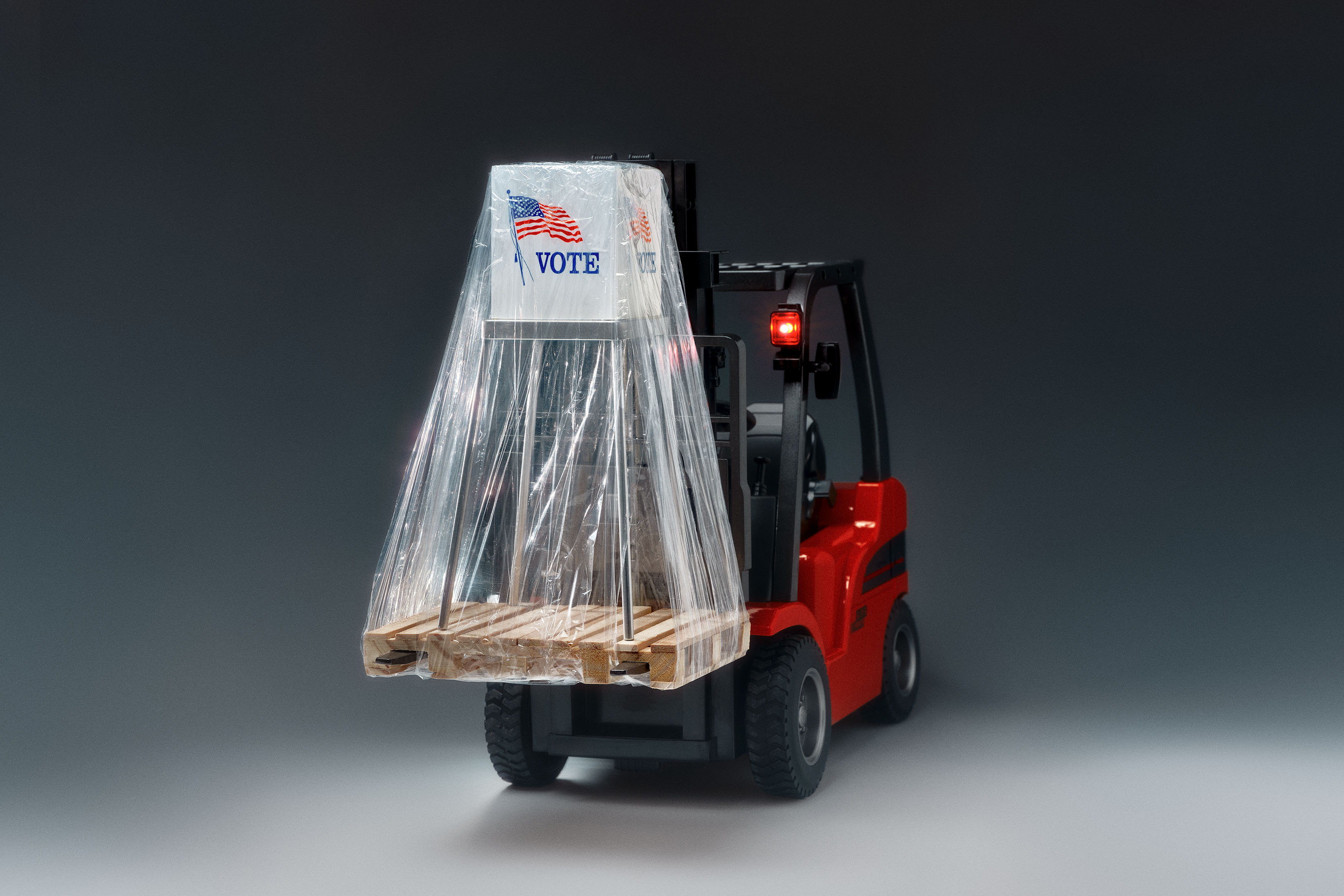 Photographer: Philotheus Nisch for Bloomberg Businessweek As any student of American history could tell you, tariffs can be politically deadly. US President John Quincy Adams was turfed out the same year he signed into law what became known as the "tariff of abominations." During William McKinley's stint as a Republican representative from Ohio, his push for the 1890 duties that bore his name wound up costing him his seat. Herbert Hoover's signature on the Smoot-Hawley Tariff Act of 1930 contributed to his Republicans losing control of Congress in midterm elections a few months later. Donald Trump won the 2016 presidential election promising to rip up America's trade playbook. A decade on, he's gone further than many thought possible. He's built the highest tariff wall around the US economy in almost a century, forced the country's top trading partners to grovel for access to the world's biggest consumer market and toyed with the idea of scrapping the three-country free-trade pact that supports almost $2 trillion in North American commerce. Yet as the country heads toward midterm elections in November, one wonders whether the self-proclaimed "Tariff Man" is going to get a history lesson he won't like. Polls show some two-thirds of US voters disapprove of Trump's import taxes—more than oppose his immigration crackdown or the war on Iran. Shawn Donnan writes about the political perils ahead for the president: Trump's Tariffs Will Loom Large Over the Midterms, Whatever Happens in Iran (🎁) A Big AI Deal$27 billion That's how much Meta Platforms will pay over the next five years for access to AI infrastructure from cloud provider Nebius, as it spends aggressively to compete with the industry's top frontier models. The deal represents one of the biggest single contracts Meta has signed. Small Businesses Push Back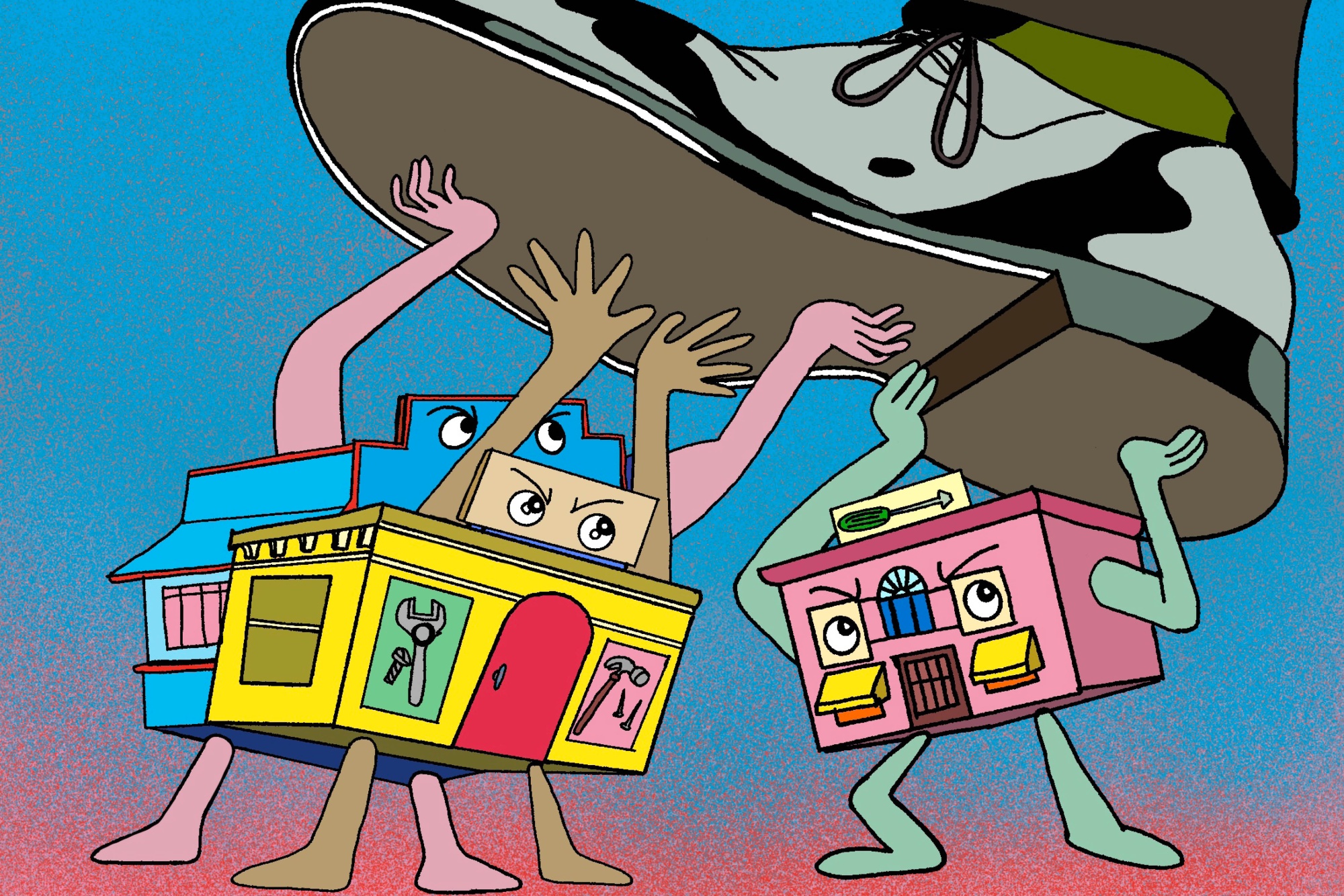 Illustration: Anand Shenoy for Bloomberg Businessweek Jay Cunningham says he's fielded hundreds of calls and emails over the years from private equity firms poking around his Atlanta-area plumbing business. He wagers he could fetch tens of millions of dollars for Superior Plumbing, freeing up time for him to see his grandkids, say, or travel more to New York. But Cunningham refuses to make a deal with a buyout firm. Going from independent to PE-owned, he says, would be bad for his employees—including several of his adult children—as well as the wider community. "I've resisted selling, because of the people that work for me," Cunningham, 64, says, adding that shoppers, too, are starting to boycott PE-backed companies if they're aware the ownership has changed. They understand "that when these firms are getting gobbled up, it's less favorable for the customer." For at least a decade, private equity has been encroaching on America's mom-and-pop businesses, the backbone of the US economy, scooping up independent roofing contractors, veterinary practices, health clinics and other operators at a rapid clip. Now a PE pushback is brewing among small-business owners such as Cunningham, who are increasingly refusing to take part—and making sure everybody knows it, loudly touting their antibuyout stances and locally owned credentials. Michael Sasso and Saijel Kishan write about the owners who are staying independent: Small Businesses Are Pushing Back Against Private Equity After Labubu"Skullpanda, Twinkle Twinkle and Crybaby are emerging as new growth drivers and have their own fan bases, rather than being alternatives to Labubu." Citigroup analysts Pop Mart's shelves remain packed, but shoppers are no longer fixated solely on the snaggle-toothed Labubu dolls that once sparked hourslong lines and resale frenzies. Previously in Businessweek: Can the Labubu Doll Craze Survive Trump's Tariffs? Play Alphadots!Our daily word puzzle with a plot twist.  Today's clue: Canned good? More From BloombergLike Businessweek Daily? Check out these newsletters:
Explore all Bloomberg newsletters. We're improving your newsletter experience and we'd love your feedback. If something looks off, help us fine-tune your experience by reporting it here. Follow us
You received this message because you are subscribed to Bloomberg's Businessweek Daily newsletter. If a friend forwarded you this message, sign up here to get it in your inbox.
|




Highlights from Bloomberg CityLab 2026 in Madrid
The conference kicked off with remarks from the mayors of Madrid, London and more. ...