| Read in browser | ||||||||||||||
 The last time the US fired up a new coal plant was in 2013. But a new venture could change that. Today's newsletter looks at the billion-dollar plan to build a new coal-fired power plant in Alaska. Plus, North America's week of wild weather continues with a major atmospheric river plowing into British Columbia, and Brazil unveiled an updated national climate plan. Subscribe to Bloomberg for unlimited access to all our climate, clean power and energy transition coverage. Coal rolls?By Will Wade and Jennifer A. Dlouhy Terra Energy Center is pouring $1 billion into a deal for a planned coal project in Alaska, marking the first investment in new US coal power in more than a decade. The in-principle agreement with Hyundai Heavy Industries Power Systems for an order of power-plant boilers was described in a US Interior Department fact sheet on Monday. The transaction is one of several that advanced during talks at the Indo-Pacific Energy Security Ministerial and Business Forum in Tokyo this weekend. 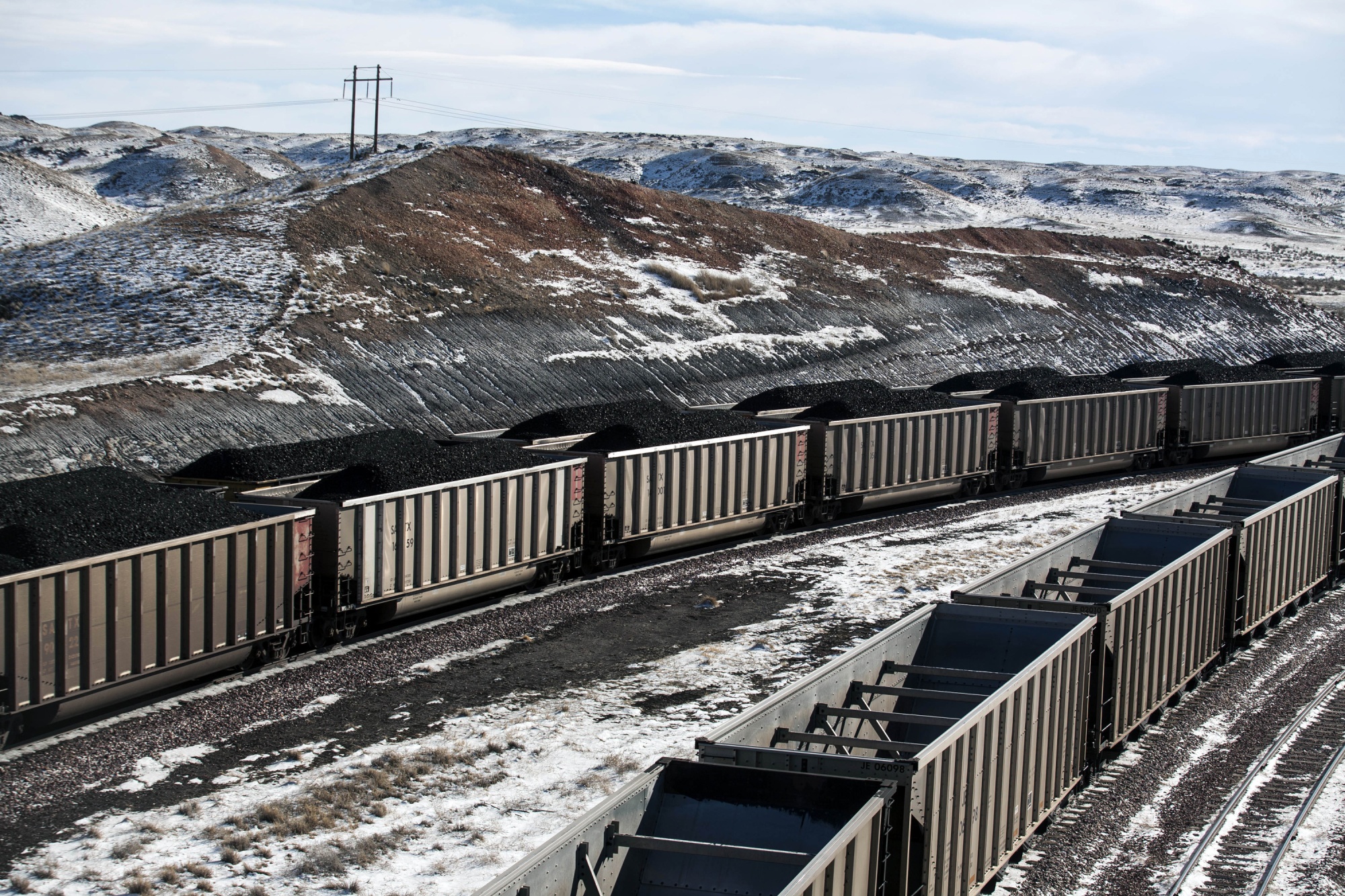 Rail cars are filled with coal in Wyoming. Photographer: Ryan Dorgan/Casper Star-Tribune/AP Terra Energy Center's plan represents a striking reversal for the US coal industry. Coal once supplied more than half of the nation's electricity, but that figure has been steadily declining and now stands at about 16%. The shift came as utilities turned to cheaper and cleaner power sources, including natural gas and renewables, in an effort to rein in climate change. Environmental groups have been pushing to eliminate coal power completely, and questioned the economics of developing new projects. But US President Donald Trump has been pushing for the country to burn more coal, especially with electricity demand set to surge as power-hungry data centers run artificial intelligence. The move is part of Trump's expansive plan to reshape the US energy landscape, promoting fossil fuels over intermittent renewables.  Trump holds a trophy during a "Champion of Coal" event Photographer: Graeme Sloan/Bloomberg While Trump's efforts to revive coal in his first term had little impact, he's having more success since returning to the White House last year. The US Energy Department has also ordered five coal plants that were set to retire to remain in service, and has indicated that it may issue similar orders to other sites that are preparing to shut down. Experts are still skeptical about the long-term prospects for coal, and demand for the dirtiest fossil fuel is projected to continue its steady decline. There's also no guarantee that decisions made now would continue to receive support under future administrations. "The market doesn't favor the construction of new coal," said Dennis Wamsted, an energy analyst at the Institute for Energy Economics and Financial Analysis. "You can probably get anyone to finance anything in the US. The real question is: Will they ever get a return on their investment?" Read the full story. Costly operations$135 million The amount it cost to keep a coal plant in Michigan running following a Trump emergency order for it to remain open rather than close last May, according to filings with the Federal Energy Regulatory Commission in January. Cause for pause"The risk remains high — and I mean political risk." Andrew Blumenfeld Director of data analytics, McCloskey by OPIS Despite the Trump administration putting its thumb on the scale for coal, there's a chance that future administrations won't treat fossil fuels as kindly. Weather watchNorth American weather has been on a wild ride this week, from tornado watches along the East Coast to snow by the foot in the Midwest. Canada's British Columbia is now getting in on the action as the province faces up to 25 centimeters (10 inches) of rain as a powerful atmospheric river pounds the province and the US Pacific Northwest. The worst weather will strike north of Vancouver, where the storm will reach Category 4 and 5 strength on the atmospheric river scale put together by the Center for Western Weather and Water Extremes. The storm will be a Category 3 for the Vancouver area. 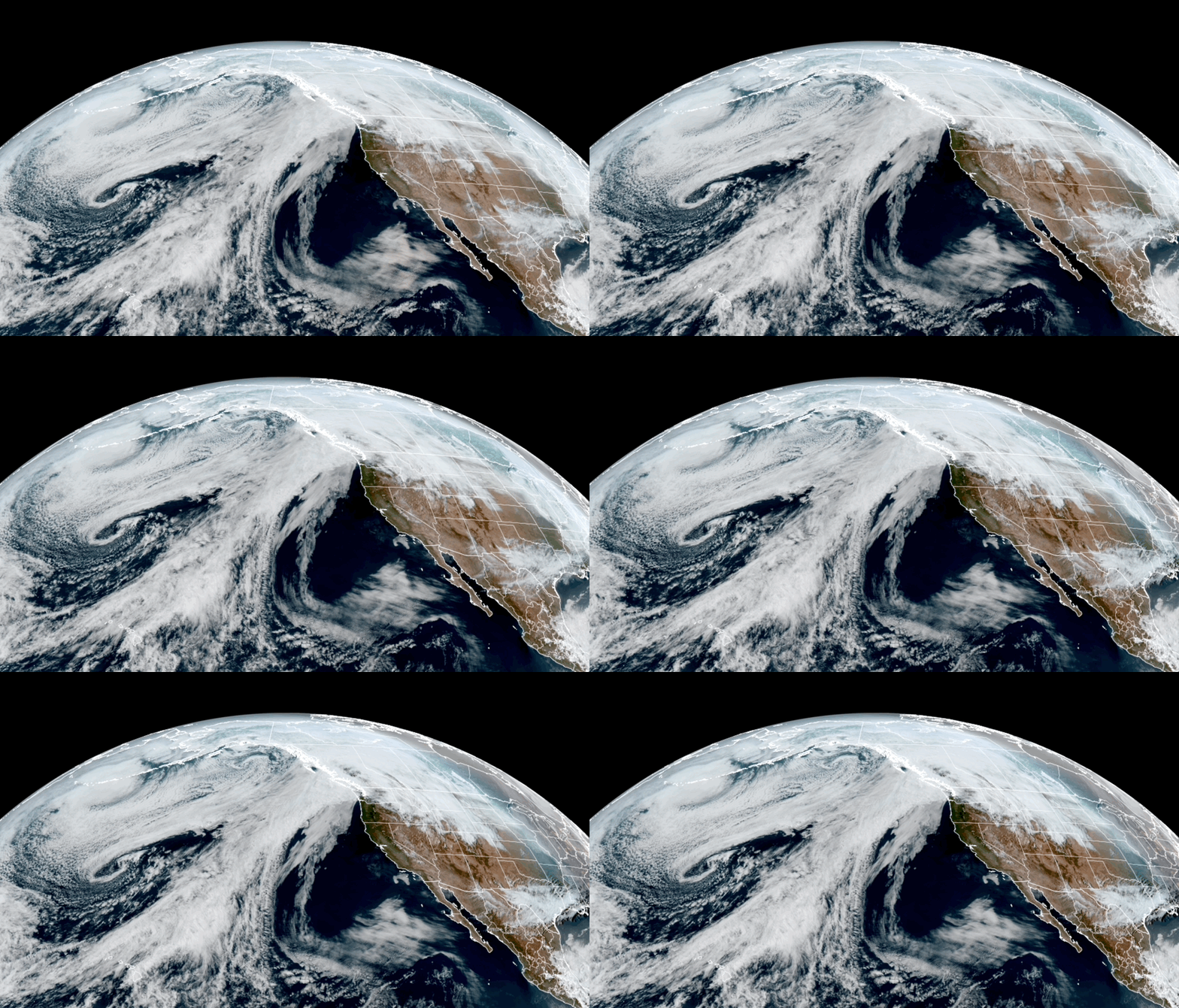 A satellite view of the atmospheric river extending from Hawaii toward the Pacific Northwest from March 16. Image courtesy of RAMMB/CIRA In the US, the National Weather Service has issued flood warnings and watches across parts of Washington, including Seattle. The Pacific coast has been struck by a number of atmospheric rivers this winter. While the region is no stranger the storms, this winter has seen many of them arrive warmer than normal, resulting in less mountain snow. "Temperatures remained above normal for much of February, leading to freezing levels at higher-than-average elevations; as a result, most precipitation fell as rain rather than snow" for Oregon and Washington, according to a March 9 update from the National Integrated Drought Information System. More rain this week will further cut into the remaining snowpack. Western North America needs snow to meet water demands. The snowpack acts as a frozen reservoir that becomes available in spring and summer when it melts. For most of winter, the US West has been caught in a snow drought, which is becoming more common as the planet warms. Subscribe to the weekly Weather Watch newsletter to track the market, business and economic impacts of extreme weather from around the world. Worth a listen Abi Daré at the Bloomberg office in London. Photographer: Akshat Rathi/Bloomberg In the latest episode of Zero's Imagine series, Akshat Rathi is joined by Abi Daré, winner of the inaugural Climate Fiction Prize. Abi is the bestselling author of And So I Roar, which tells the story of the teenager Adunni as she confronts superstition, lack of education and the impacts of climate change on the rural communities of Nigeria. Abi joins Zero to talk about the role climate change plays in her storytelling, and how she has seen Nigeria adopt climate solutions as it develops rapidly. Listen now, and subscribe on Apple, Spotify or YouTube to get new episodes of Zero every Thursday. More from Green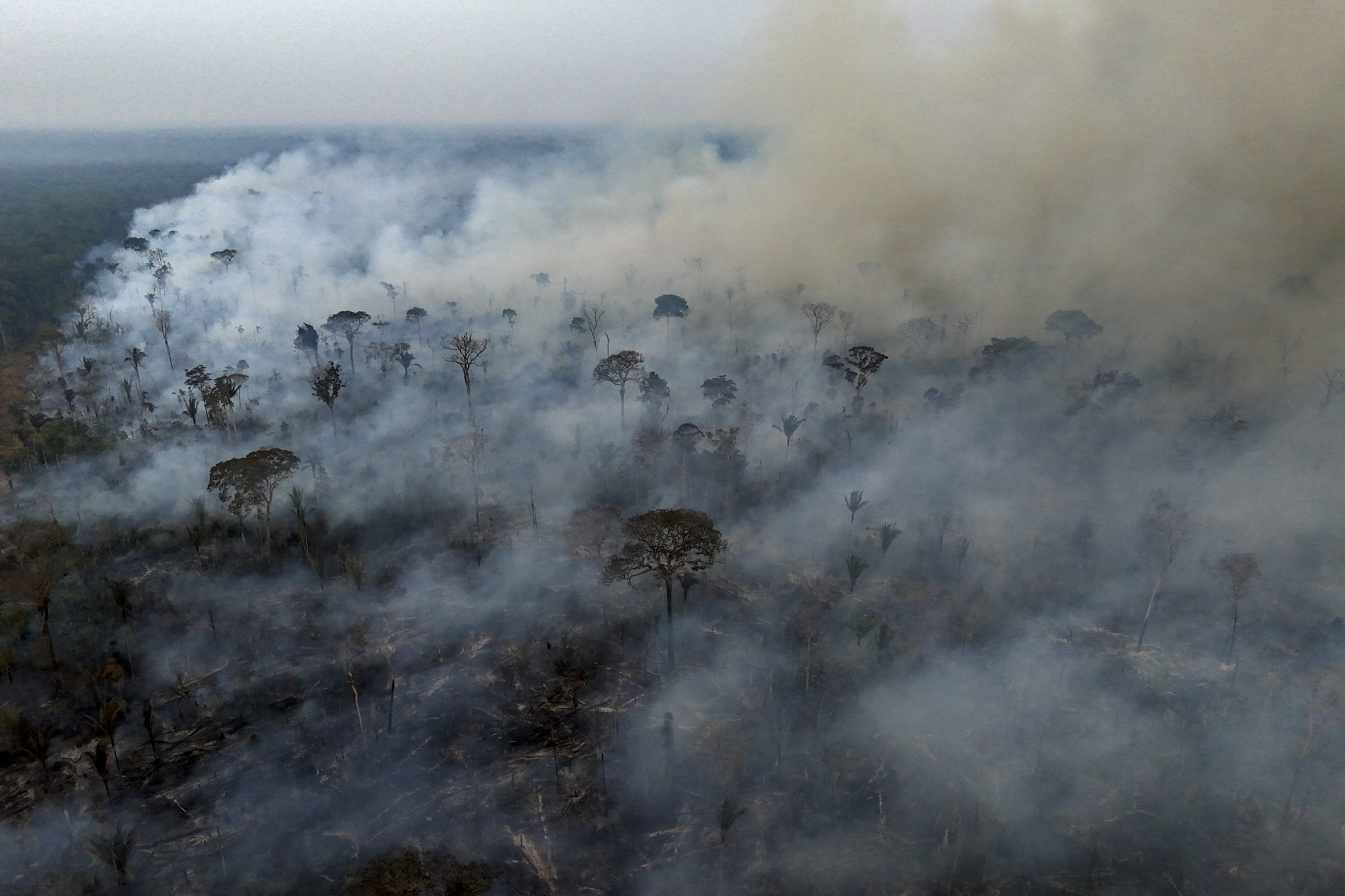 An illegal fire in the Amazon rainforest in September 2024. Photographer: Michael Dantas/AFP/Getty Images Brazil on Monday unveiled an updated national climate plan, the first time since 2008 the country has revised its main policy to curb carbon-dioxide emissions and adapt to global warming. The revised plan, which looks out to 2035, restates its earlier emphasis on ending deforestation as the main strategy to reduce emissions. Unlike in most countries, the main source of carbon pollution in Brazil is land-use change that results in forest loss, largely in the Amazon region. Changing land use accounts for almost half of the country's emissions. Brazilian President Luiz Inácio Lula da Silva, who is running for reelection this year, has committed to eliminating deforestation by 2030. Read the full story, including analysis of the plan. German and French power prices have been much more resilient than natural gas to the turmoil caused by the war in the Middle East, declining last week despite a surge in oil. Pakistan's rapid adoption of solar power in the past few years is helping cushion the impact of a surge in fossil fuel prices due to the Middle East war, with savings of at least $6.3 billion this year by using solar instead of buying oil and gas. European regulators should avoid adjusting electricity pricing in case it puts at risk investment in clean energy, according to Statkraft AS, the region's top producer of renewable power. More from Bloomberg
Explore all Bloomberg newsletters. We're improving your newsletter experience and we'd love your feedback. If something looks off, help us fine-tune your experience by reporting it here. Follow us
You received this message because you are subscribed to Bloomberg's Green Daily newsletter. If a friend forwarded you this message, sign up here to get it in your inbox.
|




Highlights from Bloomberg CityLab 2026 in Madrid
The conference kicked off with remarks from the mayors of Madrid, London and more. ...