| Read in browser | ||||||||||||||
 Among US and Israeli forces' targets in Iran are numerous pieces of oil infrastructure close to Tehran. Bombing fossil fuel depots and refineries has created toxic conditions for 10 million people living in the city, and the legacy of war could last for decades. Today's newsletter looks at the high environmental toll of the war. Plus, your weekend read explores a key to fighting ocean plastics and your weekend listen brings you insights from the winner of the first Climate Fiction Prize. Pollution spreads in IranBy Laura Millan and Aaron Clark News of black rain falling on Tehran felt all too familiar to Nejat Rahmanian as he scrolled through alerts on social media feeds and tried to contact relatives on March 8. Israeli drone strikes hit giant oil depots and refineries on the outskirts of the Iranian capital a few hours earlier, setting fuel on fire and releasing columns of black smoke, which mixed with rain clouds that poured toxic chemicals onto the city later in the day. The descriptions reminded the Iranian researcher of events he experienced in the city 35 years ago. It was surreal, recalled Rahmanian, a professor of chemical and petroleum engineering at the UK's University of Bradford. Clothes hanging out to dry were stained and the air felt heavy. No one knew why. Later, they learned the origin was around 1,290 kilometers (about 800 miles) away in Kuwait, where Iraqi forces battling US and allied forces in the Gulf War had set hundreds of oil fields ablaze. Plumes of soot, hydrocarbons and sulfur dioxide blew over Iran, polluting everything in their path. 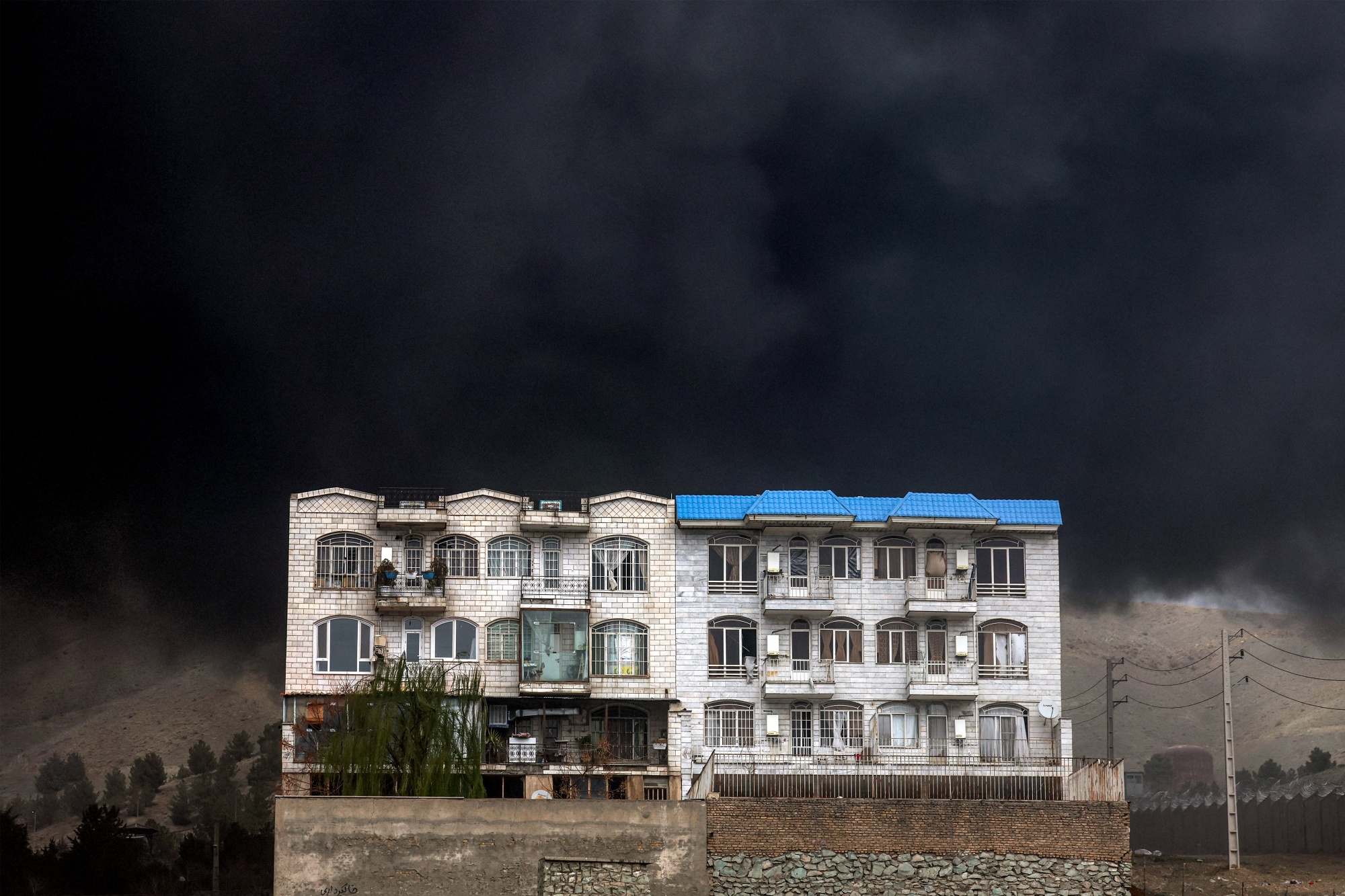 Dark smoke rises following an airstrike on the Shahran oil refinery in Tehran. Photographer: AFP via Getty Images The latest war in the region — which enters a third week on Saturday — is unleashing similar pollutants that will have an even greater impact on Tehran and its wider metro area, home to around 18.5 million people, because they were released so nearby, experts say. "We always see oil facilities being attacked in conflicts," said Doug Weir, chief executive officer at the Conflict and Environment Observatory, or CEOBS, "but it's extremely rare for them to be close to a large city like Tehran." CEOBS, a UK-based nonprofit that aims to raise awareness on the environmental and humanitarian consequences of war, identified over 300 incidents entailing some environmental risk as a result of the ongoing hostilities, according to the latest available data. Missiles and bombs contain heavy metals and other toxic pollutants, which are released into the air, soil and water when they explode and crash, often lingering for decades and posing health risks. Cleanup is difficult and expensive. "A lot of people are exposed to pollution and will continue to be," Weir said. The Israeli strike that hit the oil depots outside Tehran has been this war's single biggest pollution incident so far, he added. An Iranian engineer who asked not to be identified due to fear of repercussions said his relatives were planning to remain in Tehran despite the bombing. But they fled to the country's north due to the heavy air pollution. While the military conflict was bearable, the poor air quality and the black rain weren't. Tehran lies at the base of the Alborz mountains. The range blocks air circulation and creates a thermal inversion that traps pollutants, leading to episodes of poor air quality that can last for weeks and even months. Normally, rain washes the pollution away, but on March 8, it might have made things worse. "The combination of the catastrophic oil fires with rainfall makes them much more unhealthy and toxic for human health," said Dimitris Kaskaoutis, a physicist at the National Observatory of Athens. "These pollutants diluted in the water are much more toxic and can easily be absorbed in our bodies — the nervous system, the blood system, and might affect kidneys, liver and other organs." Combating climate change€23 billion The amount of defense spending Spain has committed to disaster relief. As climate change worsens, some militaries may increasingly be called upon to respond to extreme weather and its impacts. War's lasting legacy"It's painful now, but it's going to leave long-term effects on public health." Amjad Shawa Director, Palestinian NGO's Network Israel's attacks on Gaza left behind a legacy of waste, rubble and environmental damage, all of which pose major health risks. Readers really liked💧Water security is another vulnerability facing Iranians Your weekend readPlastic pollution is a scourge that's only set to get worse: globally, it's forecast to hit 280 million metric tons per year by 2040, or a dump truck's worth every second. Yet nations are still struggling to reach a treaty to tackle the problem. Local efforts alone can't solve the issue, but they can have tangible benefits. This weekend's excerpt takes you to Metro Manila, where a cleanup is underway to restore the once-sparkling river that cuts through the heart of the megacity. 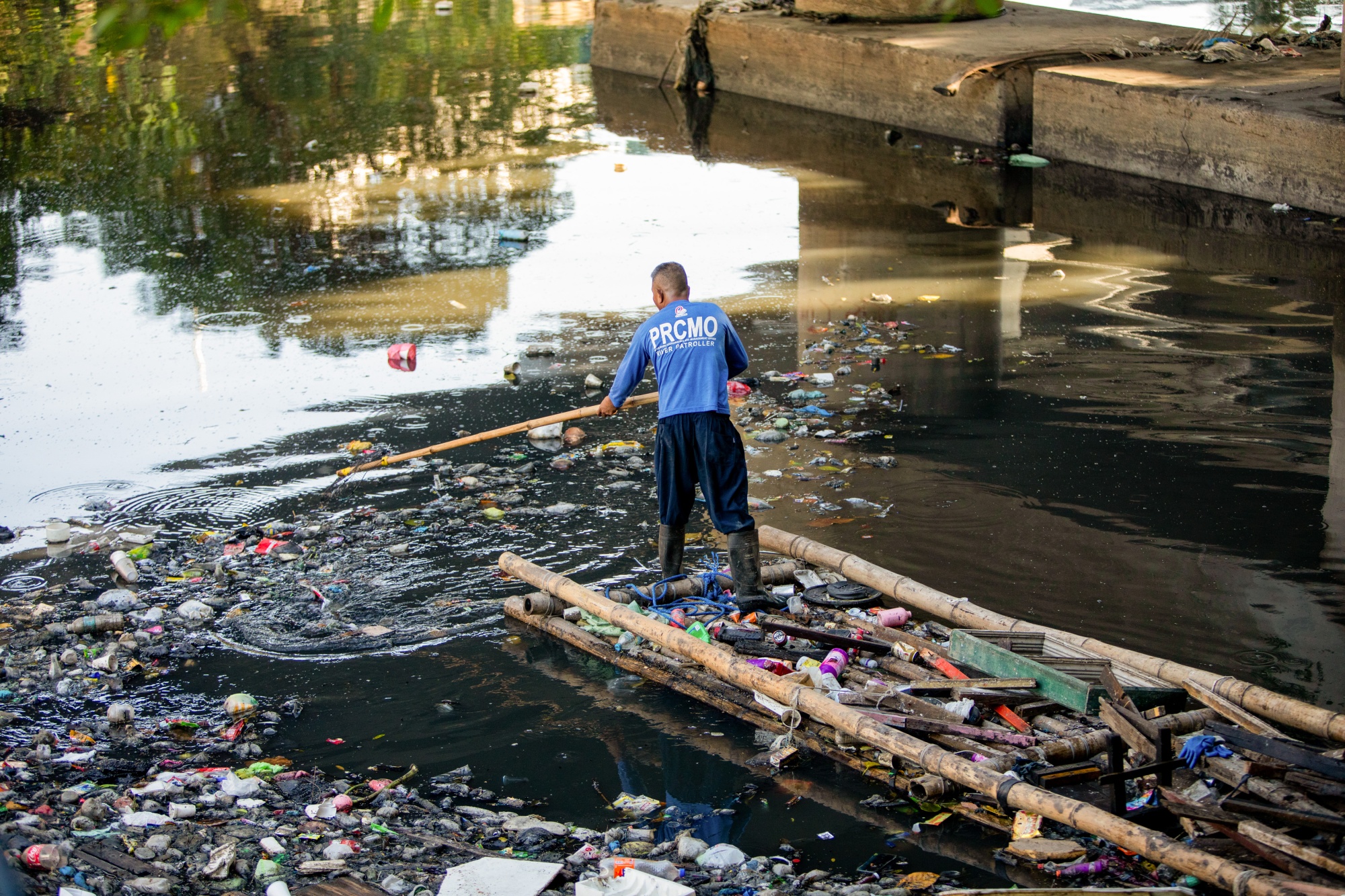 Cleanup workers collect waste from Buhangin Creek in Metro Manila. Photographer: Geric Cruz/Bloomberg At a trash-choked, putrid creek in the heart of the Philippine capital, 63-year-old Xerxes Luna is helping fight the world's battle against marine plastic pollution. With eight co-workers, Luna spends entire days hauling hundreds of sacks of plastic bottles, detergent sachets and styrofoam containers from a tributary of the Pasig River, Manila's main waterway. They use boats, bamboo rafts and trash traps to prevent garbage from being flushed into Manila Bay and into the sea. "We are the policemen of river pollution," Luna said. "We catch the trash here so they won't end up in bigger bodies of water." While other nations have undertaken similar moves to rehabilitate major waterways like the Seine and the Han, the Philippines' effort is of particular importance: the 26-kilometer (16-mile) Pasig River has been identified as a top emitter of plastic waste. A 2021 study showed that it is estimated to have contributed 6% of plastics from rivers leaking into oceans, more than rivers like India's Ganges despite being shorter. The Pasig River was once a pristine food source and transport route, but as Metro Manila grew into a megacity of 14 million, it deteriorated into a dumping ground, with thousands of families now living in makeshift houses along the river. Data from global consultancy company Arup — which partnered with the Asian Development Bank to build a digital model of the Pasig River to identify pollution hotspots — showed that plastic bottles, foam containers and film wrappers made up most of the plastic waste floating on one of its tributaries during last year's rainy months. "If you can remove even a small portion of that waste, you can make a massive difference to the marine ecosystem," said Adrian Marsden, who leads Arup's water team in Southeast Asia. "That makes the Pasig River a particularly interesting case: a small proportion like that makes a big difference globally." Read the full story to see how Metro Manila is restoring areas around the river. For more dispatches from Southeast Asia and beyond, subscribe to Bloomberg News. Your weekend listen In the latest episode of Zero's Imagine series, Akshat Rathi is joined by Abi Daré, winner of the inaugural Climate Fiction Prize. Abi is the bestselling author of And So I Roar, which tells the story of the teenager Adunni as she confronts superstition, lack of education and the impacts of climate change on the rural communities of Nigeria. Abi joins Zero to talk about the role climate change plays in her storytelling and how she has seen Nigeria adopt climate solutions as it develops rapidly. Listen now, and subscribe on Apple, Spotify, or YouTube to get new episodes of Zero every Thursday. More from Bloomberg
Explore all Bloomberg newsletters. We're improving your newsletter experience and we'd love your feedback. If something looks off, help us fine-tune your experience by reporting it here. Follow us
You received this message because you are subscribed to Bloomberg's Green Daily newsletter. If a friend forwarded you this message, sign up here to get it in your inbox.
|




OpenAI’s missed goals
Bloomberg Morning Briefing Americas ...