| Read in browser | ||||||||||||||
 Welcome to Balance of Power, bringing you the latest in global politics. If you haven't yet, sign up here. Luiz Inácio Lula da Silva has made a career out of political resurrection. He lost three presidential bids in Brazil before finally winning in 2002. He was written off after being imprisoned in 2018, only to return, reclaim his power and secure a historic third term in Latin America's largest nation. Even during this administration, when his approval ratings sank and his government appeared adrift, fighting back against US President Donald Trump's trade war with Brazil handed him a narrative he could seize. With just months to go before October's election, Lula now faces yet another test. This time, the comeback script isn't so clear. Polls show his once comfortable lead has evaporated, with Flávio Bolsonaro — the eldest son of his longtime rival and right-wing former President Jair Bolsonaro — edging ahead. The reversal comes as voters turn more pessimistic about Brazil's economic prospects and a sprawling corruption probe that, while not implicating Lula directly, is dragging down institutions he is seen as close to. 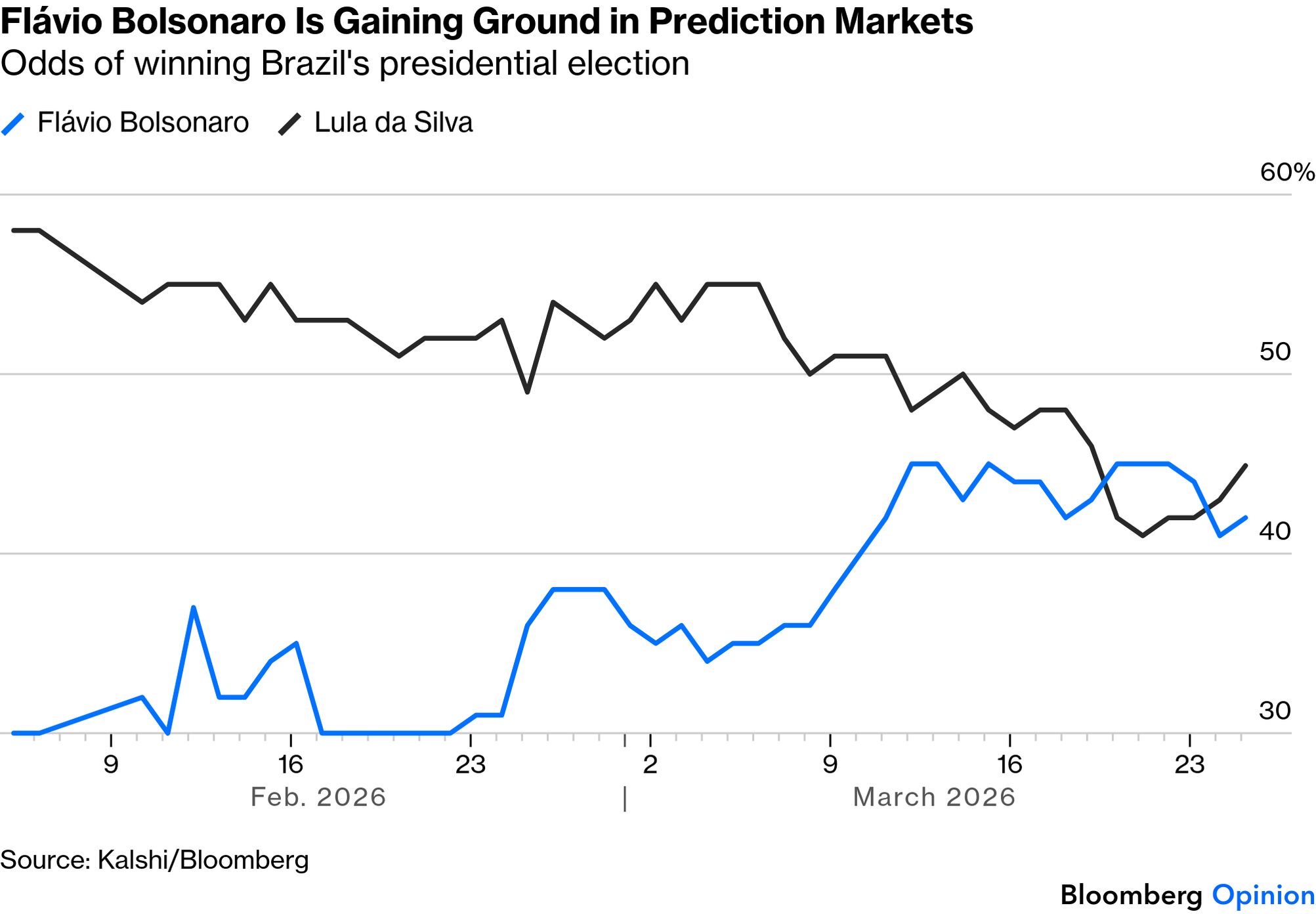 Lula has seen the damage scandal can unleash. More than a decade ago, Operation Car Wash led to the downfall of Dilma Rousseff, his hand-picked successor. Inside the government, there is little consensus on how to respond. Some allies argue for patience, betting Lula's experience will ultimately prevail. Others want a more aggressive campaign, warning that ceding ground now risks allowing Bolsonaro to consolidate his image as a more moderate heir to his father's movement. A rare point of agreement is the need to boost credit and stimulate consumption. It's too early to rule Lula out. Local or global conditions could shift and few politicians have proved as adept at reinvention. But at 80, the question is whether he can adapt once again — or if, this time, Brazil's most enduring political survivor ends his career in defeat. — Walter Brandimarte  Lula greets supporters during a ceremony to commemorate three years since an attempted coup by Jair Bolsonaro in Brasília on Jan. 8. Photographer: Ton Molina/Bloomberg Global Must ReadsTrump again pushed back his deadline — to April 6 — for Iran to strike a deal with the US or face more attacks on energy sites, saying talks to end the war were going "very well" while also repeating that the American effort was "ahead of schedule." Three Federal Reserve officials, meanwhile, expressed growing anxiety yesterday over the US economic outlook, with one policymaker saying the spike in oil prices is making inflation a bigger concern than employment. 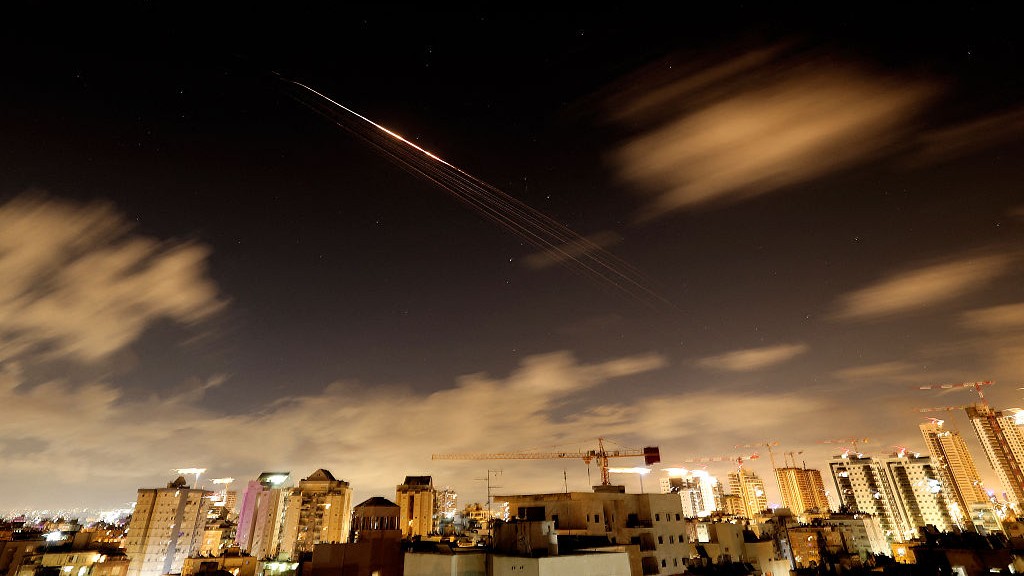 WATCH: Iran is awaiting a response from the US after rejecting Trump's 15-point plan to end the war. Bloomberg's Joumanna Bercetche reports. Russia is abandoning plans for a sharp downgrade to its 2026 economic-growth forecast as the war in Iran boosts oil revenue, even as Ukrainian attacks on Baltic Sea export infrastructure are currently undermining Moscow's ability to benefit from the crude rally. Meanwhile, Ukraine risks running out of money to pay for its defense against Russia within two months as tens of billions of euros in assistance are held up. UK Prime Minister Keir Starmer suggested he won't be bullied by Trump in a further demonstration of how the war on Iran has frayed the so-called special relationship between their two countries. Separately, the US president said that NATO's refusal to cooperate with his military operations in the Middle East was a "test" for the security alliance and that he would "remember" its response, ratcheting up his criticism of the bloc. The US Senate passed legislation to fund most of the Department of Homeland Security, forging a path to end a partial government shutdown that snarled airport security and threatened to ripple through an economy already roiled by the war. The bill, which must still pass the House and be signed by Trump, marks an abrupt reversal for Republicans, who had blocked similar proposals backed by Democrats to partially fund the department for weeks.  A TSA agent sits by a window as travelers stand in long lines at Atlanta airport on Monday. Photographer: Megan Varner/Getty Images China launched a pair of investigations into US practices on supply chains and renewable products in retaliation for US trade probes ahead of an expected presidential summit. Chinese Commerce Minister Wang Wentao had raised "serious concerns" with US Trade Representative Jamieson Greer over investigations that followed a Supreme Court ruling that invalidated previous duties. Treasury Secretary Scott Bessent said a US insurance program meant to boost shipping through the Strait of Hormuz will begin soon, a move that may help revive flows of much of the world's oil and gas supplies. Pakistan resumed its military operations in Afghanistan that have killed hundreds on both sides of the border, ending a temporary ceasefire that was agreed last week to observe the Muslim festivity of Eid. 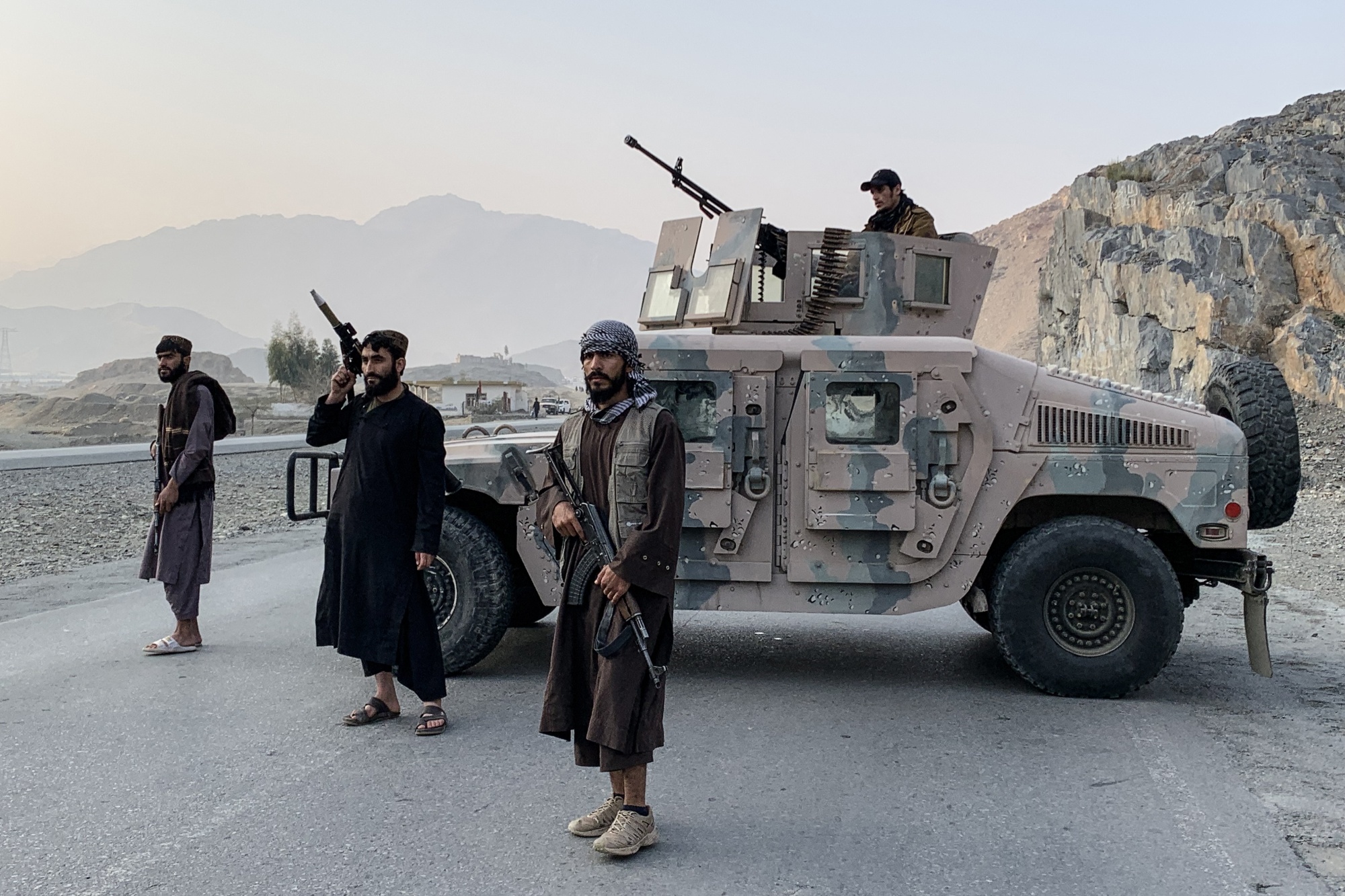 Taliban security personnel near the Torkham border crossing between Afghanistan and Pakistan on Feb. 27. Photographer: Aimal Zahir/AFP/Getty Images US Secretary of State Marco Rubio and his Group of Seven counterparts traded barbs over the wars in Iran and Ukraine, casting doubt on Europe bowing to Trump's demand for military help in the Gulf. South African President Cyril Ramaphosa walked back a claim that US pressure led to his nation being disinvited from the G-7 summit in France.  Don't miss from Bloomberg Weekend: Mishal Husain chats with Israeli security expert Shira Efron about the war on Iran, Nick Bryant looks at what Trump's rise means for the future of US politics and Justin Fox examines the impact of punishment on crime. Subscribe to the newsletter here. Sign up for the Washington Edition newsletter for news from the US capital and watch Balance of Power at 1 and 5 p.m. ET weekdays on Bloomberg Television. Chart of the Day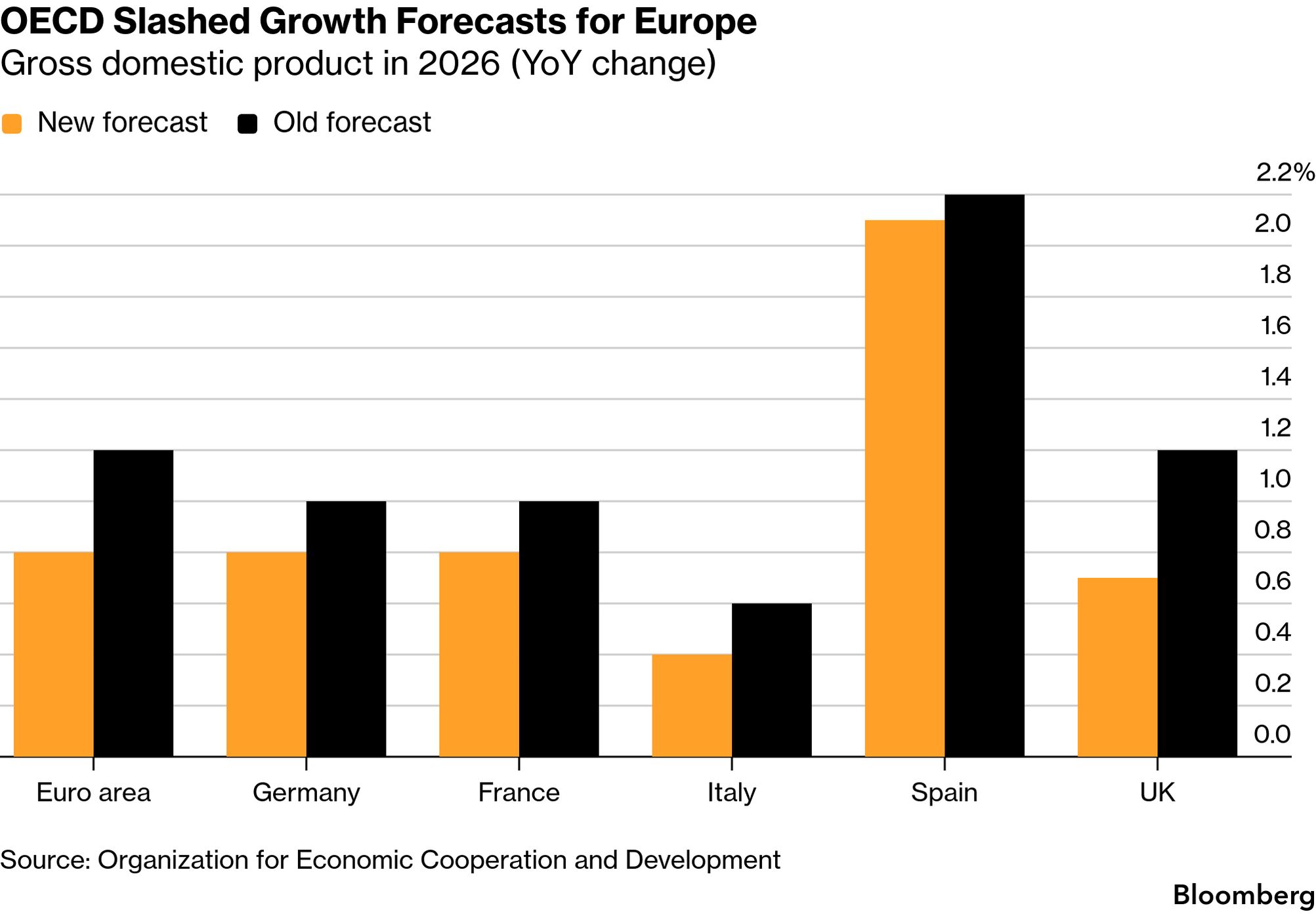 The economic toll of the Iran war is hitting home in Europe, where more muted growth and faster inflation risk deepening industrial, fiscal and political pressures across the region. European economies — finally shaking off the effects of the conflict in Ukraine — are slashing their expectations for output while bracing for an energy-driven upswing in prices. And FinallyHistoric sites are a huge driver of international and domestic tourism in Mexico, but critics warn that the nation is not spending enough to maintain its cultural heritage, with funding for the Culture Ministry and the National Institute of Anthropology and History being cut by more than 20% and 40% respectively. The reductions have affected the conservation of archaeological areas, with some researchers saying they have to use their own money to keep projects alive.  The Pyramid of the Moon at Teotihuacán, Mexico. Photographer: Ruben E. Reyes/Bloomberg Pop Quiz (no cheating!). Which nation proposed a resolution in the United Nations calling for reparations for African slavery? Send your answers to [email protected] More from Bloomberg
We're improving your newsletter experience and we'd love your feedback. If something looks off, help us by reporting it here. Follow us
You received this message because you are subscribed to Bloomberg's Balance of Power newsletter. If a friend forwarded you this message, sign up here to get it in your inbox.
|




An expensive burglary
South Africa’s president faces toughest test yet over dollars stuffed in his sofa ...