| Read in browser | ||||||||||||||
 Welcome to Balance of Power, bringing you the latest in global politics. If you haven't yet, sign up here. Almost a month after the US and Israel went to war with Iran, Donald Trump appears infuriated that the regime hasn't just folded. His pronouncements careen from threats of obliteration one day to promises of an imminent peace deal the next. All the while, Iran's position remains implacable. 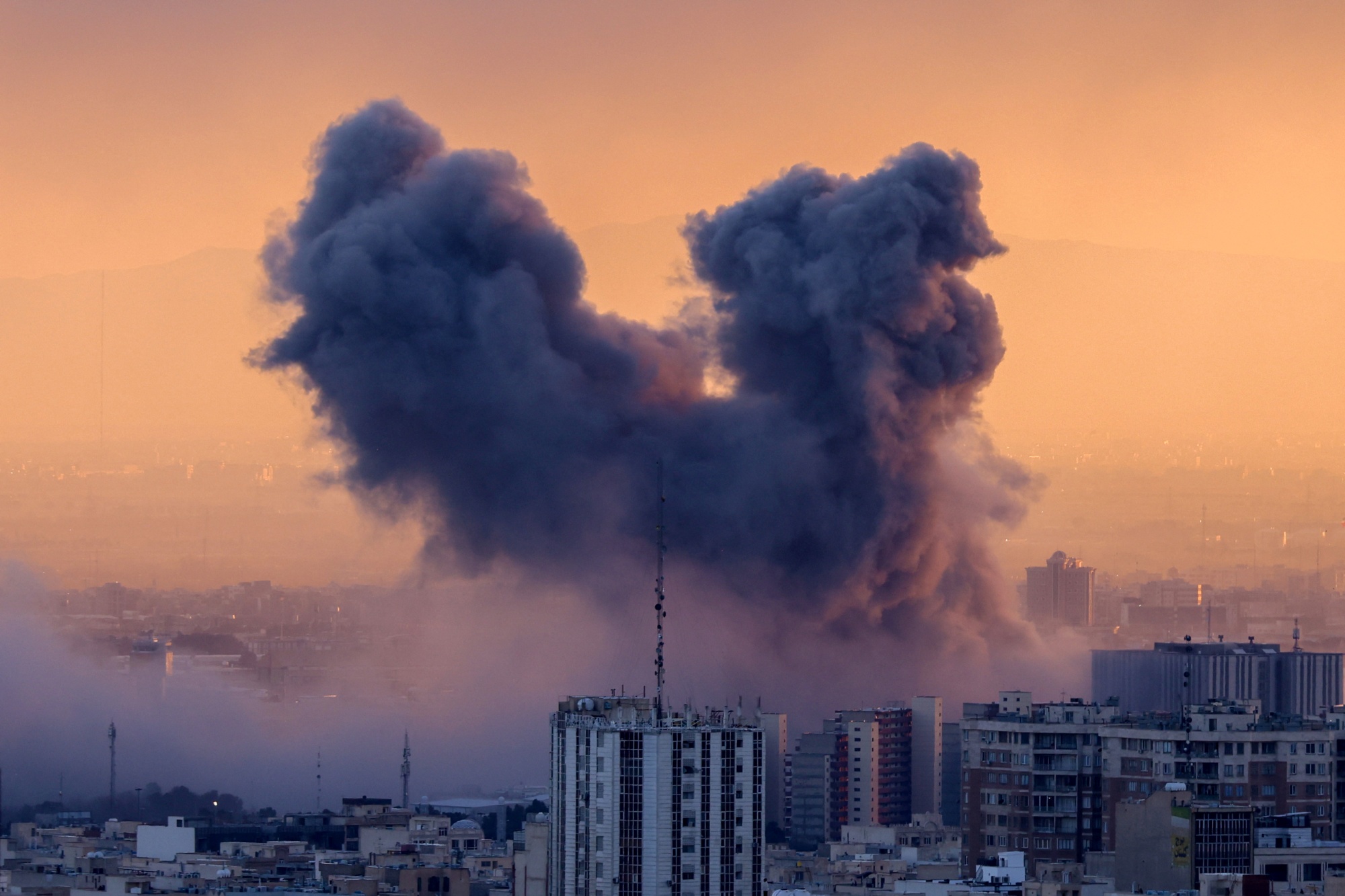 Smoke after a strike in Tehran on March 3. Photographer: Atta Kenare/AFP/Getty Images When Alex Young, the former head of MI6, was asked who had the upper hand, he didn't hesitate. "The reality is that the US underestimated the task and I think as of about two weeks ago lost the initiative to Iran," the British ex-spy chief said in an Economist podcast this week. The real conundrum is the US president's surprise at the resilience of a theocracy born of an Islamist revolution that has responded to attack by digging in deeper. After all, the regime's determination to cling to power was on show earlier this year when the Revolutionary Guards violently crushed internal protests. Trump's disdain of weakness and admiration for autocrats — those with nukes, that is — can't have gone unobserved by Iran. Russia's Vladimir Putin and North Korea's Kim Jong Un have both been rewarded with summits. Now there's talk of a high-level meeting between Iran and the US in Islamabad. To Tehran, that looks like validation of its tactics: maximize the lever it controls, never waver. By shutting the waterway through which a fifth of the world's oil passes, it has effectively brought Trump to the table. Back in 2022, Putin made the miscalculation that Russia could take Kyiv within days. Four years later, the war in Ukraine drags on. Has Trump made a similar mistake in Iran? Tehran has seen what happens without recourse to a nuclear arsenal or program — civil war in Libya, Ukraine invaded. For all Trump's threats, that means even less incentive for Iran to give up its own atomic ambitions. — Flavia Krause-Jackson 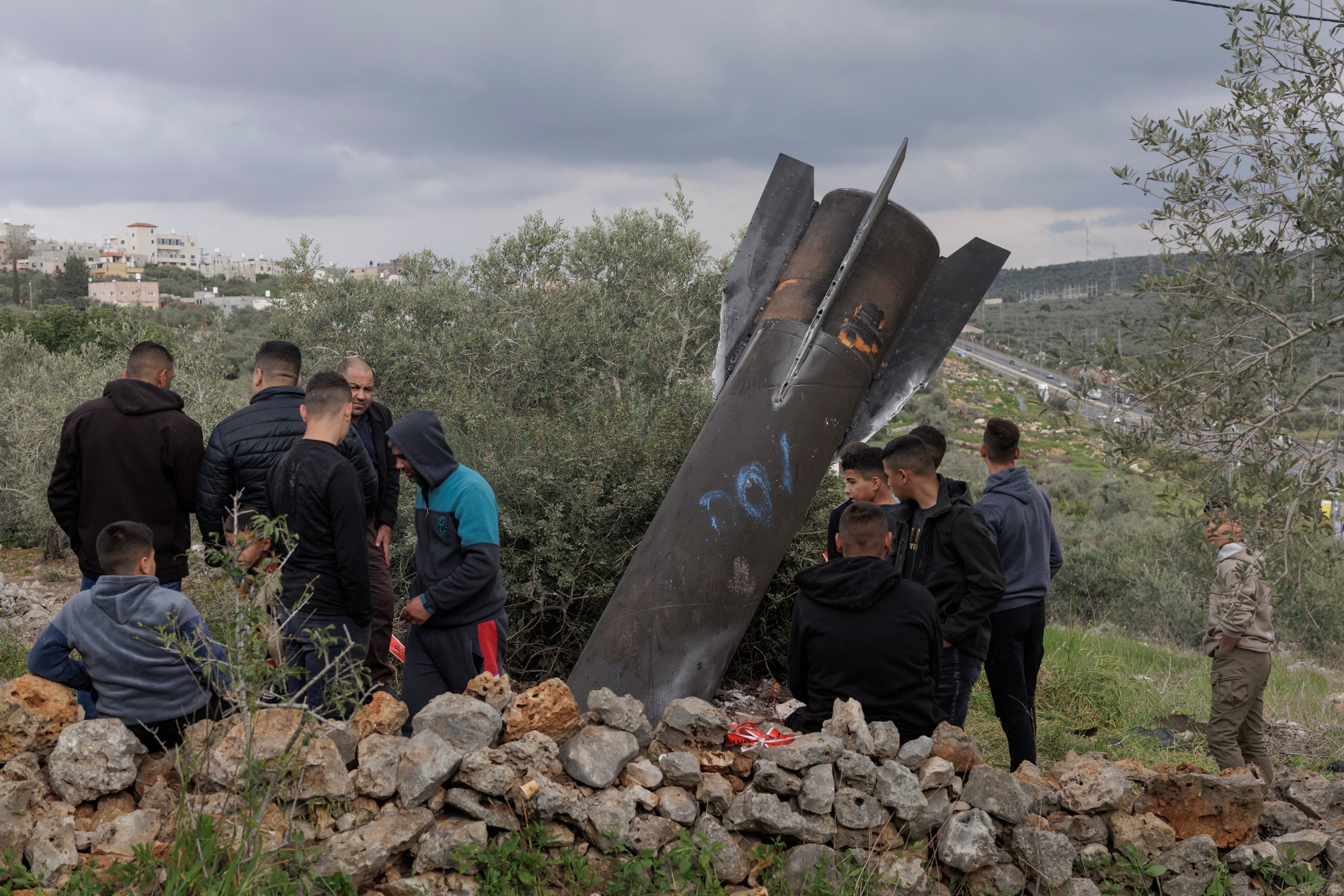 Palestinians inspect the wreckage of an Iranian missile in Kifl Haris, West Bank, on Tuesday. Photographer: Kobi Wolf/Bloomberg Global Must ReadsUS officials are examining what a potential spike in oil prices as high as $200 a barrel would mean for the economy, sources say, a sign the Trump administration is preparing for extreme scenarios from the Iran war. The effort isn't a prediction and is aimed at making sure the government is ready for all contingencies, including a prolonged conflict, they said. 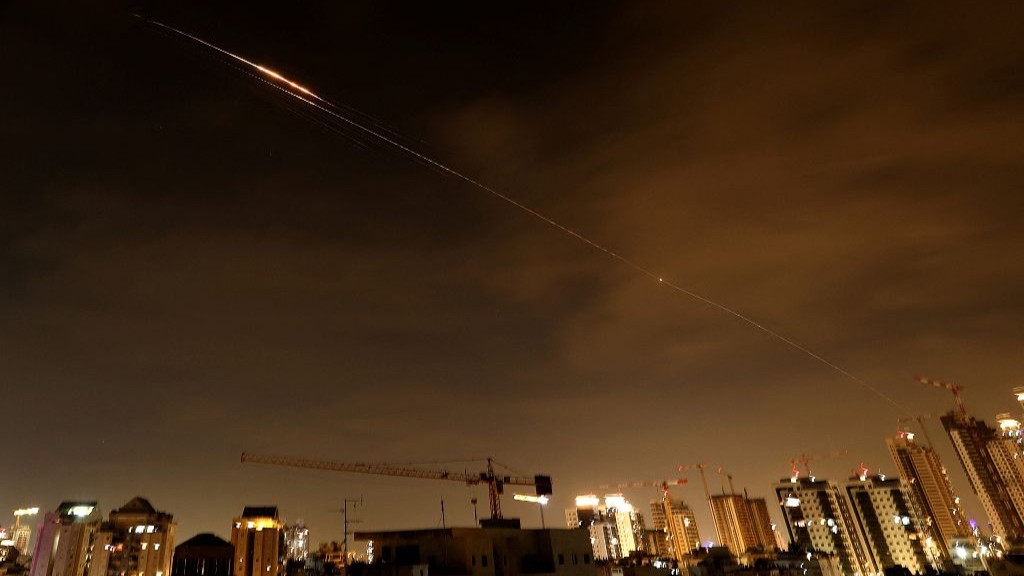 WATCH: Bloomberg's Joumanna Bercetche reports on the latest developments in the Iran war. Governments across Asia are meanwhile preparing for worst-case energy scenarios that could include an extended and severe disruption to supplies. In under a month since the Middle East conflict began, nations have shifted to emergency footing, with work weeks cut short, street lights switched off and gas stations forced to close. The International Monetary Fund is game-planning which economies might be in need of fresh financing if the war drags on. Trump and Chinese leader Xi Jinping will hold their highly anticipated summit in Beijing on May 14-15, following a delay due to the war that brought fresh uncertainty to relations between the world's largest economies. The White House also said Xi would visit Washington this year. Ukraine is struggling to secure fresh commitments from NATO allies to purchase US weapons for its defense against Russia's invasion, Kyiv's envoy to the military alliance said. Currently, a small handful of countries are paying for the bulk of the weapons, and it's becoming difficult for Ukraine to approach the same few countries over and over, Alyona Getmanchuk said. 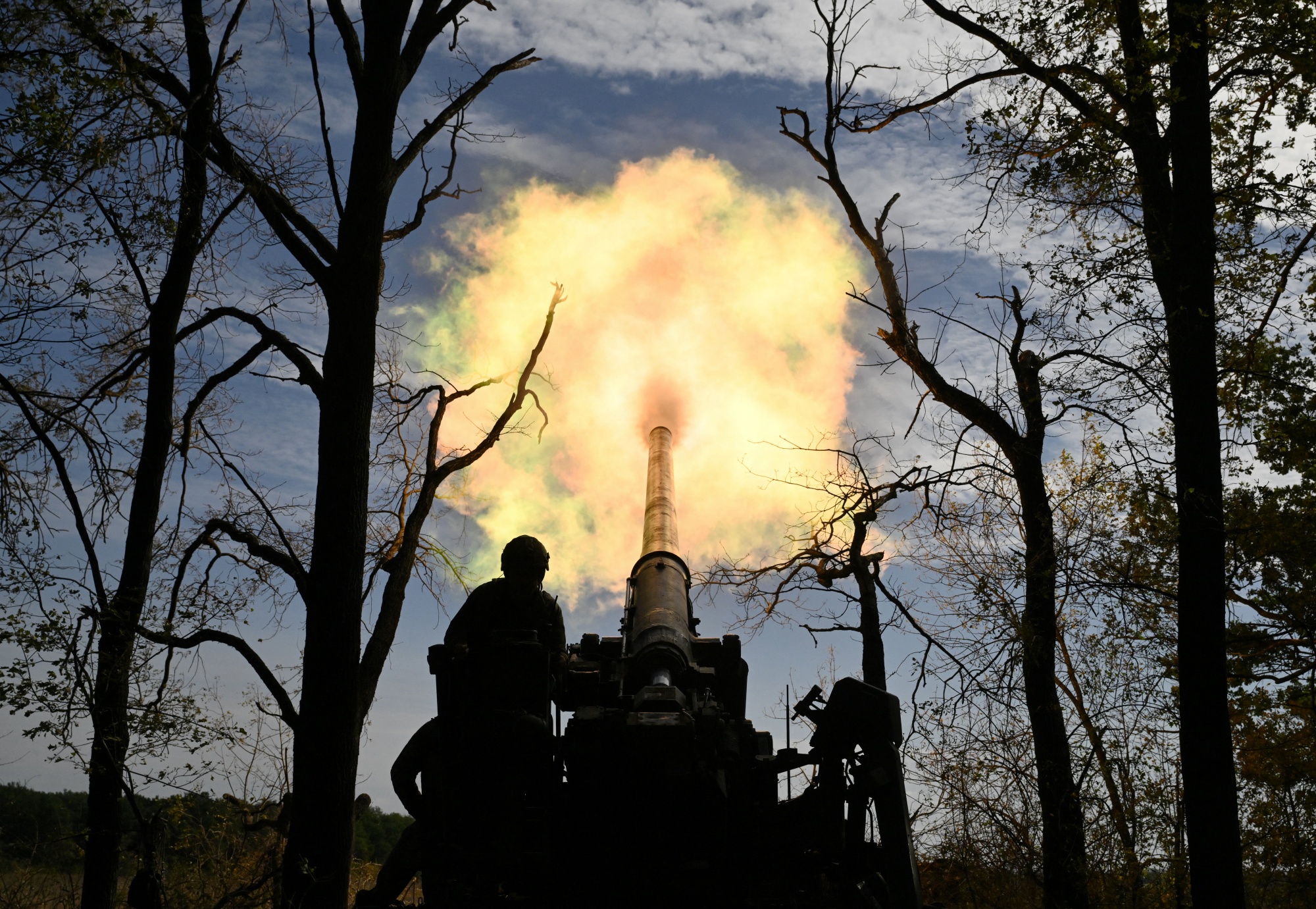 Ukrainian soldiers fire toward Russia in the Donetsk region in September 2024. Photographer: Genya Savilov/AFP/Getty Images The US voted against a UN resolution calling for members to recognize the transatlantic slave trade as a crime against humanity and the need for reparations for African nations. Ghanaian President John Mahama introduced the resolution yesterday, where it passed with 123 votes in favor, with the US joined by Israel and Argentina in opposing the measure. More than 50 countries — mainly from Europe including the UK, Portugal and Spain — abstained. European Union lawmakers finally approved a trade deal with the US today, clearing a key obstacle for the long-delayed agreement despite lingering uncertainty about Washington's tariffs. Officials in Berlin have started mapping vulnerabilities in US supply chains to identify points where Germany and its EU partners could apply pressure, sources say. The UK will stop and board Russian "shadow fleet" vessels in its waters, increasing European pressure on Moscow over tankers exporting sanctioned crude in transactions that help fund the Kremlin's war on Ukraine. Philippine refiner Petron has received a shipment of Russian oil, according to its CEO, after the US issued a waiver allowing the purchase of the crude. 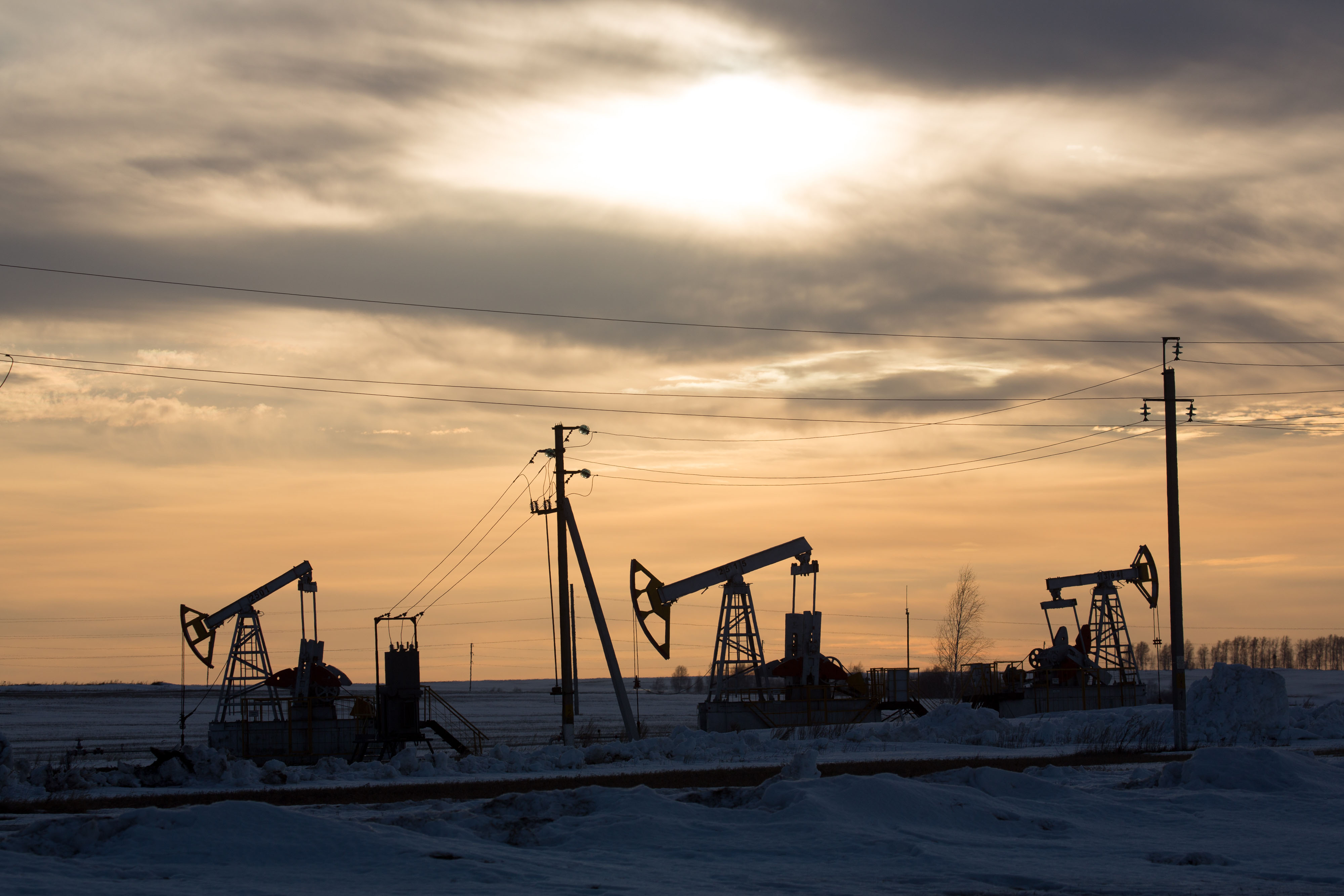 Oil-pumping near Almetyevsk, Russia, in March 2020. Photographer: Bloomberg/Bloomberg Sign up for the Washington Edition newsletter for news from the US capital and watch Balance of Power at 1 and 5 p.m. ET weekdays on Bloomberg Television. Chart of the Day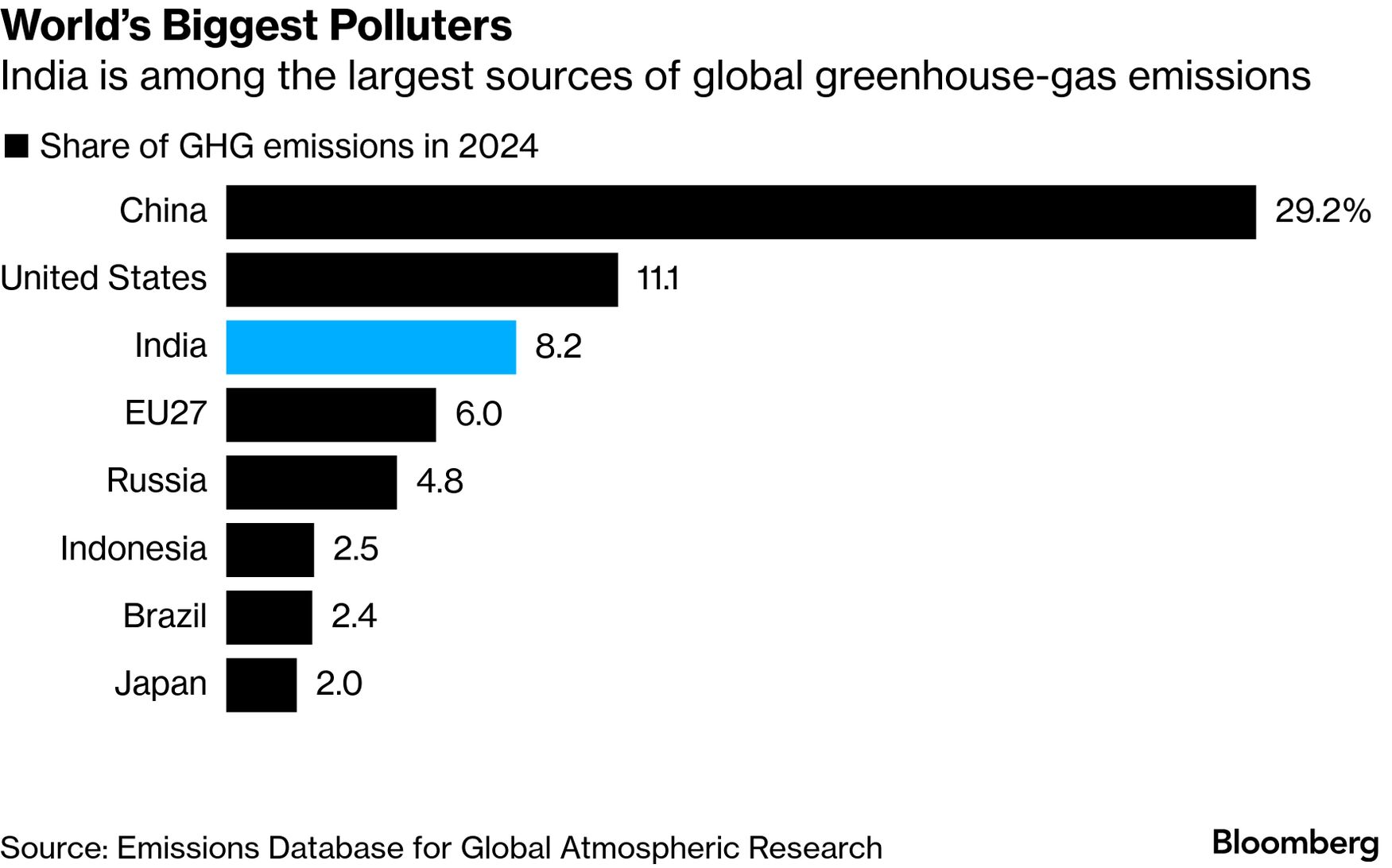 India set a modest target to cut a key emissions metric by 2035, as the world's third-largest polluter attempts to balance growing energy demand and action on global warming. A new goal to reduce emissions intensity — the amount of pollution generated per unit of gross domestic product — is calculated against a baseline year of 2005, and makes only an incremental advance on the nation's prior commitments. And FinallyArmando Labrador, owner of a plastic-surgery clinic in Miami, dreams of being Cuba's next president. He leads a group of dissidents called Cuba Primero that organizes protests and graffiti on the island, amassing hundreds of thousands of followers on social media. The Cuban exile community in Miami is experiencing a generational shift, with Labrador and other younger leaders emerging at a time when the Trump administration is pushing for change in the country, potentially opening up its battered economy. 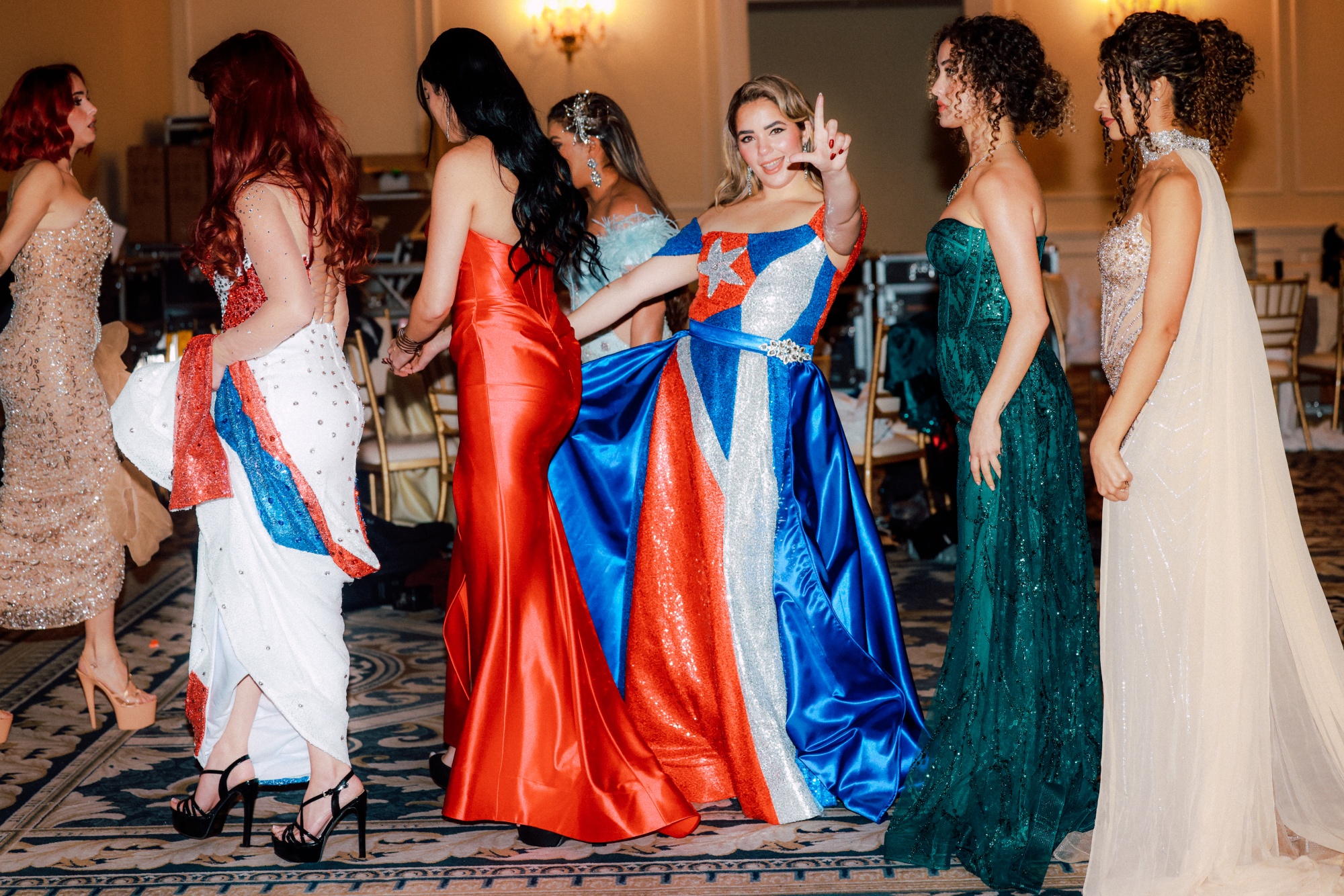 A contestant at a beauty pageant at the Trump National Doral Miami Golf Club in Florida flashes the letter L, a symbol for resistance to Cuba's regime that signifies liberty. Photographer: Ysa Pérez/Bloomberg More from Bloomberg
We're improving your newsletter experience and we'd love your feedback. If something looks off, help us by reporting it here. Follow us
You received this message because you are subscribed to Bloomberg's Balance of Power newsletter. If a friend forwarded you this message, sign up here to get it in your inbox.
|




Singapore Edition: Risk and exuberance
We examine the burst of activity on the real estate scene. ...