| Read in browser | ||||||||||||||
 Welcome to the weekend! A landmark court ruling in California tied the use of YouTube and Instagram to a woman's mental health crisis, in part by zeroing in on one... inexhaustible feature. Which one? Find out with this week's Pointed quiz. Speaking of inexhaustible, this weekend we're looking at how the Iran war is playing in Israel, teens dodging Australia's social media ban, why the AI boom isn't like the '90s, what we get wrong about US history, and the grammar fights roiling prediction markets. Then we'll take a break from our screens to get humbled by Hyrox. Watch live coverage on Bloomberg This Weekend, which airs from 7-10am ET on Bloomberg TV, Bloomberg Radio, Bloomberg.com, YouTube and wherever you get your podcasts. Don't forget to train your brain with today's Alphadots word puzzle, and don't miss tomorrow's Forecast. For unlimited access to Bloomberg.com, please subscribe. Beware a VacuumFour weeks into the war in Iran, public support remains high in Israel, where there is less appetite to end hostilities quickly. That stance could prove costly if it drifts too far from the views of countries Israel relies on for trade, research funding and security, says Dr. Shira Efron of RAND. "It matters what the world thinks," Efron tells Mishal Husain. "Relationships matter." The risks of operating in a vacuum also extend to the economy. Today's AI boom is being cast as a replay of the 1990s, with US Treasury Secretary Scott Bessent and others in the Trump orbit arguing that an investment surge will deliver a similar productivity windfall and allow for lower interest rates. The problem, Chris Anstey writes, is that the comparison leaves out half the story. Placing AI's ascendance in context means grappling with tech backlash, too — just look at social media. After years of complaints, Australia has enacted a world-first ban on under-16s, and other countries are watching closely. But early signs suggest older teens may already be too entrenched. The ban will be a "slow burn rather than a silver bullet," one academic tells Rosalind Mathieson and Joe Flynn. Even fitness isn't immune to the power of context. When Tiffany Ap signed up for Hyrox — a race built on a simple loop of running and workout stations — she expected to just get faster and stronger. Instead, she found a phenomenon tailored to today's gym culture: standardized, highly trackable, primed for social sharing and anchored in a real-world community. Would This Bet Pay Out?There's a term in prediction markets for a bet that resolves on a technicality: a rulescuck. Kalshi's "mention markets," where users wager on a specific word being said, are proving fertile ground for such debates. See if you can guess how these bets resolve:
(Hint: You only win two out of three.) Conversation StartersAmerica's biggest turning points aren't really turning points. Events like 9/11 or Jan. 6 feel decisive, but history moves more slowly. While cycles of backlash are normal, they also make a clean break from Trump unlikely. Liberal institutions need to think more like their enemies. "Red teaming," a tactic used in cybersecurity and the military, forces organizations to adopt an adversary's perspective and expose their own blind spots. Catching criminals matters more than punishing them. Research shows the likelihood of consequences — not their severity — does most to deter crime, with leniency often outperforming harsher sentences. National capitalism has a blind spot. Larry Fink's push to "grow with your country" fits the moment. But diversification means investing beyond your own borders, so keeping capital at home risks missing returns. Delivery Face-Off"Rural America is often overlooked. This is the opportunity Amazon is trying to seize because e-commerce growth is getting harder to come by." Sky Canaves An analyst at EMarketer Inc. Amazon is pushing fast delivery into rural America, conditioning customers to expect next-day service. The prize is a $1 trillion market, but the company is running into a formidable local rival: Walmart. Is It Worth It?The Fear of 13: Yes. Adrien Brody and Tessa Thompson anchor this Broadway drama, a wrongful-conviction story developed with the Innocence Project. Red Lobster's $20 Endless Shrimp: Not if you're Red Lobster. The viral, all-you-can-eat deal packed tables but added to the chain's financial woes. A $250,000 MBA: It depends on your means. Elite programs still deliver big returns, but cheaper schools can offer far better bang for your buck. The $600 Sony Bravia 3 II: If ports are your priority. The TV's four HDMI 2.1 inputs make it ideal for multiple consoles, but picture quality is meh. A $100 yakitori omakase at Hong Kong's Torikaze: Yes. This 16-seat counter serves Tokyo-style chicken skewers at a relative bargain. 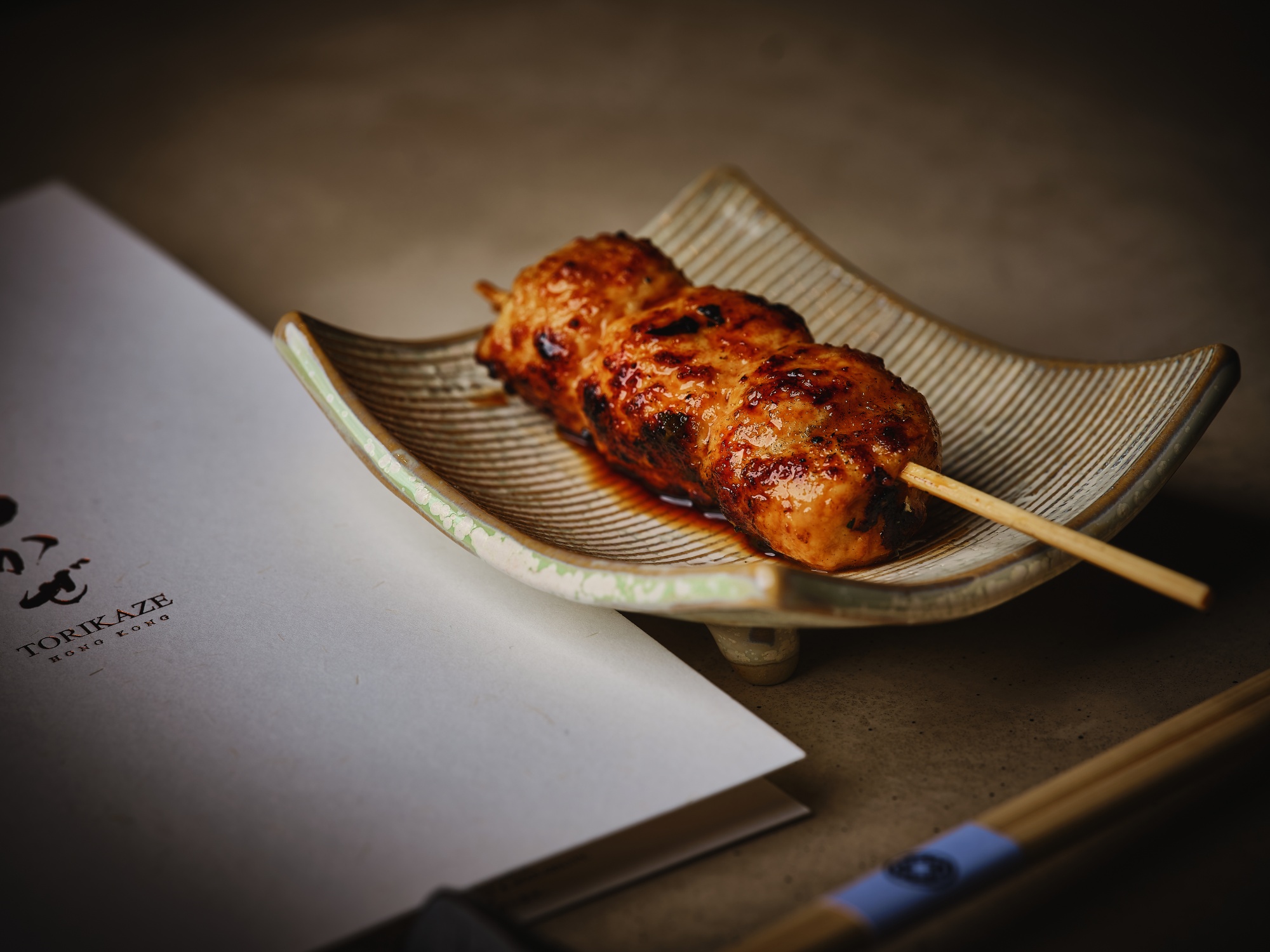 Photographer: Torikaze What Everyone's Reading
One Last ThingMore from BloombergEnjoying Bloomberg Weekend? Check out these newsletters:
Explore all newsletters at Bloomberg.com. We're improving your newsletter experience and we'd love your feedback. If something looks off, help us fine-tune your experience by reporting it here. Follow us
You received this message because you are subscribed to Bloomberg's Bloomberg Weekend newsletter. If a friend forwarded you this message, sign up here to get it in your inbox.
|