| Read in browser | ||||||||||||||
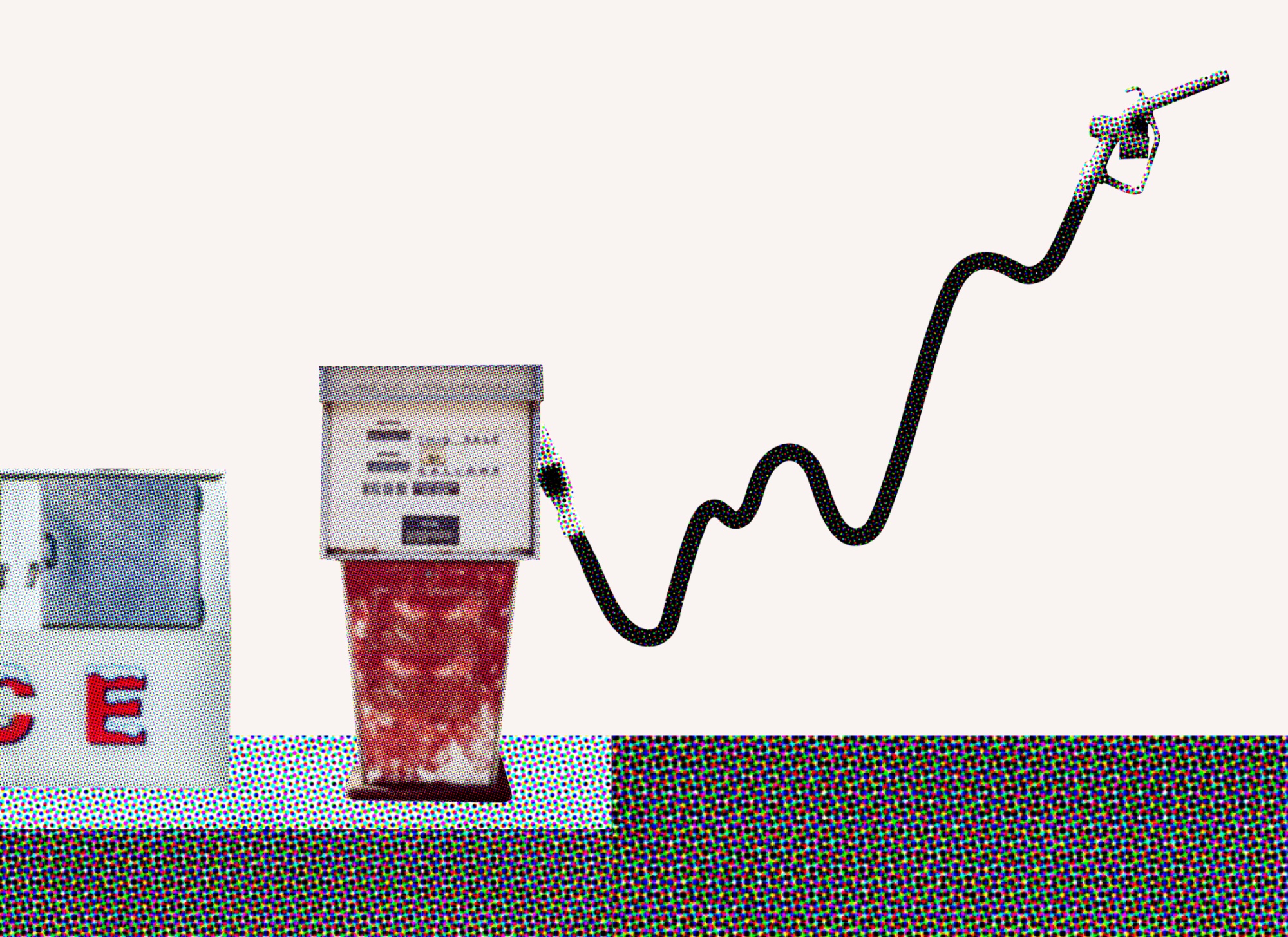
 The US-Israel war with Iran has triggered a major spike in oil prices. Violent rhetoric from Washington and threats of broader retaliation by Tehran have left no visible off-ramp in site. A diving stock market and worried consumers are facing down grim implications for unemployment and inflation across America— and indeed around the world. For investors, it's bad news all over. Throw in a budding private credit crisis, and you might just have an economic disaster on the horizon. Bank of America's Michael Hartnett on Friday zeroed in on two of its potential components—oil and private credit—when he warned that this current state of affairs reminds him of, you guessed it, 2008. 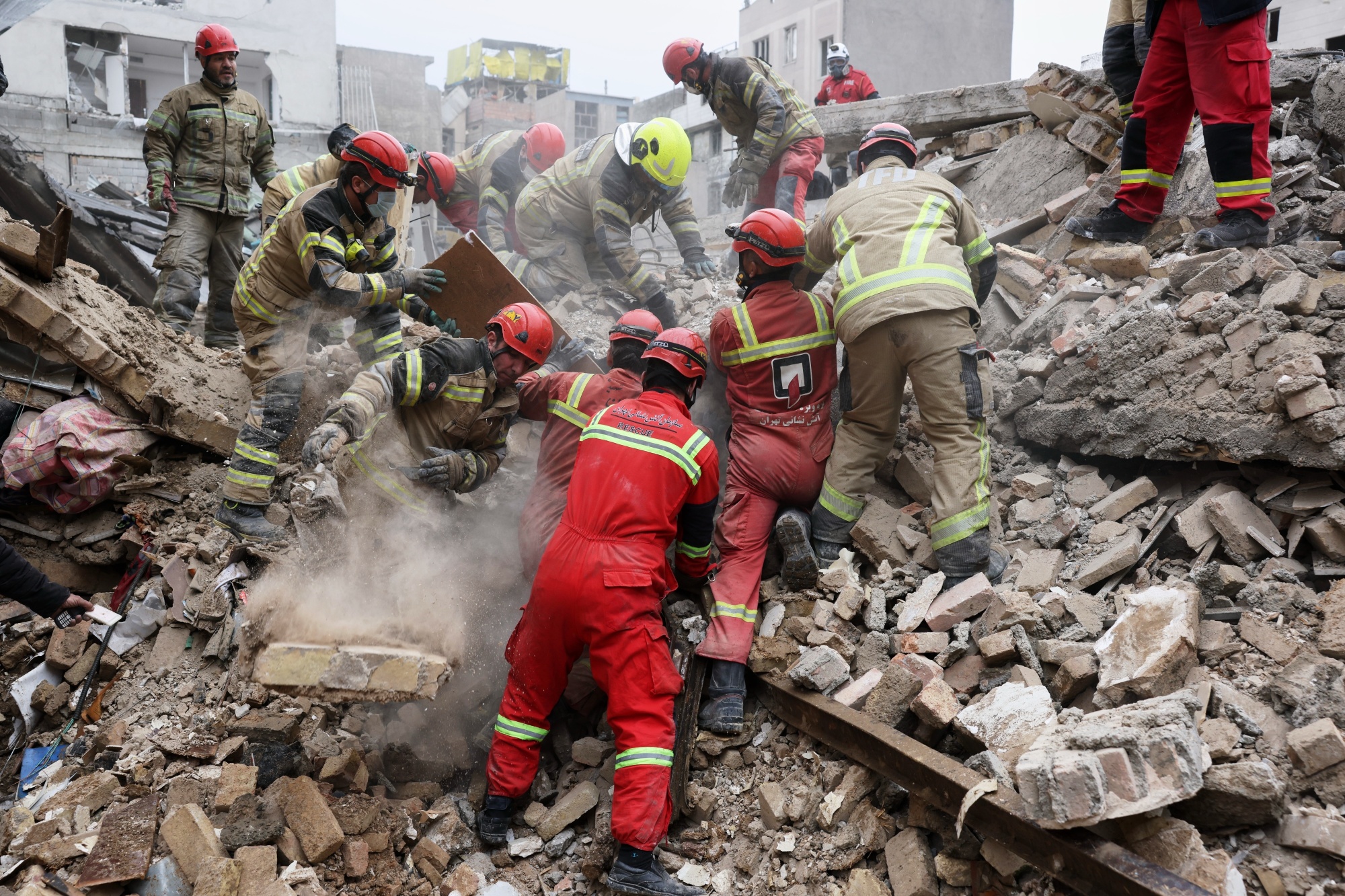 Rescue workers search for survivors in the rubble following an airstrike on Tehran Friday by US and Israeli forces. Photographer: Sajjad Safari/AP Photo The strategist flagged how oil doubled to $140 a barrel by August 2008 from $70 in July 2007, accompanied by "subprime tremors" that eventually became a Wall Street-induced earthquake that nearly broke the global financial system. For the moment, the market consensus is the Middle East conflict won't last too much longer. And Hartnett said the issues with private credit aren't systemic. But this is encouraging continued bullish positioning as investors bank on their view that policymakers always ride to Wall Street's rescue. And that's the kind of thinking that may remind one of 2008 as well. —David E. Rovella What You Need to Know TodayBrent crude settled above $100 a barrel for the second straight session, ending the day at the highest level of the international benchmark in more than three years. US crude futures lingered near their highest point since July 2022. Millions of barrels of oil remain trapped in the Persian Gulf and traffic through the vital Strait of Hormuz is effectively at a standstill. In the US, gasoline prices are already at their highest levels in about two years. Donald Trump meanwhile continued to issue threats against Tehran as the US and Israeli militaries bombed Iran and Lebanon. Almost 2,600 people have died in the war, most of them in Iran, latest tolls from officials and non-government agencies show. Almost 700 people in Lebanon have been killed by Israel, where it's been targeting Iran-allied Hezbollah. Dozens of others have been killed across the region in retaliatory strikes by Iran. US consumer sentiment declined to a three-month low as fears mount about the war's impact on gas prices, according to a University of Michigan survey. Sentiment may further succumb to higher costs if the war continues, as Americans already face continuing affordability issues. A fragile labor market, illustrated by a weak February jobs report, could also further dampen spirits. 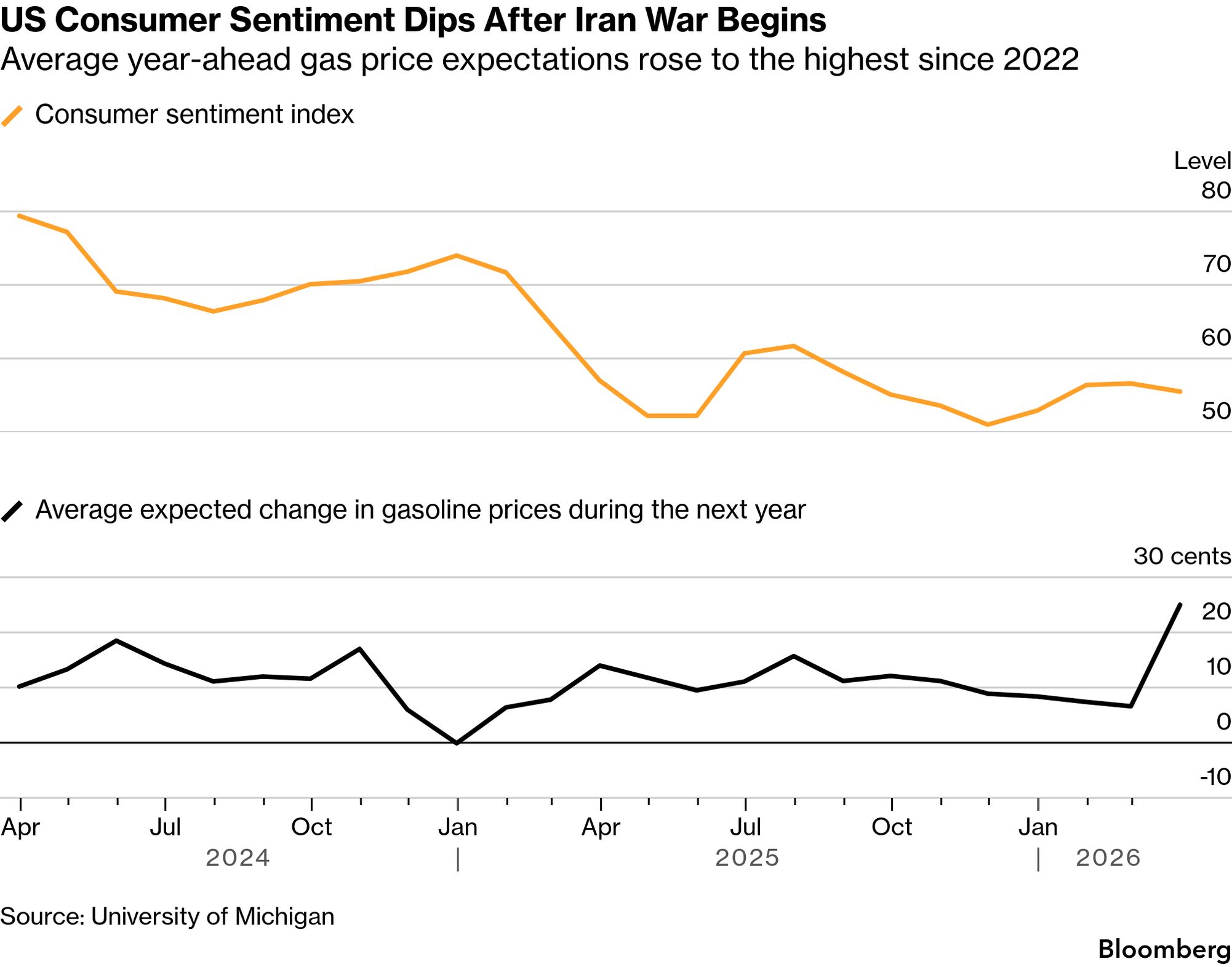 Additionally, for Federal Reserve officials who are widely expected to hold interest rates steady at their policy meeting next week, uncertainty about the inflation outlook risks limiting prospects for a rate cut over the coming months. "Going forward, any tightening in world energy markets will provide further upward pressure on gas price expectations and will likely push overall inflation expectations higher as well," said Joanne Hsu, director of the Michigan survey. A federal judge slammed the Trump administration for attempting to launch a criminal investigation of Fed Chair Jerome Powell, rejecting subpoenas in the latest defeat for a Justice Department increasingly seen as weaponized by the president in pursuit of his perceived enemies and political agenda. US District Judge James Boasberg said the government had advanced no evidence to justify the subpoenas and said they clearly reflected an "improper motive" of retaliating against Powell over policy differences. "A mountain of evidence suggests that the government served these subpoenas on the Board to pressure its Chair into voting for lower interest rates or resigning," Boasberg said. "The government has produced essentially zero evidence to suspect Chair Powell of a crime; indeed, its justifications are so thin and unsubstantiated that the court can only conclude that they are pretextual." The administration said it would appeal. The Magnificent Seven fell into a correction Friday as investors flee risk assets amid concerns about the health of the artificial intelligence trade and tension stemming from the war. A Bloomberg index of the huge tech companies closed more than 10% below its October record, the technical level that indicates a correction. The index, which declined 1.6% Friday after falling 1.9% on Thursday, had briefly fallen below the level on an intraday basis multiple times in the recent weeks but had yet to close there. 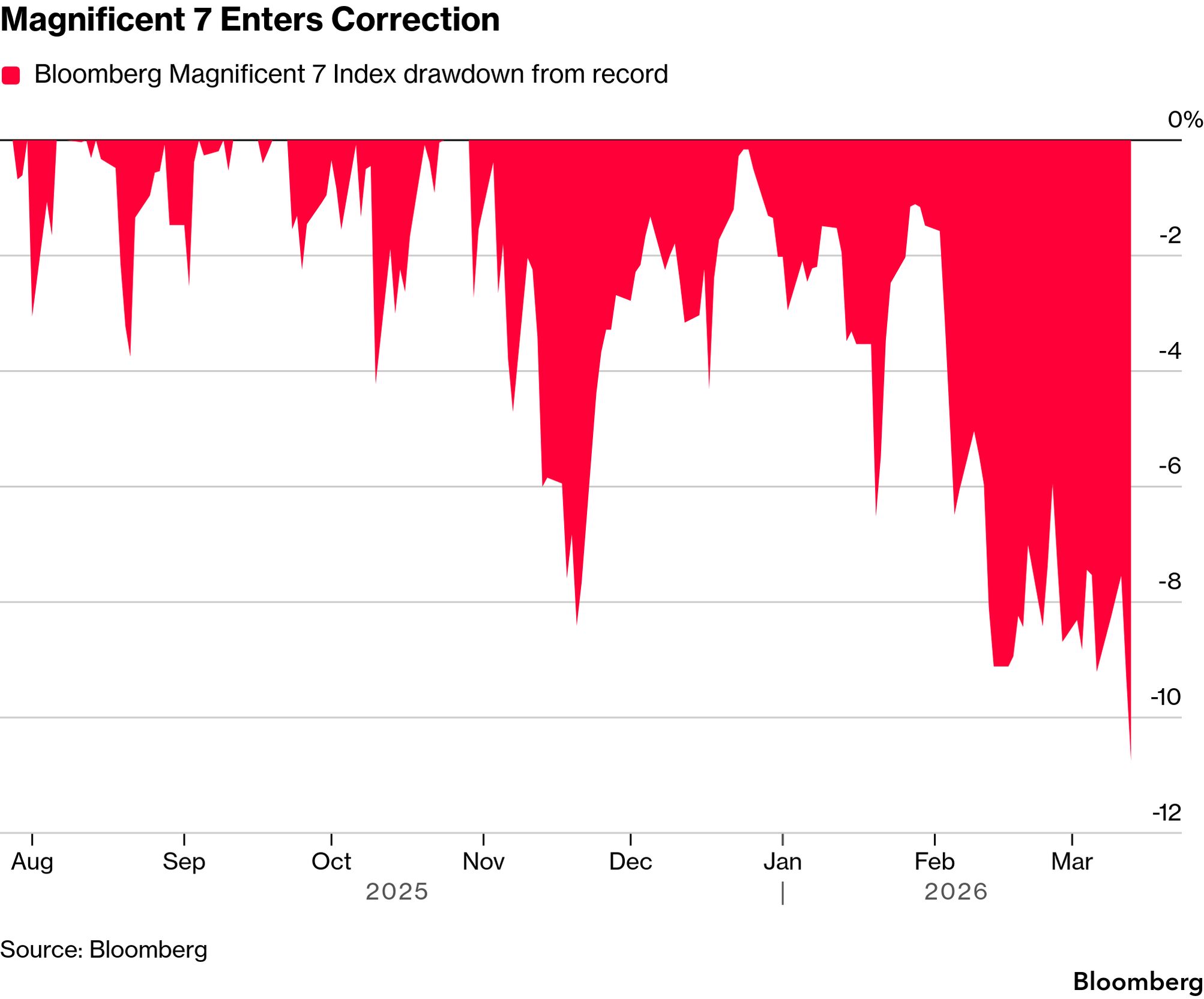 Peru's worst domestic energy crisis in years is nearing an end following the repair of a key natural gas pipeline. But it's set to leave behind a temporary spike in inflation nearly two weeks after a major leak forced the nation's main natural gas fields to stop shipping fuel. The crisis led to fuel rationing just as global prices spiked due to the war in Iran, and laid bare the cost of Peru's reliance on those pipelines for much of the functioning of its economy. Natural gas accounts for around a third of Peru's electricity supply and also is used to fuel vehicles more cheaply than with gasoline. What You'll Need to Know TomorrowFor Your CommuteMore from BloombergEnjoying Evening Briefing Americas? Get more news and analysis with our regional editions for Asia and Europe. Check out these newsletters, too:
Explore all newsletters at Bloomberg.com. We're improving your newsletter experience and we'd love your feedback. If something looks off, help us fine-tune your experience by reporting it here. Follow us
You received this message because you are subscribed to Bloomberg's Evening Briefing Americas newsletter. If a friend forwarded you this message, sign up here to get it in your inbox.
|








Beacon no more
Milei risks becoming one conservative leader among many ...