| Read in browser | ||||||||||||||
 New York's governor has a complicated relationship with the climate. On the one hand, she wants to build more carbon-free nuclear power, and she (eventually) backed New York City's congestion pricing. On the other, she just put out a proposal to upend the state's landmark climate law. Today's newsletter looks at the proposal and why she wants the state legislature to push back emission targets. Plus, your weekend read on the risk of robotaxi gridlock and your weekend listen to what's next for the United Nations' big climate report. Shifting prioritiesNew York has one of the nation's most aggressive climate laws, but that may change if Governor Kathy Hochul has her way. On Friday, she proposed watering down the law requiring the state to slash emissions 40% by 2030. It's part of an ongoing saga around the Climate Leadership and Community Protection Act, from lawmakers failing to pass a regulatory framework to raise revenue for implementation to environmentalists suing Hochul for slow walking measures to cut emissions. 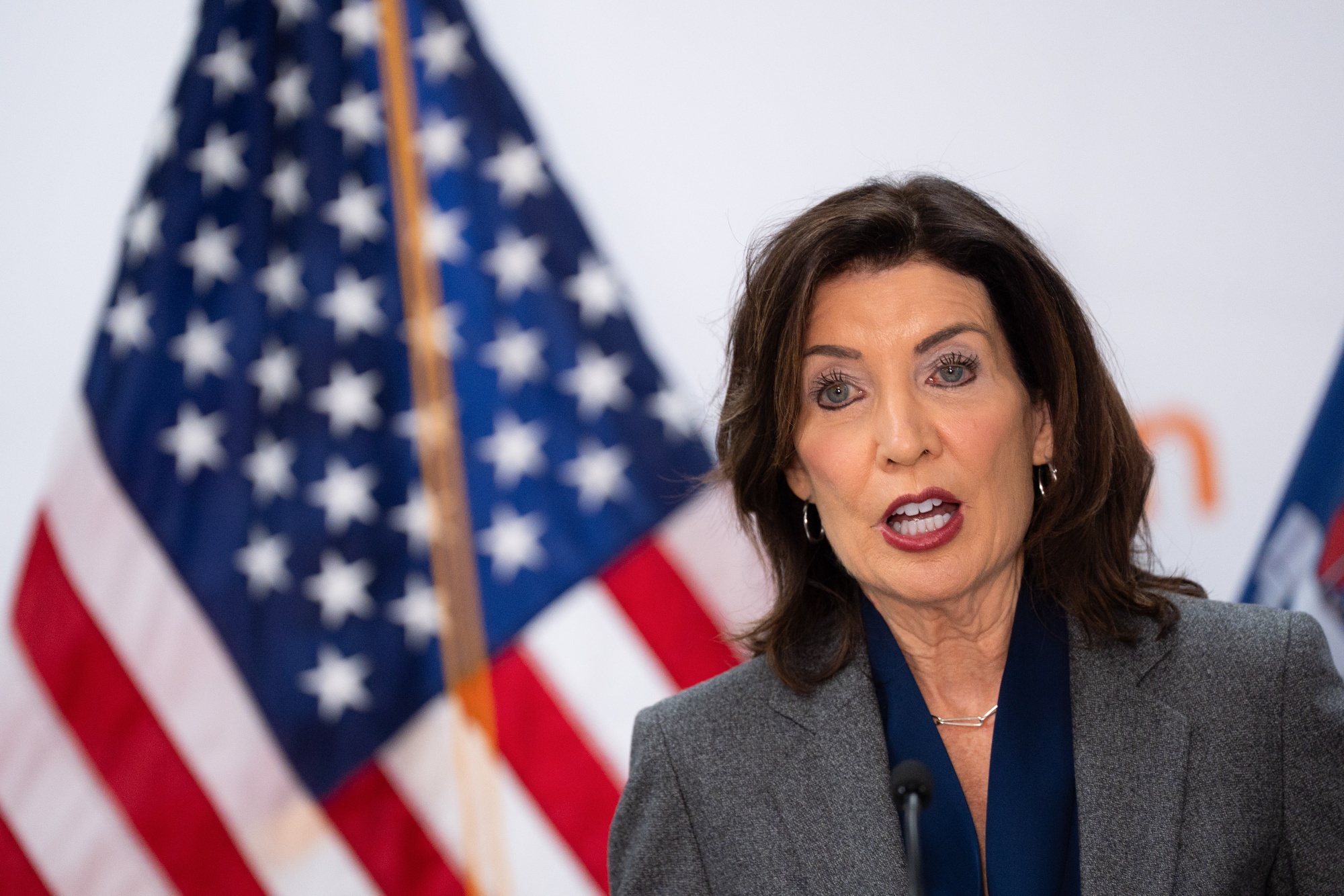 Governor Kathy Hochul Photographer: Adam Gray/Bloomberg At the center of the debate is how to deal with the affordability crisis. Data center energy demand has sent prices climbing, and the Iran War is only adding fuel to the problem. Meeting the 2030 deadline would drastically drive up energy bills for New Yorkers, said Hochul, a Democrat. Hochul's proposal sets a new emissions reduction target for 2040. She's also seeking more time to enact a regulatory framework after a lawsuit with environmentalists pressured her to take action by proposing that implementing a cap-and-invest program to fund emissions reductions happen in 2030. Advocates for the law's original timeline called the proposal a win for the oil and gas industry. They also argued that renewables are the fastest and cheapest form of energy to install and the best way to bring down bills by reducing dependence on fossil fuels. "The main effect of these proposed changes is to allow the Hochul administration to do nothing for at least the next four years," said Rachel Spector, deputy managing attorney at Earthjustice, an environmental law organization. "These proposals will do nothing to benefit New Yorkers. The only beneficiaries would be Hochul, along with gas utilities and corporate polluters." Now, it's up to the legislature to decide what to do with the proposal. Hochul is seeking to advance changes through the state's budget, which is due April 1 The proposal comes as the Trump administration slashes emissions regulations on a much larger scale. Blue states have held themselves up as a bulwark against the administration's actions. But Hochul's proposal complicates that narrative, and some state legislators have urged the governor not to delay implementation, including State Senators Pete Harckham and Liz Krueger. "If a very blue state like New York moves backwards on climate change as well, that's a negative sign for the country," said Michael Gerrard, a Columbia University law professor who directs the Sabin Center for Climate Change Law. "If you can't do it here, can you do it anywhere?" Read more about Hochul's proposal. Cost considerations103% The percentage increase in days with at least five inches of rainfall in the Northeast since the late 1950s. Those and other impacts of climate change come at a cost, too. West Coast competition"We are going to assert ourselves, we're going to lean in, and we're going to compete." Gavin Newsom Governor of California Newsom has touted his state's efforts to slash emissions, though they've been complicated by rising gas prices and oil refiners' threat to shut down operations in the state. Readers really liked🇺🇸The US is planning its first new coal plant since 2013 Your weekly readThis week, Uber announced it's investing up to $1.25 billion in Rivian's robotaxi bet. It's the latest sign that the driverless car industry is growing and likely to play a role in transportation in more cities in the coming years. That expansion can come at a price, though: gridlock. That's already been an issue in San Francisco, where robotaxis operate on the city's streets, and it could spread. This weekend's read comes from CityLab's David Zipper and looks at why AVs can worsen congestion and this one weird trick to help ease it. 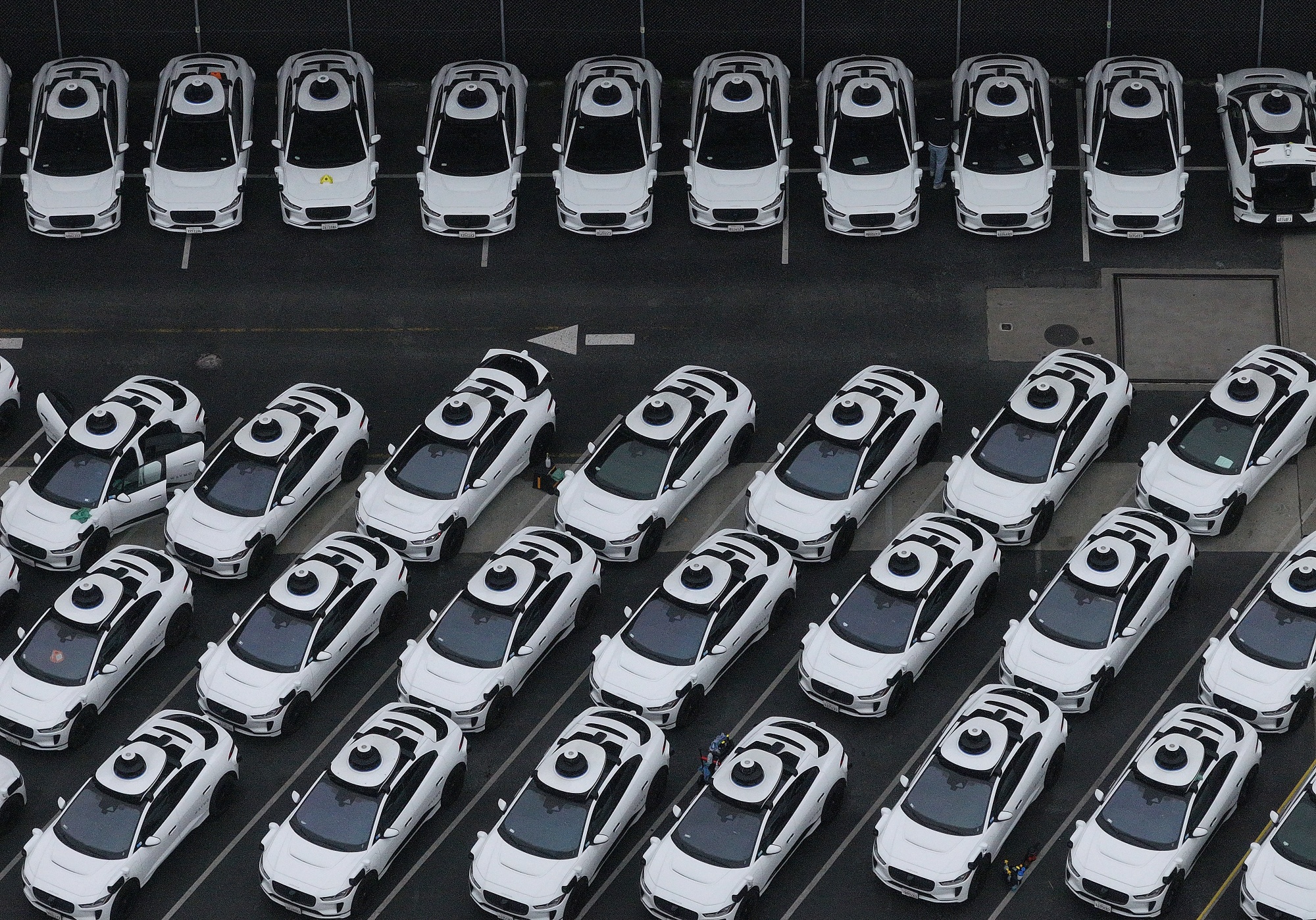 An aerial view of Waymo robotaxis in San Francisco. Photographer: Justin Sullivan/Getty Images North America Close your eyes and imagine a future featuring ubiquitous autonomous vehicles. What do you see? Perhaps you envision gleeful commuters freed from the daily tedium of driving themselves to and from work. Maybe you think about passengers dozing, watching videos or taking calls as their robot cars whisk them to their destinations. You might picture quieter, cleaner cities; since AVs are typically electric, they emit a gentle hum rather than the roar and pollution of gas-engine vehicles. Whatever scene you conjure, it probably doesn't feature roadways choked with traffic. But it should. If and when self-driven vehicles become widespread, research and common sense both suggest they will cause car use to spike. In congested environments, even a slight uptick in the number of vehicles can dramatically slow everyone else on the roadway. The implication: Cities full of AVs will endure more and lengthier traffic jams. An AV-inspired surge in driving would be a disaster for cities as well as the environment, but it is not inevitable. The single best way to avoid it: Harness the power of road pricing. As economists have long argued, a fundamental flaw in American roadway management is the failure to charge drivers for the slowdowns they impose on others. If anything, these inefficiencies could be even more acute for AVs, which when deadheading — that is, traveling without a passenger — would worsen congestion without vehicle occupants enduring any of the annoyance experienced by human road users. But road pricing during peak times, such as managed lanes installed on I-66 in Northern Virginia or the congestion pricing cordon in Manhattan, mitigates gridlock by encouraging those with flexible travel plans to drive earlier or later, or perhaps use transit or a bike. Similar charges could force AV companies and their customers to consider the delays they force others to bear (higher fees for deadheading miles seems like an especially smart policy). The amount of these charges can always be adjusted later, as AVs scale. The crucial first step is setting up a policy apparatus that leverages road pricing to keep traffic flowing. The wisest time to enact such reforms is now — before a self-driving surge brings roadways to a halt. Depending on the posture of regulators and the rate at which autonomous technology advances, that moment could be decades away, or it could come much sooner. But in the absence of road pricing, it seems inevitable. Subscribe to Bloomberg News for more analysis of the robotaxi boom. Your weekend listen The United Nations Intergovernmental Panel on Climate Change is responsible for collating our shared scientific understanding of how global warming is impacting the planet. But the body now faces a challenge after the US withdrew funding for its scientists to participate. Professor Jim Skea, who chairs the IPCC, joins Akshat Rathi on Zero to talk about the body's future, whether the organization can survive the US pullback, and what questions the next set of reports are going to answer. Listen now, and subscribe on Apple, Spotify or YouTube to get new episodes of Zero every Thursday. More from Bloomberg
Explore all Bloomberg newsletters. We're improving your newsletter experience and we'd love your feedback. If something looks off, help us fine-tune your experience by reporting it here. Follow us
You received this message because you are subscribed to Bloomberg's Green Daily newsletter. If a friend forwarded you this message, sign up here to get it in your inbox.
|




Meta faces New Mexico trial that could force changes to Facebook, other platforms
A trial beginning in New Mexico on Monday could prompt a judge to order sweeping changes to how Facebook, Instagram and WhatsApp operate - a move Meta Platforms has warned could force it to withdraw from the state. ...