| Read in browser | ||||||||||||||
 Wall Street will have its eyes on the Federal Reserve on Wednesday afternoon as Chair Jerome Powell has an opportunity to weigh in on the economic impact of the war in Iran. Fed reporter Enda Curran has a preview. Plus: International MBA applications are down under Trump (free link), and American designer Todd Snyder noticed a void in the midrange of the fashion marketplace, and now he's filling it. If this newsletter was forwarded to you, click here to sign up. The Federal Reserve has had a lot to think about in recent years. The worst inflation shock in decades, an economy that continues to confound expectations and, ever since the return of Donald Trump to the White House, searing political attacks that threaten the central bank's future. If that wasn't enough, throw in the potential for the biggest energy crisis since the 1970s, sparked by the US-Israel war in Iran. That's the backdrop for Fed officials gathering in Washington today and tomorrow for their regular meeting to decide interest rates. They're expected to keep their policy rate unchanged, in a range of 3.5% to 3.75%, yet Fed watchers will be hanging on their every word to hear how they think the crisis in the Middle East will affect the cost of a mortgage or other loan for American households and businesses in the months ahead. 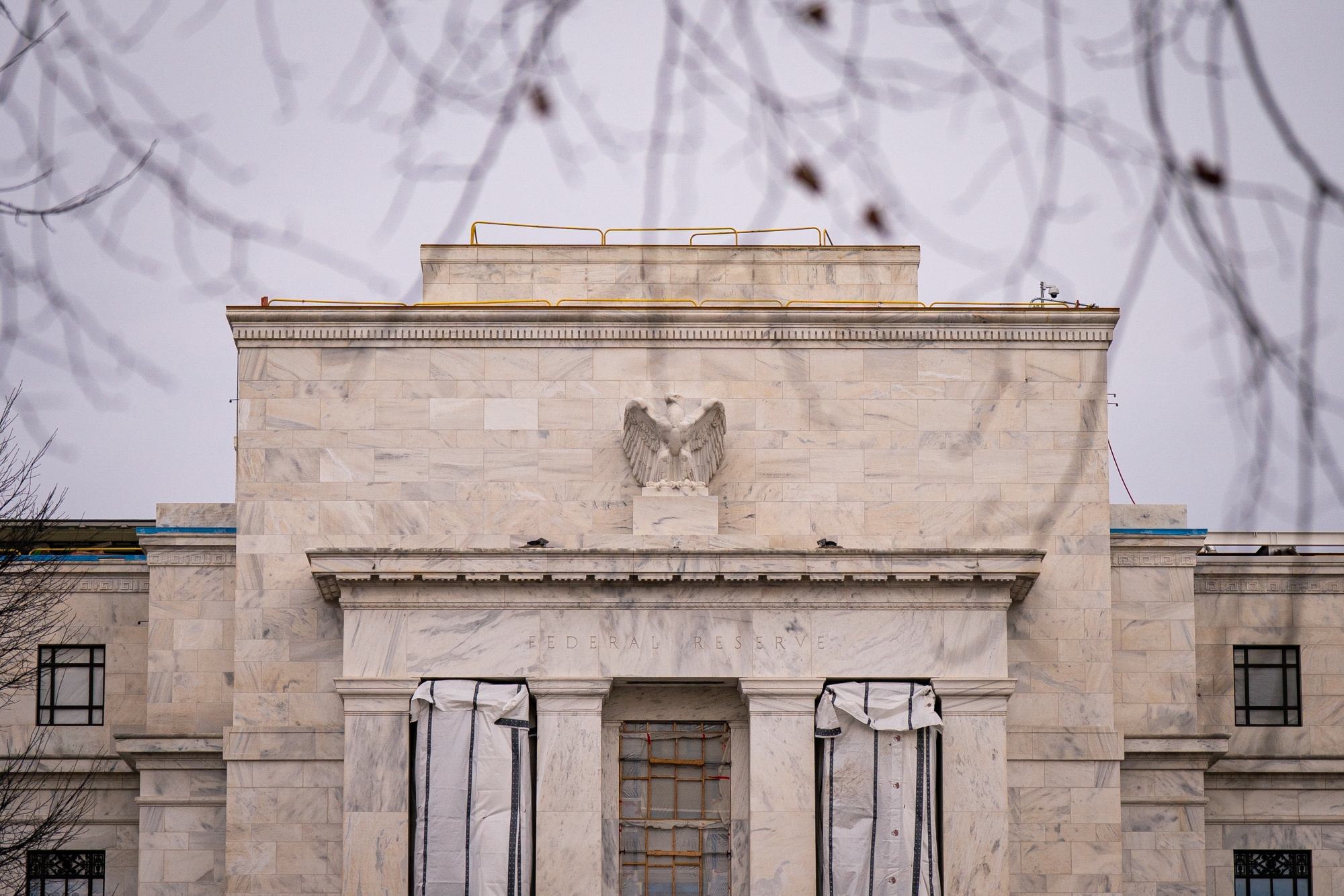 The Marriner S. Eccles Federal Reserve building in Washington. Photographer: Al Drago/Bloomberg As a first step, Fed Chair Jerome Powell will want to soothe nerves and make it clear that officials won't panic, especially given the uncertainty about the war's endgame and how it will influence energy prices. Powell will also want to avoid understating the danger of what may lie ahead. The Fed came under sustained criticism just a few short years ago for labeling the inflation wave triggered by the Covid-19 pandemic as "transitory" only to have to reverse course and hike rates at lightning speed to control prices. Trump has already renewed his calls for the Fed to act in response to the Iran war, lashing out at Powell in a social media post on March 12. "Where is the Federal Reserve Chairman, Jerome 'Too Late' Powell, today?" he posted. "He should be dropping Interest Rates, IMMEDIATELY, not waiting for the next meeting!" The challenge for the Fed will be gauging which impact from Iran is worse: the potential for a near-term spike in inflation as fuel costs jump or the hit to consumers and businesses from having to pay higher fuel bills, which will weigh on their spending and investment plans. Although the former would suggest the Fed may have to raise rates, most analysts say it's more likely that the central bank will ultimately have to cut them to shield consumers from the sting of higher gas prices, which will eventually slow the economy. It's a combination every central banker dreads: a stagflationary combination of slowing growth and rising inflation. We're not there yet, but Powell's comments on Wednesday will begin a new narrative about US interest rates and start the clock on how the Fed eventually responds. One word he'll probably want to avoid: "transitory." Explainer: Why Higher Oil Prices Complicate the Fed's Balancing Act In BriefLatest on the war in Iran
  Watch: Iran War Pushes Diesel Prices Over $5 a Gallon in US More News
B-Schools' Visa Woes International MBA students Shriram Kumar, 31; Caroline (Jingye) Yao, 35; and Zhuo Wang, 27, at the University of Maryland's Robert H. Smith School of Business. Photographer: Charlotte Kesl for Bloomberg Businessweek About a year ago, the admissions team at the University of Maryland's Robert H. Smith School of Business thought they had their incoming fall 2025 MBA class set—about 70 students, give or take. But their plans began to unravel in late May, says Shelbi Brookshire, Smith's assistant dean of marketing and graduate admissions, when the Trump administration paused interviews for student visa applicants around the world. The pause lasted three weeks, ostensibly for consulates to implement protocols for screening applicants' social media use, says Sasha Ramani, head of corporate strategy for MPower Financing, which lends to foreign graduate students in North America. But the backlog the pause created extended through the summer. By the time the next semester started in late August, so many international students were still without visas that the incoming class had been reduced to 36 students. Maryland may be an extreme example, but international students are missing from classrooms at business schools across the country this academic year, Robb Mandelbaum writes: How Trump's Immigration Policies Are Remaking US B-Schools (🎁)  Credit Cards and Stablecoins$1.8 billion That's how much Mastercard said it will pay to acquire the stablecoin infrastructure startup BVNK. Traditional payment networks such as Mastercard and Visa are positioning themselves to retain business as emerging technologies become more prominent. Attainable Fashion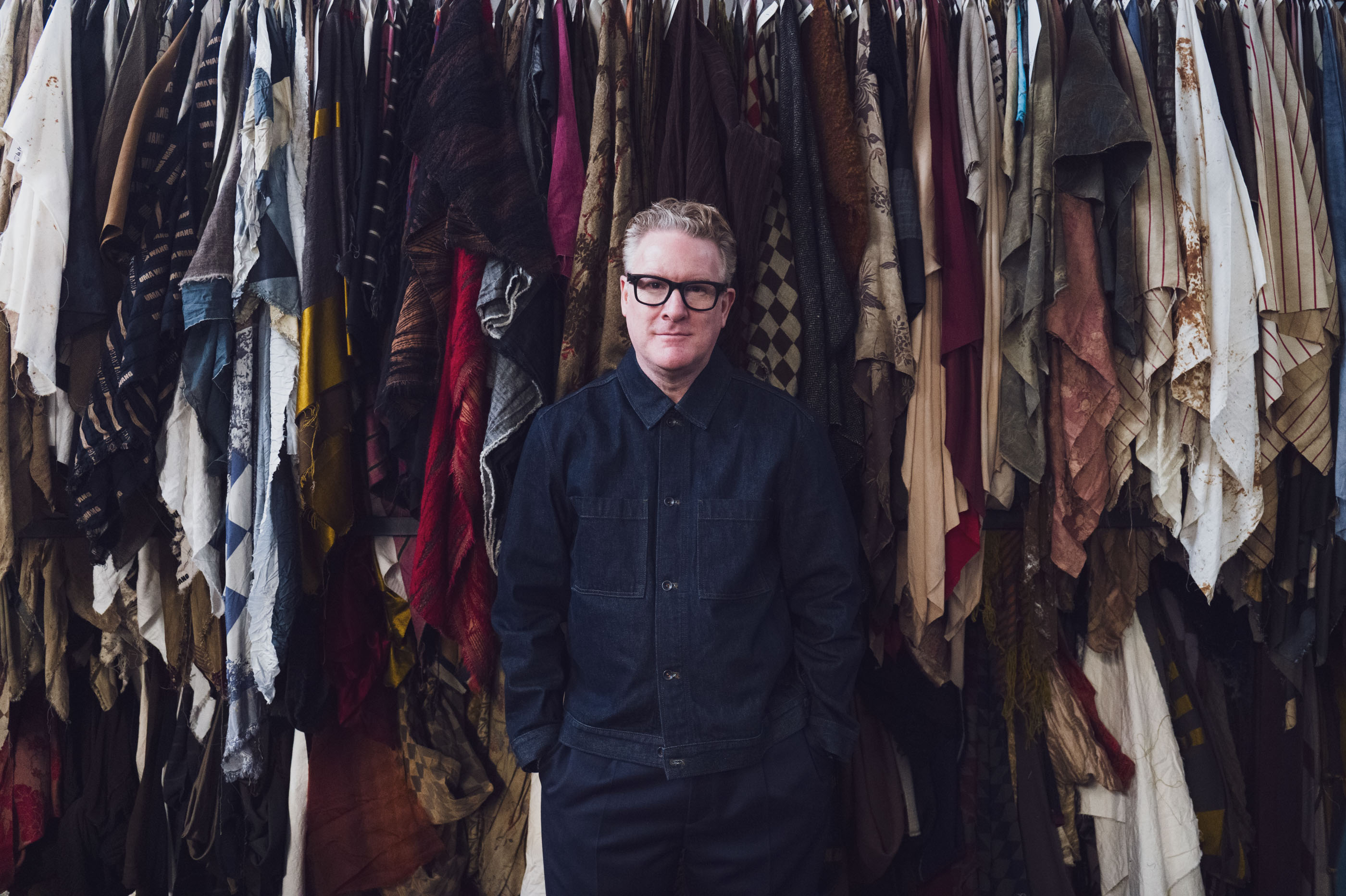 Todd Snyder in front of archive fabrics at the Lyria mill in Tuscany. Photographer: Clara Vannucci for Bloomberg Businessweek Todd Snyder has a headache. The American menswear designer stands outside a warehouse in Tuscany, patting his pockets and trying to find an Advil. We've just emerged from the archives of the House of Lyria, one of the premier mills in the Prato province, the historic heart of Italy's fabric-making industry. Snyder has spent the last couple of days brainstorming with Riccardo Bruni, a wild-haired, elite textile maker, racing through hundreds of tweeds, twills, jacquards and linen-viscose blends. Bruni's vast library of vintage apparel and materials, as well as a tour of his new collections, has set this gentle, soft-spoken giant (Snyder is 6 foot 3) into a bit of a frenzy. He needs a painkiller and, maybe, to sit down. "This is my favorite mill of all time. He doesn't work with just anybody," the 58-year-old says. "This is my Candy Land." Snyder is in Italy to work with Bruni and other artisans on a collection for spring-summer 2027, which is inspired by England's Cotswolds countryside — a typical mood board for a designer obsessed with British tailoring. The timing is perfect: The posh region is hotter than ever as a dreamy getaway for wealthy Americans. Bloomberg Pursuits editor-at-large Chris Rovzar spent some time trailing Snyder to understand his strategy for elevated but approachable fashion: There's a Sweet Spot in Menswear Today. Todd Snyder Is Designing for It Zombie Mortgages"The idea that this would be allowed, that homeowners who thought they were safe are being targeted at a time when people are trying to afford groceries, is unbelievable." Dana Jones Delegate, Maryland State House Debt collectors are blindsiding borrowers with years of back interest on old home loans. States are becoming a flashpoint in the legal battle. Play Alphadots!Our daily word puzzle with a plot twist.  Today's clue: Result of oversharing? More From BloombergLike Businessweek Daily? Check out these newsletters:
Explore all Bloomberg newsletters. We're improving your newsletter experience, and we'd love your feedback. If something looks off, help us fine-tune your experience by reporting it here. Follow us
You received this message because you are subscribed to Bloomberg's Businessweek Daily newsletter. If a friend forwarded you this message, sign up here to get it in your inbox.
|




Highlights from Bloomberg CityLab 2026 in Madrid
The conference kicked off with remarks from the mayors of Madrid, London and more. ...