Hello Power Up readers,
Investors continue to guess what's next in the Iran war, which started almost a month ago. The signs are rather confusing: Iran said it was reviewing a U.S. proposal to end the Gulf conflict, though officials indicated Tehran had no intention of holding talks to wind down the war, while President Donald Trump claimed Iran wanted a deal badly.
At the same time, the U.S. continues to build up forces in the area, and air attacks against Iran continue, as do Iranian drone and missile strikes on Israel and U.S. Gulf allies.
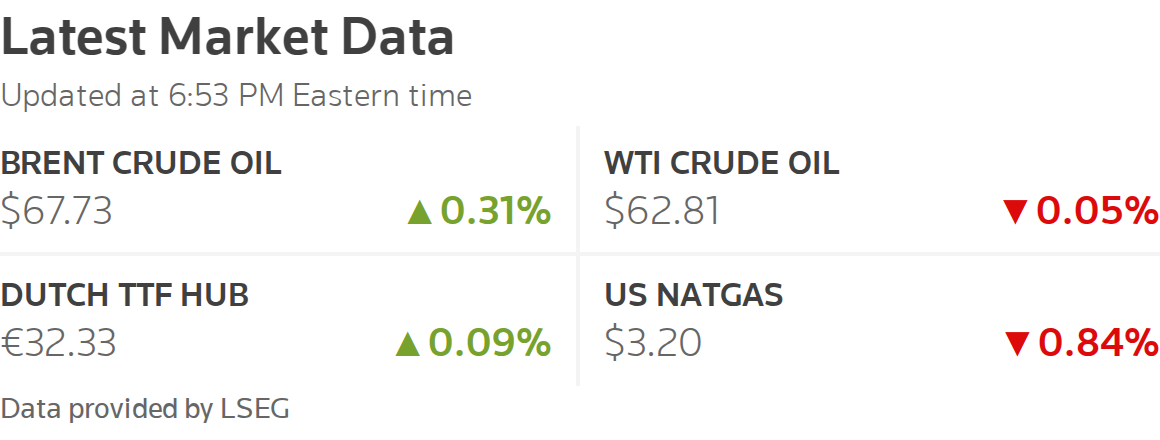
This confusion led to sharp swings in oil prices in recent days. Brent crude remains above $100 a barrel, suggesting the market doesn't expect an imminent end to the conflict.
But for now, the supply disruption in the Gulf continues, with over 10% of global oil supplies and a fifth of liquefied natural gas (LNG) supplies still trapped behind the Strait of Hormuz.
That has roiled Asian economies. The Philippines declared an energy emergency, while many countries are considering work-from-home policies and stimulus measures similar to those put in place during the Covid-19 pandemic.
Thailand's multibillion-dollar fishing industry is nearing a standstill, and tuk-tuk taxi drivers in Somalia's capital are abandoning their livelihoods due to surging diesel prices.
Here in Houston, executives at the CERAWeek conference warned that emergency measures by governments worldwide have fallen short of plugging the huge shortfall in oil and gas supply caused by the war.
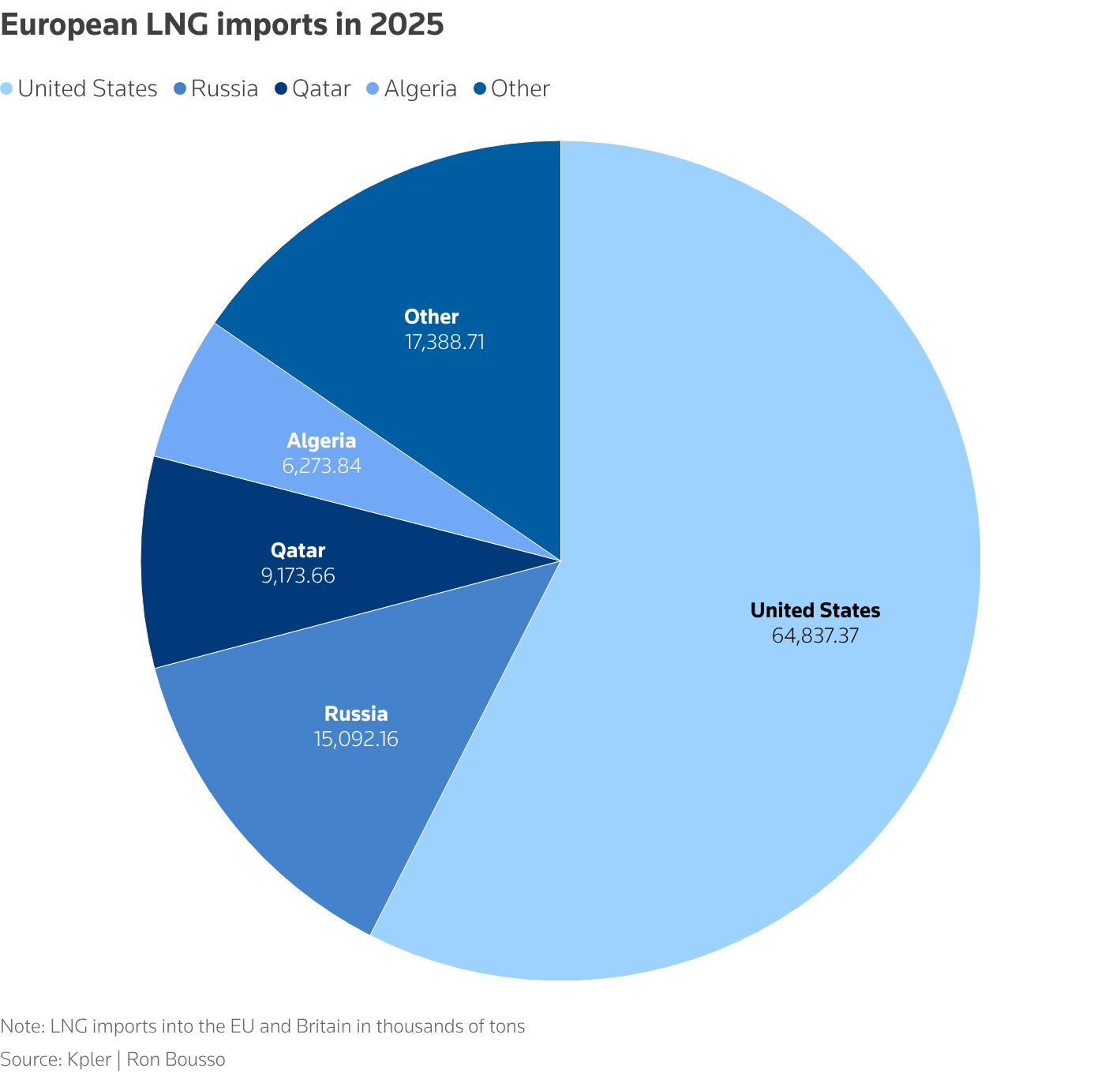
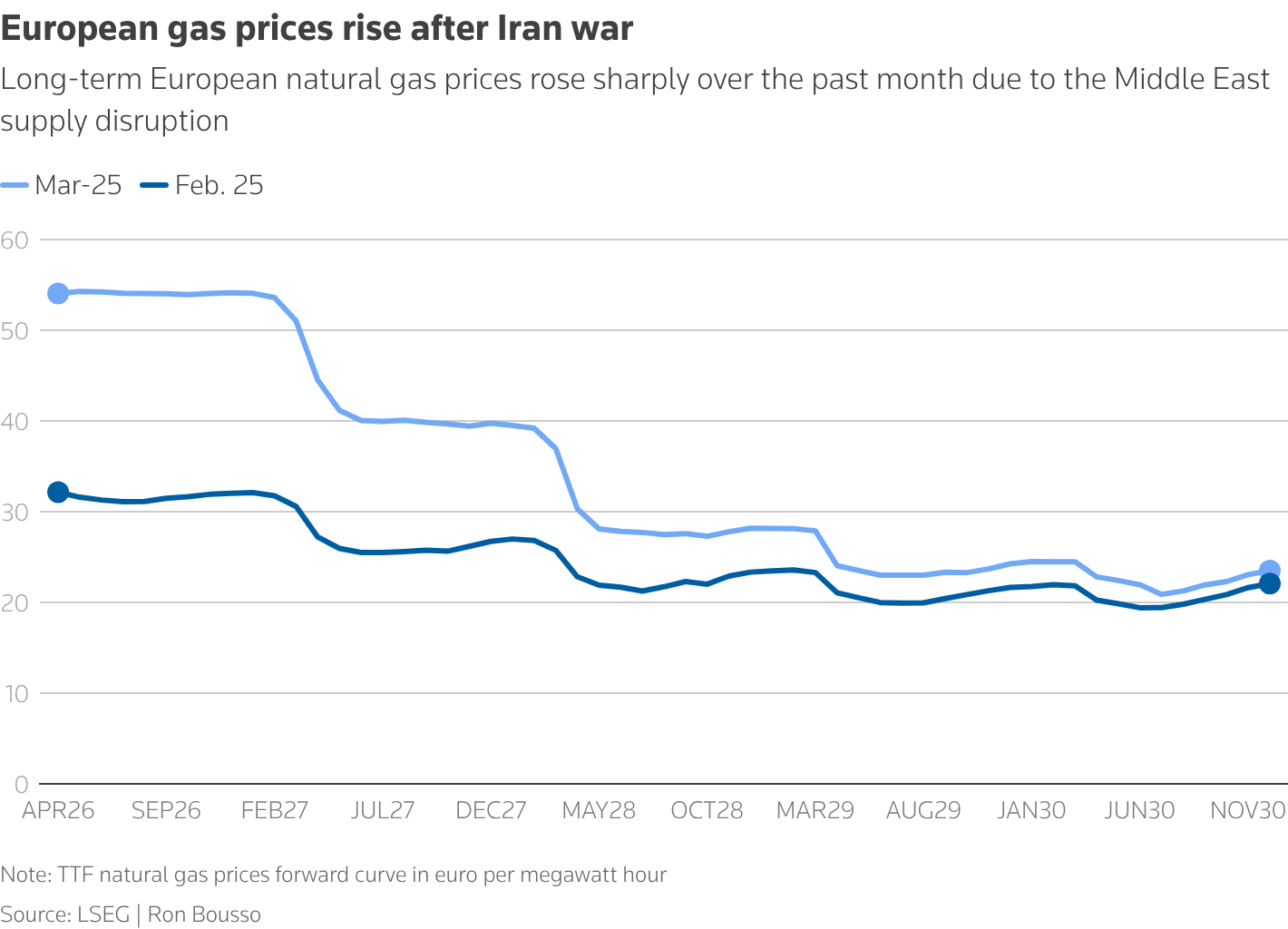
The impact goes far beyond Asia. Europe, which is heavily reliant on imported LNG, has also seen a sharp increase in gas prices due to the Mideast crisis. This is threatening to disturb the continent's fragile economic recovery from the energy shock sparked by Russia's full-scale invasion of Ukraine four years ago. The European Union may be forced to scale back its flagship climate policies and geopolitical aims to deal with the crisis.
More on this below.
Here are some more headlines: