| Read in browser | ||||||||||||||
 Welcome to Balance of Power, bringing you the latest in global politics. If you haven't yet, sign up here. As a former top military official and leader of the world's largest Muslim-majority country, Indonesia's Prabowo Subianto can't quite understand what the US and Israel were thinking. The aerial assault on Iran has little chance of succeeding without massive indiscriminate bombing, the president said in a rare weekend interview. To win, Tehran's leaders "really just have to survive." "We are all confused," Prabowo, who has offered himself as a mediator, said from his hilltop estate about an hour's drive south of Jakarta, the world's most-populous city. "And I'm saddened. I don't feel there's any rationality in this." The military campaign poses problems for Prabowo at home, where he's already taking heat for signing up to President Donald Trump's Board of Peace. Now, surging oil prices threaten to throw off a tricky budgetary balancing act as he looks to ramp up growth while staying within a legally mandated fiscal-deficit cap. Markets are clearly skeptical of Prabowo's plans: Indonesia's benchmark stock index is the world's worst performer this year, and its currency is near a record low. 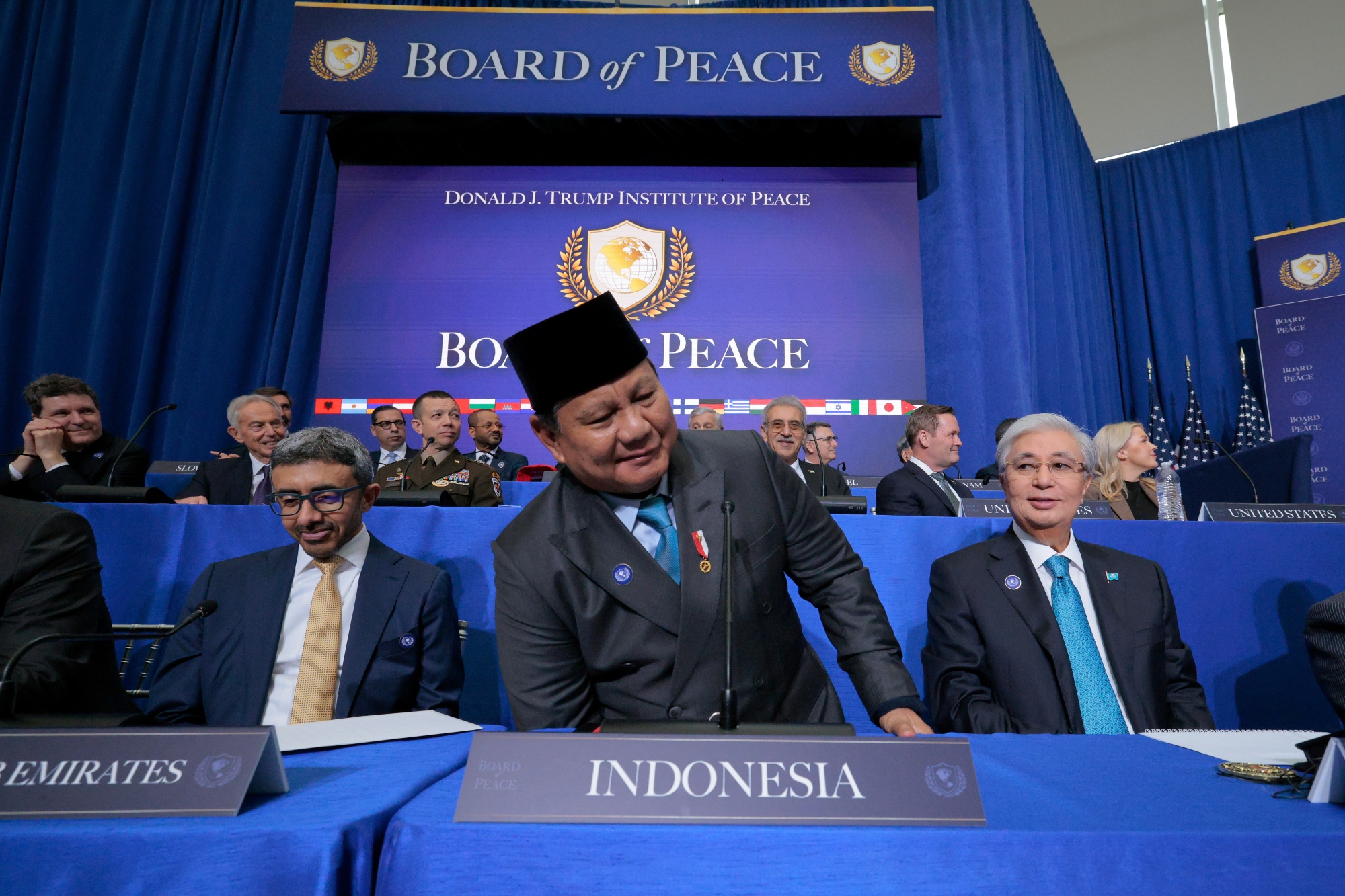 Prabowo during the inaugural meeting of the Board of Peace last month. Photographer: Chip Somodevilla/Getty Images Still, Prabowo, 74, remains an optimist. He insisted any breach of the deficit cap would be for emergencies and the economy could still expand 8% annually by the end of his term in 2029, up from around 5% now. To get there, he vowed to go after "thieves" in Indonesia's elite and continue removing "idiotic" officials. He also wants his newly created sovereign wealth fund to control more of the nation's resources wealth, generating $50 billion a year. Referring to himself as a pragmatist, Prabowo insists his critics in the markets are wrong, and that time will prove him right. An avid swimmer, Prabowo said some of his best ideas come in the pool. It's clear he's not done thinking of more ways to prove the skeptics wrong. — Daniel Ten Kate 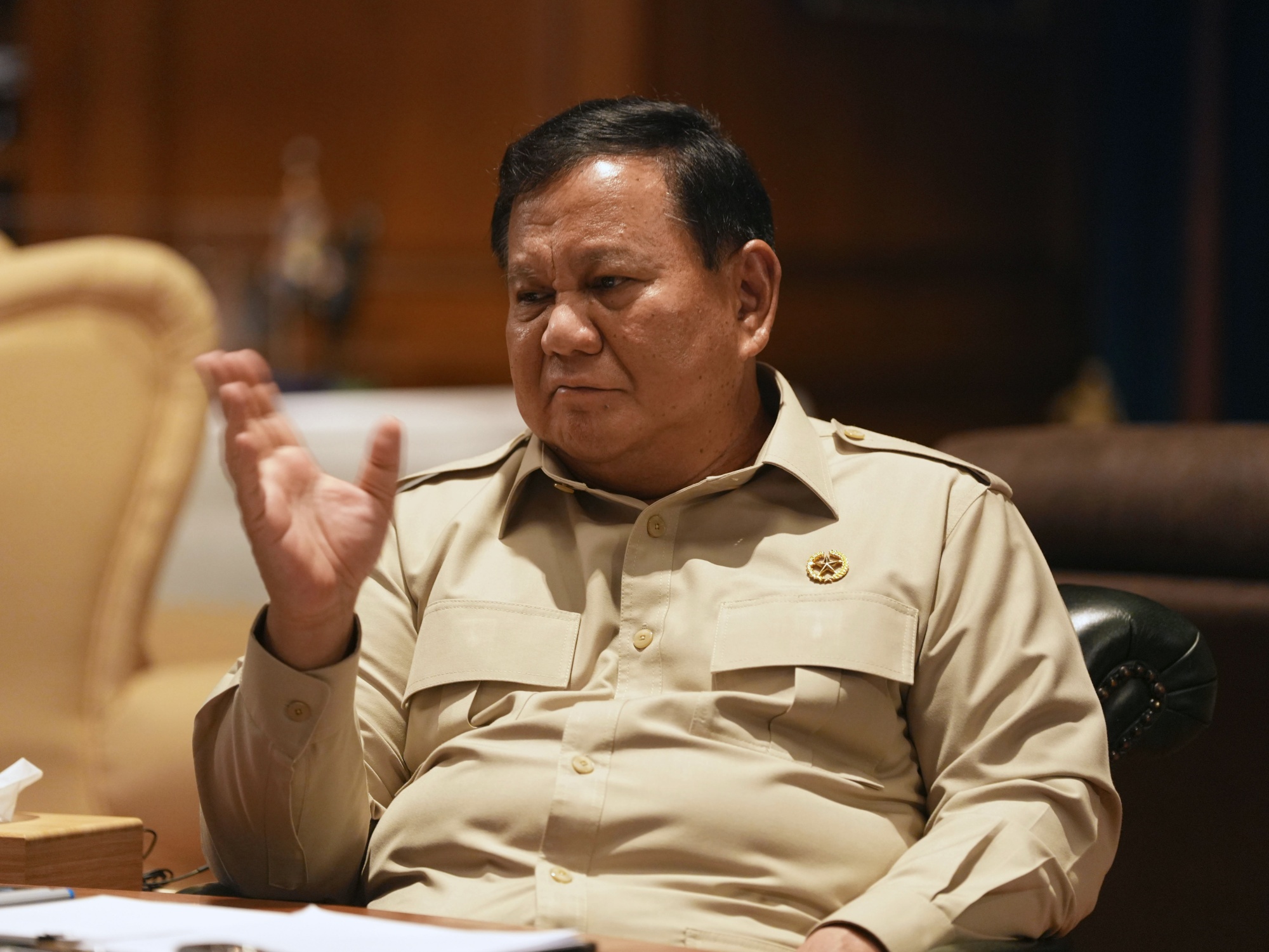 Prabowo during an interview at his residence in Hambalang, West Java, on Saturday. Photographer: Dimas Ardian/Bloomberg Global Must ReadsTrump's ever-shifting explanations for why he went to war with Iran are leaving allies and adversaries at a loss to forecast when he'll be ready to stop. Even if he does, Tehran has shown little willingness to go along, as the Asian energy emergency threatens to turn into a global one. Airline Emirates meanwhile resumed limited flights at Dubai's main international airport after a drone incident caused a suspension of services, the latest setback to the aviation hub's efforts to normalize operations as the conflict enters a third week. 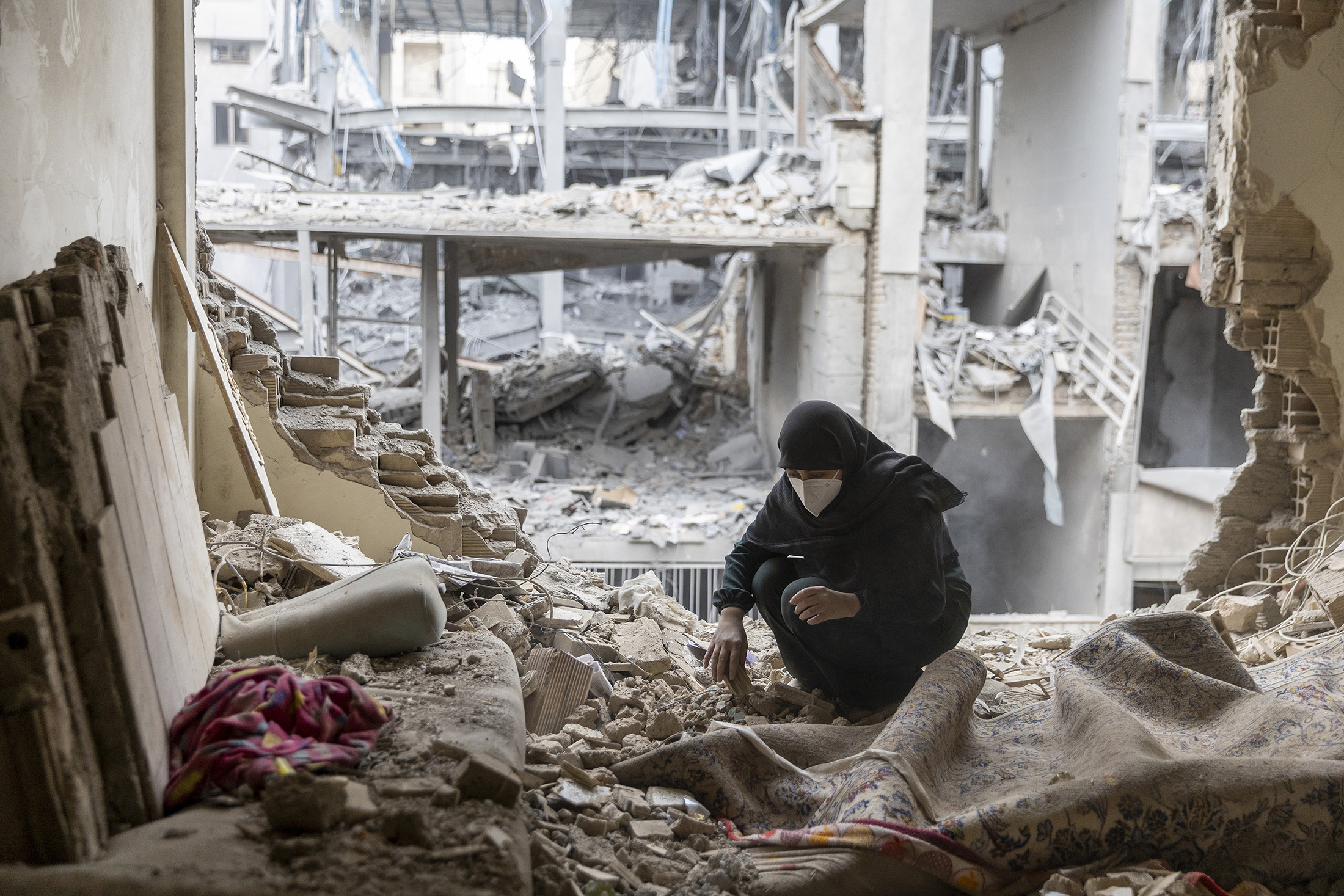 A woman sifts through rubble following strikes in the Beryanak district of Tehran yesterday. Photographer: Majid Saeedi/Getty Images US allies reacted warily to Trump's demands to help reopen the Strait of Hormuz, expressing unease about getting pulled into the war. The president threatened to delay his summit with Xi Jinping if China doesn't help, and while South Korea is weighing its options, Japan's defense minister said the nation currently has no plans to send warships to the region despite US pressure ahead of a summit with Prime Minister Sanae Takaichi this week. Indian Prime Minister Narendra Modi is stepping up engagement with Iran as the conflict triggers severe gas shortages and threatens economic growth, testing New Delhi's relations with the US. Modi's government secured the safe transit of two tankers carrying liquefied petroleum gas through the Strait of Hormuz, placing it among only a few nations, including China and Russia, that have had ships pass through the area safely since the war began. While Iran's new Supreme Leader has threatened to widen retaliation against US and Israeli attacks with new targets, Turkey does not believe Tehran is trying to drag it into the war, sources say. But the Islamic Revolutionary Guard Corps has previously threatened to hit NATO installations in Turkey if Iran were attacked, and the intermittent firing of single missiles — apparently targeting a US radar installation at Kurecik in eastern Anatolia — appears designed to test the military alliance's capacity to respond. Trump predicted Cuba wants to make a deal with his administration, but said he wants to finish the war with Iran before turning his attention to the Communist island nation. Washington has tightened the screws on Havana, imposing a near-total fuel blockade that has exacerbated hours-long blackouts. As protests over the lack of power and food entered a second night, former Mexican President Andrés Manuel López Obrador launched a fundraising campaign for Cuba. A mayoral candidate from the far-right National Rally won the first round of voting in France's fifth-largest city of Nice, as Marine Le Pen's party seeks to broaden its support ahead of next year's presidential election. Socialist candidate Emmanuel Gregoire leads heading into the Paris mayoral runoff. Pedro Sánchez's Socialists posted unexpected gains in a Spanish regional ballot, the first vote in the Iberian nation since the prime minister took a stand against the war on Iran. Nigel Farage's Reform UK is leaking support to two new parties led by colleagues-turned-rivals even further to his right, with one of the groups — Restore UK — securing the endorsement of Elon Musk. The head of Tibet's government-in-exile told us his administration is closely monitoring whether the war in Iran may give China room to deepen its interests on the Himalayan plateau and in other regional flashpoints. 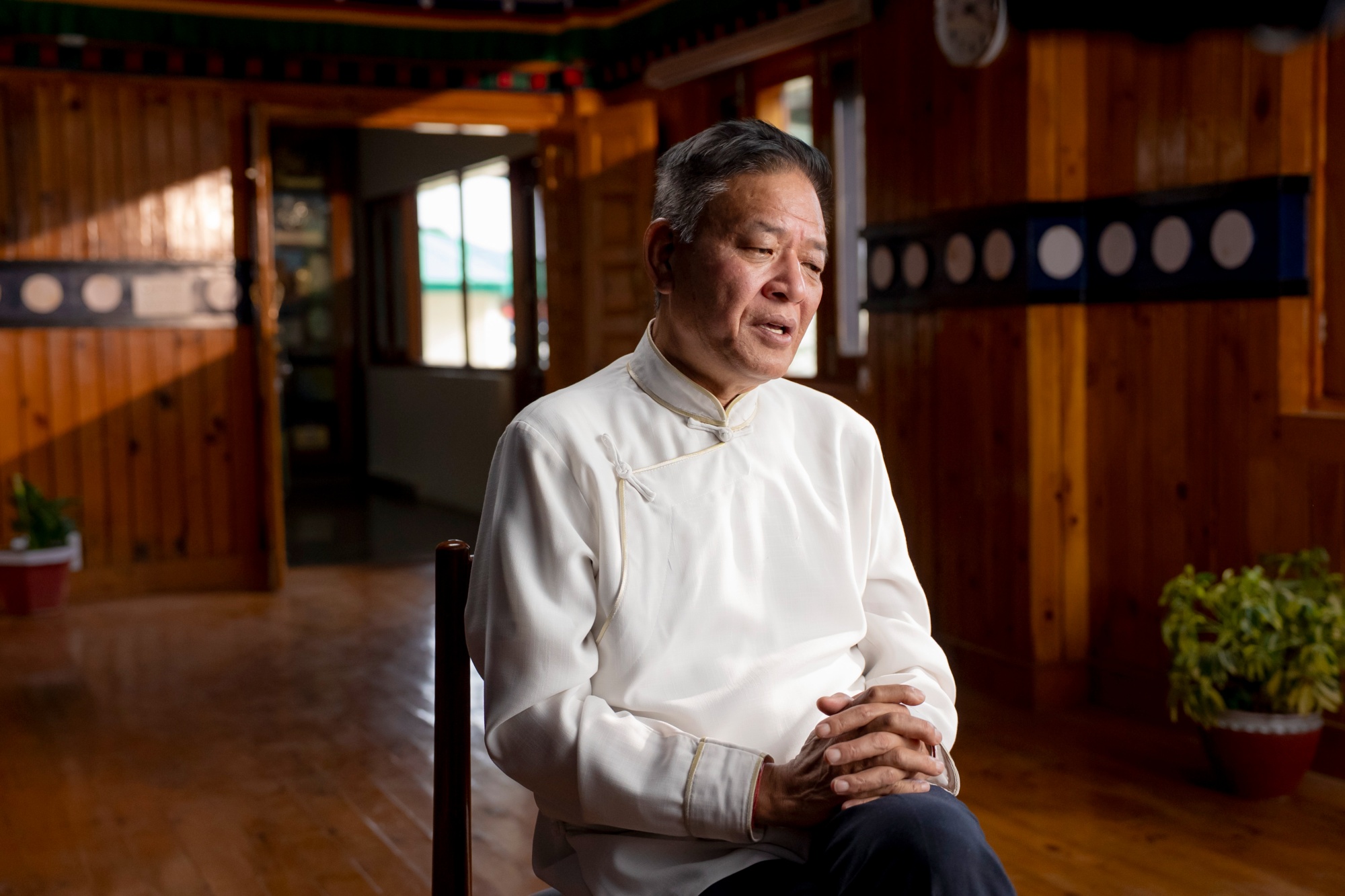 Penpa Tsering, head of the Tibetan government in exile. Photographer: Kanishka Sonthalia/Bloomberg Sign up for the Washington Edition newsletter for news from the US capital and watch Balance of Power at 1 and 5 p.m. ET weekdays on Bloomberg Television. Chart of the Day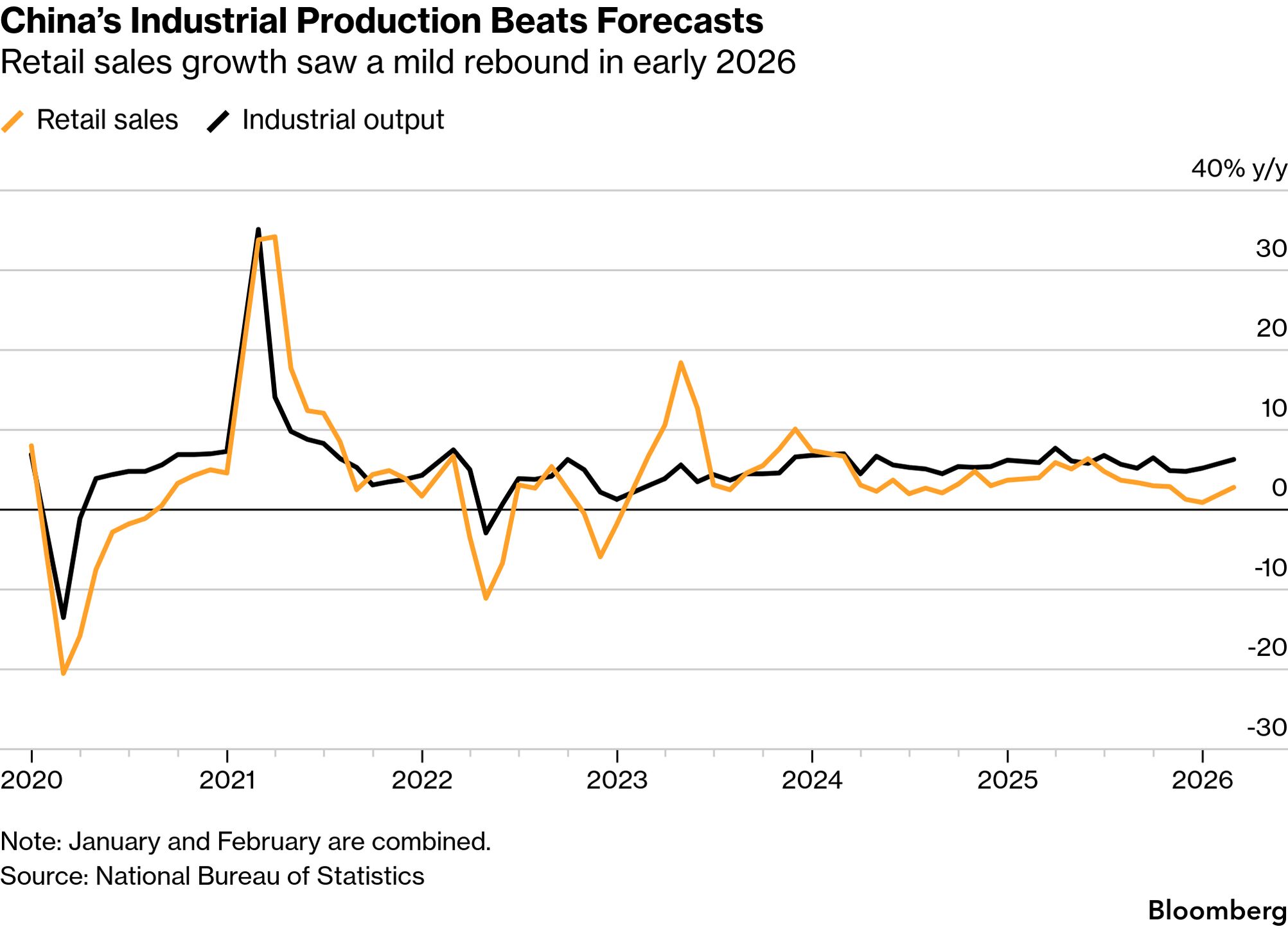 China's economy rebounded at the start of this year, with a surprising uptick in domestic consumption and investment. While the acceleration may prove hard to sustain if the war in Iran stalls exports, the figures provide an encouraging snapshot of the world's second-biggest economy after it ended 2025 with the slowest growth since the Covid lockdowns ended in late 2022. And FinallyAlmost 40 years after Italy shuttered its last nuclear reactor, Giorgia Meloni's government is consulting experts and holding discussions on how to restart atomic-energy production, sources say. The campaign is central to the prime minister's promise to help companies hobbled by Italy's elevated energy prices, among the highest in Europe. She has argued that nuclear power could be part of the long-term solution, linking her political fortunes to whether the plans succeed. 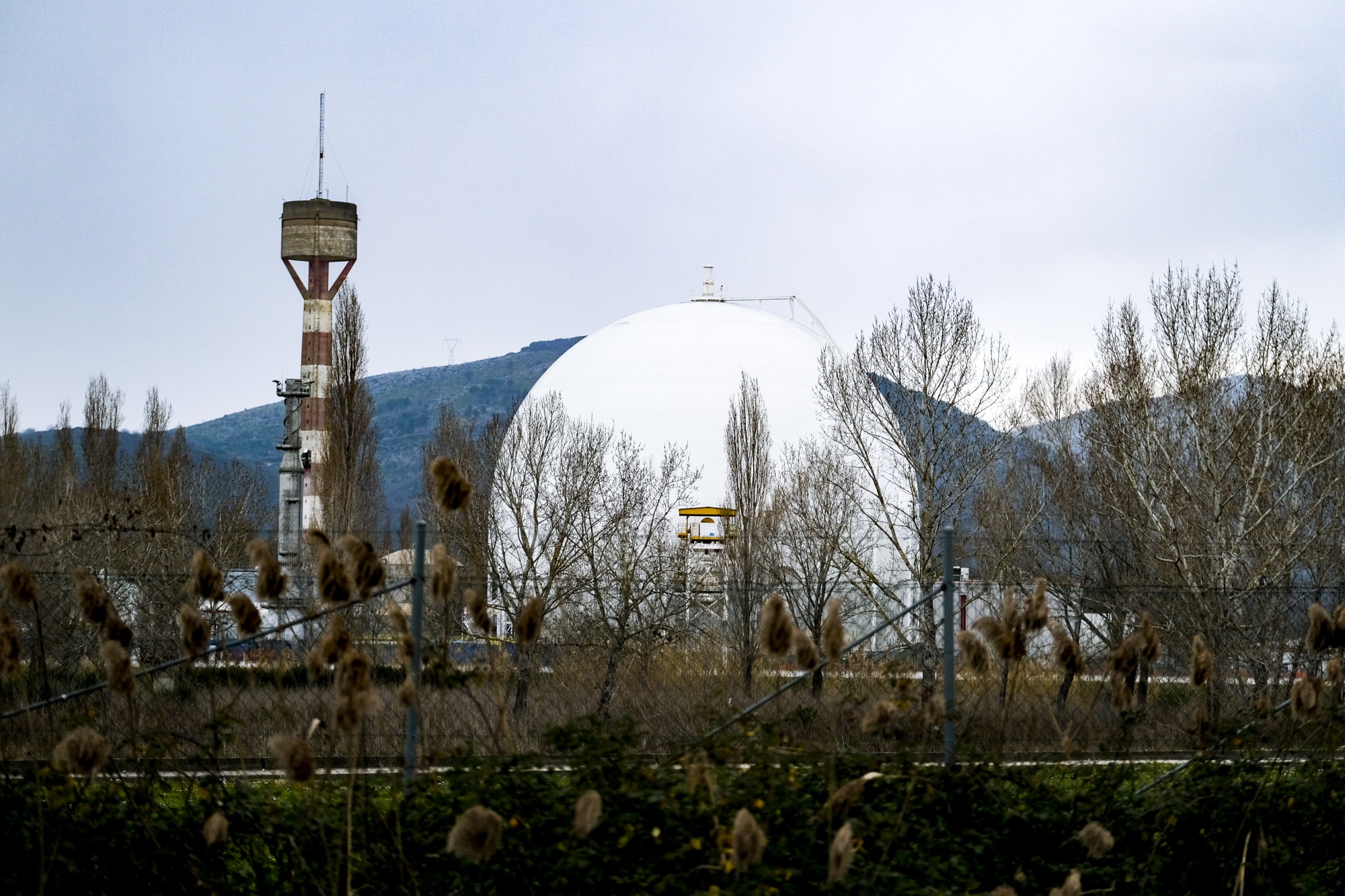 The decommissioned Garigliano nuclear power plant in southern Italy, part of the nation's atomic program halted in 1987 following the Chernobyl disaster. Photographer: Antonio Balasco/LightRocket/Getty Images Thanks to everyone who answered Friday's quiz question, and congratulations to Stephen Markscheid, who was first to name Nepal as the country where a 35-year-old rapper led his party to victory in national elections. More from Bloomberg
We're improving your newsletter experience and we'd love your feedback. If something looks off, help us by reporting it here. Follow us
You received this message because you are subscribed to Bloomberg's Balance of Power newsletter. If a friend forwarded you this message, sign up here to get it in your inbox.
|




Highlights from Bloomberg CityLab 2026 in Madrid
The conference kicked off with remarks from the mayors of Madrid, London and more. ...