| Read in browser | ||||||||||||||
 Each week we bring you insights into one of Asia's most dynamic economies. If you haven't yet, please sign up here. This week, Chanyaporn Chanjaroen dives into how Asia's rich are rethinking Dubai. Tom Redmond and Niki Koswanage take us behind the scenes of the Malaysian corruption scandal they've been investigating for months. Tassia Sipahutar laments the closure of one of her favorite lunch venues. Dubai Dream InterruptedUntil late February, Dubai was synonymous with greener pastures for private bankers. I bade farewell to a contact who left Singapore after almost a decade for the UAE city where rich clients are plentiful, taxes are nil and rents are much lower than in our little red dot. A well-known headhunter in the wealth industry uprooted to the Middle East too. Dubai's image as a safe and stable international hub for the well-heeled and the bankers who serve them is now being tested by the war in Iran. Goldman Sachs and Citigroup reportedly told staffers in the emirate to stay away from their offices. Other lenders have given workers the option to temporarily leave the country, with one bank saying the response has been limited. 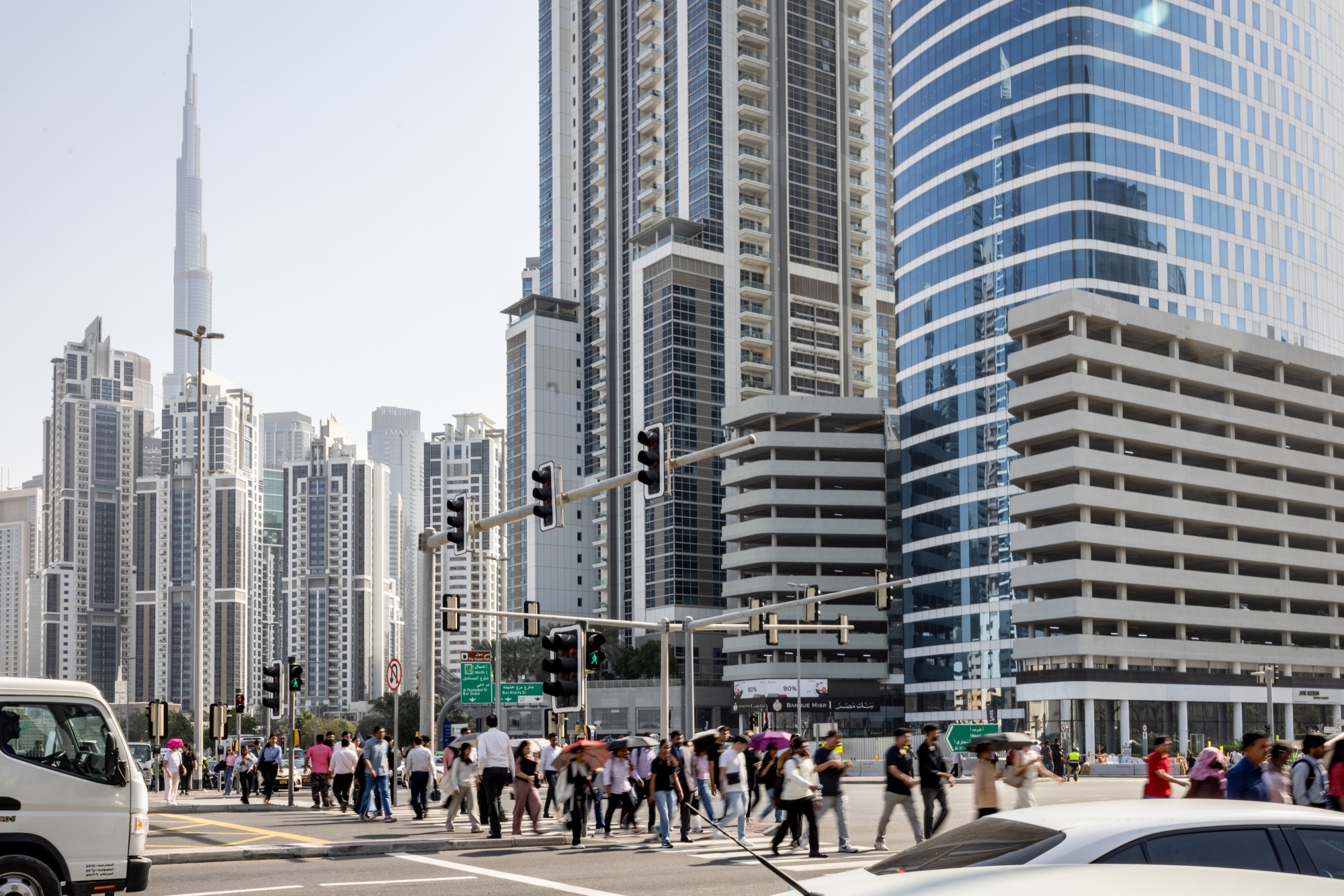 Pedestrians in the Business Bay financial district of Dubai on March 4. Photographer: Walaa Alshaer/Bloomberg A reversal of the UAE fortune could be costly to its economy. Overseas assets booked in the country rose to about $700 billion in 2024, according to an estimate by Boston Consulting Group. In recent years, Dubai has attracted the affluent from India, China and Indonesia. About a quarter of the 2,270 foundations set up in the UAE have Asian ownership, said Yann Mrazek, managing partner at Dubai-based wealth advisory firm M/HQ. Still, others are deciding to stay put in the UAE, according to a few private-banking contacts. Stricter rules in Singapore have meant some clients face challenges in opening new accounts and bankers have at times struggled to thoroughly verify sources of wealth. The process in Dubai is easier in comparison, they say. Weekend Catch-UpA selection of the best of Bloomberg storytelling, from podcasts and video to explainers and feature stories. Read
Watch
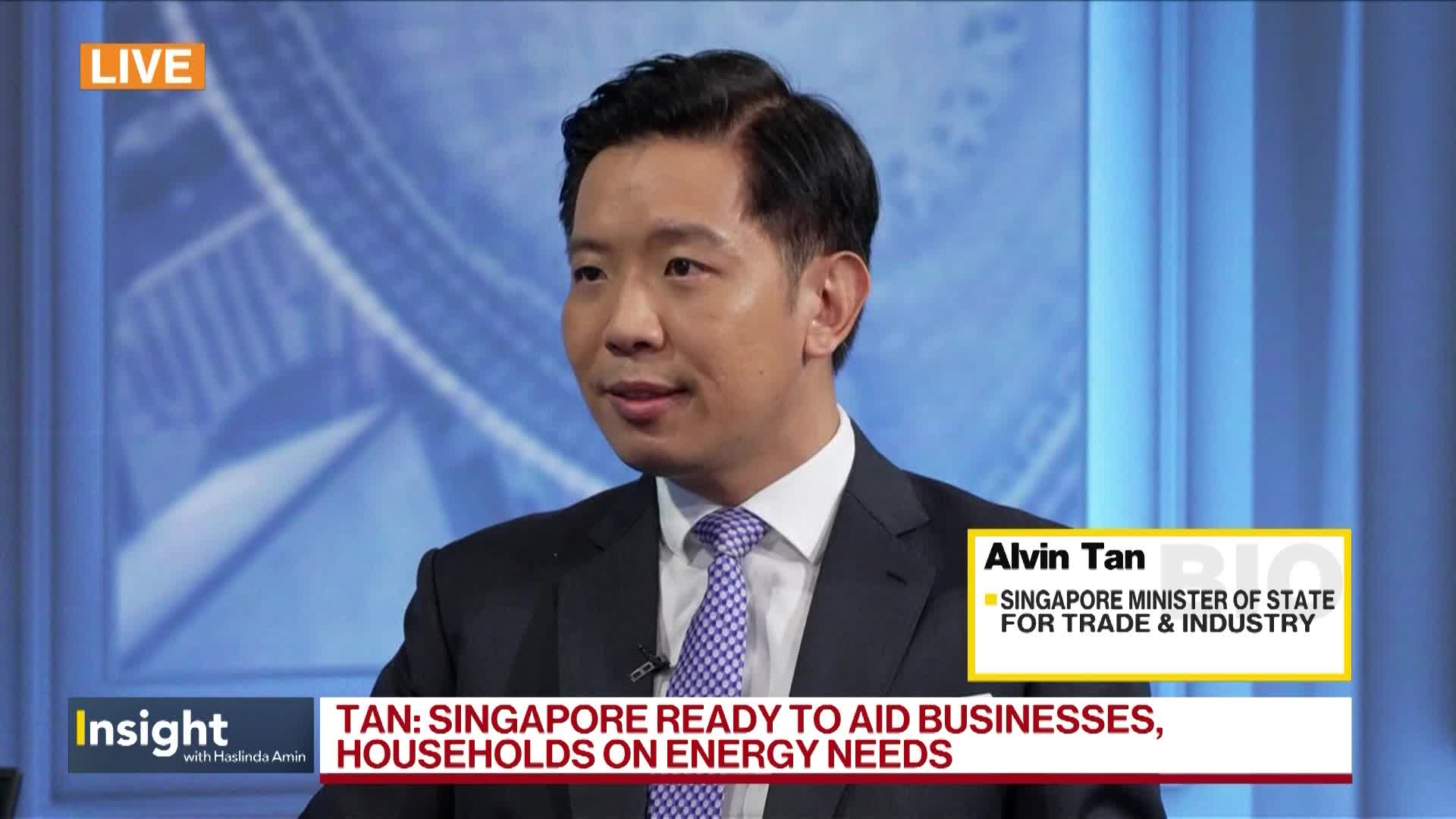  Haslinda Amin speaks with Singapore Minister of State Alvin Tan about the impact of the war in Iran on the Asian city-state. Listen
 LISTEN: K. Oanh Ha speaks with David Ramli about the rapid rise and sudden downfall of an alleged criminal mastermind. NEW: Explore live streaming news and interviews, documentaries, reporter analysis and more, all in one place. Check out Bloomberg.com/videos. Malaysia's Corruption ScandalMore than a month after our reporting on Malaysia's anti-graft agency rocked politics in Singapore's neighbor across the causeway, the scandal shows no signs of dying down. We uncovered how Malaysian Anti-Corruption Commission chief Azam Baki's shareholdings in a financial-services firm were well above the allowed limit for a civil servant, and took a deeper look into allegations that MACC officials colluded with a group of businessmen nicknamed "the corporate mafia" to intimidate company executives and oust them from companies. Azam and the agency strongly denied that they did anything wrong. 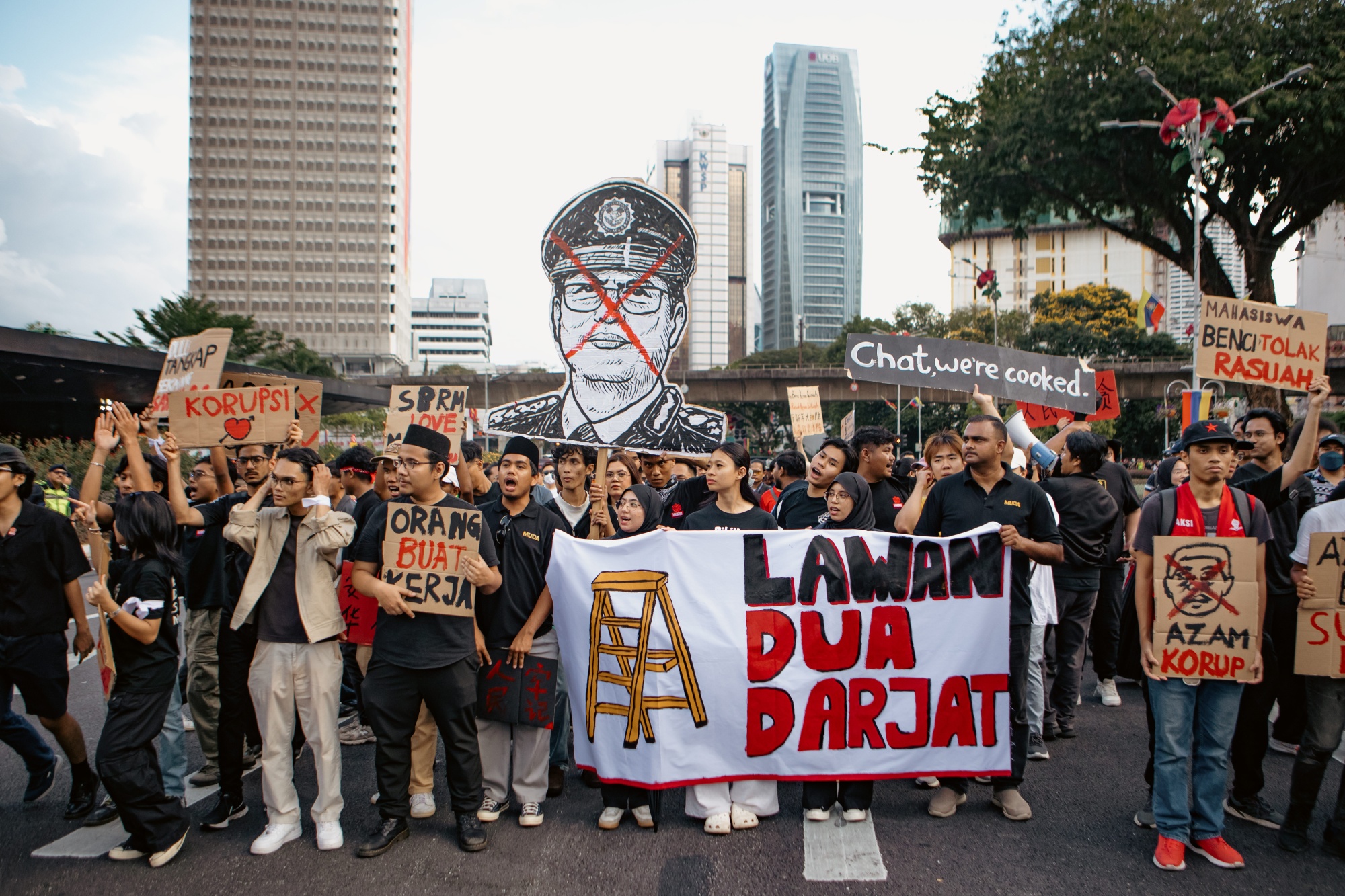 Protesters march during a demonstration against MACC Chief Commissioner Azam Baki in Kuala Lumpur, Malaysia, Feb. 15. Photographer: Samsul Said/Bloomberg The reports triggered public protests in Kuala Lumpur and Putrajaya, the seat of government. Malaysia's cabinet ordered a probe into Azam's shareholdings. The largest party in Prime Minister Anwar Ibrahim's ruling coalition demanded a Royal Commission of Inquiry, an independent panel with powers to summon witnesses and compel documents, into the collusion allegations. Even the king weighed in, saying the anti-corruption agency is one of the institutions on his radar. On Wednesday, the cabinet's chief spokesman announced that the committee investigating Azam's shares had delivered its report, and a senior government official had been tapped to take the next steps. The spokesman didn't reveal the committee's findings. Separately, he said the cabinet had instructed the police and other agencies to look into the allegations of "corporate manipulation." In other words, there would be no royal commission, at least for now. The scandal has dealt a blow to Anwar's standing as a pro-democracy reformer and corruption fighter at a time when the next general election is coming into view. It would be only natural for him to want to move on from it. The question is whether these steps will be enough to satisfy Malaysia's public — and the largest party in his coalition. All eyes now will be on the reaction to the government's latest steps.—Tom Redmond, Niki Koswanage If you're interested in learning more about the issue, watch this Bloomberg Investigates documentary: 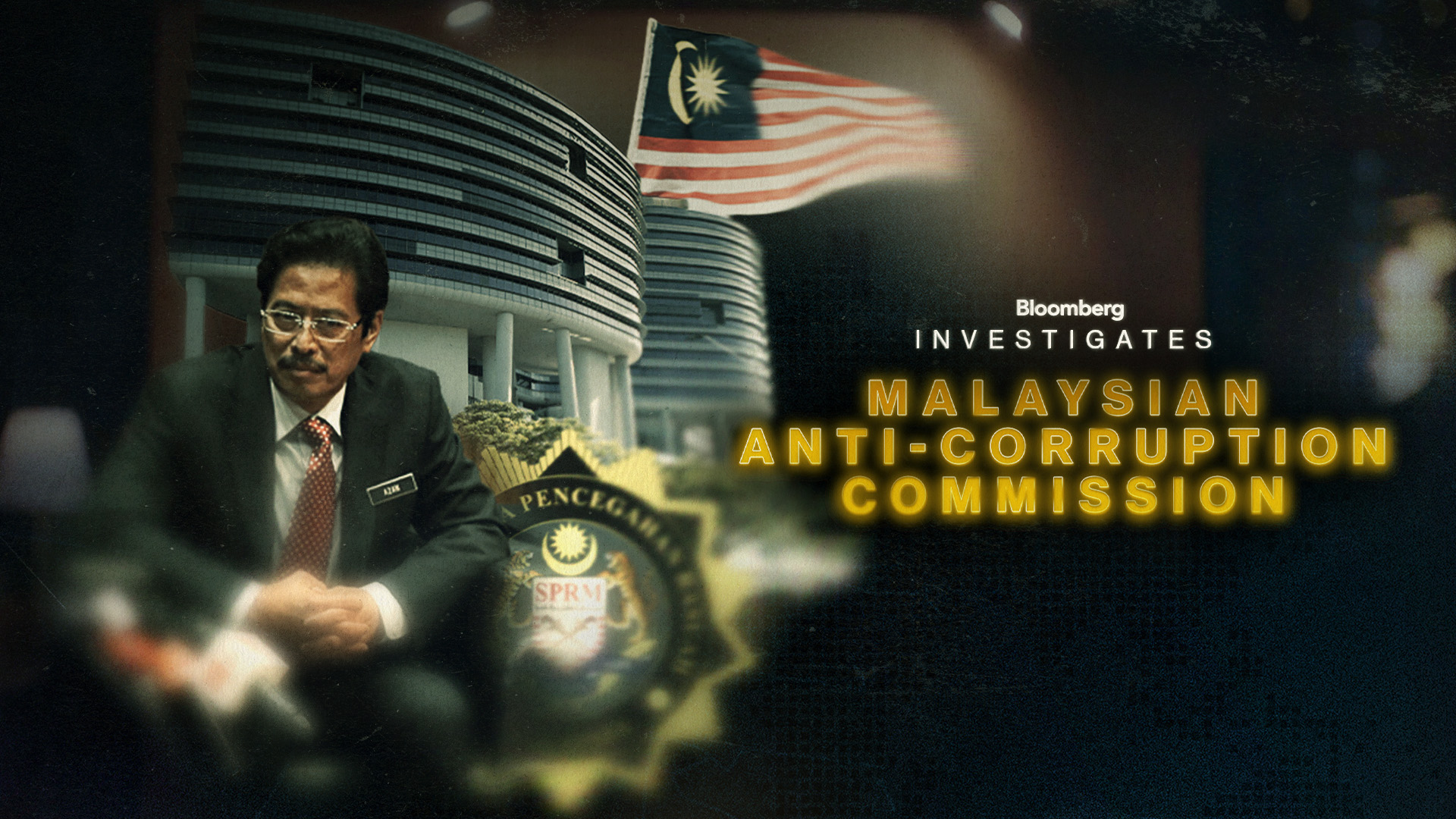 Who's watching Malaysia's anti-corruption watchdog? The Review: 51 Telok Ayer StreetFrom the best spots for a business lunch to drinks with the boss, we sample the city's eateries, bars and new experiences. 51 Telok Ayer Street has always been more than a canteen wedged between glass towers. Before it was overhauled and renamed China Square Food Centre in 2005, it was known as the Telok Ayer Transit Food Centre. For over two decades, it stood as a daily refuge — fluorescent-lit, trays clattering — feeding the suited and the hurried, the interns and the veterans of the Central Business District. Just before lunchtime, its stalls flare to life, steam rising into the air. 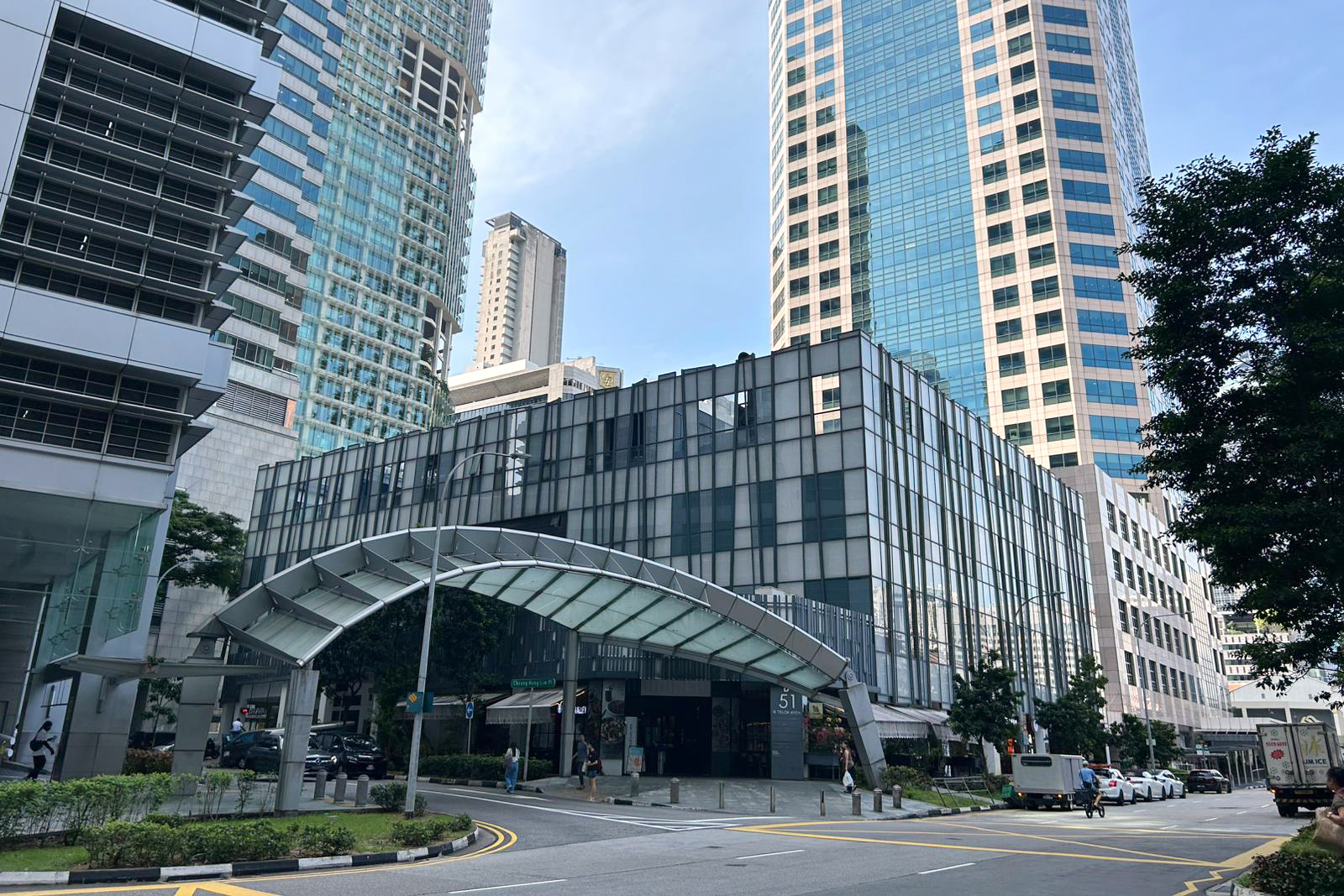 The China Square Food Centre. Photographer: Tassia Sipahutar/Bloomberg This icon has lived a life that's full. It was a place of comfort in the middle of commerce, where a full, hearty meal could often be found for less than S$8 ($6.30). A place where I often planned each charted course for my lunch time adventures. Super Simple assembled its greens and grains for the weekday crowd. T & Co Coffee kept the caffeine flowing through deadline afternoons. Even the 7-Eleven at the edge played its part, a steady presence for late lunches and emergency snacks. 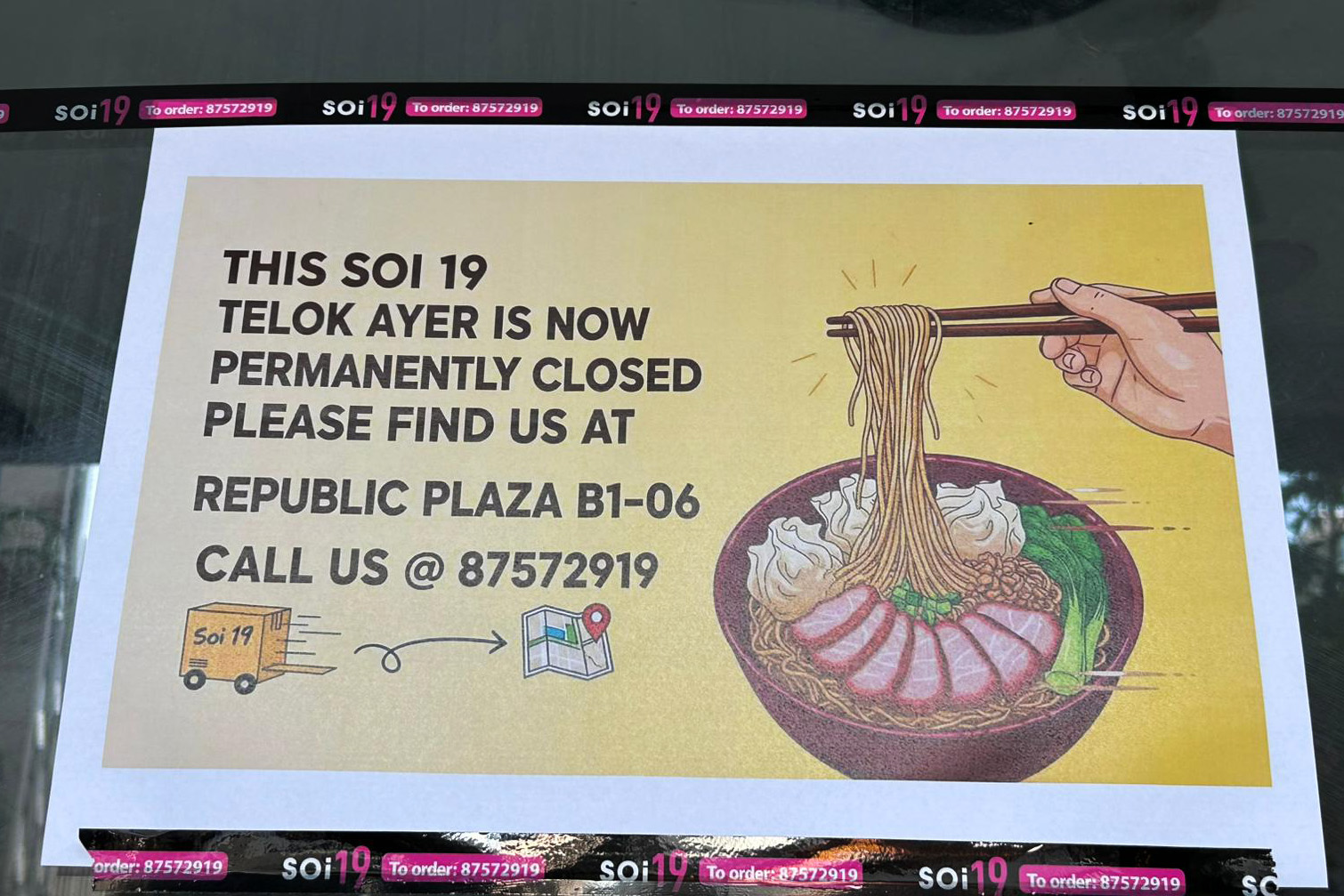 A sign for Soi 19. Photographer: Tassia Sipahutar/Bloomberg Others have already said their goodbyes. Soi 19, Dian Rice Noodle, Kallang Airport Noodle, The Rooster Boy Story — names that once rang out over lunchtime chatter — have shuttered or shifted, leaving behind only memory and muscle memory: the instinct to queue in a certain corner, to ask for less rice or extra chili. One stall closed, then another, and the difference slowly showed. And so I face the final curtain. When the doors close after March 18, the office workers will scatter to other food courts, other hawker centers, other quick fixes between calls. For many, that may mean paying more for lunch, queuing longer or walking further for the same cheap eats. But China Square Food Centre will be remembered by those who ate there regularly, in the comfort of a familiar makcik asking, "Ikan bilis? Sambal?" —Tassia Sipahutar Have a place you'd like us to review or feedback to share? Get in touch at [email protected]. Thanks for reading our newsletter! Subscribe here if you haven't already. More from Bloomberg
We're improving your newsletter experience and we'd love your feedback. If something looks off, help us fine-tune your experience by reporting it here. Follow us
You received this message because you are subscribed to Bloomberg's Singapore Edition newsletter. If a friend forwarded you this message, sign up here to get it in your inbox.
|




Beacon no more
Milei risks becoming one conservative leader among many ...