| Read in browser | ||||||||||||||
 Sometimes the best-laid plans can go awry. That's the issue the UK's flood insurance program is currently grappling with. Conceived as a way to help the most vulnerable, the program has seen the richest homeowners become the biggest winners. Today's newsletter looks at how that came about and how the program is trying to address it. Plus, Arctic sea ice tied a winter low that was set just last year. Did someone forward you this newsletter? Subscribe for free to to get more climate stories delivered straight into your inbox. Unintended consequencesBy Olivia Rudgard, Alastair Marsh, and Gautam Naik It's not how the program was supposed to work. But thanks to a legal anachronism, Britain's state-backed plan intended to help those most exposed to flooding has ended up favoring the country's richest property owners. Economists at the Bank of England have already suggested that Flood Re, the UK's flood insurer of last resort, may not be channeling enough support to those who need it most. But the full scale of the distortions isn't well understood, according to the program's chief executive. Subsidies provided by Flood Re are flowing from poorer people in the north to some of Britain's richest boroughs in the country's south, CEO Perry Thomas said in an interview. And that "isn't the group of people that we were supposed to be helping," he said. 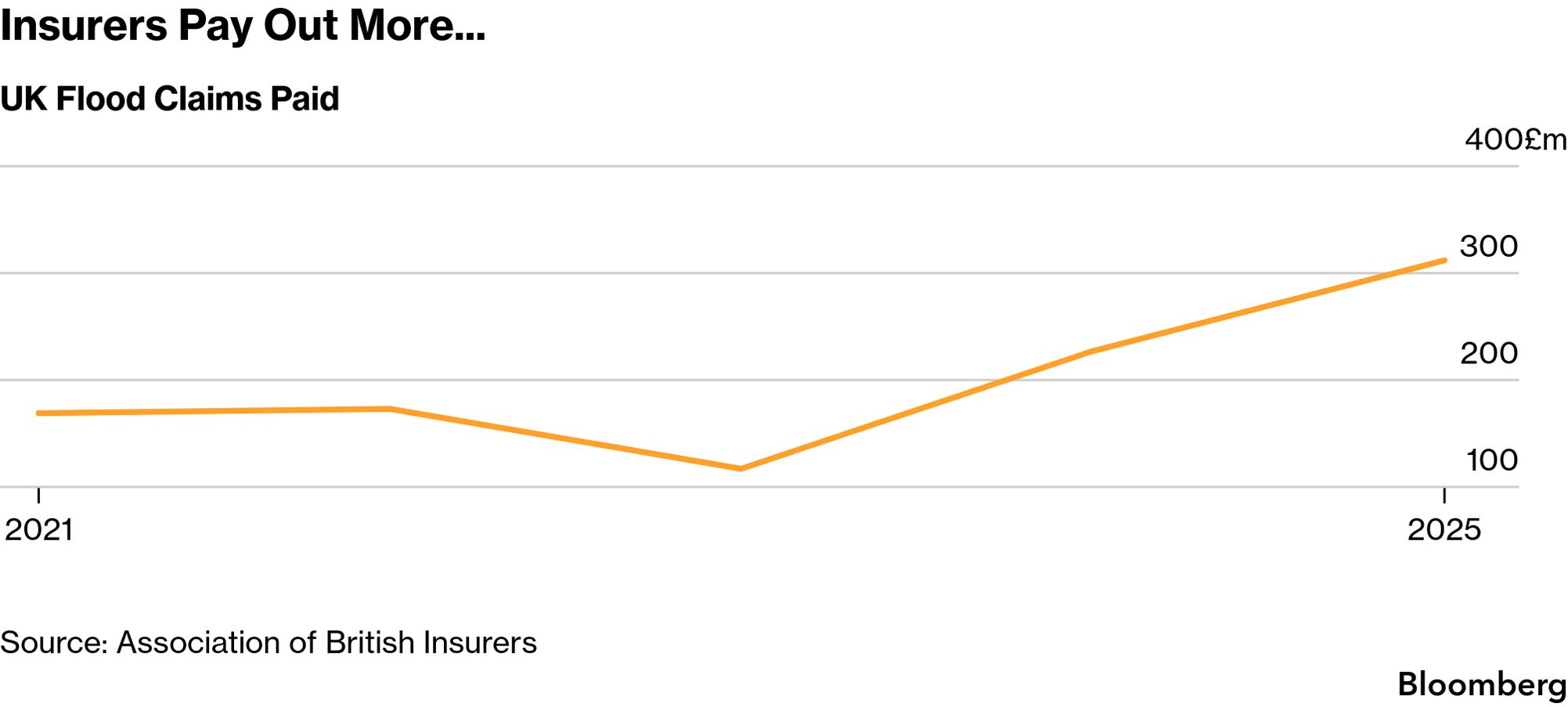 Thomas says the issue isn't within Flood Re's power to address independently. The culprit is a council tax calculation based on 1991 property values, which underpins more than just Britain's flood insurance program. Thomas says he's aware of examples in which the owners of luxury homes are able to get flood insurance at a cost of about £1,000 a year, and then make claims in the millions of pounds. At the same time, less affluent areas aren't always getting the access to aid they need, he said. The dynamic feeds into growing financial inequality in Britain, with rising property values a key contributor to the country's wealth gap. 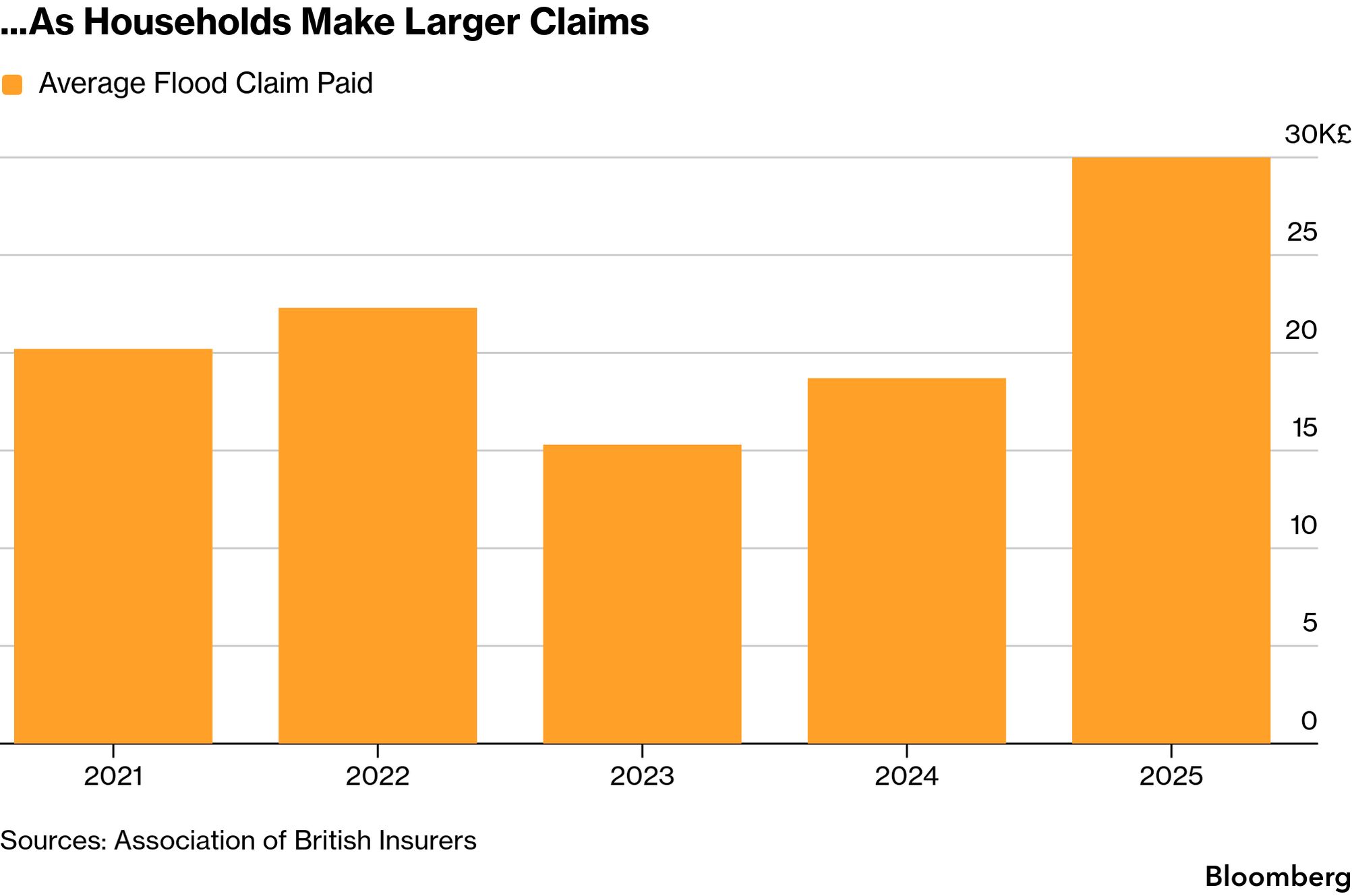 Some 430,000 households across Britain risk becoming "climate mortgage prisoners" by mid-century, as banks pull back from properties prone to floods, according to a fresh analysis by consultancy Public First and the UK Sustainable Investment and Finance Association. In the highest-risk areas, property values could drop by more than 20%, the study found. Flood Re, which was created in 2016 with an intended end date of 2039, was designed as a temporary stopgap to help homeowners who couldn't access insurance on the open market. The idea has always been that by the end of the next decade, the UK government will have built up enough flood-resistant infrastructure for Flood Re no longer to be necessary. For now, however, the number of properties being added to the program is rising, as is the ratio of high-value claims, according to Thomas. The likelihood of homes being impacted by floods is now rising as weather patterns change, according to the Association of British Insurers. Louise Clark, general insurance policy manager at ABI, says that "it's a great cause of concern" for the industry, "with climate change bringing more severe weather." Read the full story. For the latest on how climate change is impacting insurance markets around the world, subscribe to Bloomberg News. Exposed3.4% The percentage of assessed UK home loans — including those provided via its private banking division — that are already at high flood risk, according to NatWest. Putting in the work"I think if we're going to need Flood Re to really continue and continue in a really significant way, then we haven't done our job." Claudine Blamey Chief sustainability officer, Aviva Whether Flood Re sticks around or not, Blamey said, hinges on whether the government adequately floodproofs the country. Disappearing sea iceBy Brian Kahn and Eric Roston Sea ice in the Arctic has tied last year's record for its lowest-ever winter coverage. The findings, published Thursday by the US National Snow and Ice Data Center, add to the clear signals that the Arctic is undergoing a rapid shift as the fastest-warming part of the world. Last year, sea ice topped out at roughly 14.3 million square kilometers (5.5 million square miles). That represented a loss of 2.3 million square kilometers of ice — an area on par with the whole country of Saudi Arabia — compared to 1979, when satellite recordkeeping began. This year, the winter ice reached its high point on March 14, at a level that's virtually indistinguishable from the year before. 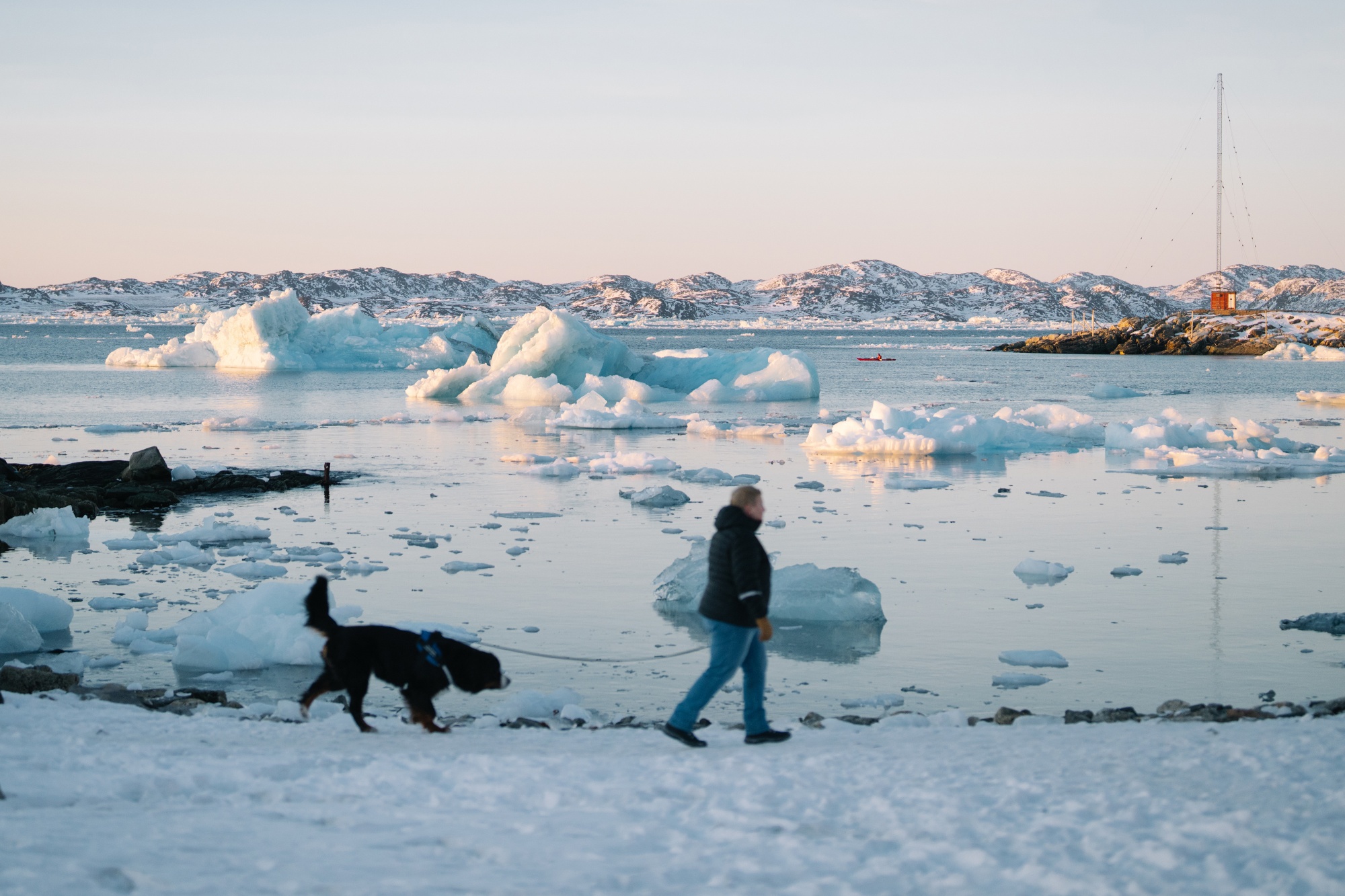 A dog walker passes sea ice on the coastline in Nuuk, Greenland in January. Photographer: Juliette Pavy/Bloomberg/Hors Format "The Arctic's highest seasonal ice extent the past two years [in March] are the two lowest in the satellite era, since 1979, and of course likely since long before that," said Rick Thoman, an expert in Alaskan climate and weather at the University of Alaska Fairbanks. One or two record years don't mean much by themselves, said Walt Meier, NSIDC senior research scientist, but given the warming-induced ice loss over nearly half a century, "it reinforces the dramatic change to Arctic sea ice throughout all the seasons." The loss of ice has grave impacts on ecosystems and the people who live in the region. It's also driving increased interest in the Arctic, from new shipping routes to mining opportunities. That's fueling geopolitical competition and security concerns, evidenced by President Donald Trump's push for the US to acquire Greenland. Several NATO countries dispatched military personnel to Greenland in the face of Trump's threats earlier this year. Other forces have pursued rigorous Arctic training, from an expedition attempting to survive 100 days in Norway last year to the US Army's newly reactivated Arctic-capable division tracking and fighting mock adversaries in February. Read the full story. This week's Zero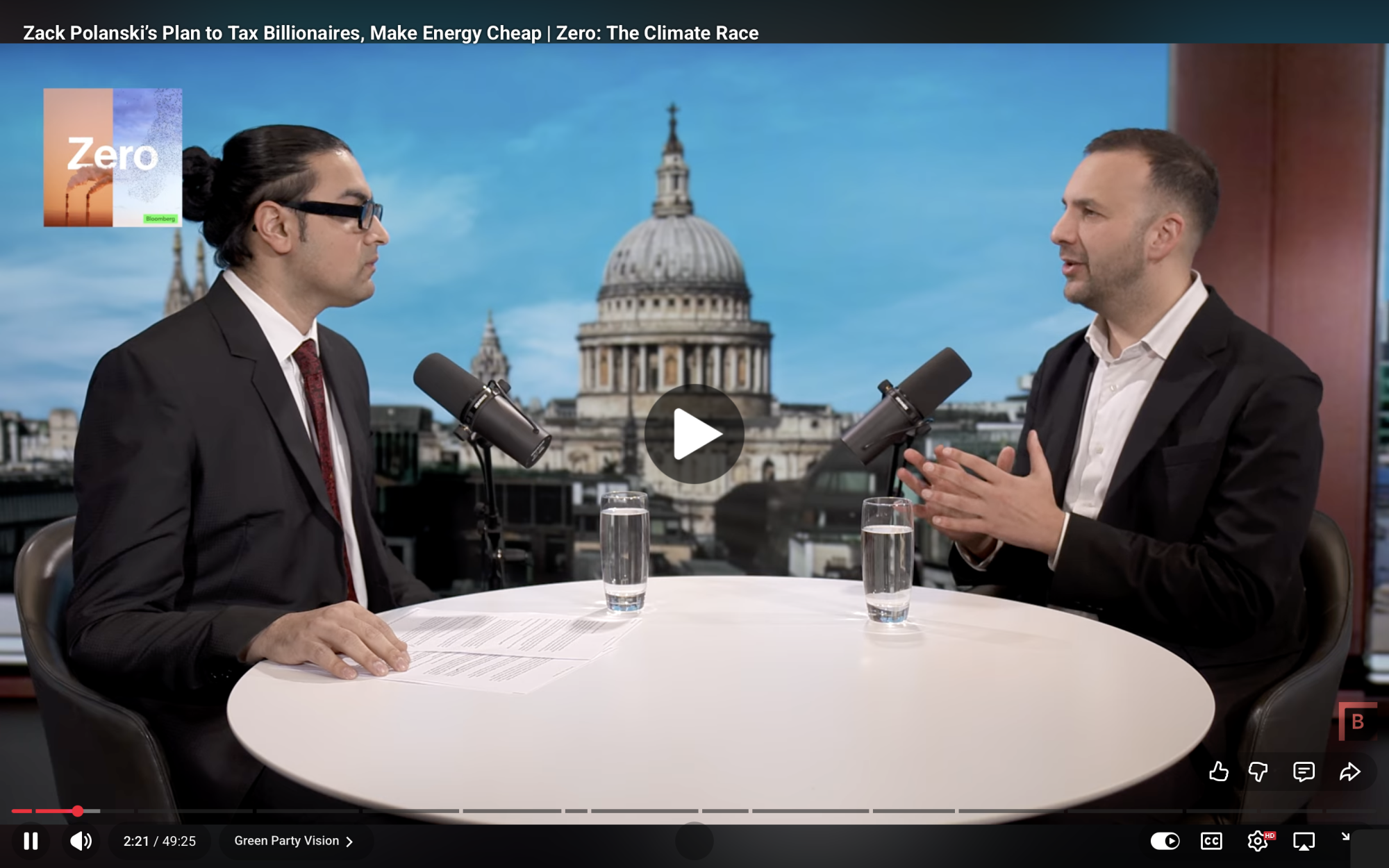 Zack Polanski is challenging the notion that you can't be Green and a popular politician. Since he became the leader of the UK's Green Party in September 2025, he has run a campaign that's pushed his party ahead of the incumbent Labour and opposition Conservative parties in some polls. It's a remarkable rise in a short span of time. How did he pull it off — and what will he do if the Green Party gets into power? Listen now, and subscribe on Apple, Spotify or YouTube to get new episodes of Zero every Thursday. More from Green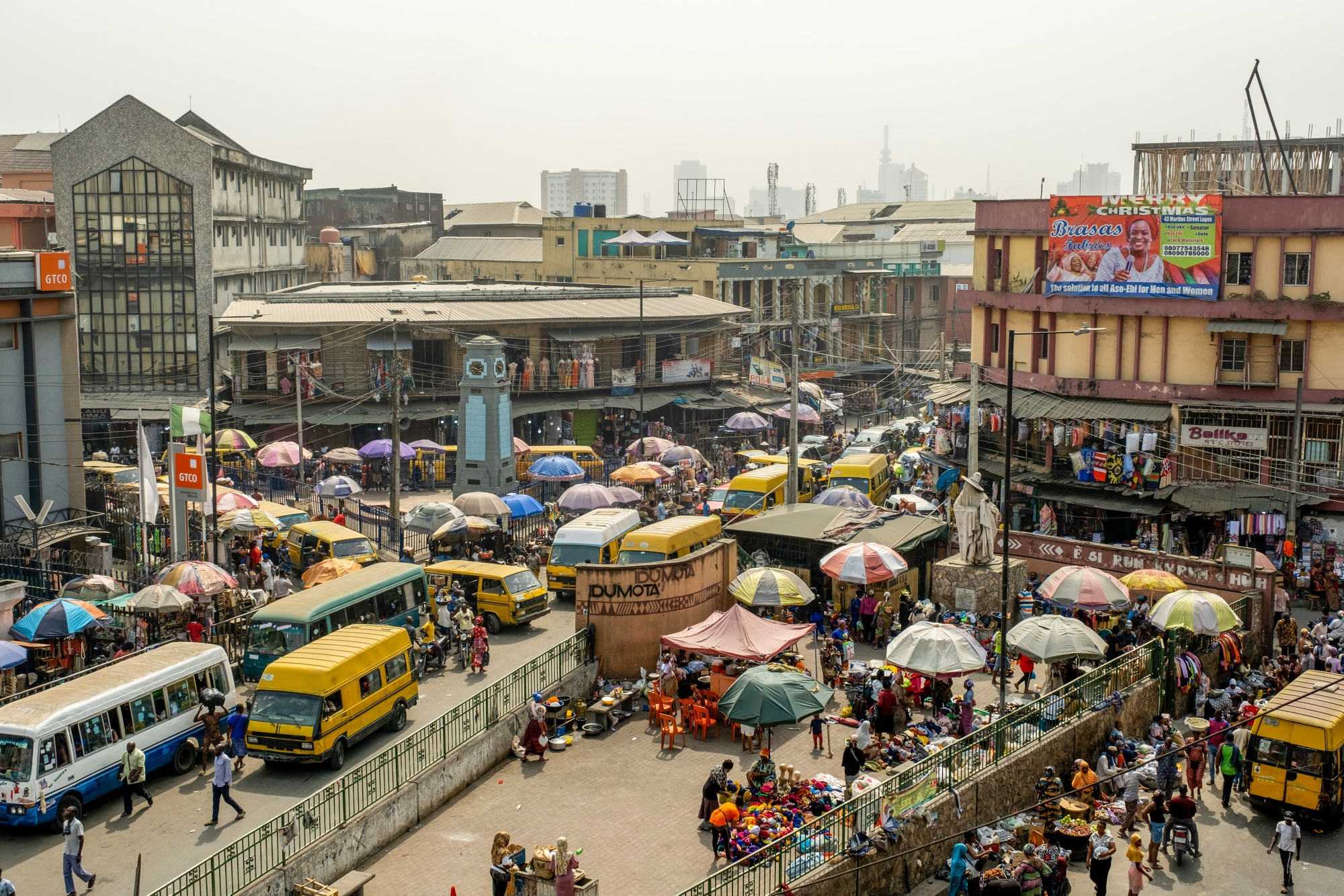 Lagos, Nigeria. Bloomberg Lagos, Nigeria's commercial hub, has secured a $7.5 million flood insurance policy so some of its poorest residents can access relief when disaster strikes. The policy covers up to 4 million people in the coastal megacity, according to a statement Thursday by the Insurance Development Forum, a public-private partnership that works with some of the world's largest insurers to bridge protection gaps in vulnerable markets. Read the full story. More from Bloomberg
Explore all Bloomberg newsletters. We're improving your newsletter experience and we'd love your feedback. If something looks off, help us fine-tune your experience by reporting it here. Follow us
You received this message because you are subscribed to Bloomberg's Green Daily newsletter. If a friend forwarded you this message, sign up here to get it in your inbox.
|




An expensive burglary
South Africa’s president faces toughest test yet over dollars stuffed in his sofa ...