| The US-Israel war with Iran rages on. |
| |
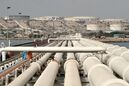
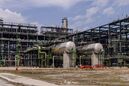
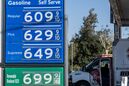
| Three weeks after the US and Israel launched a surprise attack on Iran amid ongoing negotiations over its nuclear program, President Donald Trump has found himself in a situation very different from his earlier effort at regime change. With thousands dead, a widening war, spiking oil prices and now destroyed energy infrastructure, he is seeking $200 billion from Congress to continue a conflict which Democrats and some Republicans are quick to note was one of choice, since there is no public evidence the US faced an imminent threat. The funding request also comes as the US surpasses $39 trillion in debt, with the latest $1 trillion added in the past five months. Trump has nevertheless pledged to continue attacking, and left open the possibility of ground forces. (Late Friday, he said almost the opposite in a new turnabout.) But with none of his various stated goals reached—denuclearization, total defeat of Iran's military or a popular uprising against a regime that's killed thousands of its citizens in recent months—Trump and Prime Minister Benjamin Netanyahu are left with an energy crisis, and one that appears to be getting worse. Iran, as it turns out, is not Venezuela. —David E. Rovella | |
What You Need to Know Today | |
| The one thing Trump appears to like just as much as tariffs is low interest rates. So much so, according to a federal judge, that he's spent the past year publicly berating, insulting, threatening and now (though the Justice Department denies any linkage) looking to maybe prosecute Federal Reserve Chair Jerome Powell. But Trump's decision to go to war appears to have convinced Wall Street that rate hikes, not cuts, are in America's future. US Treasuries on Friday sank and bond traders increased bets that the central bank will raise interest rates. It's now a 50% chance by October, they say, as fears grow a quagmire awaits the US military, further stoking inflation.
"The Treasury market appears to be worried about further inflationary pressures as the conflict in Iran both escalates and drags on," Gennadiy Goldberg, head of US rates strategy at TD Securities, said. "The market is no longer pricing in rate cuts in 2026 and is now starting to price in some chance of rate hikes, which is pushing yields sharply higher." | |
|
| |
|
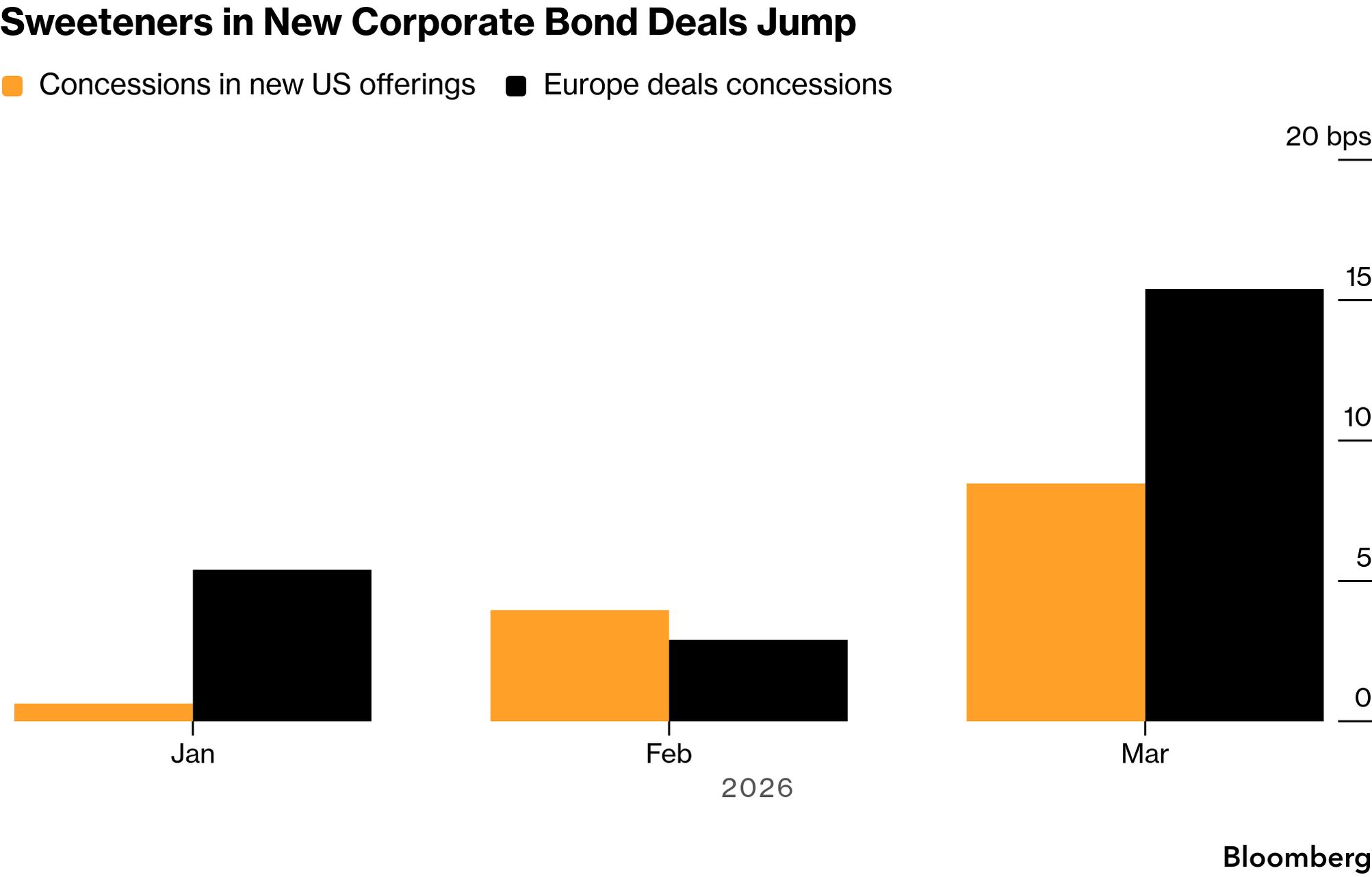
| Credit investors are increasingly in the driver's seat, scoring some of the highest new issue concessions in years. That's because companies that seize the occasional window for bond offerings are competing to entice buyers who want to be compensated for a growing list of risks. Adding sweeteners is becoming an imperative to attract buyers, especially as companies have to compete with other borrowers on days when risk sentiment is strong enough to allow bond issuance to resume. The dynamic is turning into a money-maker for investors already having to navigate the disruption of artificial intelligence, an energy crisis and the prospect of higher inflation. | |
|
| |
|
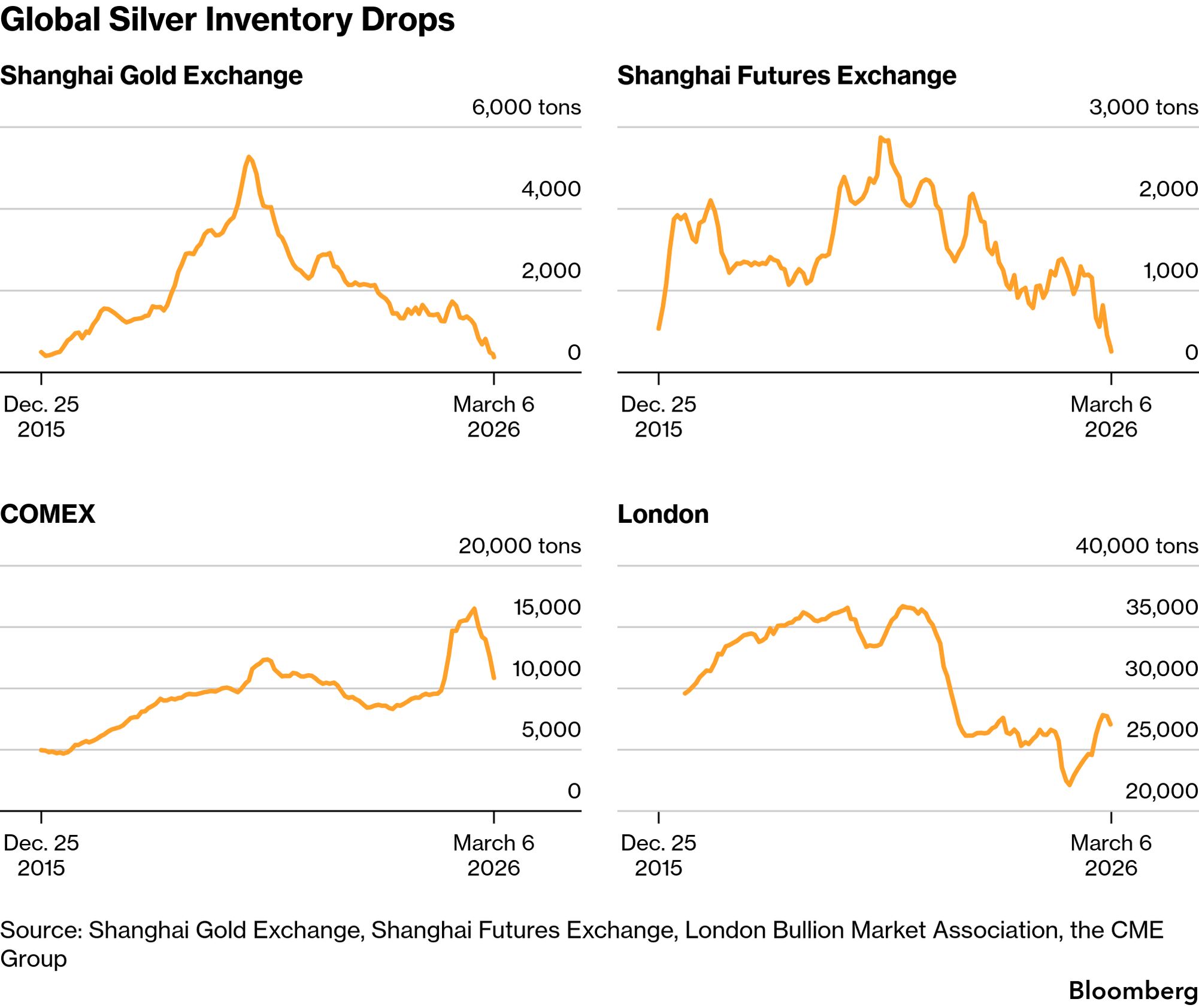
| China's ravenous appetite for silver lifted overseas purchases to an eight-year high at the start of 2026, as importers fed a surge in industrial and investment demand. That demand has pushed local prices well above international benchmarks, whittling down already-low exchange stockpiles and scooping up metal from abroad. Demand has come from both retail investors piling into silver bars (an alternative to increasingly pricey gold) and solar manufacturers front-loading production ahead of the removal of export tax rebates come April 1. The solar industry consumes about a fifth of annual supply, and is overwhelmingly located in China. | |
|
| UBS Group has been given the green light for a full-blown US bank license, a boost for the bank's ambitions to grow. The Swiss lender said it "has received approval to convert our US bank, UBS Bank USA, to a nationally chartered bank," calling it "an important milestone which underscores our long‑term commitment to the US and the continued investments we're making." The charter is a cornerstone of the effort by Chief Executive Officer Sergio Ermotti and UBS Americas President Rob Karofsky to boost profitability. While the division is big—it oversaw $2.3 trillion in invested assets across the Americas at the end of last year—UBS has long been vocal about the need to improve performance. | |
|
| |
What You'll Need to Know Tomorrow | |
| |
| |
| |
| Enjoying Evening Briefing Americas? Get more news and analysis with our regional editions for Asia and Europe. Check out these newsletters, too: Explore all newsletters at Bloomberg.com. | |
| |
Before it's here, it's on the Bloomberg Terminal. Find out more about how the Terminal delivers information and analysis that financial professionals can't find anywhere else. Learn more. Want to sponsor this newsletter? Get in touch here. | | | You received this message because you are subscribed to Bloomberg's Evening Briefing Americas newsletter. If a friend forwarded you this message, sign up here to get it in your inbox. | | |