| Read in browser | ||||||||||||||
 How are consumers around the world reacting to the second energy crisis in four years? They're breaking up with fossil fuels and going electric. Today's newsletter takes you from San Francisco to Lagos, where interest is surging for low-carbon technologies like EVs and rooftop solar panels as the Iran War pushes up the price of oil and gas. Plus, Zack Polanski stops by our Zero podcast to talk about his Green Party's remarkable rise in the UK and how he would bring down energy prices. Want all the latest on the intersection of energy, affordability and politics? Subscribe to Bloomberg News. The answer to volatilityBy Todd Woody Just weeks ago, the US electric car market looked moribund. Amid plummeting EV sales, dealers were offering discounts as Detroit automakers scrapped electric lineups to make more gas-guzzling SUVs. 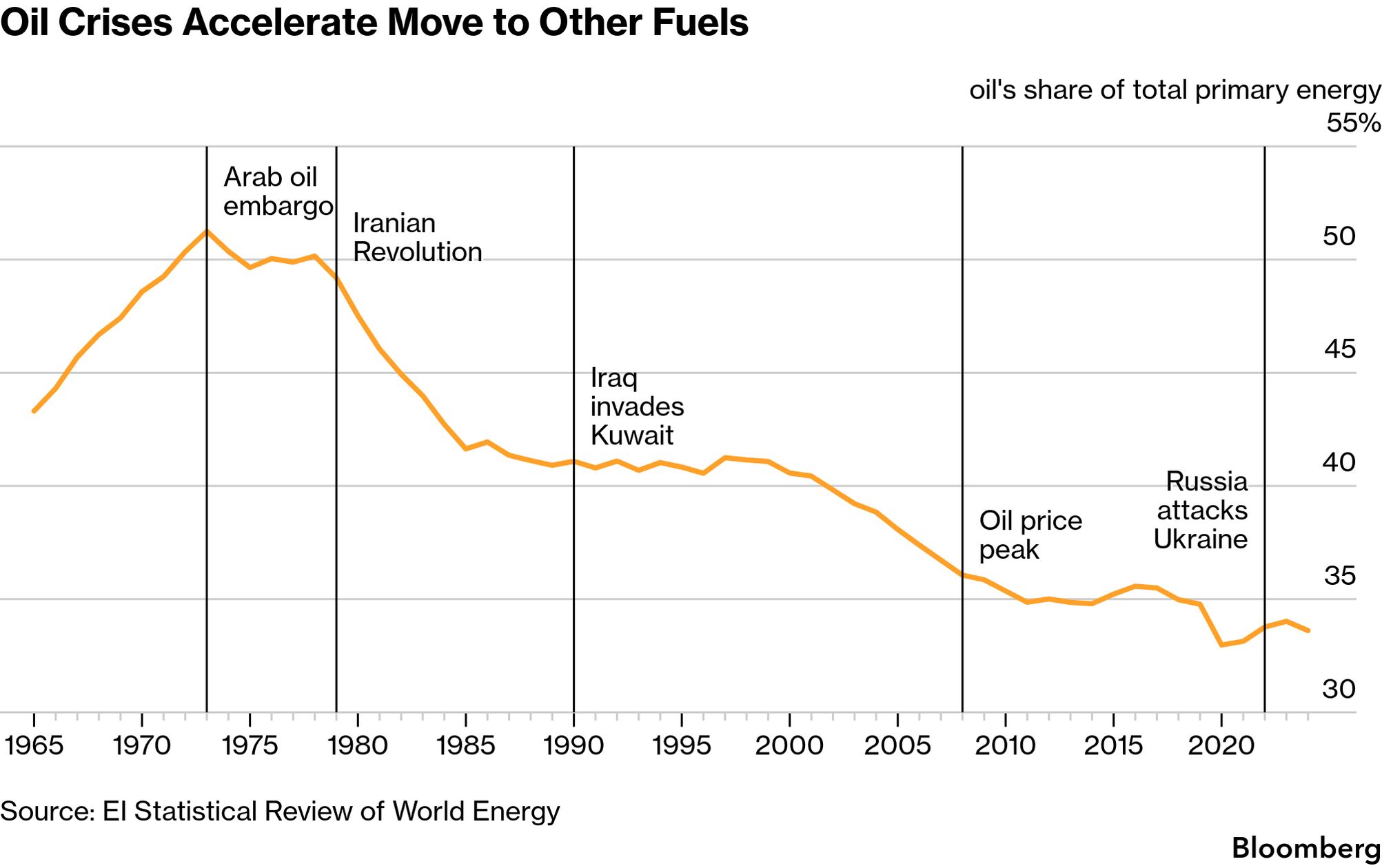 "Gas prices are coming up in almost every customer conversation," said Maximilian Quertermous, Ever's co-founder and chief operating officer. "The momentum of the last few weeks is among the strongest we've seen." Ever is just one dealership, but signs of a shift are playing out across the world. In Southeast Asia, buyers are flocking to Chinese EV giant BYD Co.'s stores, while electric rickshaws are selling out in Pakistan. A shortage of cooking oil in India is driving a run on electric stoves. From Germany to Nigeria, interest in rooftop solar is surging. And in the UK, some homeowners are taking the plunge on expensive heat pumps. 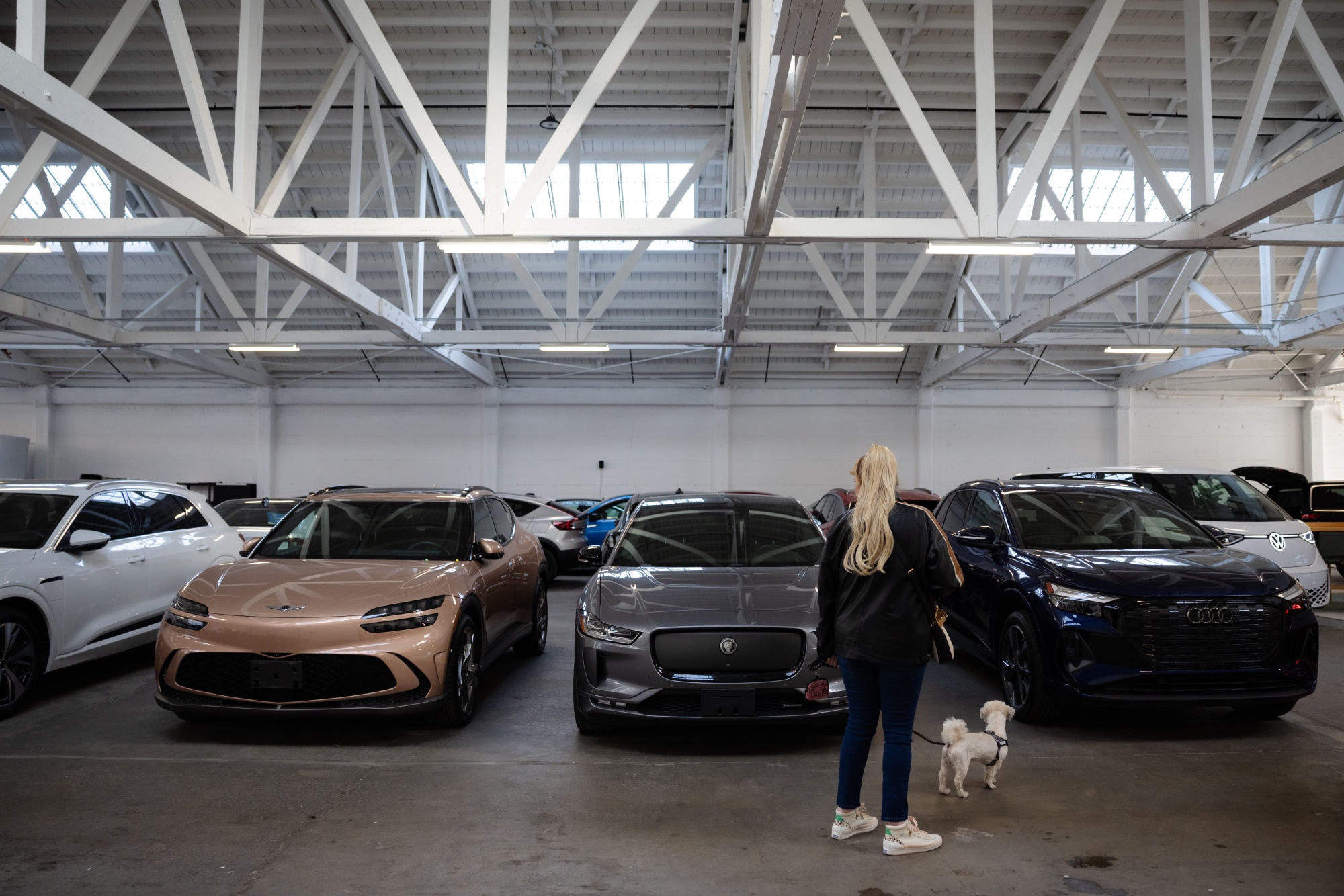 A customer looks at used electric cars inside the showroom of dealer Ever in San Francisco, on March 25. "We are in the middle of the second energy shock in the 2020s," said Kingsmill Bond, an energy strategist at UK think tank Ember, following the crisis triggered by Russia's 2022 invasion of Ukraine. "It will flow into people's decisions on what energy-hungry devices they buy." Consumers are responding to one of the largest disruptions in global oil markets by embracing low-carbon technologies that promise to lower gas and power bills. For many, the conflicts in Iran and Ukraine have driven home a harsh reality: the only path to energy security is going electric. These individual choices will likely pale in comparison to the increase in planet-warming pollution as many nations, particularly in Asia, turn back to coal to plug the energy gap. And the pain hasn't been as sharp elsewhere, like in the US, where abundant natural gas supplies have largely shielded power bills from war-related price shocks.  Maximilian Quertermous, Ever's co-founder and chief operating officer. Photographer: Manuel Orbegozo/Bloomberg Still, in Germany, where heating oil prices have risen 21% during the war and solar panels are easily available at IKEA and other big retailers, the reaction has been swift. "A switch was flipped," said Janik Nolden, chief executive officer of Solarhandel24, which sells solar panels. As temperatures remain chilly in March, calls from prospective buyers have tripled and sales so far have more than doubled from the previous month. The interest isn't just from people who want to fully electrify their homes. Some customers are looking at systems that combine solar panels with heating devices for hot water during the summer, even though they will continue to burn oil for other needs. "They were never really fans of solar and were satisfied with oil heating, but it has simply become too expensive," Nolden said. 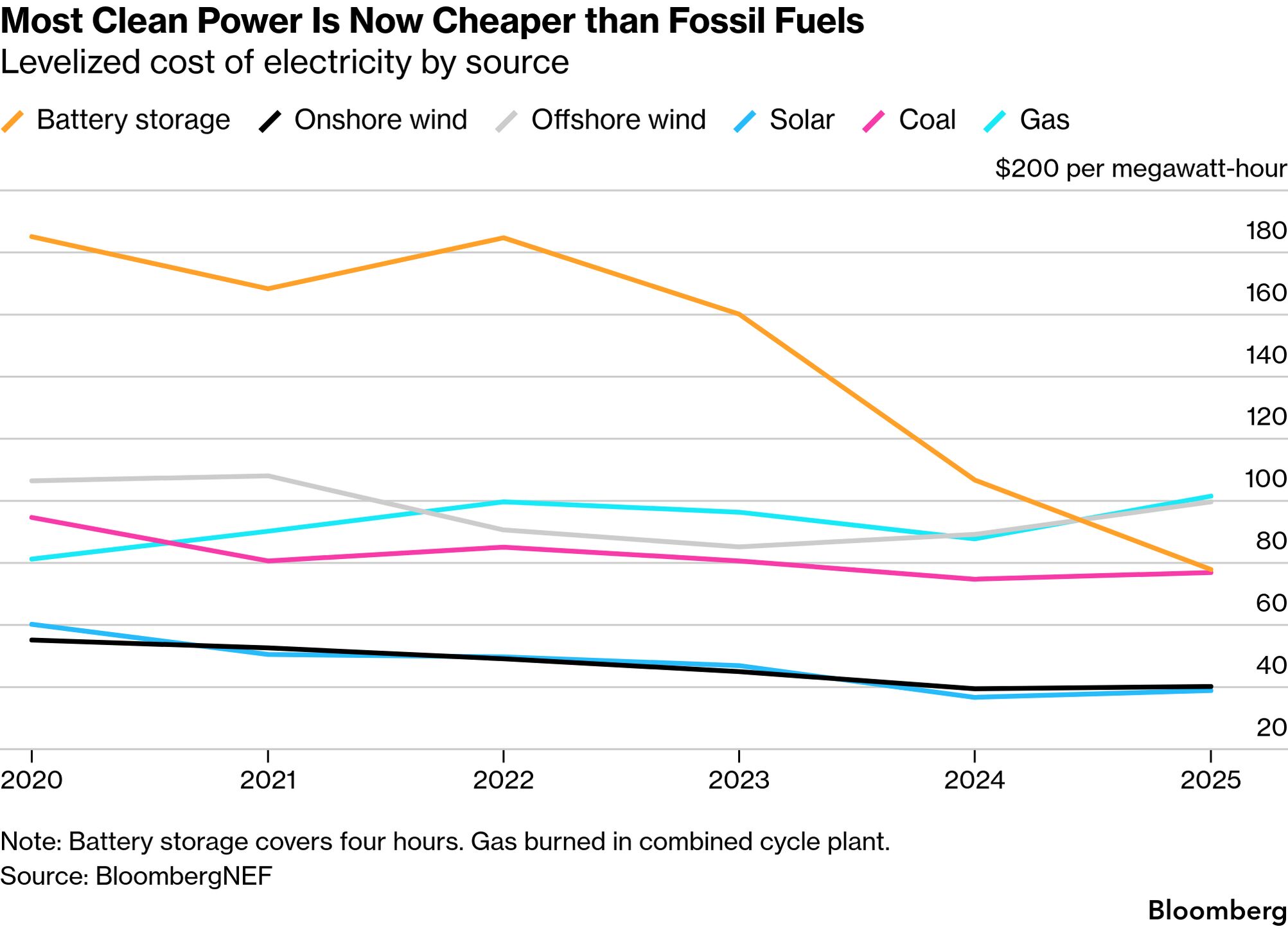 The war's unpredictable course and whipsawing energy markets are also pushing some consumers to seek stability. On Monday, oil prices fell sharply after President Donald Trump claimed the US was in talks with Iran on a resolution, only for Tehran to deny any negotiations were underway. Michael Lawson, a professional composer and psychotherapist who lives in the small UK village of Easton, isn't waiting to see how the conflict ends. He pulled the trigger on a heat pump and solar panels for his home soon after the US and Israel first launched strikes against Iran. "I heard what President Trump was up to and I thought circumstances are going to be unpredictable," said Lawson. For many developing nations, the search for solutions is critical. The energy crisis is hitting hardest in countries across Asia that depend heavily on imported fuel shipped through the Strait of Hormuz, which has been effectively closed by Iran. 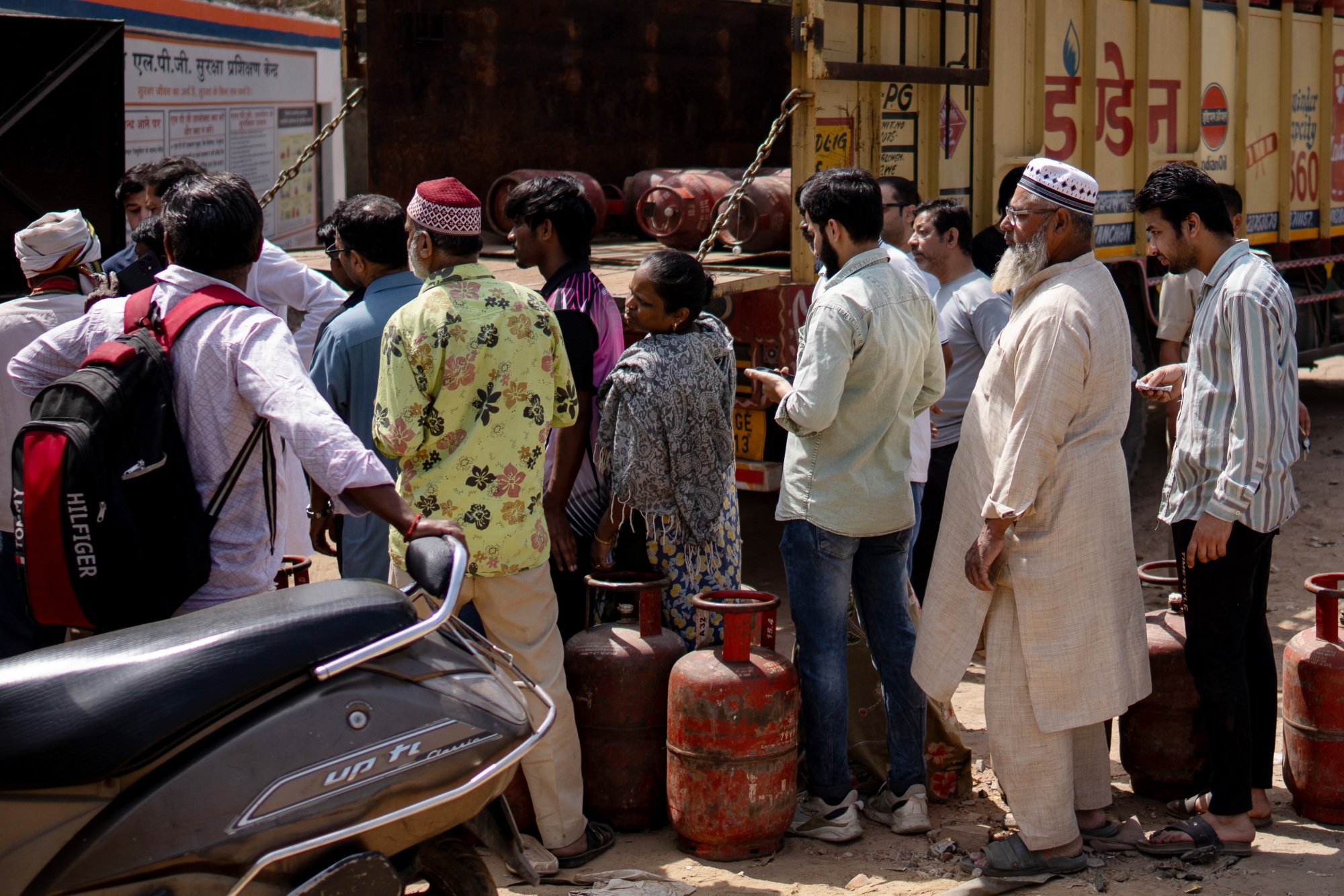 Queuing to buy liquefied petroleum gas (LPG) at a depot in New Delhi, India on March 16. Photographer: Anindito Mukherjee/Bloomberg That includes India, where more than 330 million households rely on canisters of liquefied petroleum gas (LPG) for cooking and 90% of the country's supply comes from the Middle East. Over the past two weeks, delivery times have stretched to 25 days from five in some parts of the country. The delays, rising prices and fears of shortages sparked a run on induction stoves. Online sellers on Amazon saw daily sales increase by 30 times, while those on Flipkart rose fourfold, according to local media reports. "We are out of supply but hope to bring back the supply soon enough," Venkatesh Vijayaraghavan, CEO of cookware brand TTK Prestige Ltd., reassured customers on March 14. In Nigeria, tens of millions of people use gasoline-powered generators for electricity. As fuel prices have risen, there's been a rush for rooftop solar, though the high upfront cost remains a barrier for many. "People who don't have solar want to get it, and those who have it want more panels to go fully off-grid," said Pensang Daniel, an independent solar installer in Lagos. Looking to ease costs, the government announced on March 17 that it had approved the purchase of electric buses for civil servants. But for many residents of poorer countries, it's not always about consumer choice. While EVs and solar panels have become cheaper and more available, they're not equally accessible across the world. "It's not just sticker price, but often the infrastructure to support it," said Claire Curry, head of technology, innovation and research at BloombergNEF. "Are there enough installers for solar panels or heat pumps? Are there enough chargers for EVs? As the infrastructure improves, the uptake increases." Read the full story about how consumers worldwide are trying to reduce their dependence on fossil fuels, and which companies are benefitting from the shift. Solar savings$6.3 billion The amount Pakistan will save this year by using the sun for power instead of buying oil and gas at elevated prices, according to a recent analysis. Out of gasBethelhem Eshetie Taxi driver in Ethiopia Even before the Iran War, gas was becoming too expensive for Eshetie to make ends meet. She now drives an electric car in a nation that banned the import of gas-powered vehicles and has seen EV sales take off. This week's Zero: Zack Polanski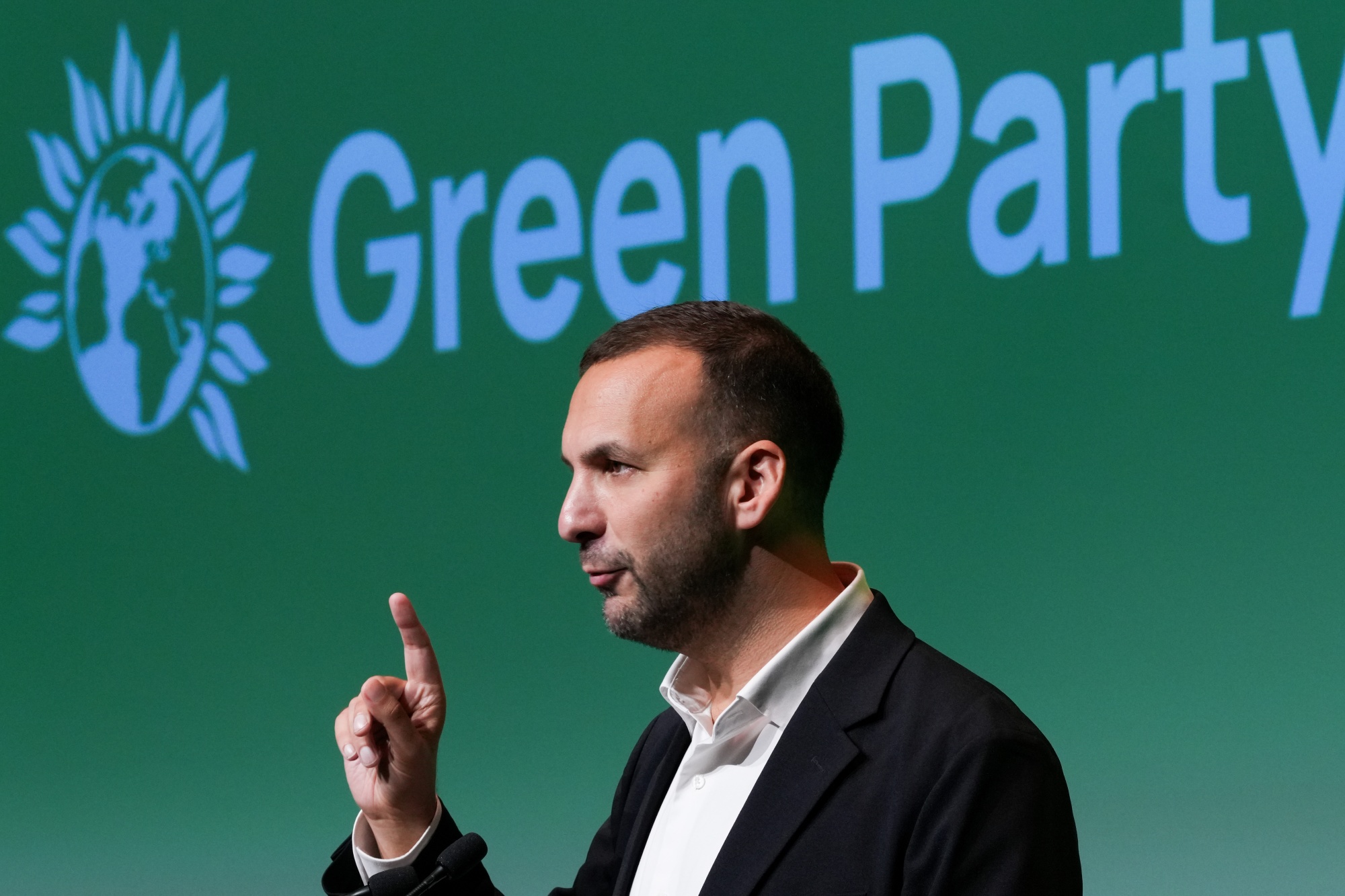 Polanski. Photographer: Carlos Jasso/Bloomberg Zack Polanski is challenging the notion that you can't be Green and a popular politician. Since he became the leader of the UK's Green Party in September 2025, he has run a campaign that's pushed his party ahead of the incumbent Labour and opposition Conservative parties in some polls. It's a remarkable rise in a short span of time. How did he pull it off — and what will he do if the Green Party gets into power? Listen now, and subscribe on Apple, Spotify or YouTube to get new episodes of Zero every Thursday. Weak climate actionBy Akshat Rathi After the US retreat from action on climate change under President Donald Trump and a timid set of new goals from China, attention focused on India — the world's third-largest polluter — to provide fresh momentum in global efforts to curb greenhouse gas emissions. A revised green strategy through 2035, endorsed by Prime Minister Narendra Modi's cabinet on Wednesday, instead outlines a more cautious approach to curbing pollution and reducing reliance on fossil fuels, limiting prospects for progress over the next decade among the three nations, which together account for almost half of all emissions. 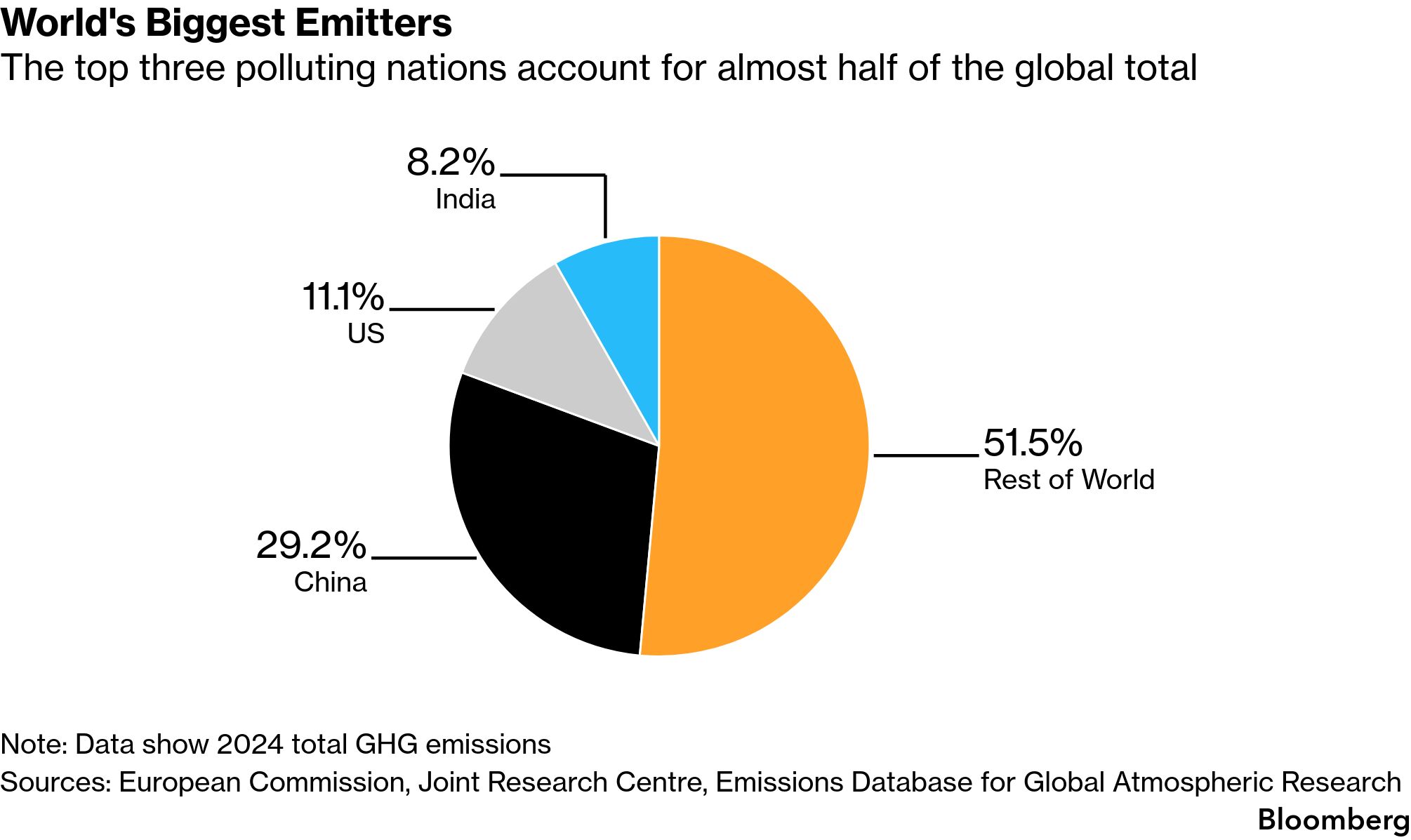 India's new plans extend the nation's focus on lowering emissions intensity — the amount of pollution per unit of economic output — rather than prescribe absolute cuts in greenhouse gases, and set a new target to cut the metric by 47% from 2005 levels by 2035. A previous goal called for a 45% reduction by 2030. Demands to boost the share of clean power in India's electricity mix, to 60% by 2035 from almost 53% now, are seen as similarly incremental. The targets demonstrate countries remain more focused on energy security than combatting global warming, and send a signal to other developing nations about the degree of ambition they should show, said Anne-Sophie Cerisola, a veteran climate diplomat. "Whatever a country with 1.4 billion people does matters, and whatever one of the fastest-growing emerging economies in the world does matters," said Cerisola, who's currently a distinguished fellow at the think tank Strategic Perspectives. 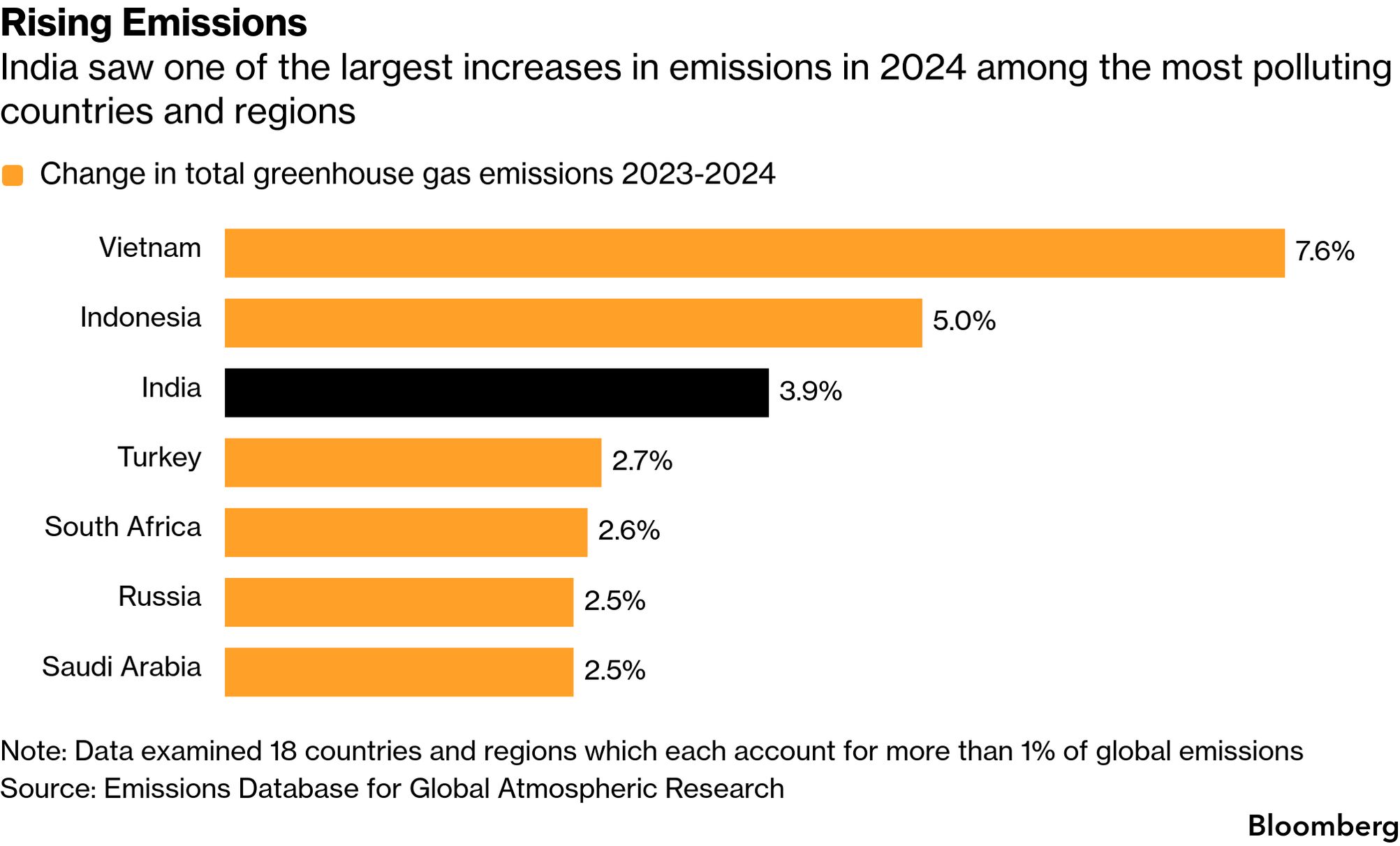 Published unexpectedly and more than a year past an initial United Nations deadline, India's strategy — known as a Nationally Determined Contribution, or NDC, and required under terms of the Paris Agreement — has already been criticized as underwhelming by some advocates of faster climate action. It's also viewed as reflecting two current realities: uncertainty across energy markets as a result of the Iran war, and India's wider challenge to balance ambitions for economic growth with its obligations to lower emissions. The plans have been shaped by "a rapidly evolving global landscape marked by a rollback of climate policies in the global north, unilateral climate-linked trade measures, and a war in the Middle East," said Vaibhav Chaturvedi, a senior fellow at New Delhi-based the Council on Energy Environment and Water, a think tank. There's a "growing understanding that energy security and prices cannot be taken for granted," he said. Read our full analysis of India's new climate plan. More from GreenThe Federal Emergency Management Agency said Wednesday it will fund up to $1 billion in disaster-resilient infrastructure under a grant program it had previously canceled and criticized as being wasteful. The move was prompted by an order from a US district court earlier this month, which had mandated in December that the Trump administration restore the Building Resilient Infrastructure and Communities (BRIC) program.  The Federal Emergency Management Agency (FEMA) National Response Coordination Center in Washington. Bloomberg In Europe's weather-driven energy markets, traders are turning to AI and machine-learning tools designed not to predict temperatures and precipitation, but to forecast the forecast. Mexico is developing climate models that will help prevent extreme weather events, part of a push to set up a public supercomputer that can use millions of data points to tackle national challenges. The Alberta and Canadian governments reached a deal to reduce methane emissions, the latest in a series of energy negotiations setting the stage for a new pipeline to the Pacific coast. More from Bloomberg
Explore all Bloomberg newsletters. We're improving your newsletter experience and we'd love your feedback. If something looks off, help us fine-tune your experience by reporting it here. Follow us
You received this message because you are subscribed to Bloomberg's Green Daily newsletter. If a friend forwarded you this message, sign up here to get it in your inbox.
|




Rave files antitrust lawsuit against Apple over removal of video-sharing app
Software developer Rave on Thursday filed an antitrust lawsuit against Apple , alleging that the iPhone maker kicked Rave's app for shared viewing of video content off the Apple App Store after introducing a competing product called SharePlay. ...