| Read in browser | ||||||||||||||

After 16 years in power, Hungary’s Viktor Orbán was unseated in elections yesterday. The result was a huge relief for Europe and a blow to Donald Trump and the global right wing, who’d strongly backed Orbán. Bloomberg Budapest bureau chief Thomas Escritt was on the scene and sends us this dispatch. Plus: The age of the overeducated barista, and managing a recession without a safety net. If this newsletter was forwarded to you, click here to sign up. The partying in Budapest went on almost until dawn, with people of all ages dancing, singing and waving banners to celebrate the downfall of a man who, for many, is the only leader they’ve ever known. Viktor Orbán, Hungary’s prime minister for 16 years, had been handed a resounding electoral defeat at the hands of one of his former acolytes. Orbán had made himself a favorite of the global right wing by rejecting what he called the decadence of the West and aligning himself with both Donald Trump and Vladimir Putin. And he’d managed to stay in power through four terms by manipulating election rules, packing the courts with allies, gerrymandering electoral districts and seizing control of the mass media. But in the end, not even that was enough to overcome voter dissatisfaction with flagging growth, decaying public services, a foreign policy stance that seemed set to drag the country out of the European Union, and concerns about rampant cronyism and corruption. 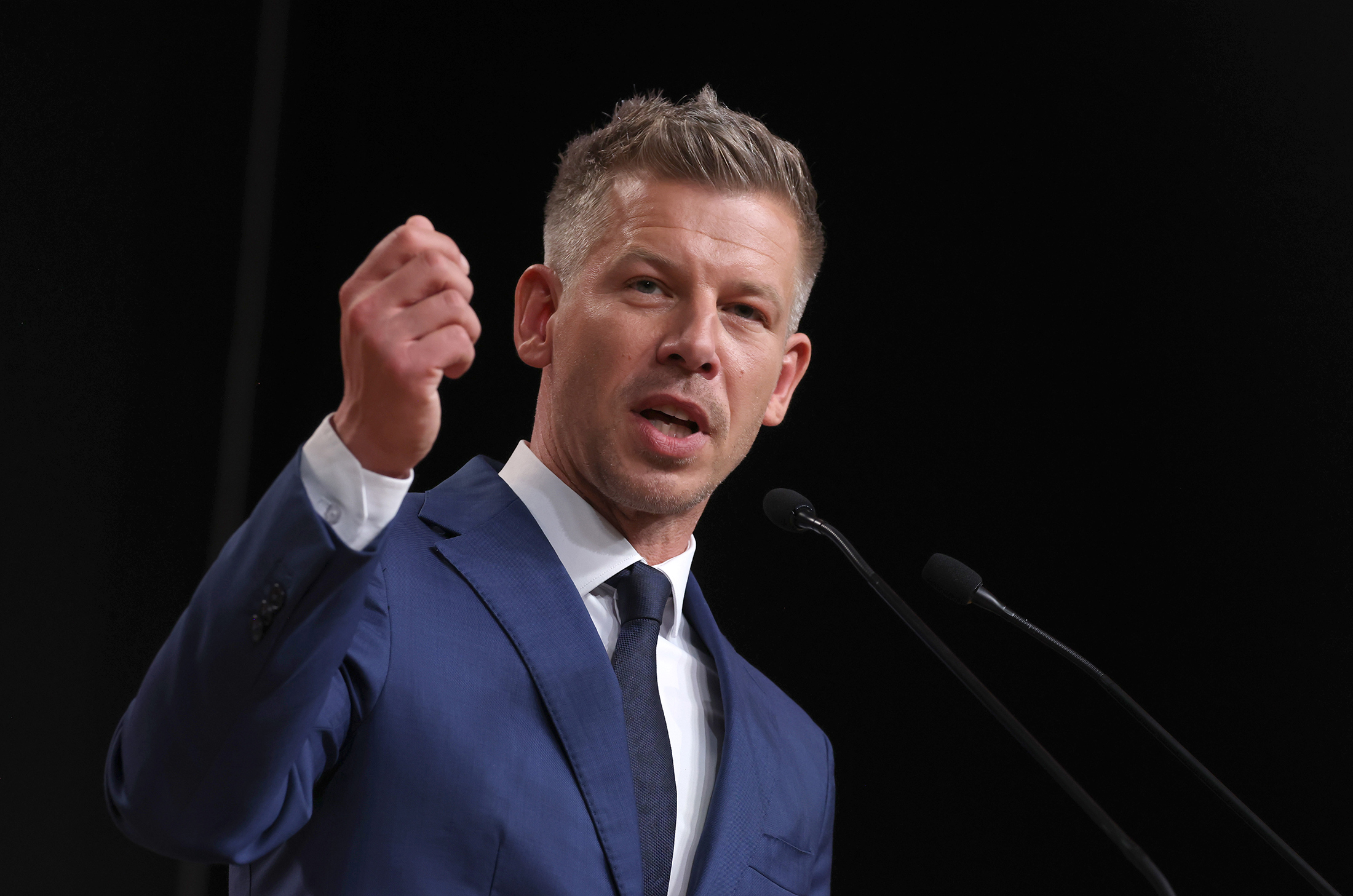
Magyar on Monday.
Photographer: Sean Gallup/Getty Images
Instead, voters swept 45-year-old Peter Magyar into office, giving his Tisza party—a broad group assembled with the express aim of toppling Orbán—more than two-thirds of the seats in Parliament. A member of Hungary’s ruling elite as recently as 2024, Magyar is no liberal, and he largely avoided campaigning on cultural matters. Instead, he promised to crack down on corruption, reclaim stolen public property, end the canoodling with Putin and recommit to the EU. And he endlessly excoriated Orbán for his utter lack of morality, his lying and his attempts to sow fear among the populace. Hungarians spent years under “Goebbelsian, North Korean-style propaganda,” Magyar told reporters on Monday. “The kind of propaganda that didn’t contain an ounce of truth, that tried to keep our parents and grandparents living in terror.” On Sunday evening, Magyar promised to govern for all Hungarians, and that seems to have been enough for the thousands of people dancing to everything from disco to dubstep on the banks of the Danube. “I feel European, and he’s European,” said Domokos Borsosfoldi, a 22-year-old student, echoing the sentiments of Hungarians who say there’s a more important axis than simply left versus right. Ultimately, Orbán’s Fidesz party was laid low by the growing divergence between its messaging and voters’ lived reality. In the final weeks, Orbán’s campaign pumped out endless messages on all media channels, making a bogeyman of Volodymyr Zelenskiy, insisting the Ukrainian president would drag Hungary into his war with Russia. But voters were consumed by other worries, such as the crumbling health-care system and the country’s growing estrangement from its European neighbors, which meant, among many other concerns, that their children were no longer welcome on student exchanges in Europe. Orbán’s emergence as an icon of the global right wing and his championing of what he calls “illiberal democracy,” has given Hungary an outsize profile on the world stage. So his defeat should sting his admirers: If someone who’d entrenched himself so deeply can be pushed from power, what does that mean for his foreign imitators, from Turkey’s Recep Tayyip Erdoğan to Trump? Magyar’s supermajority will give him the power to rewrite the constitution and purge the system of the loyalists Orbán placed at chokepoints throughout the Hungarian state apparatus. But he must step carefully, taking control of an economically vulnerable country at a time of unprecedented global instability. The economy remains tightly woven around Orbán’s political machine, so unwinding state ties to companies run by his cronies will be no small feat. And it all must happen fast, as voters are desperate to see a return to growth after three years of economic stagnation. One easy step will be ending Orbán’s blockade of a €90 billion ($105 billion) loan from the EU to Kyiv, which Magyar promised to do on Monday, though he said Hungary might not participate in the loan. That, in turn, should restore EU funding to Hungary, which had been frozen because of concerns about cronyism in the Orbán system. But he also said he would ask Orbán to reverse Hungary’s policy, since he’ll continue to serve as acting prime minister for several weeks. “It’s going to be at least a month before a Tisza government is formed,” Magyar said. “I told Orbán that if any issues involving international issues arise he should call me. He has my number now.” In Brief
Underemployed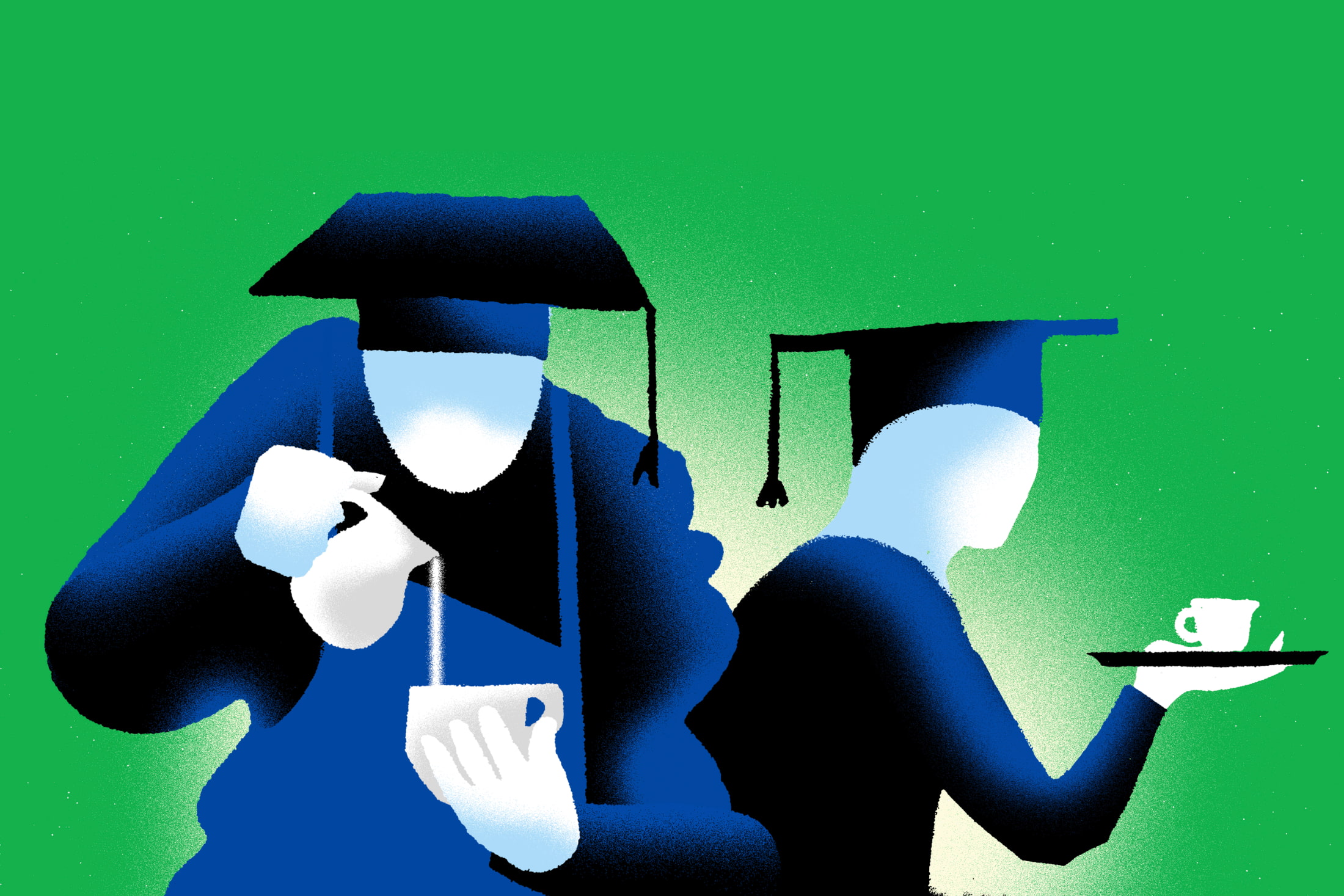
Illustration: Daniel Zender for Bloomberg Businessweek
They thought they did everything right: took on debt, sat through four years of lectures and labs, pulled all-nighters to write papers and cram for exams, and finally earned their college degrees. Now they’re left working jobs that high schoolers could land—ringing up customers at clothing stores, pulling espresso shots at coffee shops and nannying to make ends meet. Meet today’s growing class of underemployed college graduates, the term economists use to describe young people stuck in a job that doesn’t require the degree they earned. They made up almost 43% of US graduates age 22 to 27 as of December 2025, up more than 3 percentage points for the year and the highest rate since the pandemic, according to the New York Federal Reserve Bank. That’s a significant increase over just 12 months, though the rate still tracks below those logged during the Great Recession. Nearly 43% of young US graduates are underemployed. Paulina Cachero and Francesca Maglione on whether we should blame AI or a frozen hiring market. Richest Families$647 billion That’s the combined wealth of Asia’s richest families. Families behind companies from Samsung to Reliance are riding demand for chips, metals and infrastructure. Unprepared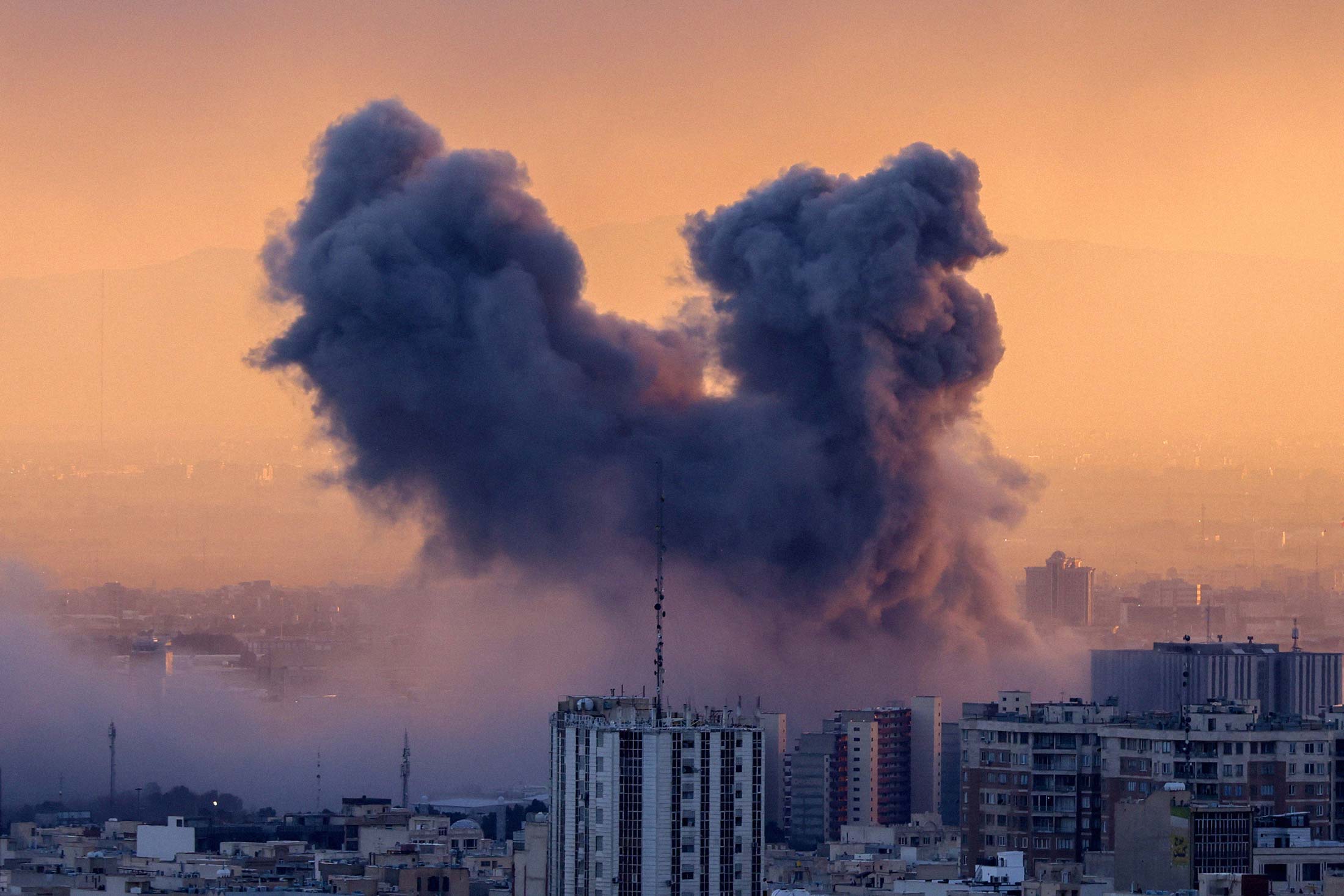
The aftermath of a strike on Tehran on March 3.
Photographer: Atta Kenare/AFP/Getty Images
For decades, global economic crises have prompted the world to band together. During the Great Recession, central banks rode to the rescue with massive monetary stimulus as international leaders drew up a coordinated response. A dozen years later, pandemic-era governments built on those 2007-08 learnings, adding unprecedented fiscal spending to the mix. Today, though, as central bankers and heads of state contemplate the potential fallout from the Iran war and the biggest energy crunch in half a century—or whatever cross-continental crisis comes next—it looks increasingly unlikely there’ll be another spurt of unified action. The spirit of cooperation is no longer there, and even if it were, there are major questions as to whether countries could even afford it. After years of responding to economic shock after economic shock, we’ve been left woefully unprepared to deal with another one. Jorgelina Do Rosario, Shawn Donnan and Enda Curran on why, after years of repeated economic shocks, the world may lack the tools it needs to stave off the next one. Meme Stock Apps“I don’t care if I have a hundred dollars or a hundred million dollars. I’ll stay with Robinhood.” David Easterwood 29-year-old retail trader in Phoenix Meme stock apps are piling on luxury offerings from F1 access to premium credit cards to keep wealthy clients from leaving. Read The Big Take here. Play Alphadots!Our daily word puzzle with a plot twist. 
Today’s clue: Place to find pitchers and batters? More From BloombergLike Businessweek Daily? Check out these newsletters:
Explore all Bloomberg newsletters. We’re improving your newsletter experience and we’d love your feedback. If something looks off, help us fine-tune your experience by reporting it here. Follow Us
You received this message because you are subscribed to Bloomberg’s Businessweek Daily newsletter. If a friend forwarded you this message, sign up here to get it in your inbox.
|



