| Read in browser | ||||||||||||||

Welcome to Balance of Power, bringing you the latest in global politics. If you haven’t yet, sign up here. Lebanon and Israel are about to hold their first direct talks in decades, a historic moment for two countries that have been locked in a state of war for decades. But the road to a peace deal is mired with difficulty. Lebanon wants a ceasefire before discussing other items in the US-hosted negotiations set to begin today. Israel doesn’t accept that and will demand, once again, that Lebanon disarms Hezbollah. The militant group, Iran’s most formidable proxy, has rejected the talks altogether and said it won’t abide by any terms set. Hezbollah has repeatedly opposed any attempts to force its surrender. Yet it’s under more pressure than ever, facing Israeli attacks and an army advancing into its most valuable strongholds in south Lebanon while dealing with a government in Beirut that has banned its military activity and wants to see it disarmed. 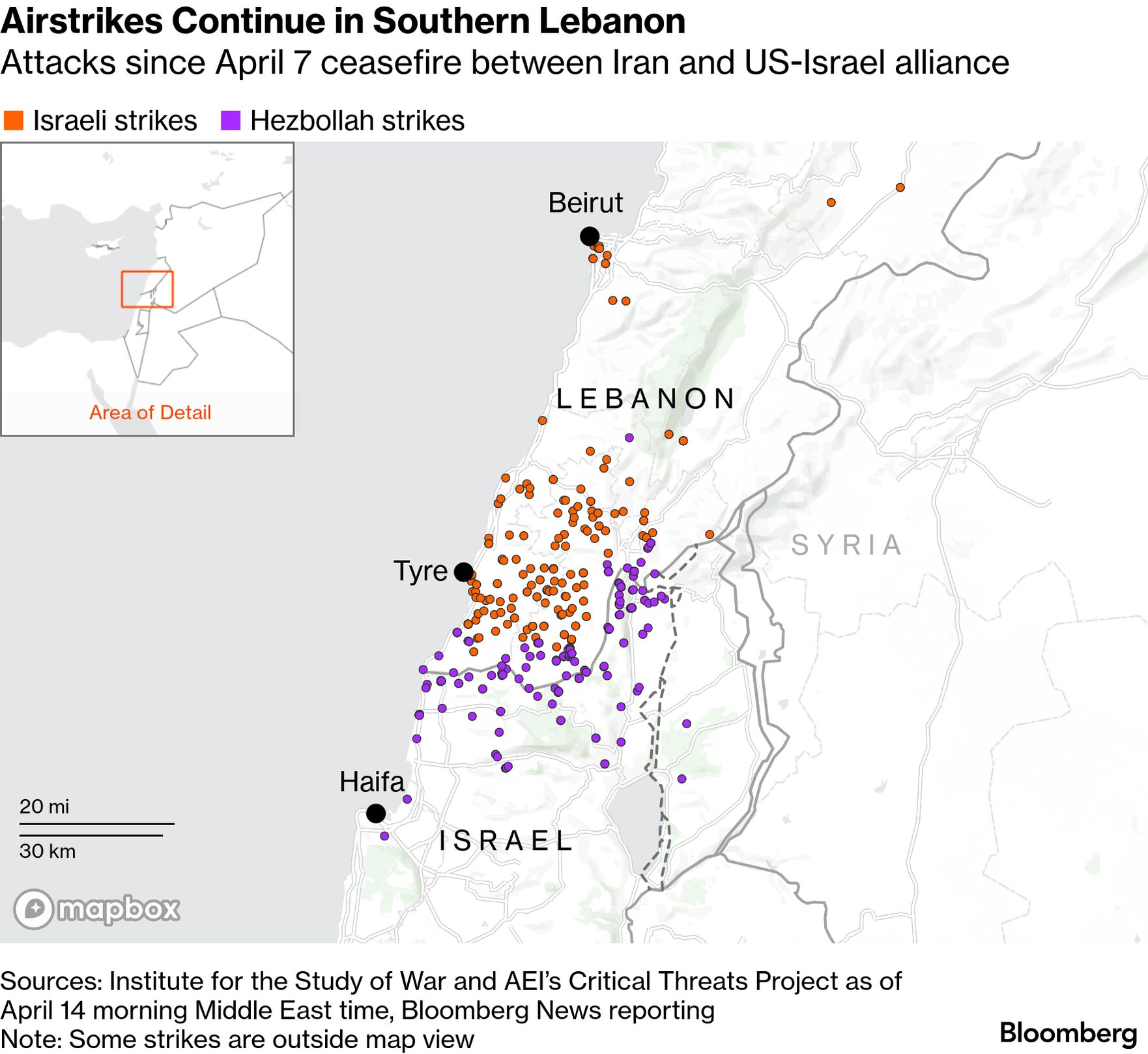
There is growing fear in Lebanon that Hezbollah could try to topple the US-backed government and thwart the negotiations — something it’s done before. One possible path to its surrender would be if Iran decides it no longer needs the group, perhaps in exchange for a US concession. Another would be if the regime in Tehran collapses. Both are hard to envision right now. Hezbollah has proven useful to Iran, helping to inflict damage in Israel by firing drones and rockets across the border. Some 2,000 Lebanese have died in this parallel conflict, as have 13 Israeli soldiers and two civilians. A peace deal would be a diplomatic win for President Donald Trump as he risks getting bogged down in Iran. Lebanon, though, would have the tough task of selling a deal to its population, some of whom are at risk of living under Israeli occupation as the army advances with plans to remain there to protect its northern communities. — Dana Khraiche 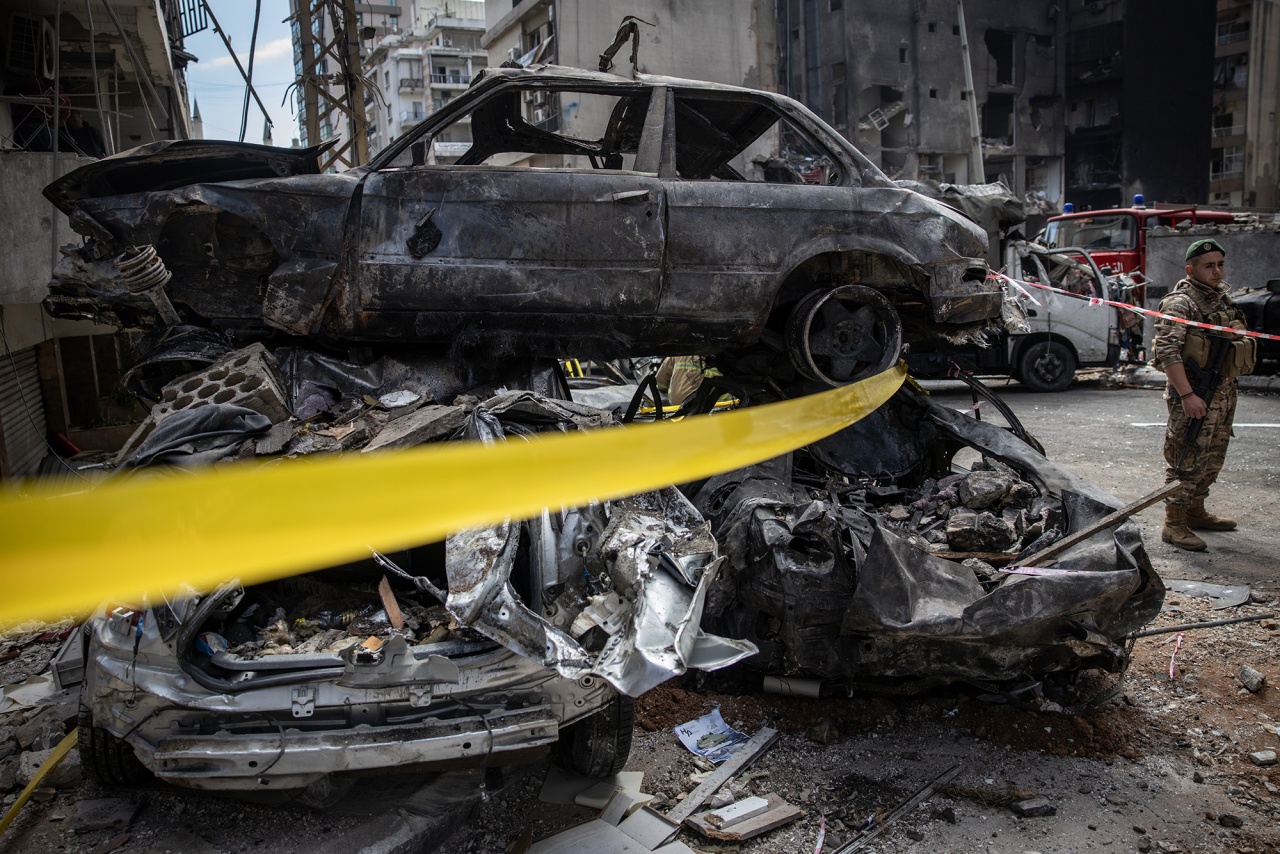
Vehicles destroyed in an airstrike in Beirut on April 9.
Photographer: Chris McGrath/Getty Images
Global Must ReadsTrump began a US naval blockade of the Strait of Hormuz cutting off vessels transiting to and from Iranian ports and coastal areas, a move intended to raise pressure on Tehran even as the countries weigh another round of talks to secure a longer-term ceasefire. Despite this, a US-sanctioned tanker linked to China is making its way through the area, testing the measure. 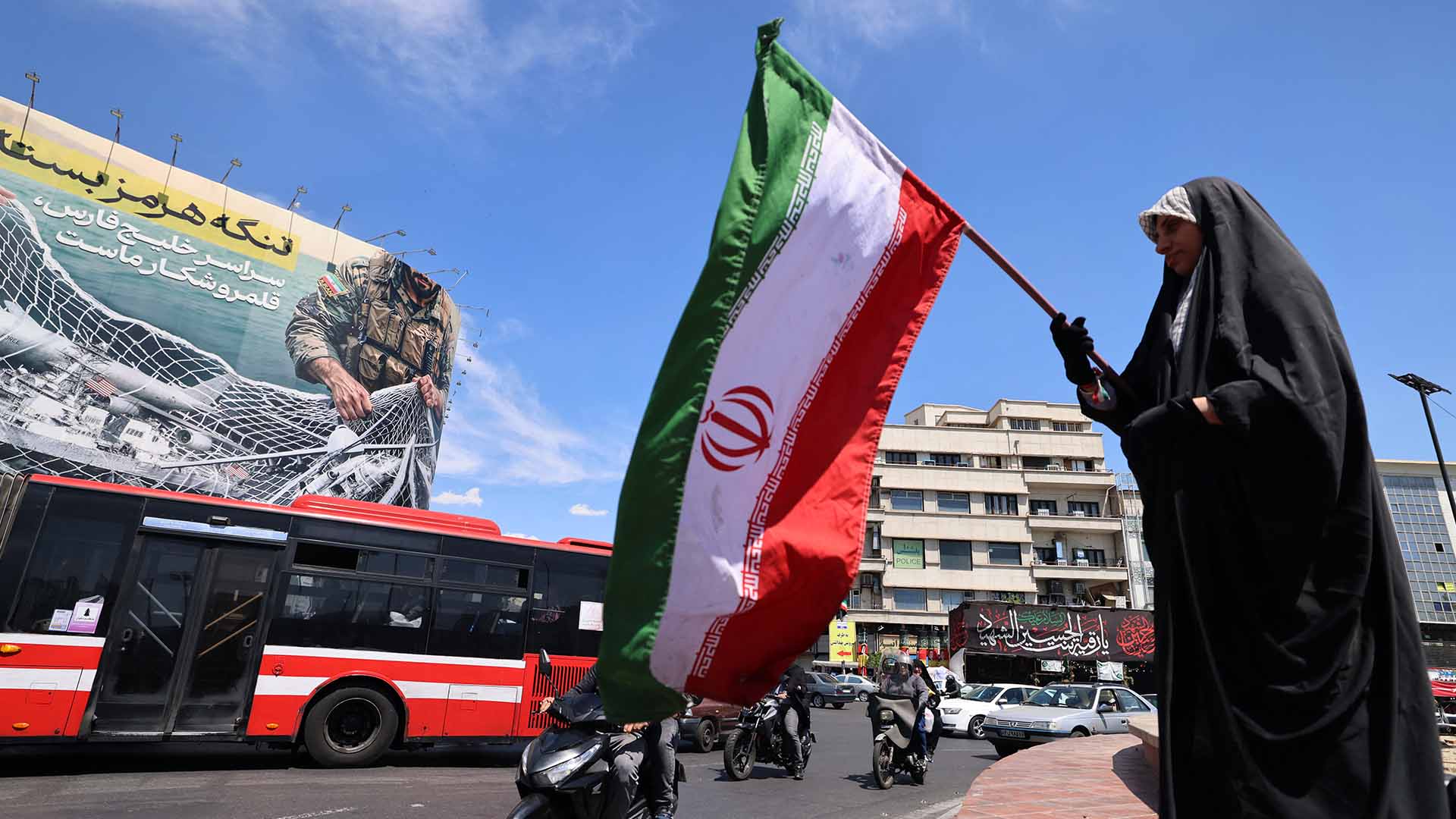 
WATCH: Trump began a blockade of the strait even as Tehran and Washington weigh more talks.
Chinese President Xi Jinping touted shared principles with Spain to counter a global order “crumbling into disarray” during an official visit by Prime Minister Pedro Sánchez, which comes after both sides have criticized US-Israeli attacks on Iran and called for peace. That war is meanwhile spurring a fresh wave of enthusiasm over prospects for China’s currency to more effectively rival the US dollar. Hungary’s next leader, Péter Magyar, wants to bring his country back into the European fold in a clean break with Prime Minister Viktor Orban’s 16-year antagonistic rule. Magyar called for a swift transition of power to allow him quickly to tap frozen European Union funds and said Hungary should eventually adopt the euro, while Orban called his Fidesz party to an April 28 congress to review the defeat. Keiko Fujimori, the second-place finisher for three straight Peruvian presidential elections, is positioning herself for a victory that would capitalize on the power structure she’s built over two decades in the shadow of her father’s contentious legacy. The 50-year-old conservative has pitched herself as a source of stability after years of impeachments and ousters, despite her role in that upheaval as a congressional power broker. The race to challenge her in a runoff remained deadlocked. 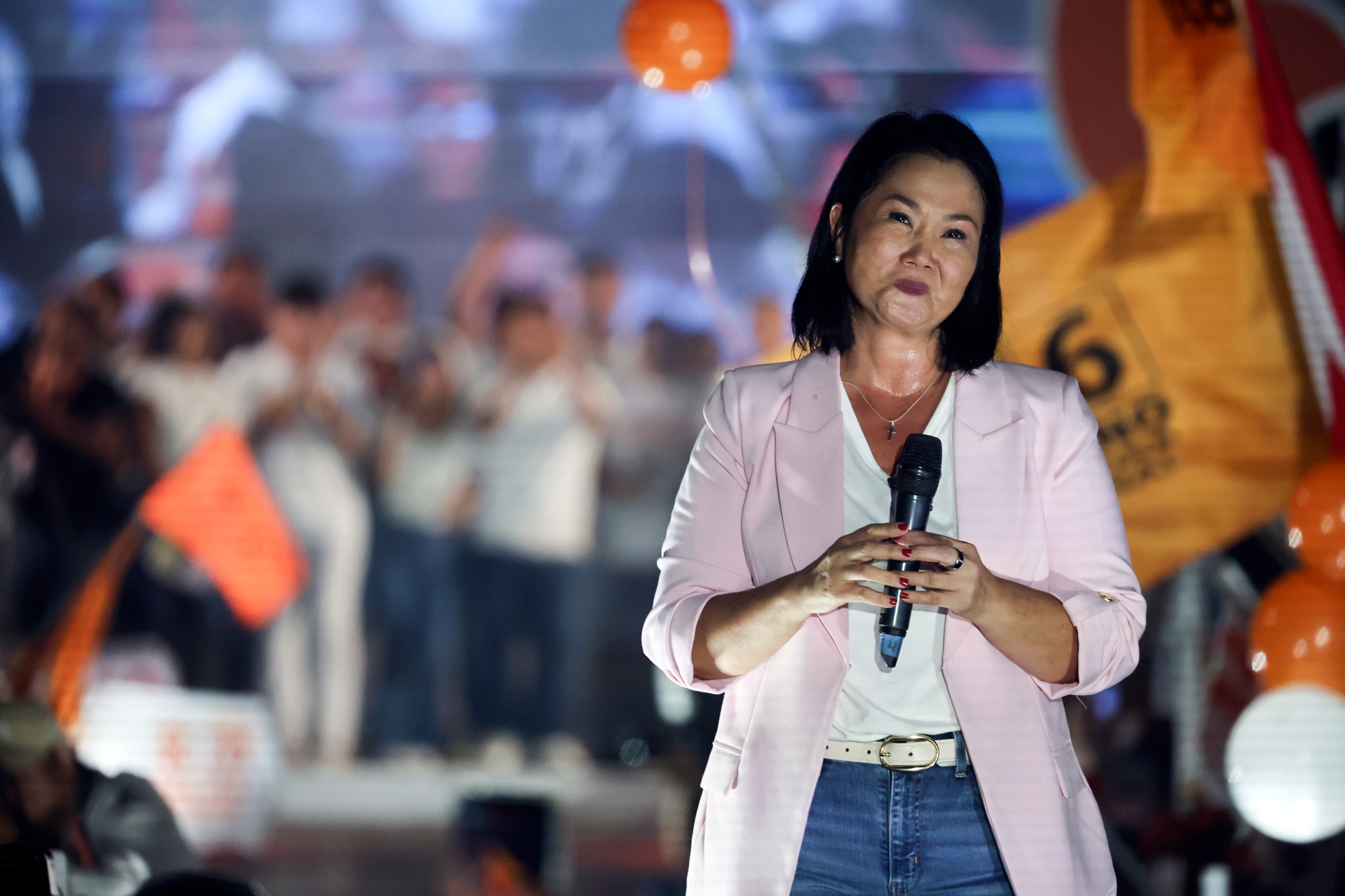
Fujimori at a campaign rally in Lima on April 9.
Photographer: Sebastian Castaneda/Bloomberg
During his first international visit as chief of staff to Ukrainian President Volodymyr Zelenskiy, Kyrylo Budanov posed for a photo near the tomb of Napoleon Bonaparte in Paris. Budanov’s respect for Napoleon is telling, as the former military-intelligence chief and decorated war hero embarks on his own attempt to straddle the military and political worlds, with observers wondering if he may one day seek Ukraine’s top job. Prime Minister Mark Carney secured a majority government in Canada after his Liberal Party won three key special elections, allowing his administration to push ahead faster with an economic agenda centered on expanding energy exports and reducing reliance on the US. Soaring electricity costs are burdening consumers and stirring voter anger across the US, propelling the once-mundane utility bill to the center of American politics ahead of November midterm elections. 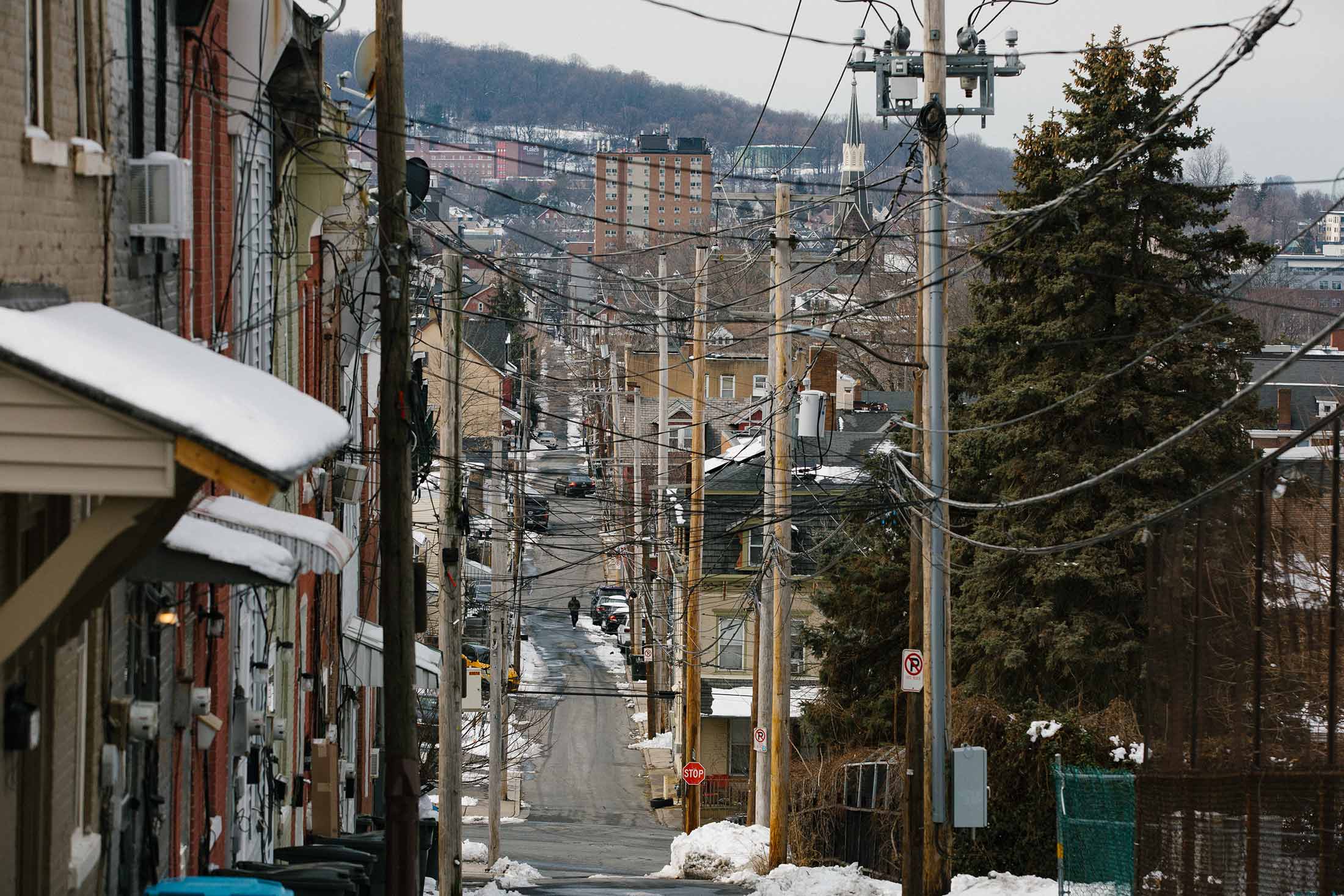
A residential neighborhood in Bethlehem, Pennsylvania, in February.
Photographer: Michelle Gustafson/Bloomberg
Italian Prime Minister Giorgia Meloni called Trump’s tirade against Pope Leo XIV “unacceptable,” exposing a growing rift with the US leader over his war on Iran. The president deleted a social-media post that seemingly depicted him as a Jesus Christ-like figure. Benin’s Finance Minister, Romuald Wadagni, secured a landslide victory in the West African nation’s presidential election, defeating his sole challenger in a race dominated by the ruling coalition. Sign up for the Washington Edition newsletter for news from the US capital and watch Balance of Power at 1 and 5 p.m. ET weekdays on Bloomberg Television. Chart of the Day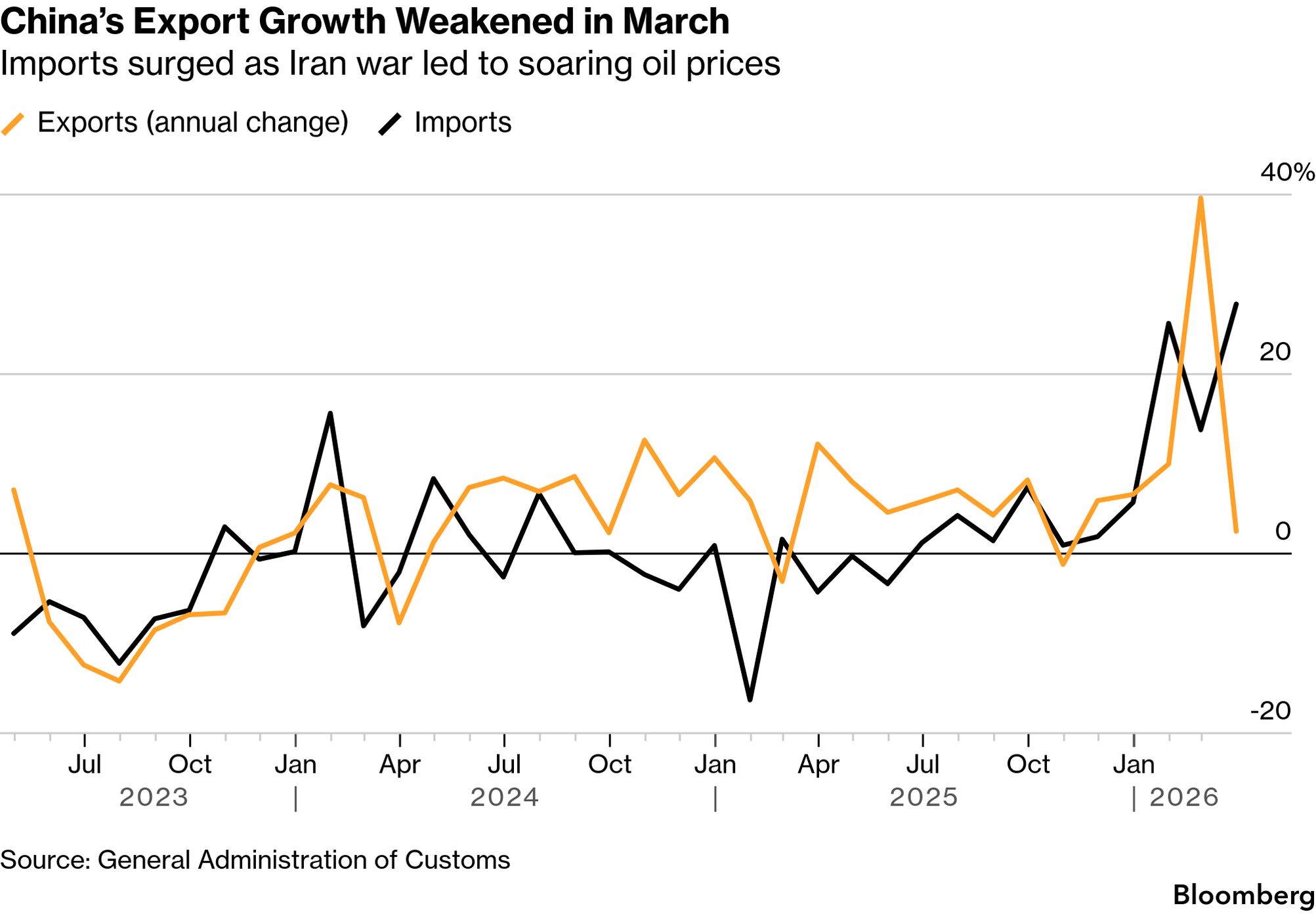
China’s export growth slowed sharply in March while imports surged, as seasonal distortions linked to the timing of the Lunar New Year combined with the fallout of the war in Iran on global energy supply. With purchases of refined oil products and other commodities jumping, imports climbed at the fastest pace since late 2021, reflecting a wild month for global markets and economies. And FinallyAlmost every day, workers at a kitchen in a coastal village in Indonesia’s southernmost province prepare about 2,500 meals for local schools and community health hubs. It’s one speck in a vast program that President Prabowo Subianto wants enacted at breakneck speed to provide free meals to every child across thousands of islands — regardless of whether they want or need them. The program was a pillar of his 2024 election campaign, but the cost is enormous, soaking up more than 6% of the national budget, and the outcome is so far hard to discern. 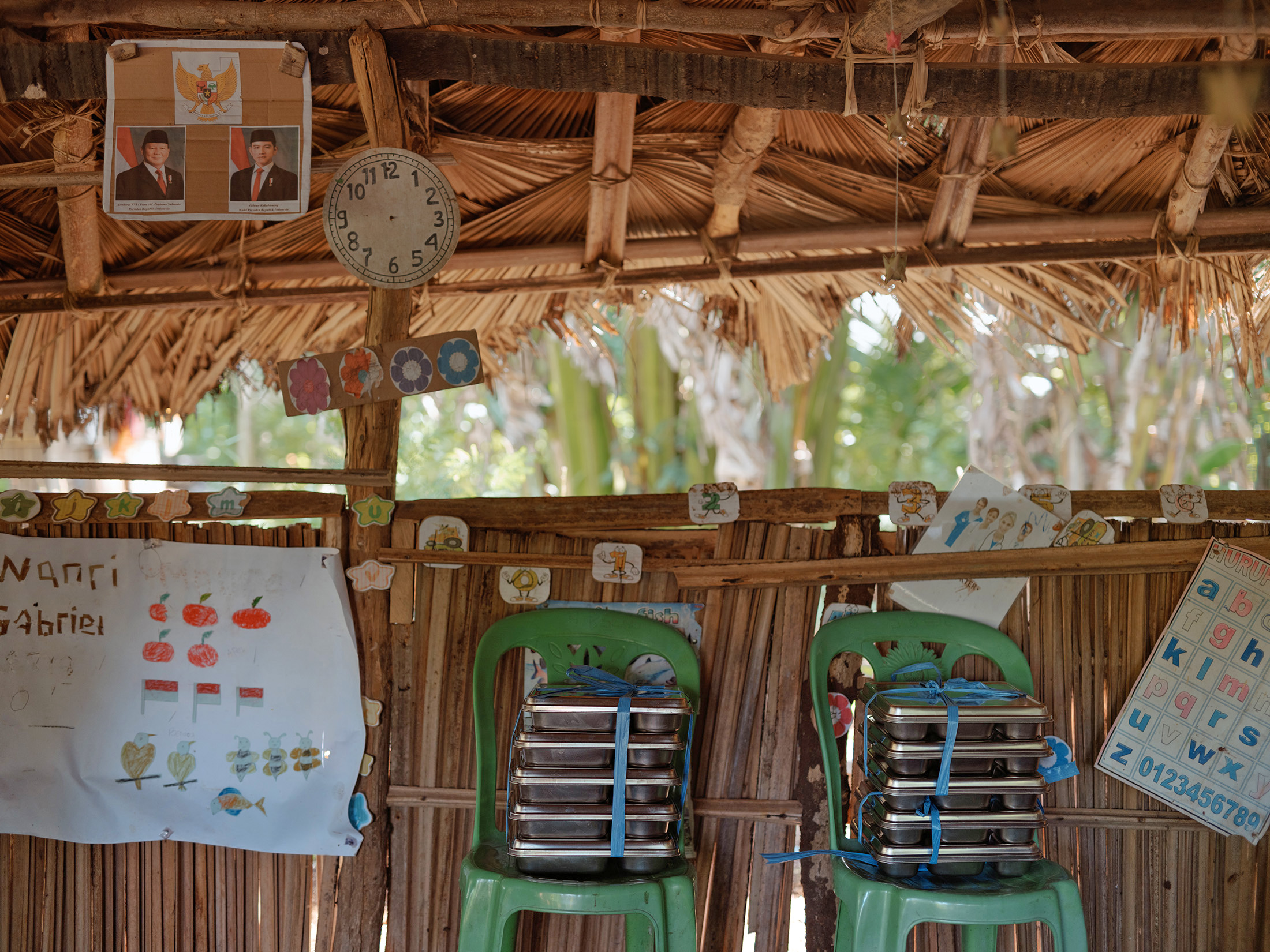
Stacks of free meals at a pre-school in Toineke, Indonesia, on March 3.
Photographer: Muhammad Fadli/Bloomberg
More from Bloomberg
We’re improving your newsletter experience and we’d love your feedback. If something looks off, help us by reporting it here. Follow Us
You received this message because you are subscribed to Bloomberg’s Balance of Power newsletter. If a friend forwarded you this message, sign up here to get it in your inbox.
|




Washington Edition: Trump’s weird week
Even by Donald Trump’s own standards, the past few days have been something else. ...