| Read in browser | ||||||||||||||
Welcome to Balance of Power, bringing you the latest in global politics. If you haven’t yet, sign up here. Oil hitting a wartime record illustrates the Iran conflict’s continued ability to upend the world two months in. But the geopolitical impact of the United Arab Emirates’ drive to carve out its own niche in the region may prove to be a more permanent shift. The UAE leaving OPEC was perhaps less of a shock to the oil cartel itself. Some believe the emirates will have little choice but to continue working with it to keep global energy markets stable. Still, the UAE is likely to eventually raise production and US President Donald Trump said the move would help lower energy prices. 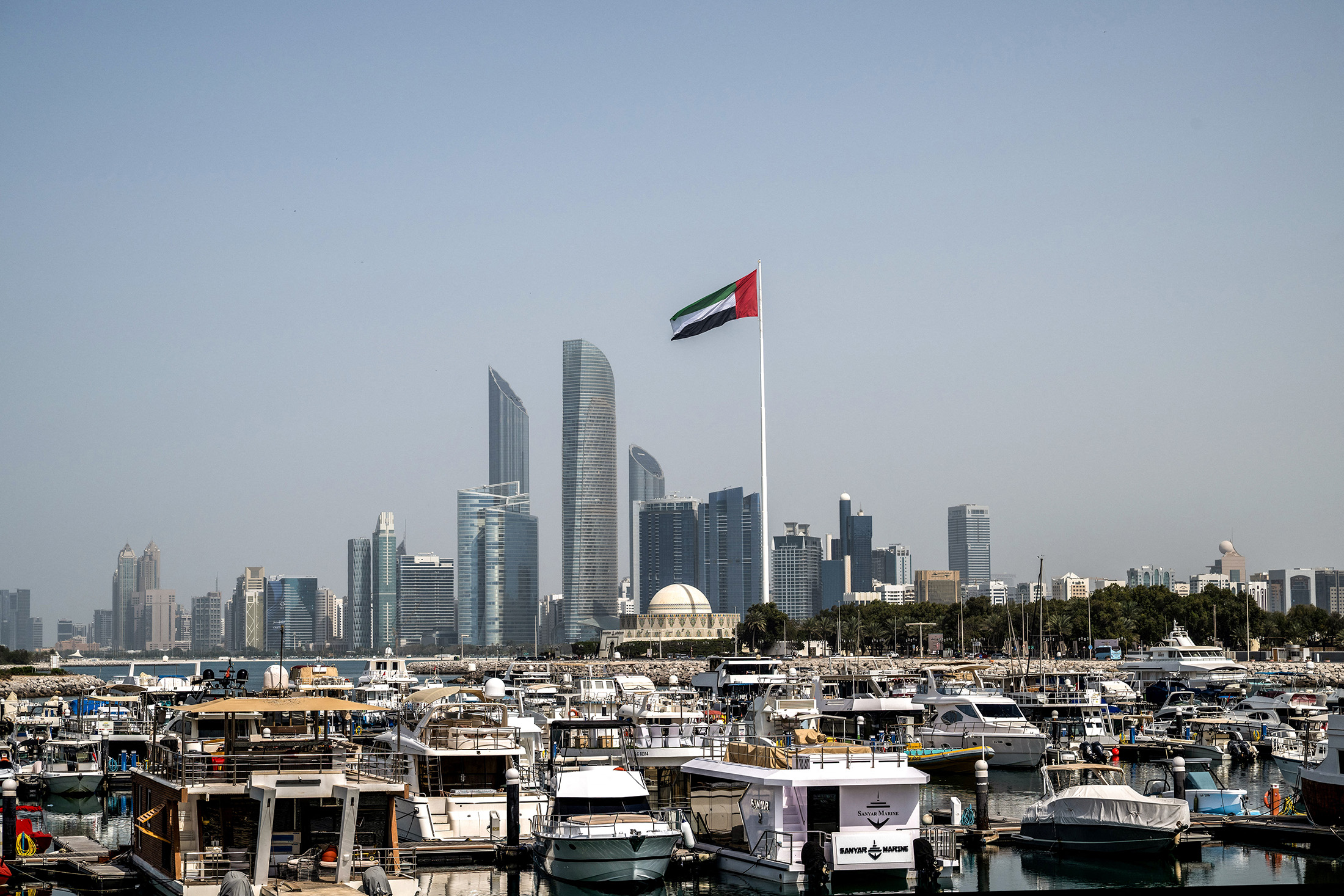
The UAE flag and the Abu Dhabi skyline on March 1.
Photographer: Ryan Lim/AFP/Getty Images
It’s very much in line with the UAE’s push to lead change in a post-oil era. The timing meant oil prices didn’t drop. OPEC is, after all, of little consequence while the Strait of Hormuz remains blocked. More difficult to predict is how the regional power play will unfold. Gulf heavyweight Saudi Arabia hasn’t seen eye to eye with its neighbor for years. The UAE is regarded by some as causing fragmentation in an already fragile region through forging an alliance with Israel and refusing to rein in global ambitions spanning Yemen, the Horn of Africa and Sudan. Underscoring its unilateral approach, the UAE is reconsidering its membership of two regional bodies in which Saudi Arabia holds sway — the Arab League and Organization of Islamic Cooperation — while weighing its long-term involvement in the six-member Gulf Cooperation Council. The moves could be read as an indictment of Saudi failures within the GCC and larger Arab world. The divergent camps reflect how many now perceive the future of regional security. An alliance led by Turkey and Saudi Arabia may emerge, and maybe down the line, one with a different Iran. Without the UAE, it may be easier for others to work together on what to do about Israel. You can’t change geography. But it’s hard to escape the sense that a new balance of power is arising. — Fiona MacDonald 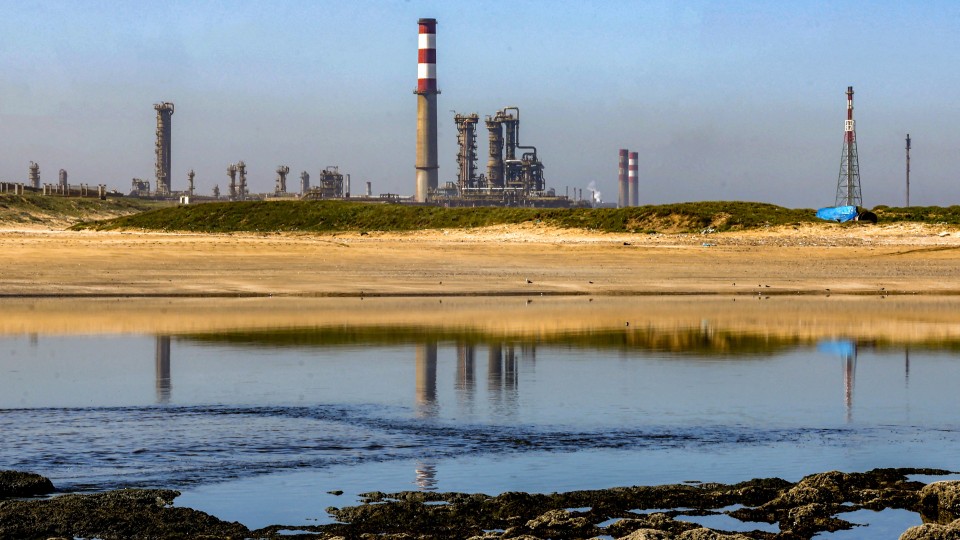 
Bloomberg’s Alaric Nightingale reports on the UAE’s exit of the OPEC alliance.
Global Must ReadsBrent oil hit its wartime high after Axios reported that Trump is set to receive a briefing on new military options for action in Iran, signaling the potential for fresh escalation. The US is seeking forfeiture of two Iran-linked oil tankers seized by naval forces enforcing a blockade against the Islamic Republic, a senior administration official said, without indicating whether the crude on board will be confiscated. 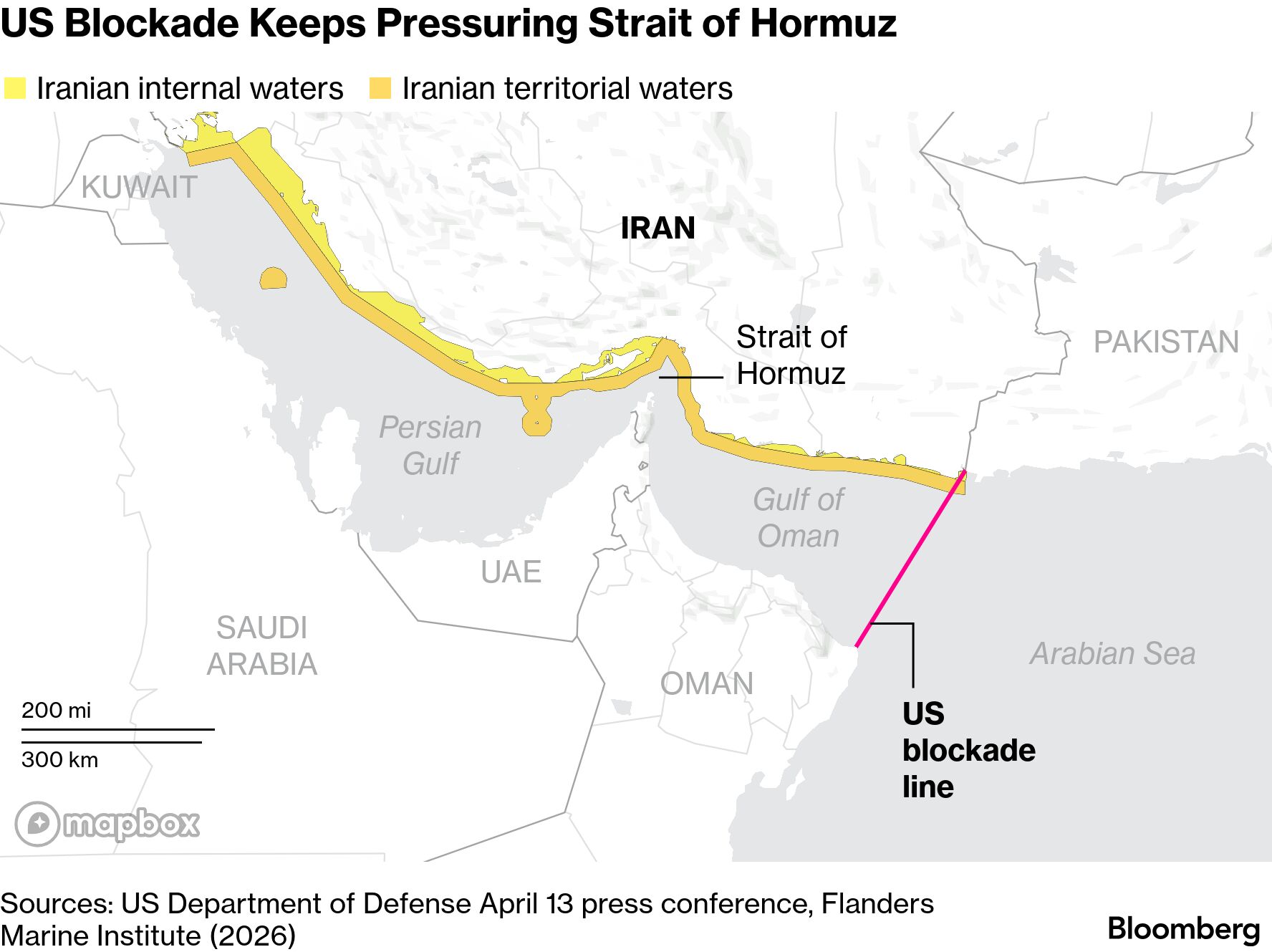
Jerome Powell plans to remain at the Federal Reserve as a governor after his term as chair of the US central bank ends, saying ongoing threats of investigations into him and the institution left him with no option. Treasury Secretary Scott Bessent said his decision was a “violation” of Fed norms and amounted to an insult to other governors. Less than two years into a presidency rocked by Trump’s unpredictable moves, Mexican leader Claudia Sheinbaum is facing her toughest choice yet in US relations. Indictments in New York against current and former Mexican officials over alleged drug-related crimes have her under pressure and with the US requesting extraditions in the case, this threatens her political support at home while bringing her closer to a clash with the Trump administration. Brazil’s Senate rejected President Luiz Inácio Lula da Silva’s nominee to fill a vacant seat on the Supreme Court, a stinging political setback for the leftist leader as he seeks reelection. Lawmakers voted 42 to 34 against the appointment of Attorney General Jorge Messias, Lula’s top legal adviser and a prominent evangelical Christian, the first time the Senate has rejected a presidential nominee for the top court since 1894. Trump said he held a “very good” call with Vladimir Putin and encouraged him to conclude the war in Ukraine while rebuffing an offer from his Russian counterpart to help secure Iran’s nuclear material. The Kremlin account of the discussion was that Putin offered a temporary truce for the annual celebration of the World War II victory over Nazi Germany, which Russia marks on May 9. 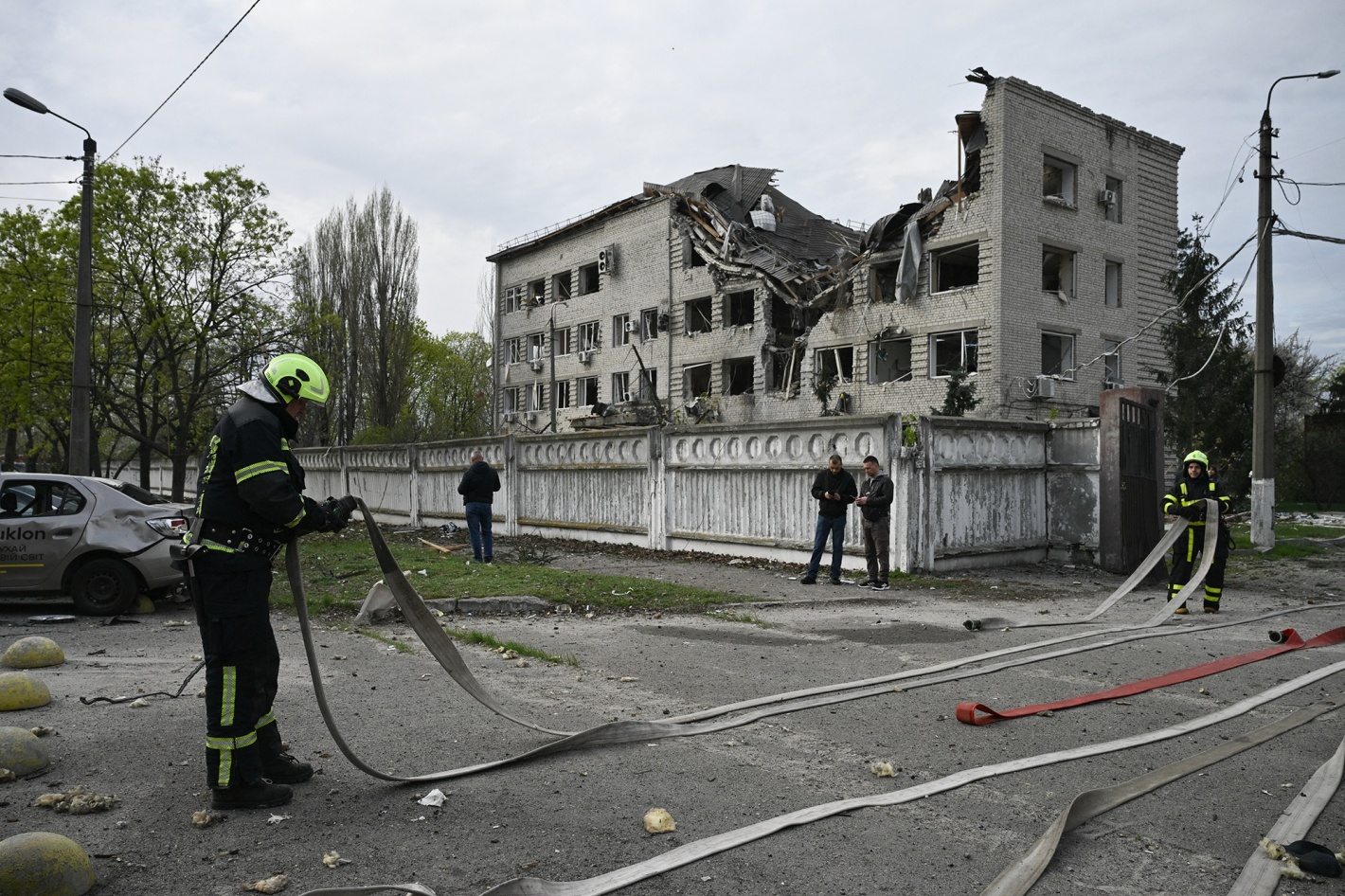
The site of a Russian strike in Kyiv on April 16.
Photographer: Genya Savilov/AFP/Getty Images
Trump said the US is reviewing its troop levels in Germany and will decide soon whether to reduce that number, escalating tensions with a core NATO ally over the war in Iran. Prime Minister Narendra Modi had a slight edge over his main rival in the key Indian state of West Bengal, exit polls from the closely contested election suggested, potentially giving the ruling party the chance to govern the region for the first time. Keir Starmer’s governing Labour Party is set to lose 1,850 seats in a crunch set of local elections next week, according to analysis by an expert in UK local voting signaling an outcome that may put the premier’s position in peril. Argentina’s Javier Milei emphasized his support for an embattled member of his government, standing proudly by a cabinet chief embroiled in the type of corruption scandal he vowed to eradicate upon taking office as president. 
Milei, flanked by his sister Karina and cabinet chief Manuel Adorni, at the National Congress in 2025.
Photographer: Anita Pouchard Serra/Bloomberg
Trumponomics shifts focus from a largely uneventful near-term outlook for US interest rates to a more consequential question: What comes next under Kevin Warsh, Trump’s pick to lead the Federal Reserve? Host Stephanie Flanders is joined by Krishna Guha, vice chairman and head of economics and central bank strategy at Evercore ISI. Listen to Trumponomics on Apple, Spotify or wherever you get your podcasts.
Sign up for the Washington Edition newsletter for news from the US capital and watch Balance of Power at 1 and 5 p.m. ET weekdays on Bloomberg Television. Chart of the Day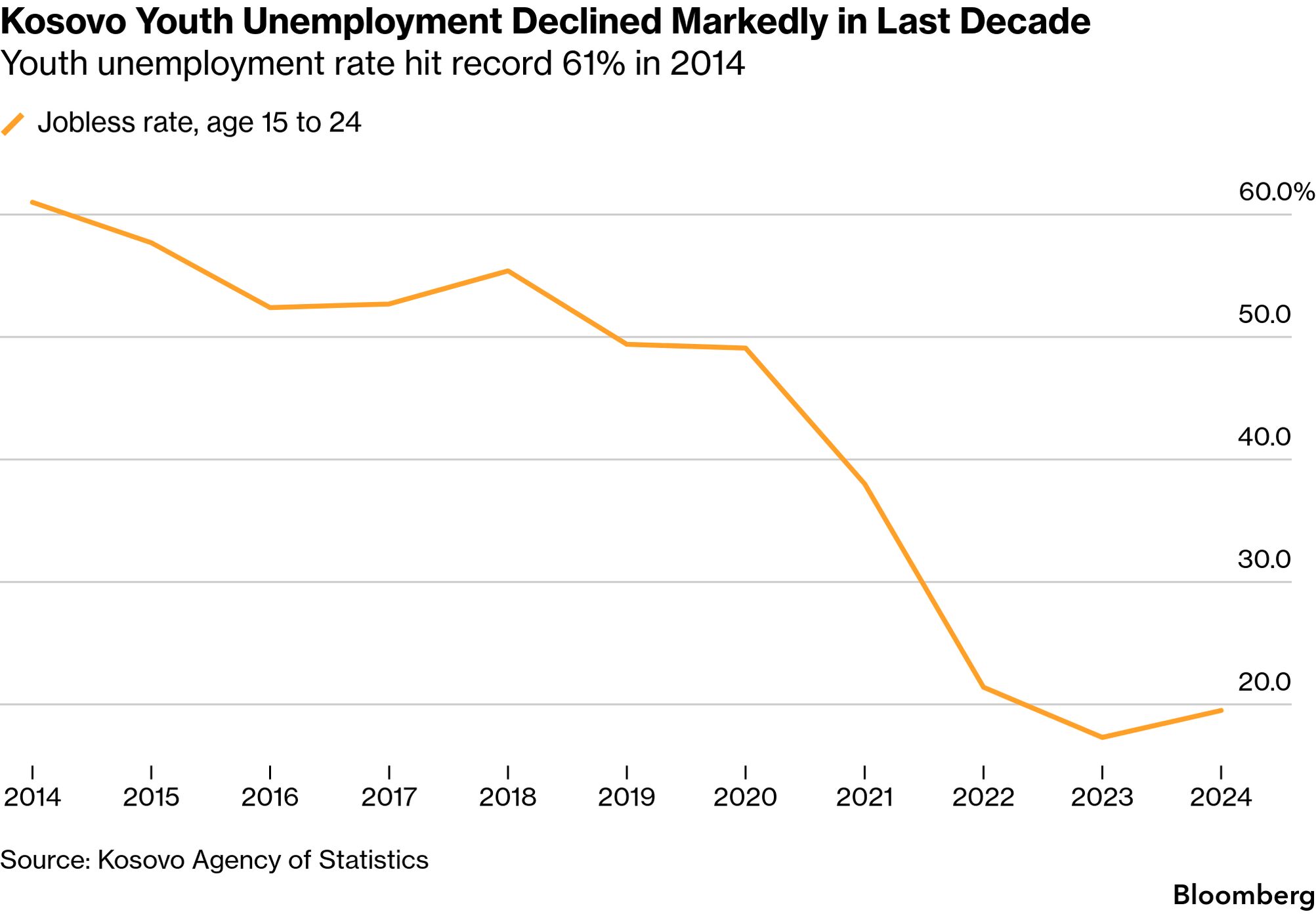
It’s been nearly two decades since Kosovo declared independence from Serbia, and Europe’s youngest country remains one of its poorest. But Kosovo’s vibrant IT scene isn’t just changing the capital Pristina’s skyline: It is helping to curb one of the most stubborn economic problems in the Western Balkan nation of 1.6 million people — high youth unemployment. Government officials and entrepreneurs hope this will, in turn, slow a long-running brain drain. And FinallyA tiny brooch worn by Venezuela’s new US-supported leader Delcy Rodríguez has become a diplomatic lightning rod because it depicts a map of the nation incorporating the Essequibo, a region claimed by Venezuela but which is part of neighboring Guyana. The border controversy is a legacy of British colonialism and is flaring up ahead of hearings at the International Court of Justice, which will consider the validity of an 1899 Arbitral Tribunal Award. 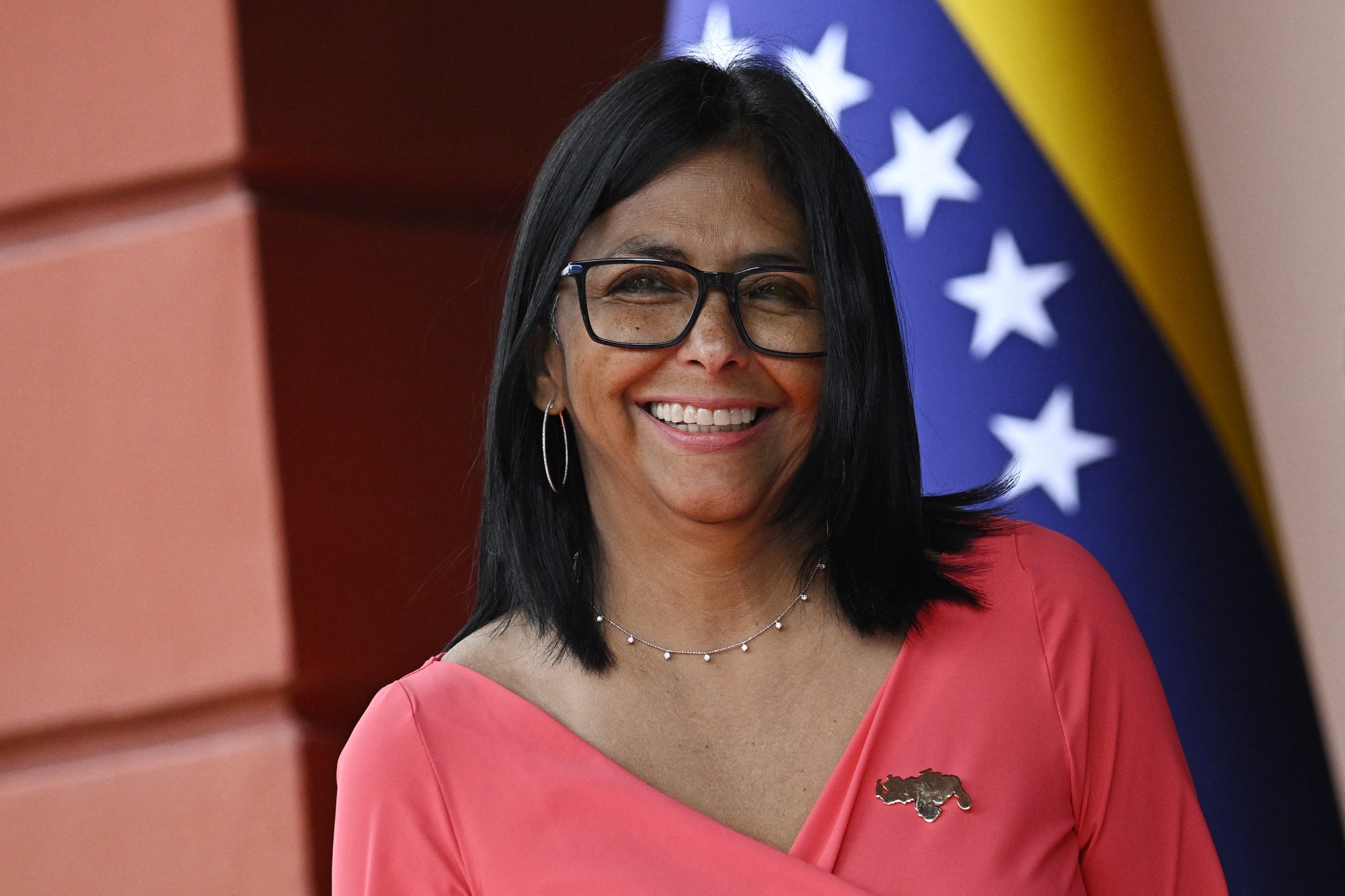
Rodríguez wearing the brooch in Caracas on April 24.
Photographer: Federico Parra/AFP/Getty Images
More from Bloomberg
We’re improving your newsletter experience and we’d love your feedback. If something looks off, help us by reporting it here. Follow Us
You received this message because you are subscribed to Bloomberg’s Balance of Power newsletter. If a friend forwarded you this message, sign up here to get it in your inbox.
|




Highlights from Bloomberg CityLab 2026 in Madrid
The conference kicked off with remarks from the mayors of Madrid, London and more. ...