| Read in browser | ||||||||||||||

What better way to close Battery Week than a boat trip up the Amazon? There, remote villages are reducing their reliance on dirty, noisy diesel generators by turning to batteries and solar panels. That’s doing more than bringing light: Batteries are helping radically improve the quality of life. Today’s newsletter takes you on a cruise to see the next frontier of battery deployment. Plus, your weekend listen with London Mayor Sadiq Khan and your weekend watch on — what else? — batteries. Battery Week is ending, but the energy storage boom is just beginning. Subscribe to Bloomberg News to get all the latest on how it evolves. A new powerBrazil’s Amazon teems with plant and animal life and is critical to the health of the planet as a storehouse of carbon dioxide. The nation also has the cleanest national grid among G20 countries, thanks to abundant hydropower, much of it originating in the Amazon. But many Amazonian communities aren’t connected to the grid. In remote areas with no roads, transmission lines are difficult to build and maintain. Instead, they depend on polluting diesel fuel for electricity. Diesel, transported by boat, is burned by about 160 local thermal plants and thousands of generators scattered around the rainforest. Brazil’s government spends roughly $2.4 billion in subsidies per year to support this system, according to the National Electric Energy Agency. Now, solar panels and lithium batteries are beginning to transform the region, supplementing or replacing diesel altogether. 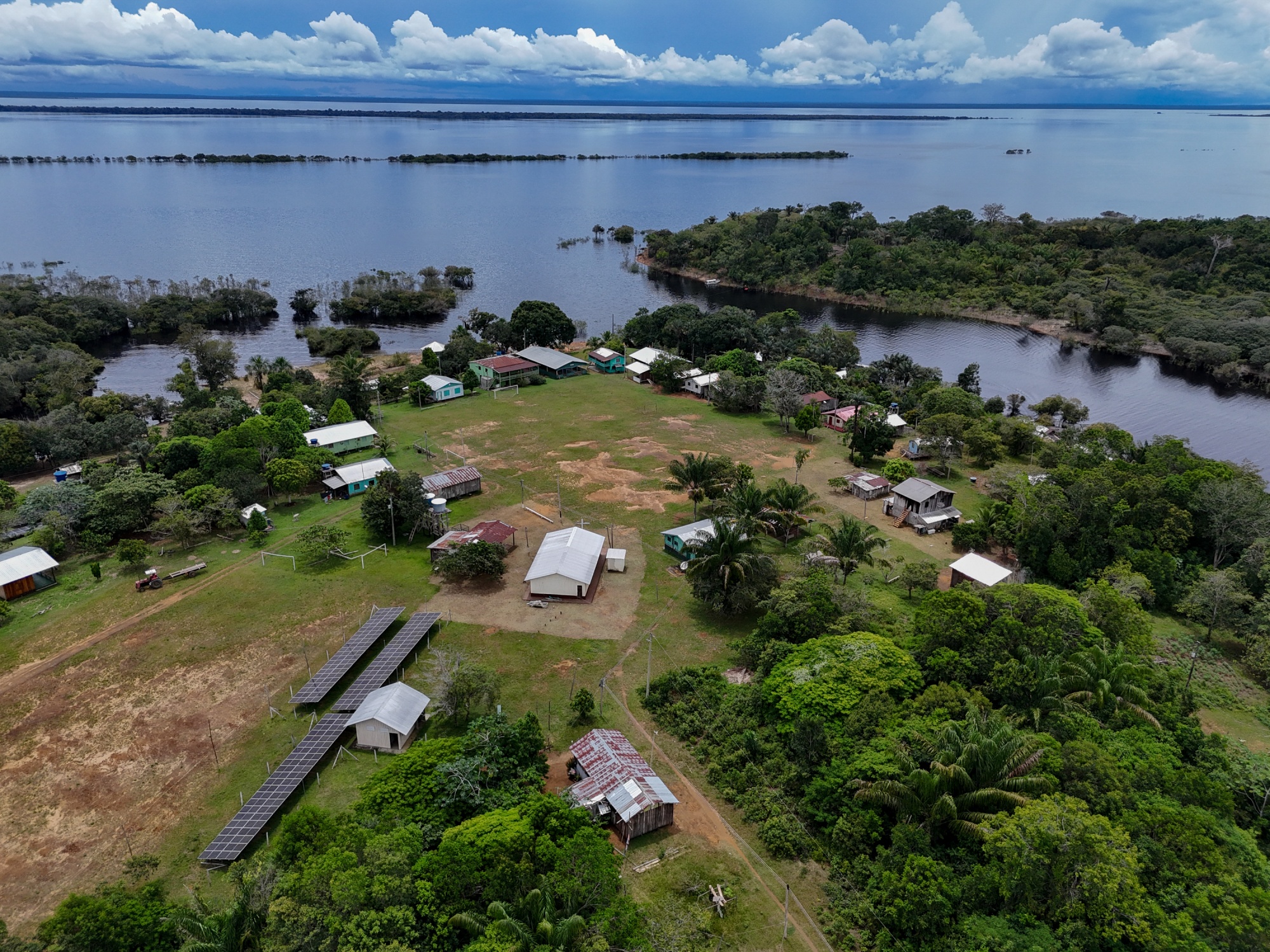
The microgrid in Santa Helena do Inglês, in Amazonas state.
Photographer: Michael Dantas/Bloomberg
“We used to depend on diesel and lamps,” said Waldemir da Silva, a leader in the Três Unidos Indigenous community of about 40 families at the mouth of the Cuieiras River, located about 45 miles (72 kilometers) from Manaus, the capital of Amazonas state, and accessible only by boat. “Today we have electricity 24 hours a day, without noise or smoke.” The shift is being driven by a mix of federal policy, falling technology costs and philanthropic initiatives to build microgrids. Brazil’s Ministry of Mines and Energy plans to add solar and batteries to diesel plants around the Amazon. Last year it approved an initial set of 29 projects, which together will serve 650,000 people and avoid 800,000 metric tons of greenhouse gas emissions by 2036, according to official estimates. Subsidy savings are projected to reach about $171 million. Outside of the Amazon’s cities and towns, about 1.2 million people live in Indigenous and riverine communities deep in the rainforest. They turn to generators but run them only a few hours a day to save fuel, which has only gotten pricier amid global supply disruptions from the Iran war. Until recently, this was the case in Três Unidos, a community of the Kambeba people that supports itself through eco-cultural tourism. Its electricity came from a diesel generator that ran intermittently. A federal program called Luz Para Todos (Light for All) had supplied residents with solar kits and batteries, but these provided enough energy only for minimal lighting, and not enough for refrigeration. Without the ability to store food, residents depended on costly ice. “All our profit went to buy ice,” said Neurilene Kambeba, who runs a restaurant and a guesthouse.
Read more
Big gap17 While Brazil’s national grid emitted an average of about 0.04 tons of CO2 per megawatt-hour in 2025, emissions in isolated systems reached 0.67 tons per megawatt-hour — nearly 17 times higher. The stakes“We are reaching a point where climate change is beginning to endanger the very solutions we are proposing.” Joice Ferreira Researcher, Brazilian Agricultural Research Corporation Ferreira was speaking about the rainforest’s ability to sequester carbon. It’s a reminder of why using carbon-cutting tech like batteries is so important. Readers really liked👻How Microsoft spooked the nascent carbon removal market Your weekend listenSadiq Khan is about to complete 10 years as London’s mayor. He’s seen the city affected by Brexit, the pandemic and two energy crises. That hasn’t deterred him from deploying some of the strongest air-quality regulations in any city. But he hasn’t yet succeeded in getting enough homes built and struggled to keep improving the train network. As cities keep growing, Khan talks to Akshat Rathi about lessons from London’s successes and failures. As a prominent member of the UK’s Labour Party, Khan also shares his thoughts about the future of the party. The interview was recorded on April 16. Listen now, and subscribe on Apple, Spotify or YouTube to get new episodes of Zero every Thursday. Your weekend watch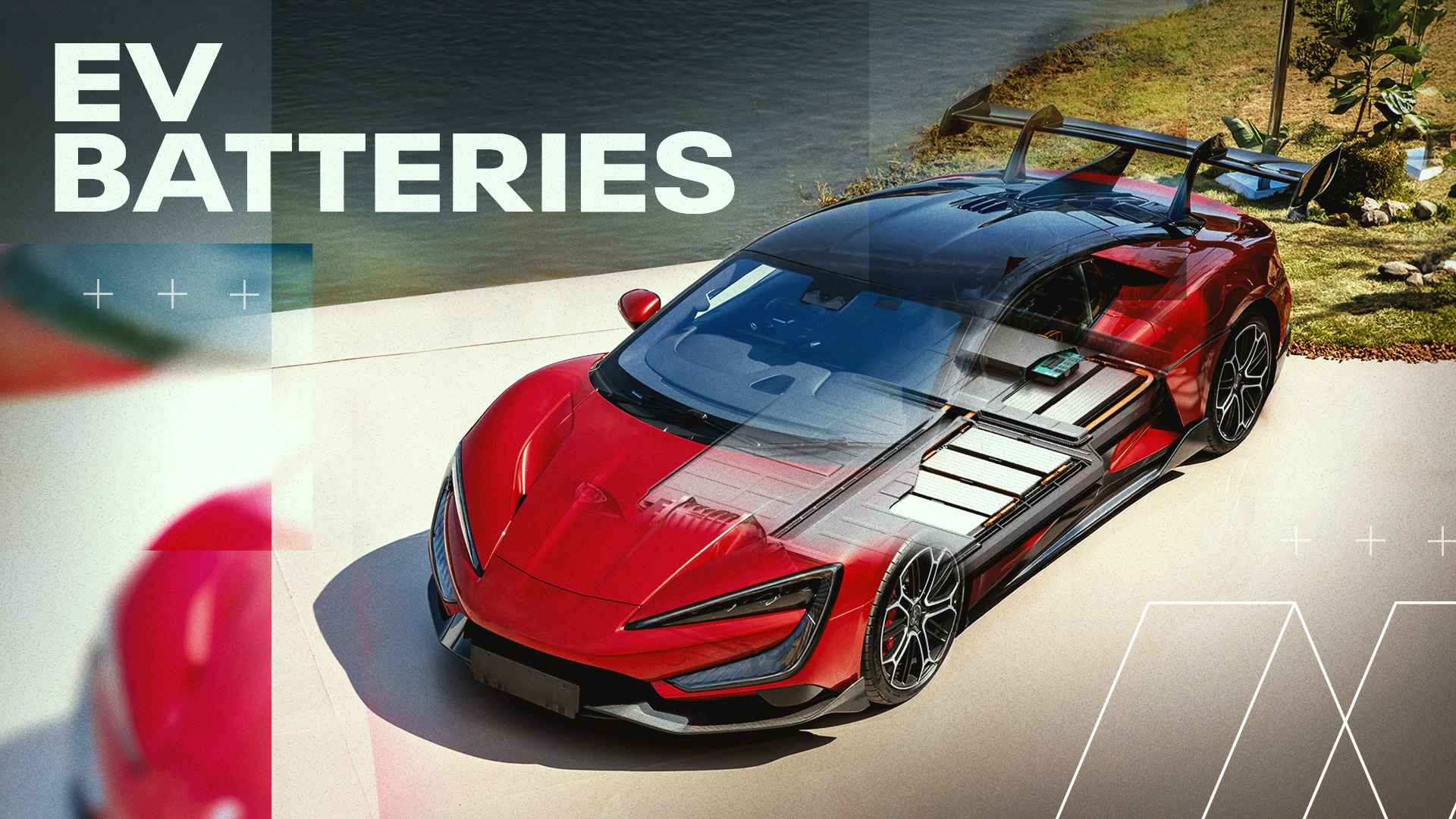 
Chinese companies dominate the EV battery supply chain and are expanding rapidly outside their home market. Meanwhile, competitors are looking to new chemistries to leapfrog the leading tech. This week’s new Primer episode looks at the race to challenge China’s EV battery lead. More from Bloomberg
Explore all Bloomberg newsletters. We’re improving your newsletter experience and we’d love your feedback. If something looks off, help us fine-tune your experience by reporting it here. Follow Us
You received this message because you are subscribed to Bloomberg’s Green Daily newsletter. If a friend forwarded you this message, sign up here to get it in your inbox.
|