| Read in browser | ||||||||||||||

Central bankers and investors are busy trying to parse the inflationary impacts of the war in the Middle East. The task is much more complicated when it comes to calculating how climate change affects the cost of living. Today’s newsletter looks at the growing field of economics where researchers are trying to pinpoint the effects of global warming on consumer prices. Plus, a look at the meeting in Santa Marta, Colombia, where a coalition of countries are working on road maps to move away from fossil fuels. Someone forward you this email? You can subscribe to the Green Daily for free news about the twists and turns of the energy transition. Price pressureBy Emma Court In the summer of 2022, a heatwave in Europe drove temperatures to a record-breaking 46C (115F) in Spain, scorching its olive-growing regions. In the UK, chickens wilted in the heat, leading to a 9% drop in chicken-meat production from the year before. Northern Italy, meanwhile, endured its worst drought in 70 years, slashing harvests of risotto rice. Researchers calculated that climate change increased summer temperatures in Europe by 1.25C on average — and by as much as 5.7C in some places. The extreme heat raised European food prices by an estimated 0.7% that year, nudging overall inflation up by about 0.3% and adding to the pain of spikes related to the Covid-19 recovery and Russia’s full-scale invasion of Ukraine. 
Illustration by Bryson Lee For Bloomberg
This was a rare instance in which researchers were able to estimate the direct effects of climate change on prices, a phenomenon known as “climateflation” that’s only beginning to be understood. But if you look around, you’ll see that the rise of extreme weather and natural disasters is already making life more expensive. As summers get hotter, whirring ACs are straining grids and pushing up utility bills. Roads are buckling in the heat. Rail lines are warping, hiking transportation costs that companies can then pass on to consumers. More hurricanes, wildfires and other extreme weather are wreaking havoc on insurance markets, resulting in soaring premiums. Of course, droughts and storms have long affected prices. But as extreme weather becomes more common, the price spikes once written off as temporary may be turning into something more lasting — a powerful new force that could further disrupt household and national budgets already beset by an affordability crisis. Now a cadre of economists, climate scientists and central bankers are studying climate inflation’s effects, trying to piece together how it moves through the economy. 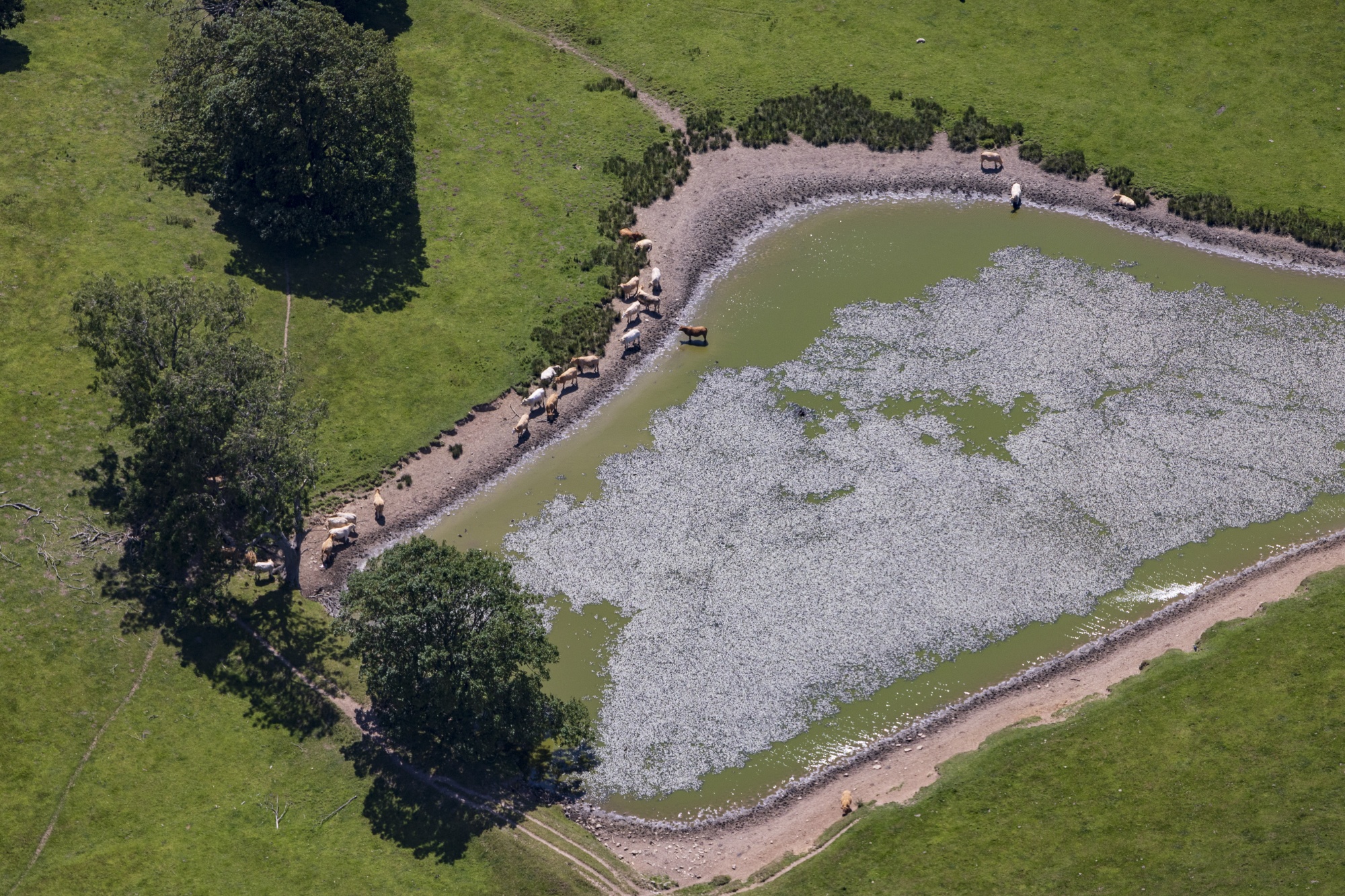
Cattle are seen drinking from a shallow pond during a heat wave in Wales in July 2025.
Photographer: David Goddard/Getty Images via Getty Images Europe
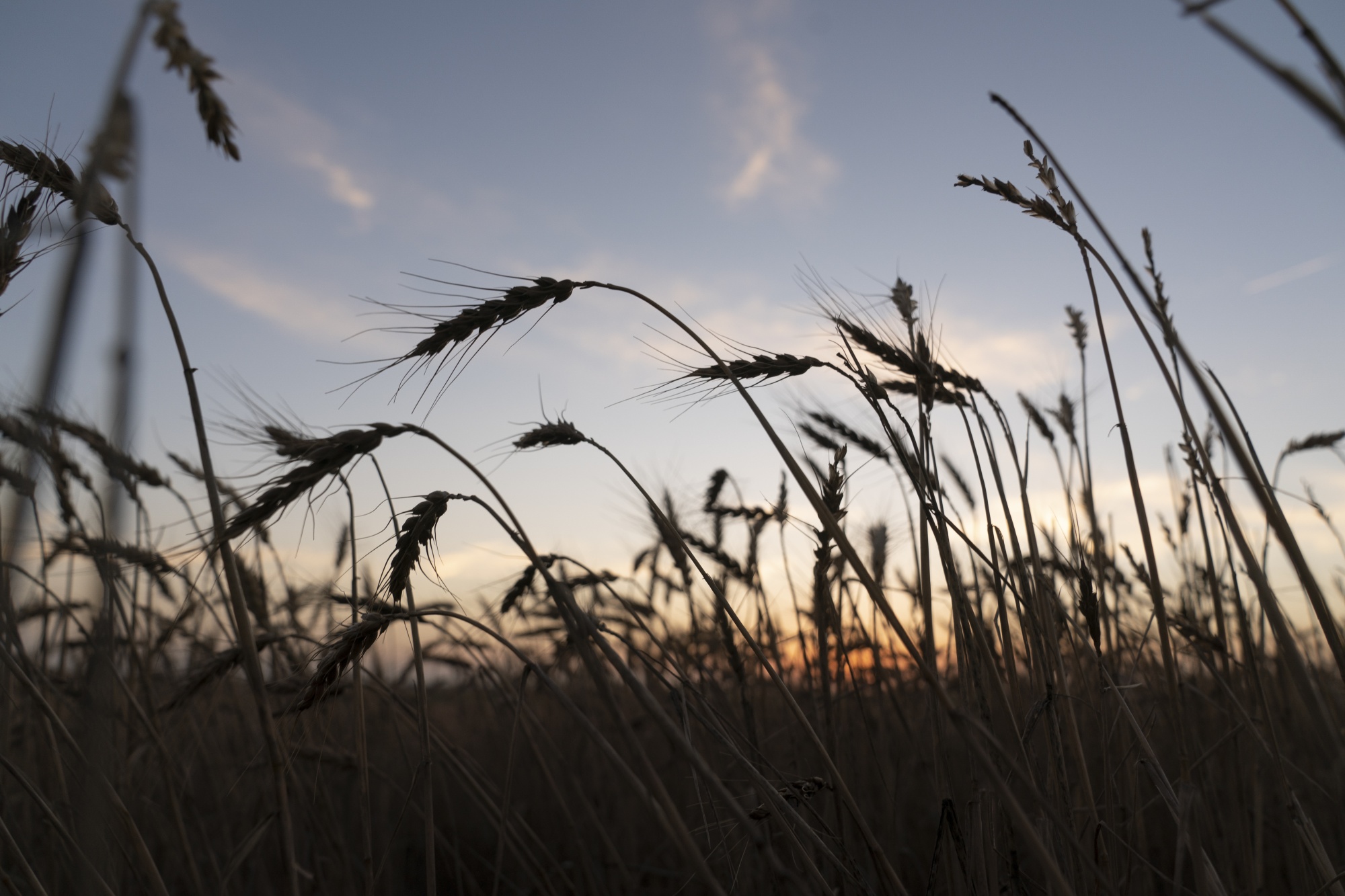
It’s far from straightforward. Disentangling how much a jump in, say, coffee prices or water bills stems from human-induced global warming rather than myriad other reasons is messy. Researchers have to pore over inflation and weather data to tease out how shifting climate patterns affect prices while accounting for other factors like recessions and differences between countries — consumers spend more on food in low-income countries than in rich countries, for instance. The fallout is uneven — a coastal hurricane might have far less impact on national inflation than a continent-wide heatwave — and it’s hard to pinpoint the impact of a complex chain of events within a consumer price index that tracks tens of thousands of products. “If you pick up a textbook and you look up the bit on inflation, inflation is too much money chasing too few goods. There’s no textbook that says, ‘the climate’s cooking and we’re running out of stuff,’” says Mark Blyth, who runs Brown University’s Rhodes Center for International Economics and Finance. “It isn’t taught that way. It generally isn’t thought about that way. Now people may be beginning to realize this.” Scientists have gotten better at quickly analyzing the role of climate change in extreme weather events. Researchers are now trying something similar in the field of economics. They can, for example, estimate how much of a hurricane’s damages can be pinned to carbon emissions. Tracking the ups and downs of individual product prices across different geographies is far more complicated, though. Detailed local price data is often patchy or unavailable. And climate inflation takes many forms. Lower crop yields is a pretty direct impact, but damaged infrastructure and upended supply chains can also lead to price changes. Those are tougher to follow. Central banks have been spearheading climate inflation research, motivated by their intense focus on keeping prices stable. In the past, weather-related price spikes have often proved temporary, allowing central banks to avoid raising interest rates. But as extreme weather events increase, intensify and hit important sectors like food, that might have to change. So far, researchers have been most successful at drawing a line between the effects of a hotter planet and your grocery bill — but not so much for, say, your rent or the price of a ski vacation. “We will eventually see some models for taking that into account, just as we have models that help us understand the impact of different levels of government spending on employment,” says David Super, a professor of law and economics at Georgetown Law. “But it’s going to take a while.”
Read more
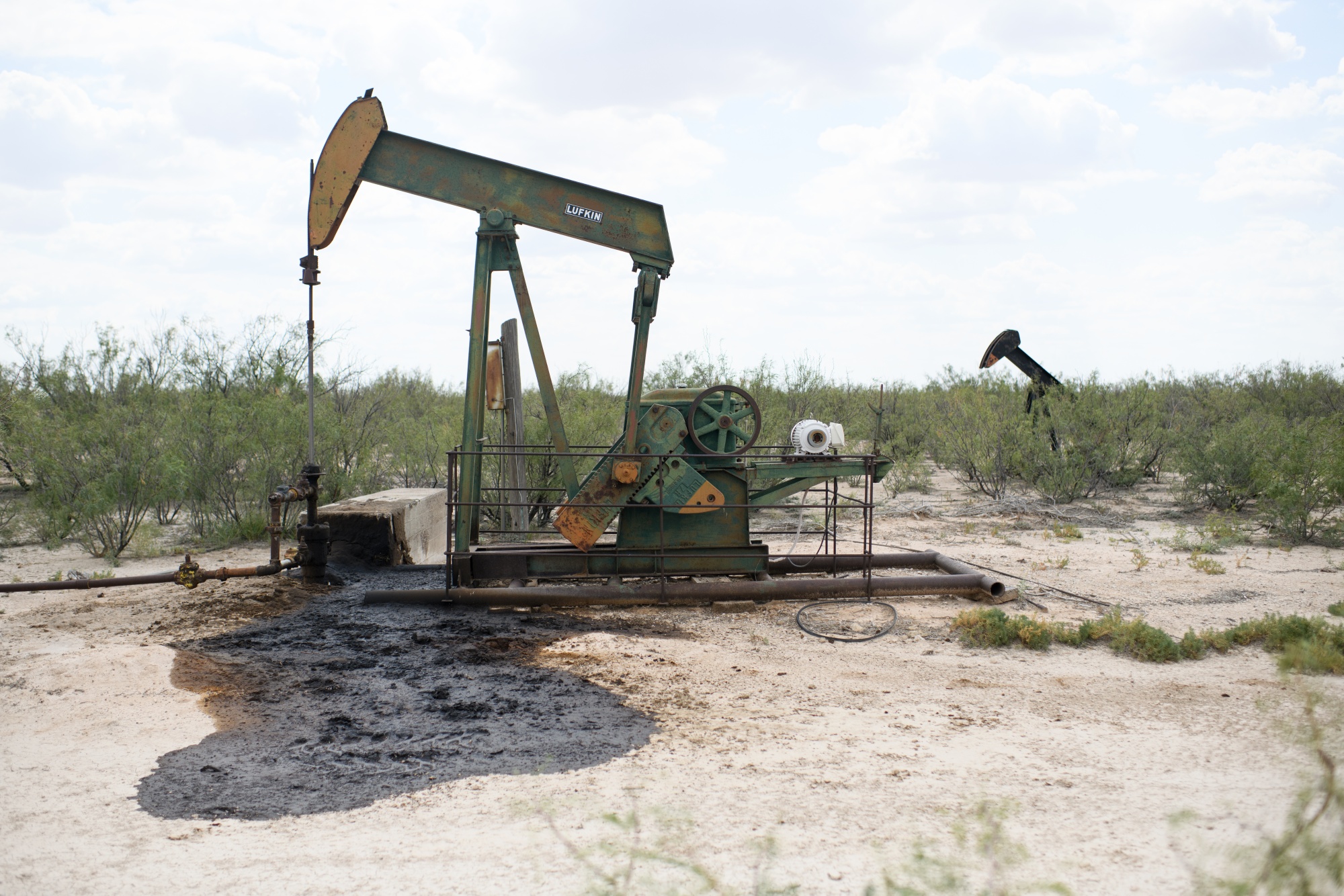
Breaking point25C The temperature at which crop yields begin to fall, harvests suffer and food prices can spike for at least a year, according to some researchers. Best solution“The best way to avoid the damages from climate change is to have a global green transition” Marcus Mølbak Ingholt Senior lead climate economist at Denmark’s central bank Road to COP31Just across the road from the site of the first international conference on transitioning away from fossil fuels, or TAFF, oil tankers routinely unload at the Pozos Colorados terminal, home to Colombia’s largest fuel-storage tank. The tension between climate ambitions and fossil-fuel dependency lies at the heart of the meeting, which begins Friday in the Caribbean city of Santa Marta. It has drawn over 50 countries — from oil producers such as Nigeria to big consumers like Germany — and the European Union in a bid to break the stalemate of United Nations climate talks. 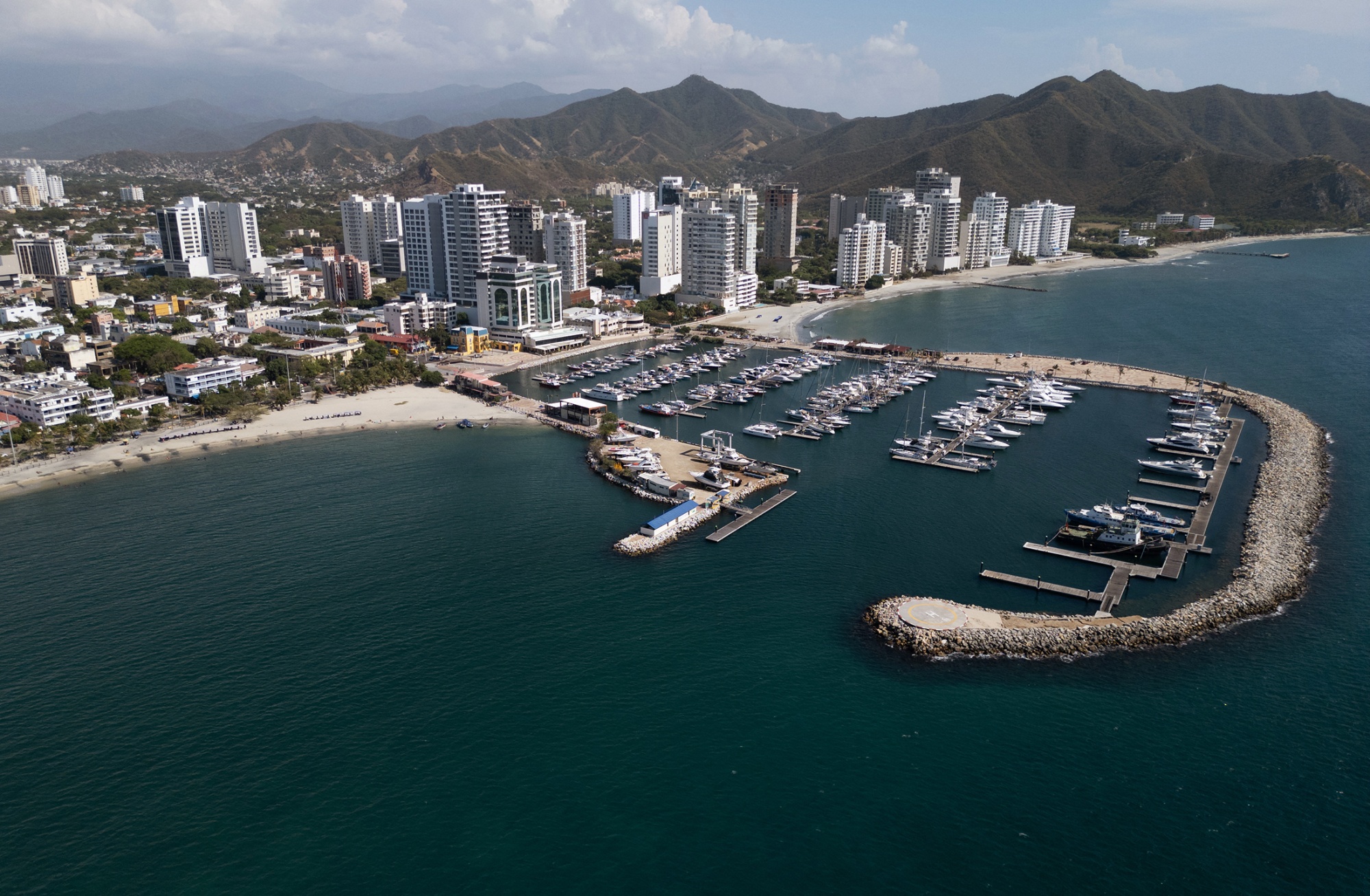
A view of the marina in Santa Marta, Colombia.
Photographer: Luis Acosta /AFP/Getty Images
The gathering reflects mounting impatience with the slow pace of global negotiations. Countries first agreed at COP28 in Dubai in 2023 to “transition away from fossil fuels,” but made little progress on how to do it. At last year’s COP30, held in Brazil, a proposed road map to phase out oil, gas and coal drew backing from about 80 countries, but was dropped from the final document due to lack of consensus, angering many delegates. That frustration helped spur Colombia and the Netherlands to gather a “coalition of the willing” in Santa Marta. The effort has gained momentum in recent weeks, as the Iran war has disrupted energy markets and highlighted the risks of continued reliance on carbon-based fuels. 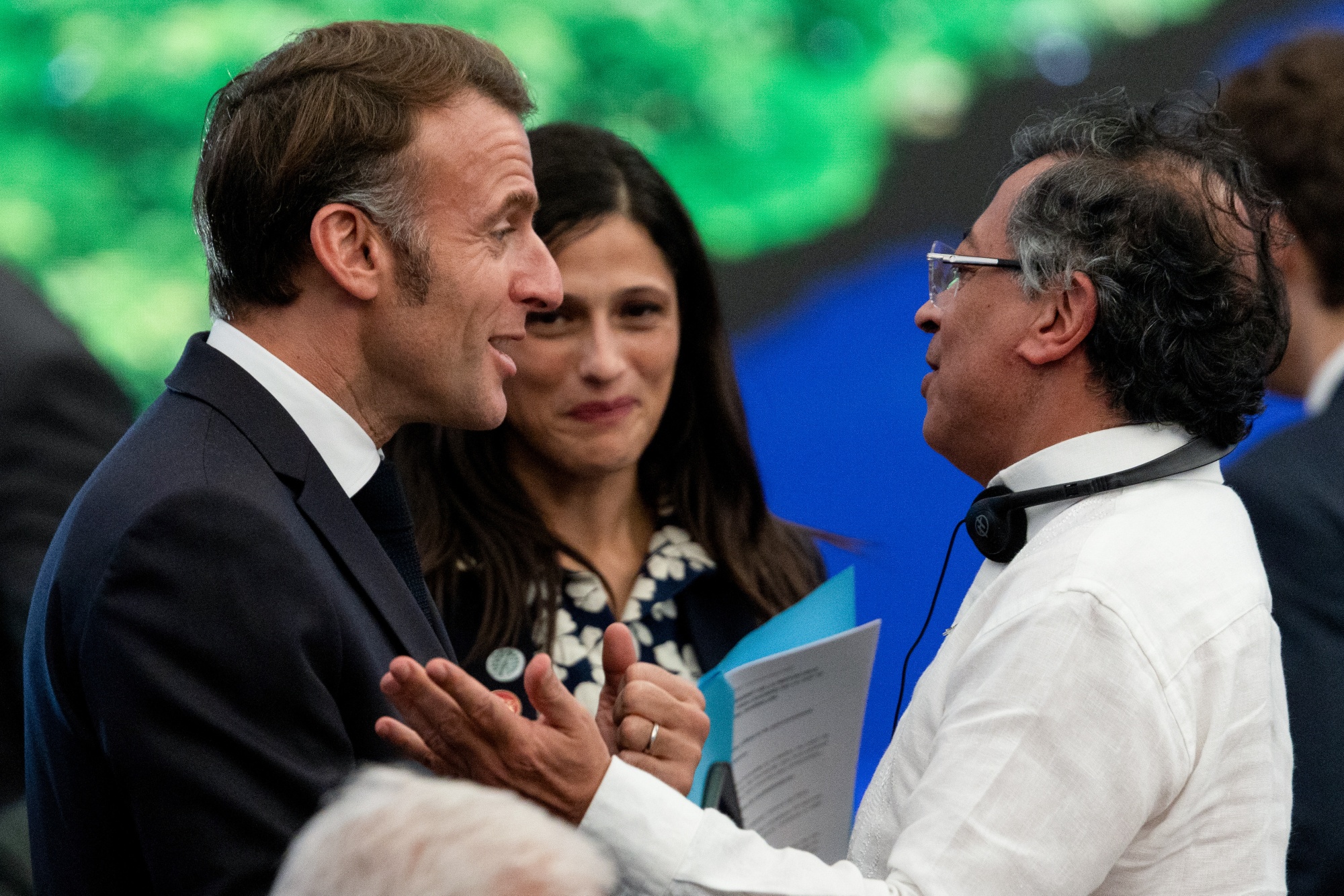
Emmanuel Macron, France’s president, left, and Gustavo Petro, Colombia’s president, during the COP30 Leaders Summit in Belém, Brazil, on Nov. 6, 2025.
Photographer: Dado Galdieri/Bloomberg
“Countries are going into Santa Marta with the energy crisis at the top of most of their minds. They have a visceral reminder of just how volatile, unpredictable, and unstable it is to rely on fossil fuels,” said Natalie Jones, senior policy advisor at the International Institute for Sustainable Development, a think tank. “We need to shift now from the overarching objective of transitioning away from fossil fuels to actually how we go about it,” said David Waskow of the World Resources Institute, describing Santa Marta as taking “initial steps” on the practical challenges.
Read more
This week’s ZeroSadiq Khan is about to complete 10 years as London’s mayor. He’s seen the city affected by Brexit, the pandemic and two energy crises. That hasn’t deterred him from deploying some of the strongest air-quality regulations in any city. But he hasn’t yet succeeded in getting enough homes built and struggled to keep improving the train network. As cities keep growing, Khan talks to Akshat Rathi about lessons from London’s successes and failures. As a prominent member of the UK’s Labour Party, Khan also shares his thoughts about the future of the party. The interview was recorded on April 16. Listen now, and subscribe on Apple, Spotify or YouTube to get new episodes of Zero every Thursday. Arizona’s AI dilemmaBy Todd Woody and Leonardo Nicoletti Arizona’s water-reliant data centers powering the artificial intelligence surge are expanding rapidly — just as the state faces shrinking supplies amid a climate-driven water crisis. AI projects under construction in the state could spike data center water demand 67% to 5 billion gallons annually in coming years, Bloomberg Intelligence predicts, based on its modeling of industry and government data. Some developers have more than a third of their project pipeline in Arizona, but water availability and community opposition will increasingly affect the tech industry’s competitiveness in the state, said Bloomberg Intelligence analyst Melanie Rua. Many of the facilities are concentrated in the water-stressed Phoenix area. 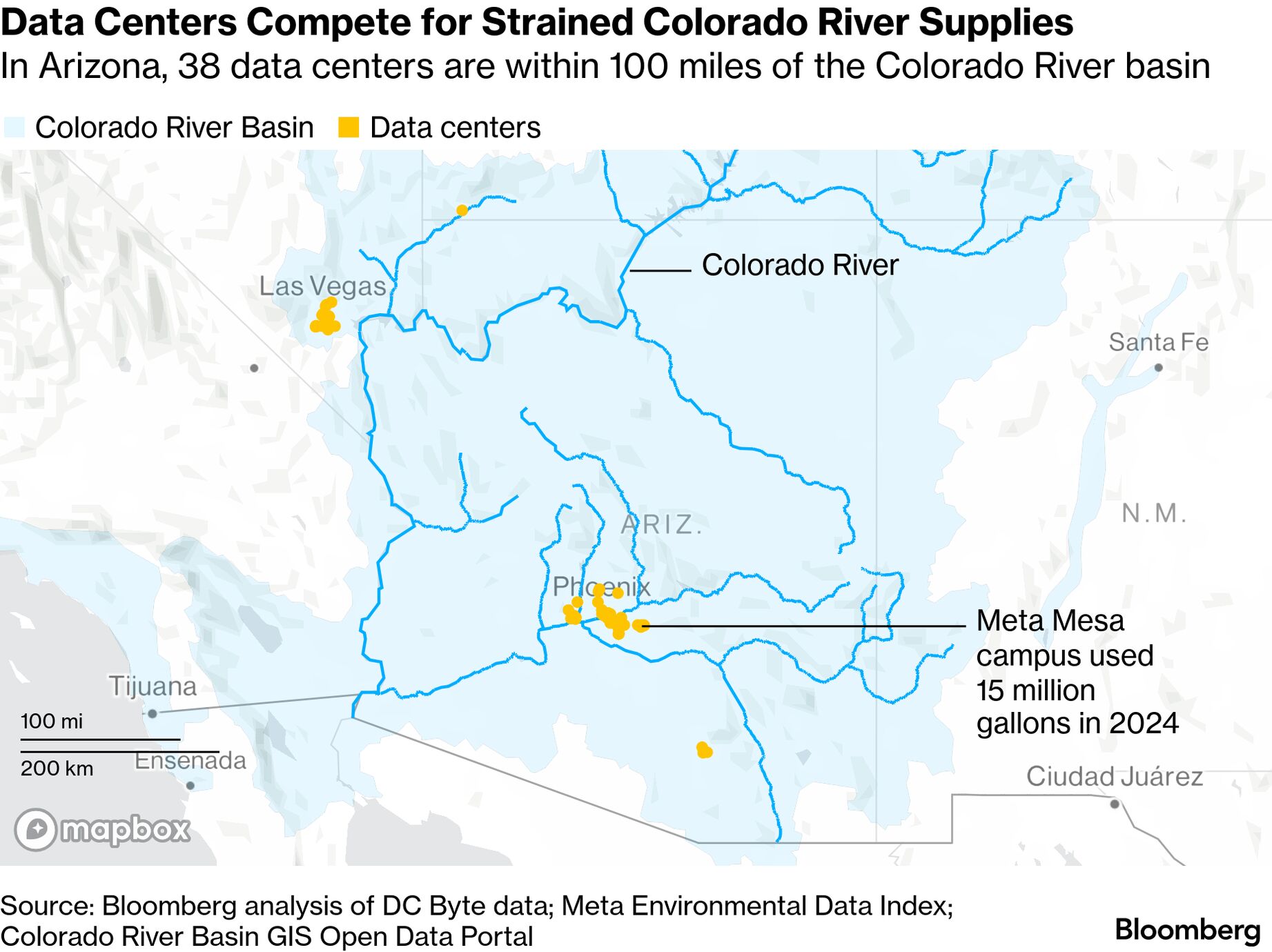
Read more
More from GreenMore from Bloomberg
Explore all Bloomberg newsletters. We’re improving your newsletter experience and we’d love your feedback. If something looks off, help us fine-tune your experience by reporting it here. Follow Us
You received this message because you are subscribed to Bloomberg’s Green Daily newsletter. If a friend forwarded you this message, sign up here to get it in your inbox.
|







Trump Signals No Letup
Bloomberg Morning Briefing Americas ...