| Read in browser | ||||||||||||||
Welcome to Balance of Power, bringing you the latest in global politics. If you haven’t yet, sign up here. As the US and Iran circle around peace talks, it’s worth recalling that an historic agreement with the Islamic Republic came into effect a decade ago. The Iran nuclear deal was the result of repeated rounds of intense, multilateral negotiations that involved Europe’s biggest powers, China and Russia. Career diplomats and teams of experts spent hours behind locked doors poring over documents. The reality facing the Middle East today and the Iranian and American officials who are overseeing a delicate ceasefire couldn’t be more different. Back then, there was a reported shouting match between US Secretary of State John Kerry and the Iranian Foreign Minister Mohammad Javad Zarif, who later inspired a wave of pre-AI internet memes by warning European officials to “never threat an Iranian!” 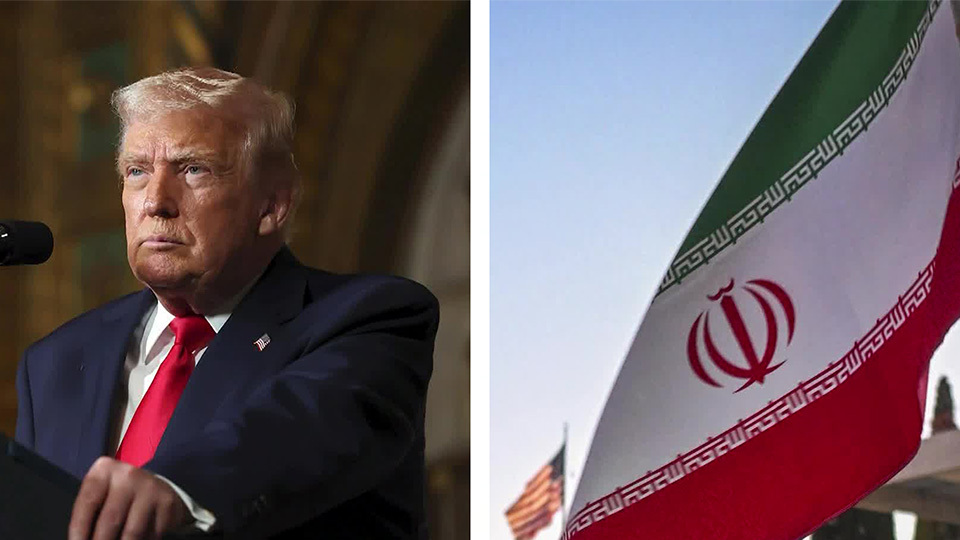 
Bloomberg’s Joumanna Bercetche reports on Iran’s proposal to reopen the Strait of Hormuz.
A promenade walk between the top envoys triggered an angry backlash from hardliners in the Islamic Republic. The diplomacy conducted by the present administration since Donald Trump’s return to the presidency has twice been derailed by US-Israeli military strikes rather than raised voices or a stroll. Where Zarif faced seasoned US negotiators, his successor as foreign minister, Abbas Araghchi — a former Zarif deputy — has as his counterparts Steve Witkoff and Jared Kushner, whose background is in real estate. Last week, Trump — who jettisoned the previous Iran accord during his first term — canceled a trip to Islamabad by Witkoff and Kushner that was expected to lead to further talks. As economies begin to buckle under the strain of the conflict, there are growing signs of frustration within the international community over the standoff, and the lack of a clear US strategy. Araghchi went ahead with his trip to Pakistan and bookended a diplomatic tour with a warm handshake with Vladimir Putin in St. Petersburg yesterday. It was a diplomatic chess move that will not have gone unnoticed in Washington. — Golnar Motevalli 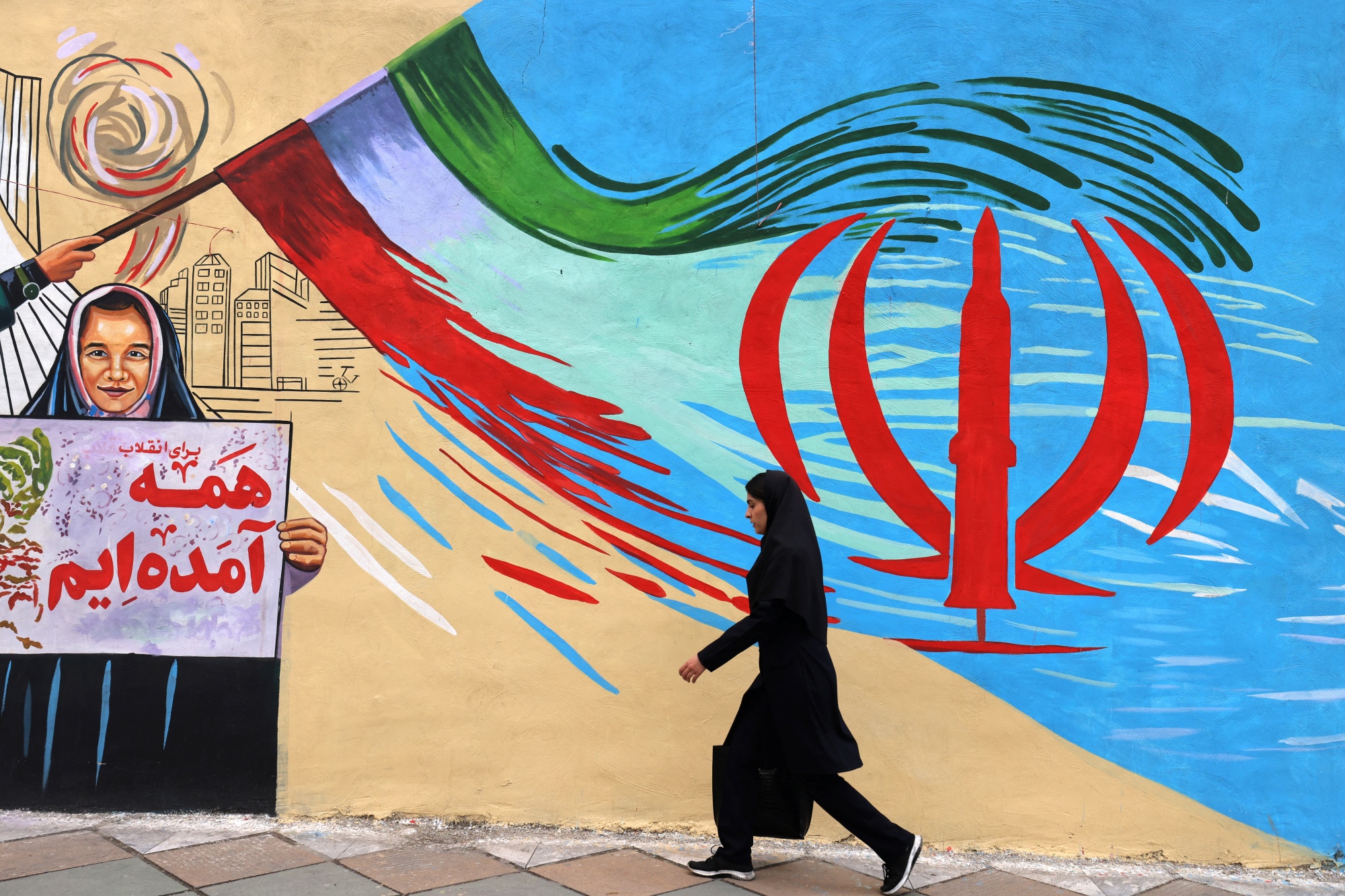
An anti-USA and Israel mural in Tehran on April 21.
Photographer: Atta Kenare/AFP/Getty Images
Global Must ReadsChina has sought for years to exert influence over business deals beyond its home turf, yet the decision to press Meta to unwind a $2 billion acquisition of artificial intelligence startup Manus just four months after it was sealed marks a step unlike Beijing has tried before. The question now is whether President Xi Jinping’s government has the power to force the deal’s reversal — and, if so, how. UK Prime Minister Keir Starmer faces a high-stakes vote today on whether to begin an investigation into his assurances to Parliament that due process had been followed in the appointment of Peter Mandelson as ambassador to the US. While his allies are confident he’ll win the vote, and Starmer denounced the move as a “political stunt” by the opposition Conservatives, it represents a costly distraction little more than a week before a crucial round of local elections seen as a test of his leadership. Milorad Dodik built ties with Trump’s family and friends as president for years of the Serb part of Bosnia-Herzegovina until he stepped down in a deal with the US, and now plans to monetize the relationship by luring billions of dollars of investment. Two Trump-linked figures are pursuing an infrastructure project in Bosnia that plans to invest $1.8 billion in airports, gas power plants and a gas pipeline. We spoke with Dodik in Banja Luka, the capital of Republika Srpska. 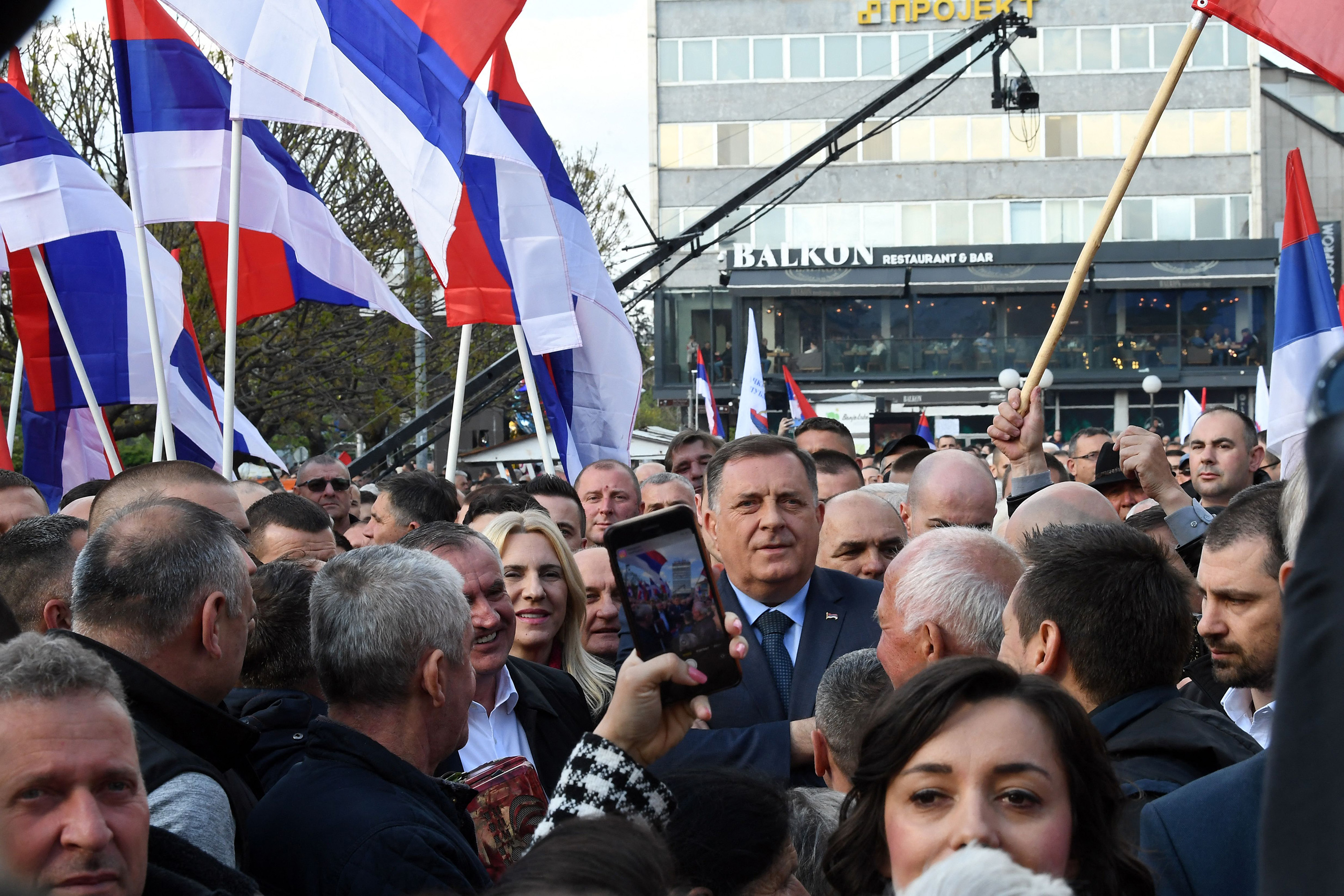
Dodik during a rally in Banja Luka in April 2022.
Photographer: Elvis Barukcic/AFP/Getty Images
Peru is earning a reputation as the worst place in the world to be president — it has all of the trappings of power but none of the actual authority and one false move can lead to an unceremonious firing, or even a jail term. The South American nation’s executive branch reached new depths of impotence last week when the military forced through a $2 billion contract for 12 fighter jets over the objections of the country’s interim leader. Kim Jong Un confirmed a policy that requires North Korean soldiers to commit suicide — in what he referred to as “self blasting” — on the battlefield to avoid capture while fighting Russia’s war against Ukraine. South Korean and Western intelligence agencies estimate Pyongyang has sent at least 10,000 soldiers and tens of thousands of containers of weapons to help Russia, and believe they have suffered heavy casualties. Trump welcomed King Charles III to the White House for a visit fraught with doubt about the future of Britain’s so-called special relationship with America and fresh security concerns after the shooting at the White House correspondents’ dinner. 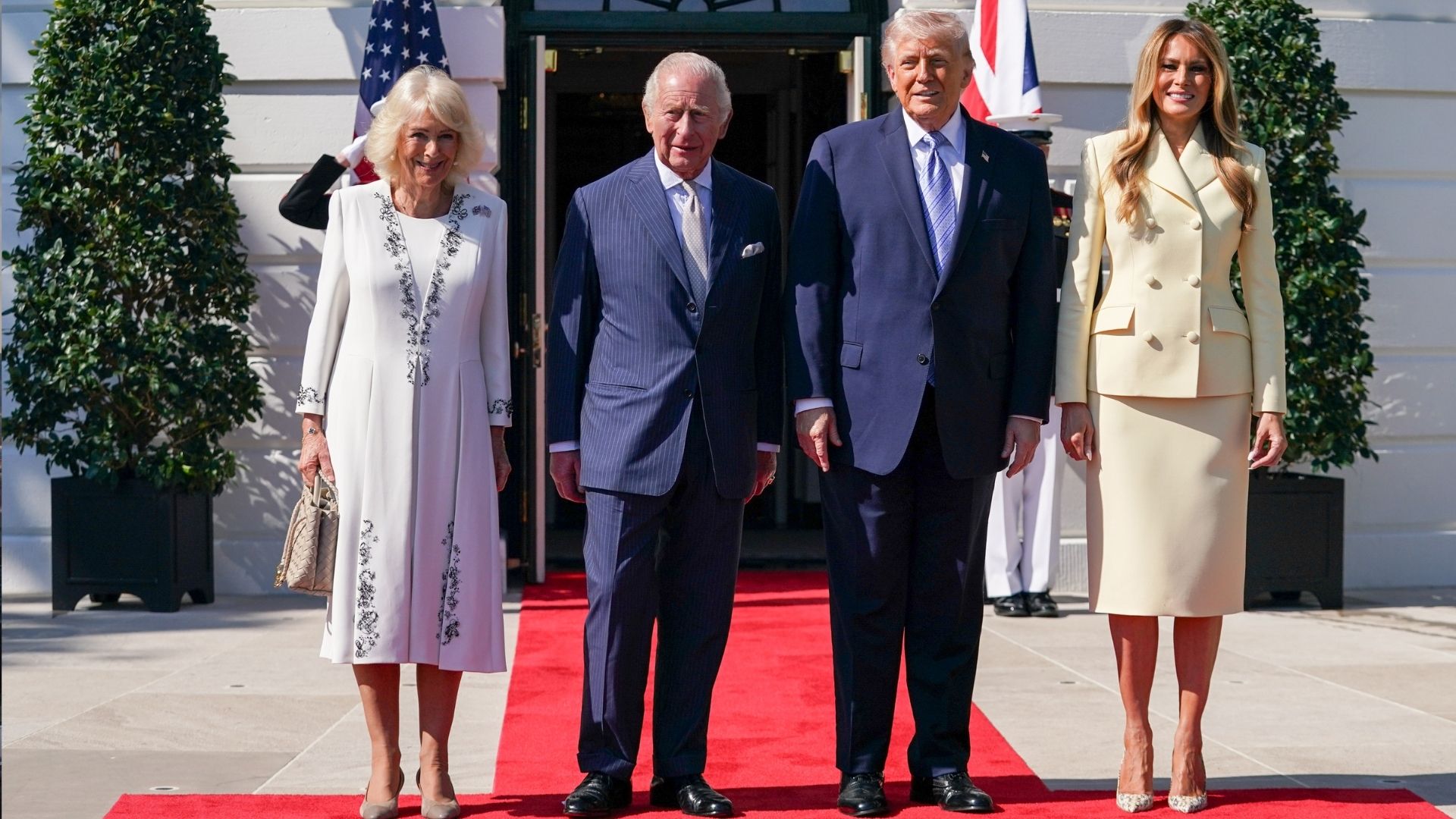
Trump welcomed King Charles to the White House.
President Luiz Inácio Lula da Silva and Flávio Bolsonaro are locked in a statistical tie ahead of Brazil’s October election, a new poll shows. Insurgents recaptured a Malian town that had become a symbol of Russia’s promise to deliver security in Africa where Western forces had failed. India said the war in the Middle East is a “complicating factor” as it holds talks with Washington and Tehran over options to safeguard its $120 million investment in Iran’s Chabahar port. Coming soon: Get the AI Today newsletter — chronicling the disruptions and threats of AI on businesses, workers, governments and economies with analysis from Bloomberg’s global newsroom. Sign up for the Washington Edition newsletter for news from the US capital and watch Balance of Power at 1 and 5 p.m. ET weekdays on Bloomberg Television. Chart of the Day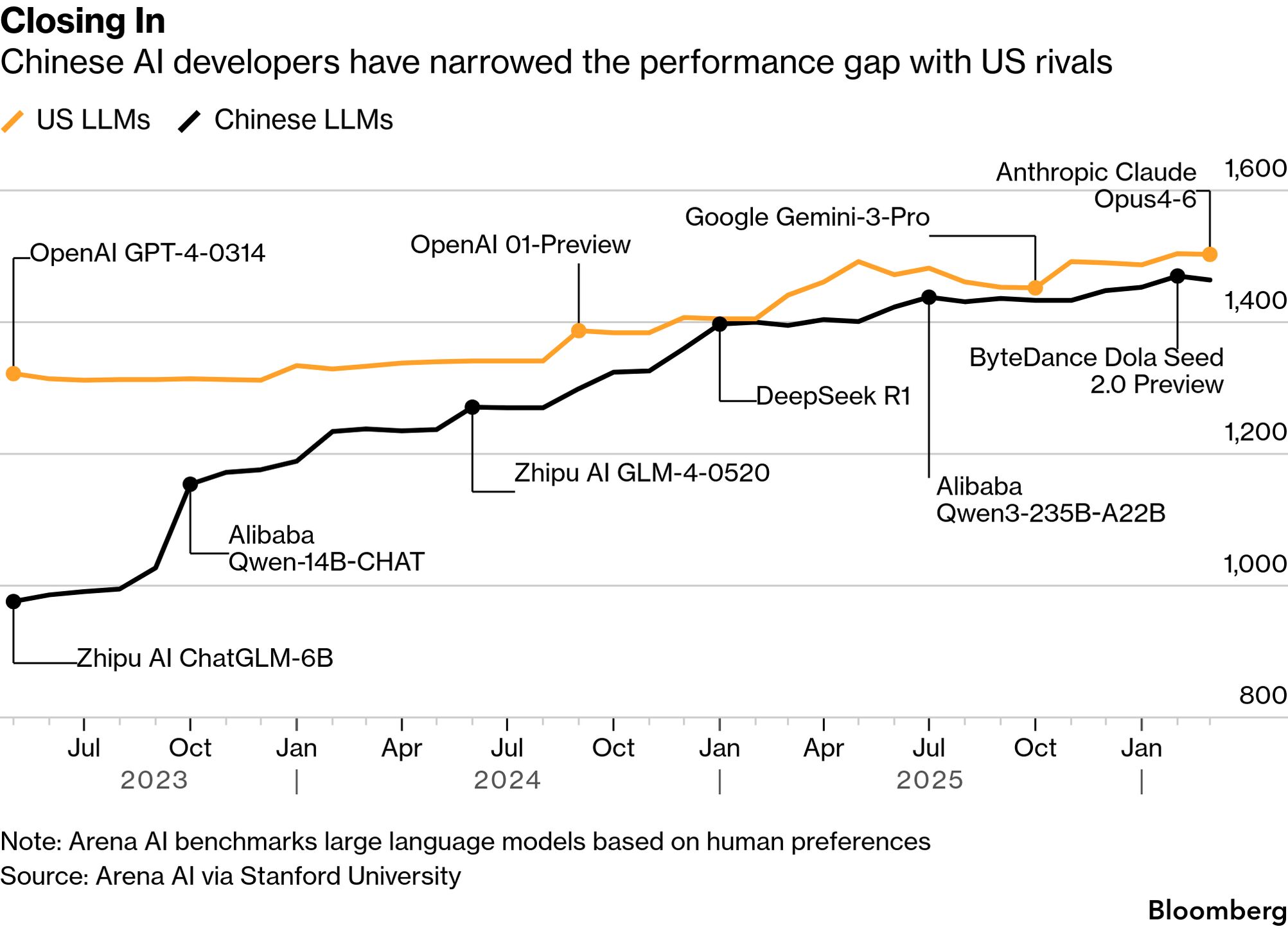
Chinese AI companies can’t match the financial firepower of their American rivals, and the US government has deprived them of the most cutting-edge chips to train their AI models. Yet China is encroaching on US leadership in the field through developers such as DeepSeek and Alibaba, which have focused on devising systems that perform almost on a par with the top AI models without needing the most powerful hardware. And FinallyA video shared last month on the X social-media platform appeared to show an email linking Ukrainian President Volodymyr Zelenskiy to the late convicted sex offender Jeffrey Epstein, racking up millions of views. But the information was one of more than 190 fabricated stories identified in a Bloomberg News investigation as part of an influence operation known as Storm-1516 that Western officials say is backed by Russia’s military intelligence agency. The disinformation campaign sits at the heart of Russia’s hybrid-warfare strategy, alongside sabotage, assassinations and covert attacks on infrastructure. 
More from Bloomberg
We’re improving your newsletter experience and we’d love your feedback. If something looks off, help us by reporting it here. Follow Us
You received this message because you are subscribed to Bloomberg’s Balance of Power newsletter. If a friend forwarded you this message, sign up here to get it in your inbox.
|




OpenAI’s missed goals
Bloomberg Morning Briefing Americas ...