Hello Power Up readers,
Oil markets were not at all impressed by U.S. President Trump's primetime speech on Wednesday. Instead of laying out about plans for peace, he talked of even more aggressive attacks on Iran - pretty much dashing all hopes for a quick end to the conflict that has already been raging for over a month.
U.S. crude futures have surged back above $100 a barrel and analysts said could hit new highs if maritime conditions around the Strait of Hormuz deteriorate again. The Reuters energy team keeps this page updated around the clock with the latest.
To try to keep a lid on things, OPEC+ is likely to weigh a further oil output increase when eight members meet on Sunday, according to the Reuters oil team's sources. (Link below).
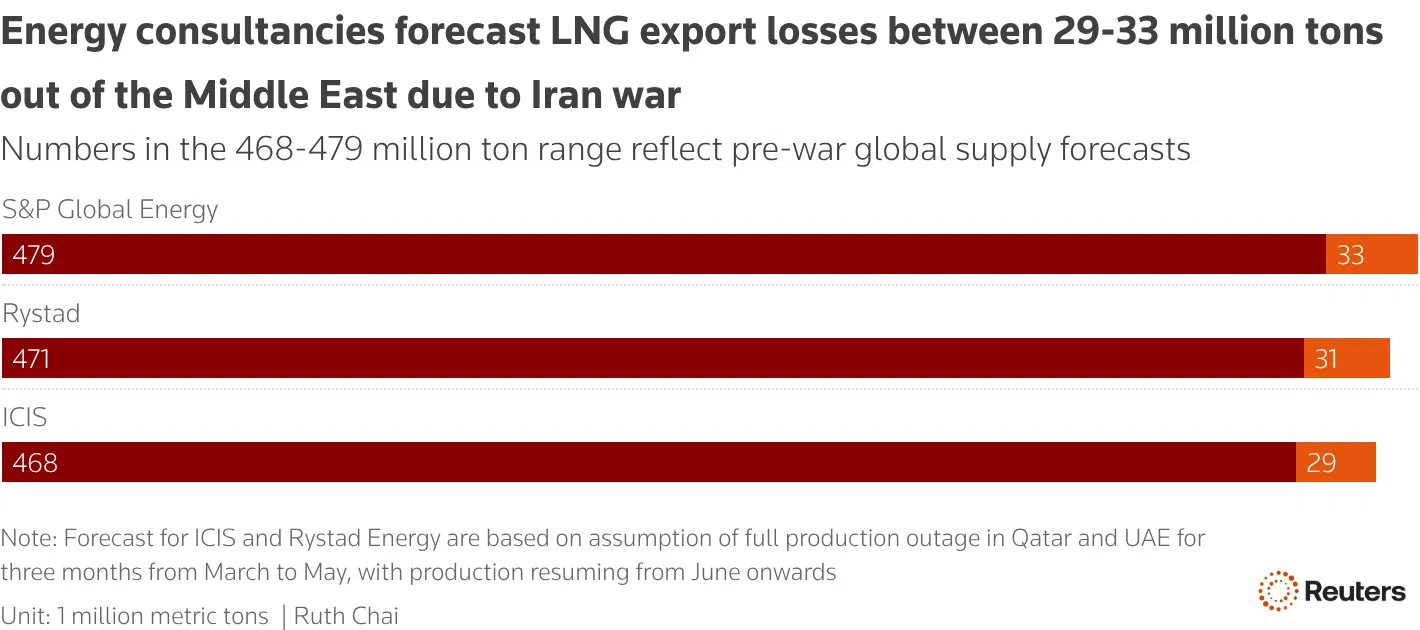
LNG markets are also reeling, with the surge in prices since Qatar cut exports causing demand destruction in key Asian markets. China has also stepped up the re-selling of LNG cargoes the country doesn't need right now, creating turbulent LNG conditions throughout Asia. More in the LNG Watch section.
First up, here are some other must-read analyses and columns:
If President Donald Trump ends the Iran war without a deal, he risks leaving Tehran with a stranglehold over Middle East energy supplies and Gulf Arab oil and gas producers grappling with the fallout of a conflict they did not start or shape.
The halting of oil exports through the Strait of Hormuz has left the Dubai Middle East benchmark, the price used to value nearly a fifth of global crude supply, in a perilous position.
Natural gas touches every corner of the U.S. economy, fueling power plants, homes, factories and the booming LNG export sector. But the supply needed to meet all those uses is coming from an ever-narrower slice of America's shale patch.
China's readiness for an energy shock has helped its financial markets to turn in a world-beating month and has global investors looking to boost their exposure as the Iran war drags on.
Record output from UK wind farms has helped boost total clean power supplies to new highs so far in 2026, and allowed power firms to pare use of fossil fuels to multi-year lows, shielding the UK power system from the worst effects of the Iran war.