| Read in browser | ||||||||||||||
 Each week we bring you insights into one of Asia's most dynamic economies. If you haven't yet, please sign up here. This week, Yihui Xie looks at Singapore's push to become a bigger player in the global gold trade — and why this time might be different. Srinidhi Ragavendran takes a ride in Southeast Asia's first driverless shuttle service and finds a city testing the future at its own careful pace. And Bernadette Toh revisits WILD/FIRE, the cult burger joint that came back with more to offer. Singapore's Gold RushSingapore has its sights set on becoming a global gold hub — and it's not dabbling. Late last week, the city-state unveiled an ambitious plan: provide gold-storage capacity to host bullion for other central banks, build a clearing system to deepen liquidity, and strengthen price discovery. Bloomberg also reported that the central bank is considering additional storage facilities near Changi Airport. 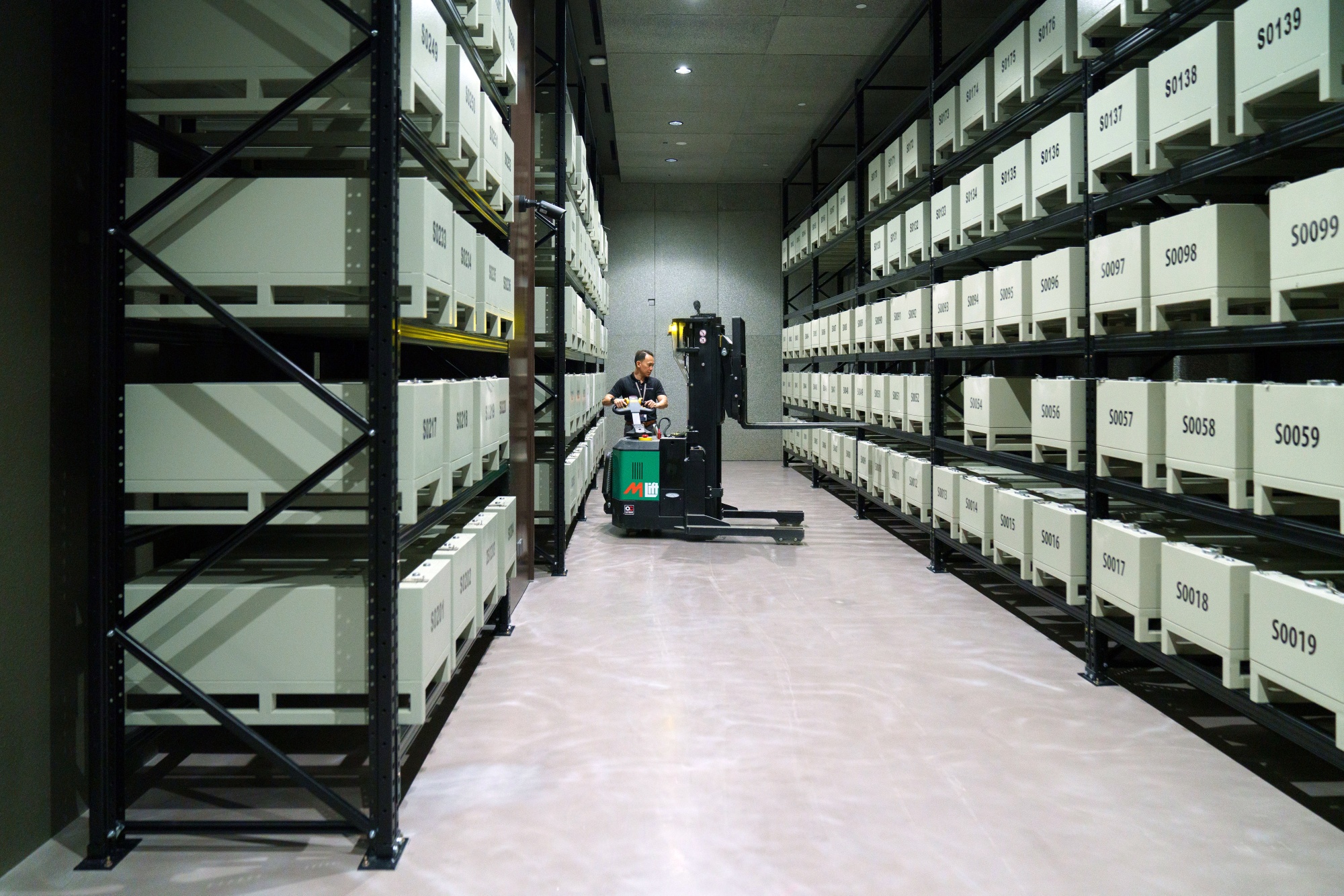 The Reserve's gold vault in Singapore. Photographer: Ore Huiying/Bloomberg If this all rings a bell, it's because Hong Kong pitched a remarkably similar plan earlier this year. Both economies rely heavily on external capital, both are courting everyone from crypto firms to ultra-high-net-worth families, and both want a bigger role in the increasingly competitive world of gold trading. The prize is obvious. Central banks collectively hold nearly 39,000 tons of bullion — roughly 18% of all the gold ever mined. Those 400-ounce bars aren't just sitting idle; they can be lent out, forming a key source of liquidity. Combined with the big bullion banks that act as market-makers, they underpin London's dominance as the world's main gold-trading hub, where billions of dollars' worth of metal change hands daily. 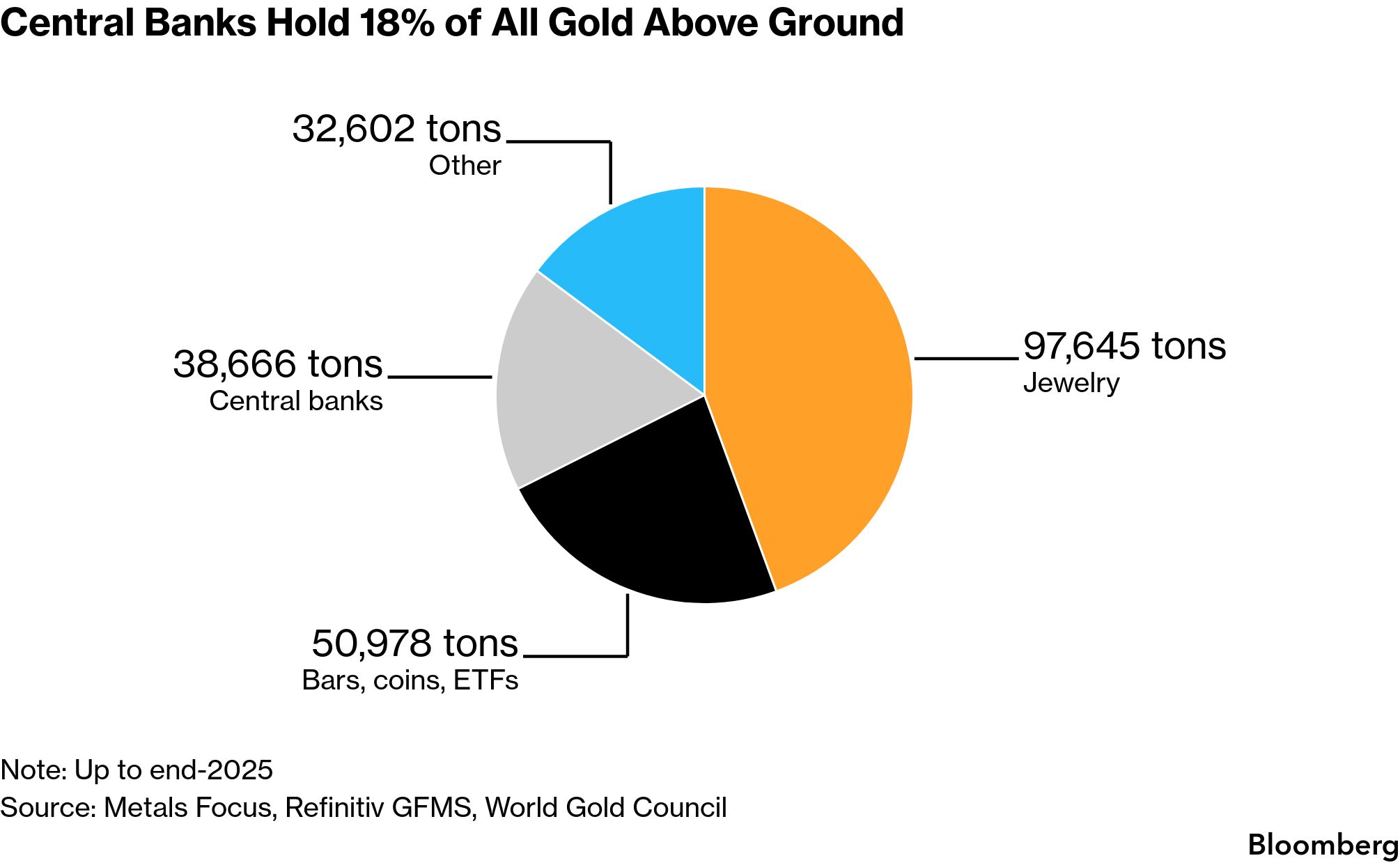 So, can Singapore break into the club? It has some natural advantages: a reputation for clean governance, political stability, low taxes, and a well-established wealth-management ecosystem. "Singapore is a trusted neutral location between the East and West," said Gregor Gregersen, who founded The Reserve, a massive vault for precious metals in Singapore, banking precisely on the city-state's haven status. "If Singapore ceases to be neutral, it will become irrelevant." That neutrality matters even more now. The US-Israel war on Iran has rattled the Gulf, denting Dubai's safe-haven appeal and prompting some family offices and wealthy investors to shift their bases toward Singapore and Hong Kong. There's also a lesson from the past. Eight years after its first gold futures contract fizzled, the Singapore Exchange is once again gauging demand for a new one. It's unclear how the city-state would compete with gold contracts by Abaxx Exchange, launched just last year. Whether this renewed push will stick is an open question, but this time, Singapore seems determined to make it count.—Yihui Xie Weekend Catch-UpA selection of the best of Bloomberg storytelling, from podcasts and video to explainers and feature stories. Read
Watch 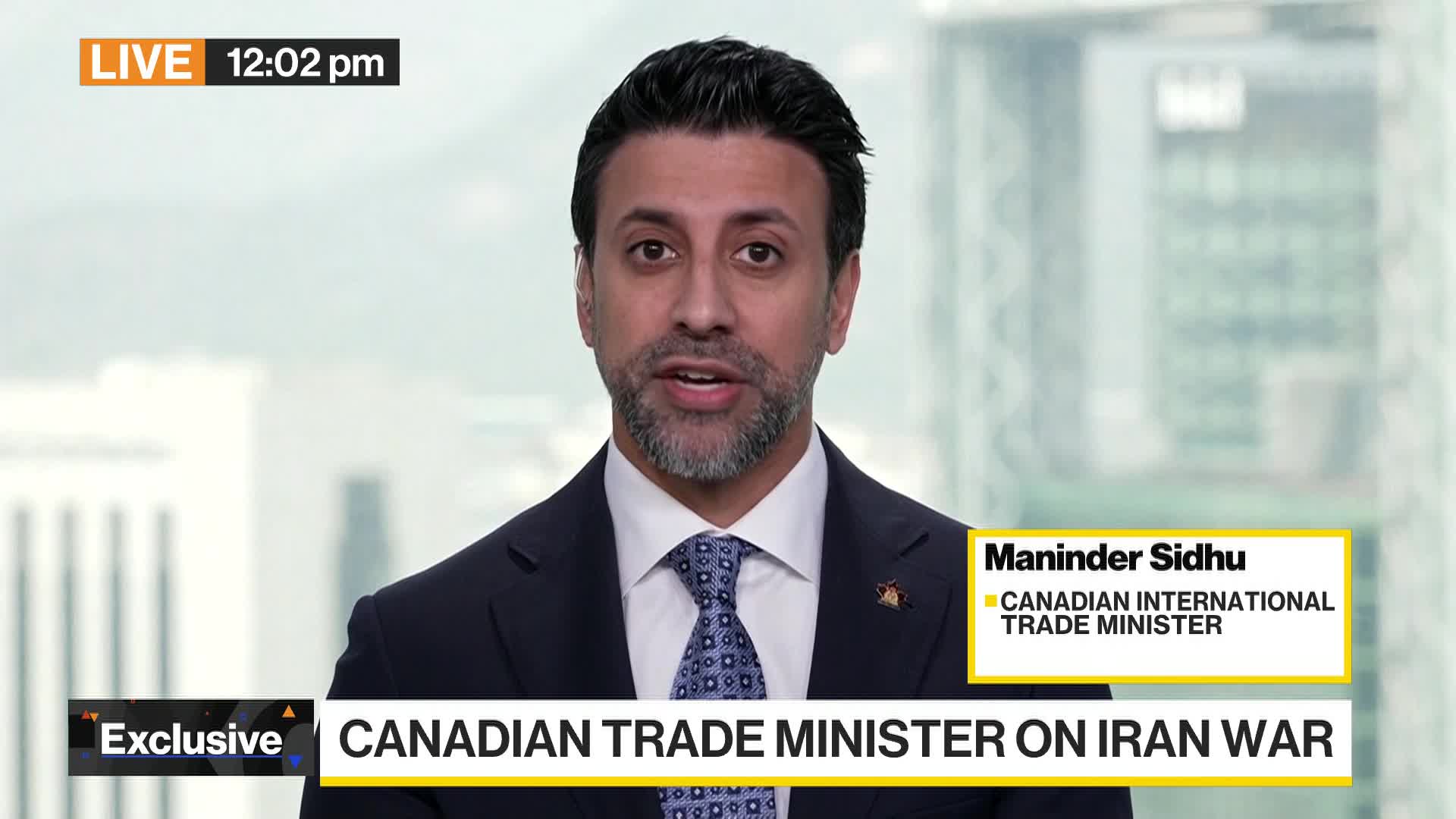  Rising oil prices and supply risks are testing global markets as the Iran war threatens flows through the Strait of Hormuz. Canada says its LNG, oil and nuclear projects could help fill gaps for Asia. Trade Minister Maninder Sidhu spoke with Haslinda Amin from Seoul.
Listen
 MORE: Explore live streaming news and interviews, documentaries, reporter analysis and more, all in one place. Check out Bloomberg.com/videos. Driverless in SingaporeThink driverless cars, and the mind tends to wander — Waymos gliding through San Francisco, robotaxis weaving through Guangzhou. Singapore, with its famously cautious approach to most things, feels like a different world. And yet, earlier this week, I climbed into one of Grab's new autonomous shuttles, launched in partnership with Chinese operator WeRide. It's billed as the first driverless service of its kind in Southeast Asia, which sounds more dramatic than the reality on the ground — but that's not necessarily a bad thing. This isn't a taxi you hail. It's a fixed-route shuttle covering two approved routes within a single neighborhood, with just 11 vehicles in the fleet. The bright purple van is hard to miss, drawing curious stares and the occasional wave from schoolchildren as it passes. Novel enough to turn heads; familiar enough that residents are already getting used to it. 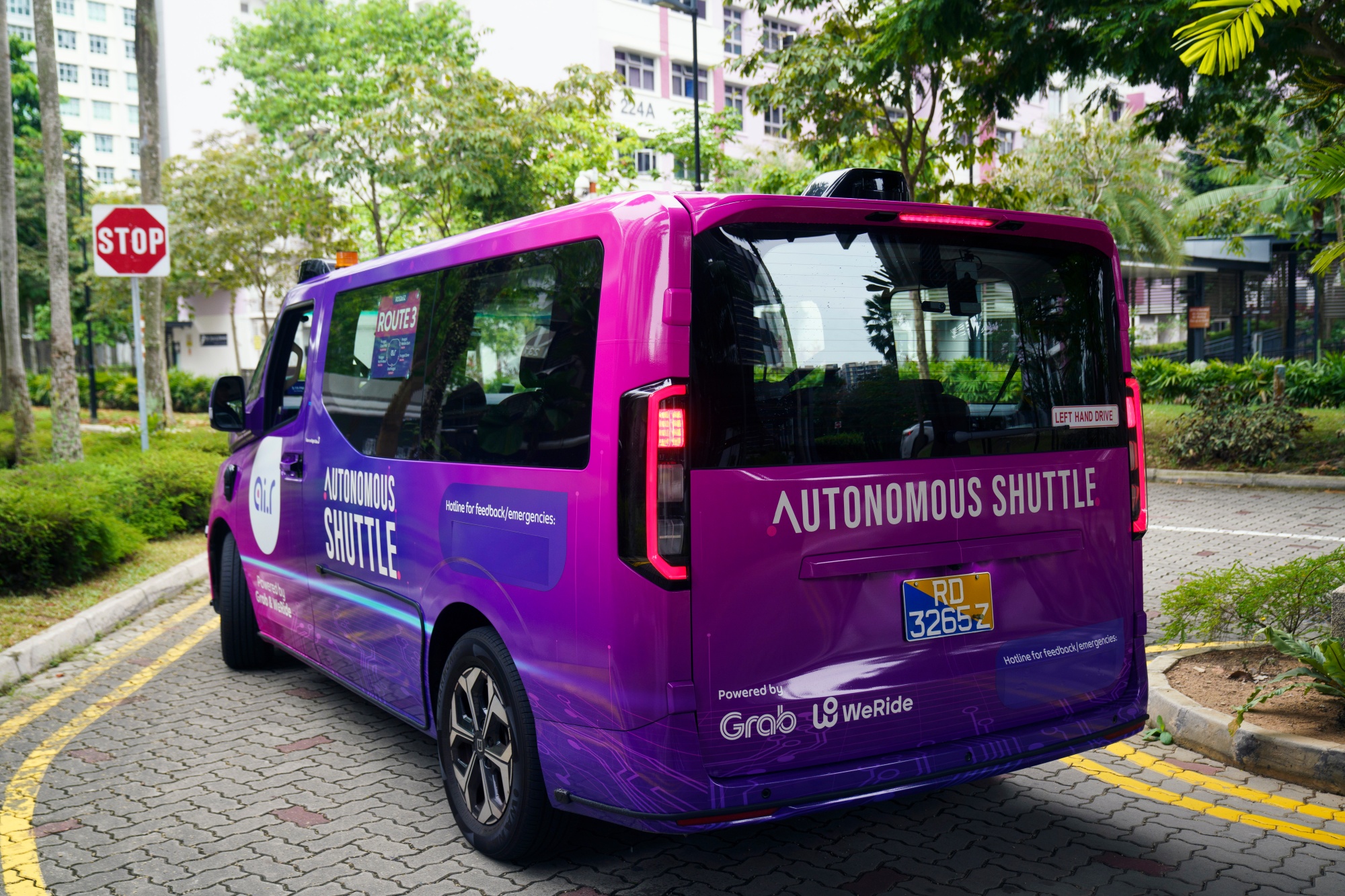 A GRX robotaxi, operated by Grab and WeRide, in Singapore. Photographer: Ore Huiying/Bloomberg The biggest reality check: a safety operator still sits behind the wheel, hands hovering, ready to intervene. The fully driverless future remains exactly that — future. I tested the customer support line mid-ride, half-expecting the usual AI runaround. Instead, a human voice walked me through how the vehicle is monitored remotely, cameras and all. In a car that drives itself, that was oddly reassuring. The caution is not without cause. Just this week, robotaxis run by Baidu's Apollo Go unit reportedly stalled in Wuhan, stranding passengers and reigniting concerns about whether autonomous systems are truly ready for scale. For Grab, the autonomous push isn't going to move the financial needle anytime soon — it's a long-term bet on deepening its app ecosystem while road-testing the technology in one of the world's most tightly regulated cities. The tougher question, one that Singapore will eventually have to grapple with, is what a scaled-up driverless fleet means for the tens of thousands of drivers who depend on taxi and ride-hailing income for a living. The reckoning may still be some way off. But the vehicles are already hitting the road.—Srinidhi Ragavendran The Review: WILD/FIREFrom the best spots for a business lunch to drinks with the boss, we sample the city's eateries, bars and new experiences. It isn't exactly the new kid on the burger block — but WILD/FIRE's much‑anticipated reopening last year came with a refreshed menu and the bold promise of "more fire, more flavor." The vibe: Think classic, fuss‑free burger joint. Marbled tables, sturdy wooden seats — this is a place where the focus is firmly on the food, not the décor.  Cocktails Source: WILD/FIRE Meetings or catch‑ups? Absolutely. With ample seating and enough space between tables, it's a solid pick for a laid‑back lunch with colleagues or friends. Casual, yes, but comfortable enough for private conversations. Date night potential? Surprisingly, yes. While my visit was at lunch, it's easy to imagine cocktails and dimmed lighting transforming the space into a cozy dinner spot. 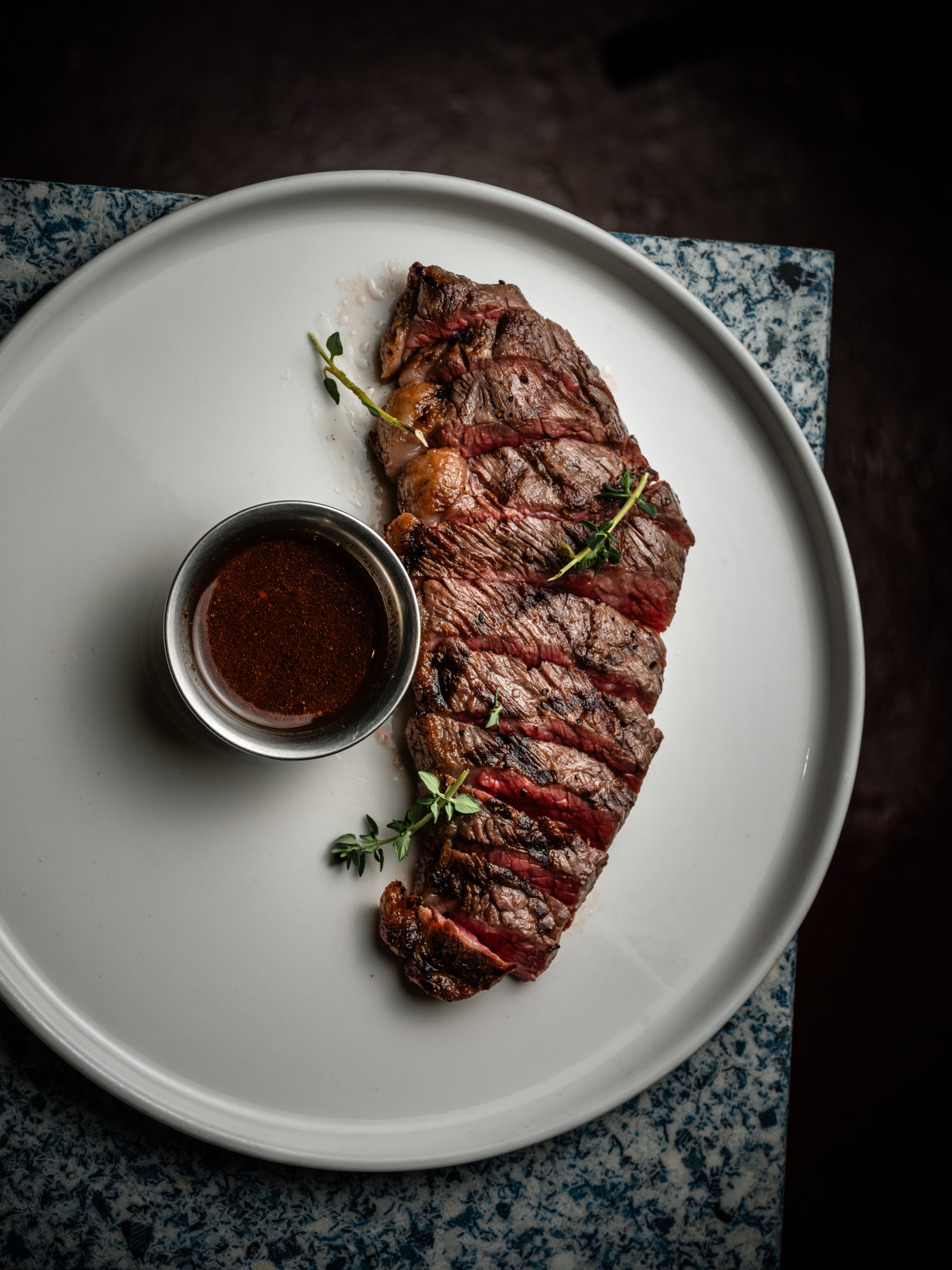 Picanha Source: WILD/FIRE What we'd order again: Have a place you'd like us to review or feedback to share? Get in touch at [email protected]. Thanks for reading our newsletter! Subscribe here if you haven't already. More from Bloomberg
We're improving your newsletter experience and we'd love your feedback. If something looks off, help us fine-tune your experience by reporting it here. Follow us
You received this message because you are subscribed to Bloomberg's Singapore Edition newsletter. If a friend forwarded you this message, sign up here to get it in your inbox.
|



