| Read in browser | ||||||||||||||

Each week we bring you insights into one of Asia’s most dynamic economies. If you haven’t yet, please sign up here. This week, Avril Hong dives into what the Iran war means for Singapore, Rthvika Suvarna and Gabrielle Ng take a look at a new migrant workers’ dormitory, and Yongchang Chin covers the return of cult favorite Orh Gao Taproom. Not Out of the WoodsA ceasefire in the Iran war has helped calm nerves, giving markets a bit of breathing room and lifting risk assets. But earlier in the week, before the ceasefire was announced, the mood was sober when I sat down with Singapore’s top diplomat. Foreign Affairs Minister Vivian Balakrishnan, always frank, struck a more cautious tone, warning that investors may be getting ahead of themselves. He said the worst-case scenario still isn’t fully priced in. Even if the fighting eases, damage to energy infrastructure won’t be fixed overnight. Repairs could take months, even years, leaving a lingering squeeze on global supply. That’s a real concern for Singapore and Singaporeans who worry about higher costs, like myself. The country imports almost all of its energy and depends on natural gas for more than 90% of its electricity. When global fuel markets are hit, Singapore feels it quickly. Rather than trying to call the outcome, Balakrishnan stressed the need to be ready for a wide range of scenarios, from relatively mild to severe.  
Singapore’s Foreign Affairs Minister Vivian Balakrishnan warns the economic fallout from the war in Iran could worsen and markets are yet to factor in the worst-case scenario.
Singapore is taking precautions. The government this week rolled out about S$1 billion ($785 million) in support measures to cushion the economy, while public agencies have been told to dial back electricity use, including air-conditioning. The early moves suggest policymakers are trying to get ahead of rising costs. Even so, some of those pressures are already starting to show. Authorities are bracing for higher inflation and electricity prices, with some parts of the economy more exposed than others. Deputy Prime Minister Gan Kim Yong has flagged manufacturing, especially industries reliant on natural gas, crude oil and petrochemical feedstocks, as particularly vulnerable. The impact is clear in aviation. Airlines are dealing with jet fuel costs that have more than doubled since the conflict began, squeezing margins and clouding the outlook. Executives speaking in Singapore this week said the pressure isn’t going away anytime soon. Thai Airways CEO Chai Eamsiri called it the worst oil shock of his nearly 40-year career, while Malaysia Aviation Group’s Nasaruddin Bakar said it could take months for prices to settle even if hostilities stop. For now, markets may be taking comfort in the pause in fighting, with attention focused on talks between the US and Iran this weekend. But beneath that calm, the deeper strains in energy markets, and the risks flagged earlier in the week, are still very much in play.—Avril Hong Bloomberg reporters discuss the next steps in de-escalating the conflict in a Live Q&A. Catch the replay here or click the image below. 
Weekend Catch-UpA selection of the best of Bloomberg storytelling, from podcasts and video to explainers and feature stories. Read
Watch 
WATCH: Former US intelligence adviser Michael Pregent discusses the US-Iran ceasefire with Haslinda Amin.
Listen

MORE: Explore live streaming news and interviews, documentaries, reporter analysis and more, all in one place. Check out Bloomberg.com/videos. After Covid, Have Worker Dorms Really Changed?In 2020, the numbers of Covid cases coming out of Singapore’s migrant worker dormitories were staggering. More than 100,000 workers caught the deadly virus, with many packed into rooms with 12 people or more, using communal showers and drying wet laundry beside their beds because there simply wasn’t enough space. Case counts climbed day after day, even as the rest of the city reopened. It was a public health crisis that revealed something Singapore had long kept out of view: the people building its skyline were living in conditions that didn’t quite match its image of order and efficiency. This week, my colleague and I looked at what has changed. NESST Tukang, a new 2,400-bed dormitory in the far west, is the government’s first fully owned facility, built after consulting workers themselves. 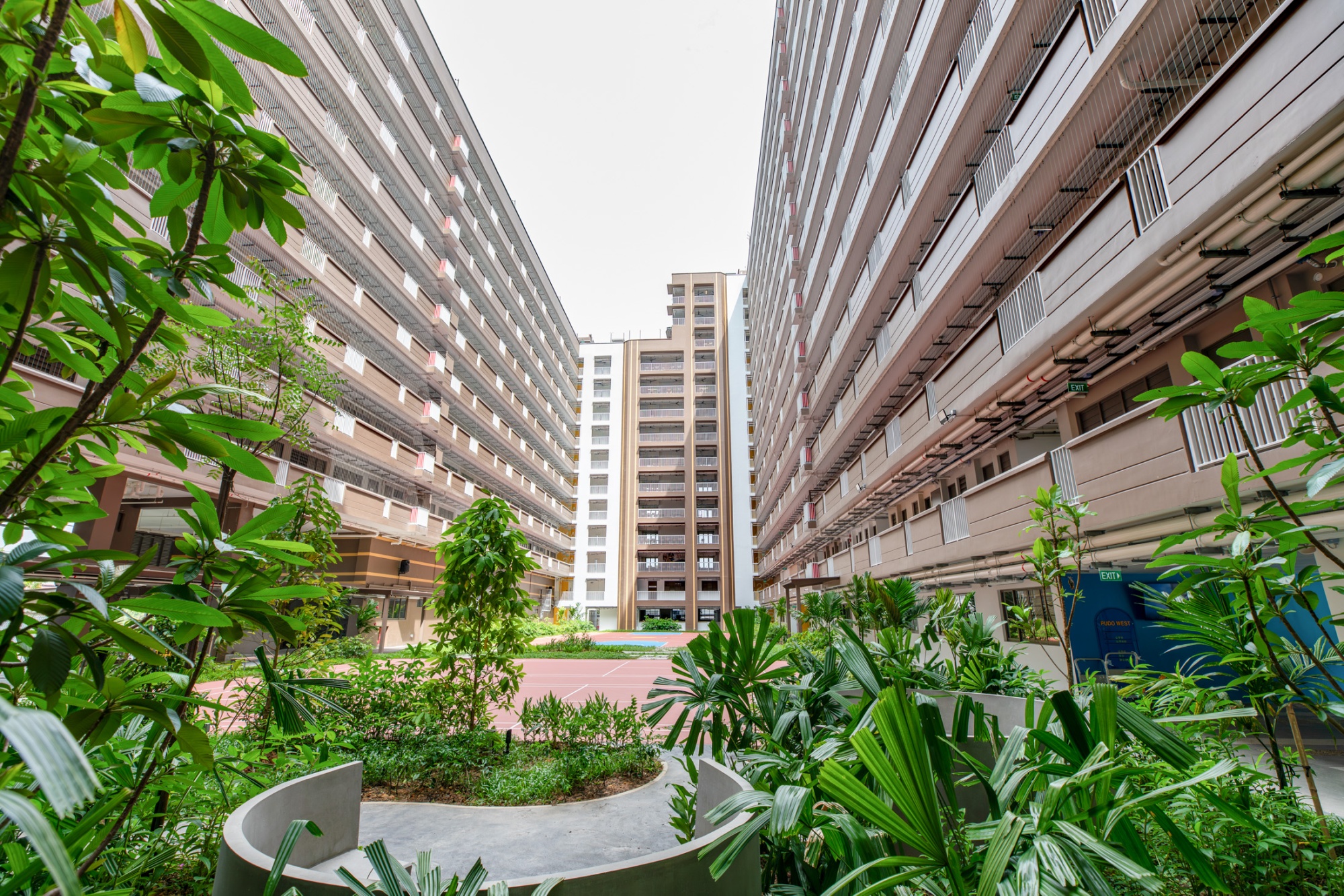
The NESST Tukang dormitory in Singapore.
JTC Corp.
It feels different by design. On a recent guided tour, I saw the buildings open into a central courtyard instead of long, enclosed corridors. Rooms have windows on both sides for airflow. There are kitchens, sports courts, green spaces — and no more need to hang laundry by the bed. Nazmul Haq, a Bangladeshi worker introduced to me on the tour, said the difference is tangible. After nearly two decades in Singapore, he moved into the new dormitory this year. He now has his own partitioned space in a room that can still fit a dozen, but comes with en suite toilet, shower and laundry drying facilities. He told me his wife said it looked like a hotel when he showed her the room over a video call. Step outside NESST Tukang, though, and the picture gets harder to read. Singapore’s population hit a record 6.11 million in mid-2025, driven largely by an influx of workers for major infrastructure projects. While worker housing is an increasingly lucrative sector, dormitory providers are struggling to keep up. More workers are ending up in private apartments or makeshift housing on construction sites — spaces that aren’t regulated by the government — or in dormitories that still cramp 16 in one room, with a couple of toilets to share. The government says it is raising its standards. Whether that is fast enough is a harder question, and one without a comfortable answer.—Rthvika Suvarna, with assistance from Gabrielle Ng The Review: Orh Gao TaproomFrom the best spots for a business lunch to drinks with the boss, we sample the city’s eateries, bars and new experiences. Orh Gao is back. The vaunted taproom reopened in late March to plenty of buzz after a half-year hiatus following a move not far from its original space. There’s a new daytime concept too, Peh Gao Coffeeshop, serving local favorites like kaya toast and nasi lemak for breakfast and lunch. The Bukit Timah brewery isn’t stopping there; it’s also set to pour at the new New Bahru complex alongside other newcomers. The vibe. This cult favorite is a casual, no-frills spot at the side of Serene Centre mall, right next to Botanic Gardens MRT. The regulars never really left. Even before the official reopening, crowds were already coming back for its wide, rotating lineup of lagers, sours and stouts — there’s always something new to try. It’s pet-friendly too. 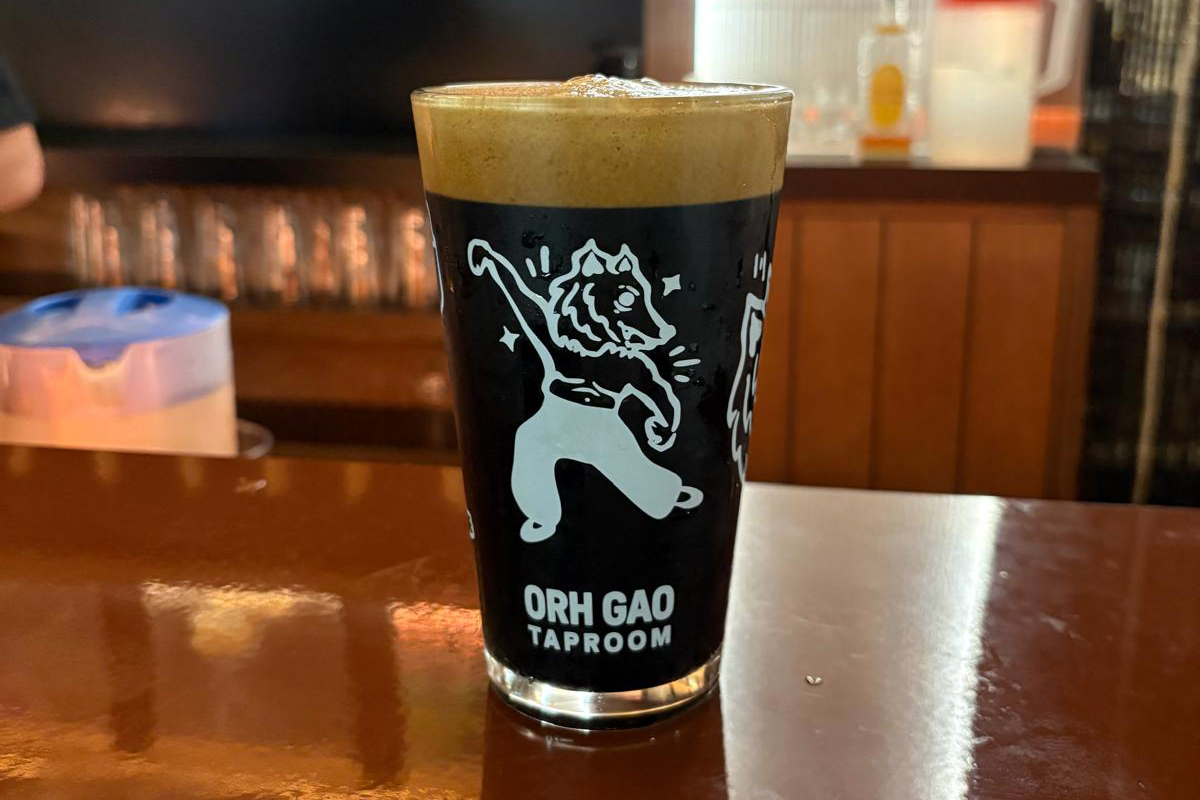
Stout at Orh Gao Taproom.
Photographer: Yongchang Chin/Bloomberg
Orh Gao’s return comes as a relief for beer enthusiasts as breweries seem to be hitting a rough patch here. Heineken’s paring back of Tiger Beer production in Singapore added to the earlier demise of Archipelago Brewery, craft beer haunt Good Luck and Heart of Darkness taproom. I was at the opening with friends, and by the end of the night, the whole place had turned into a slightly off-key sing-along to Mr. Brightside. Can you conduct a meeting here? I brought a group of oil traders one weekend. Of course markets came up, but this isn’t an ideal place where you go for formal business dealings or high-level negotiations. It’s much better for relaxed catch-ups or team drinks with people you already know. What about a date? Probably not your best idea for a first date if you’re trying to impress because of how casual this place is. If you’re going for something low key, it works. Just know it can get a bit rowdy later on. What we’d order again. Both the food and drinks here are immaculate. The kaya toast is excellent, with a house-made coconut-and-pandan spread. The local kopi (coffee) and tea are solid too. Other highlights include rempah fried chicken, har cheong gai (prawn paste wings) and crab fried rice. 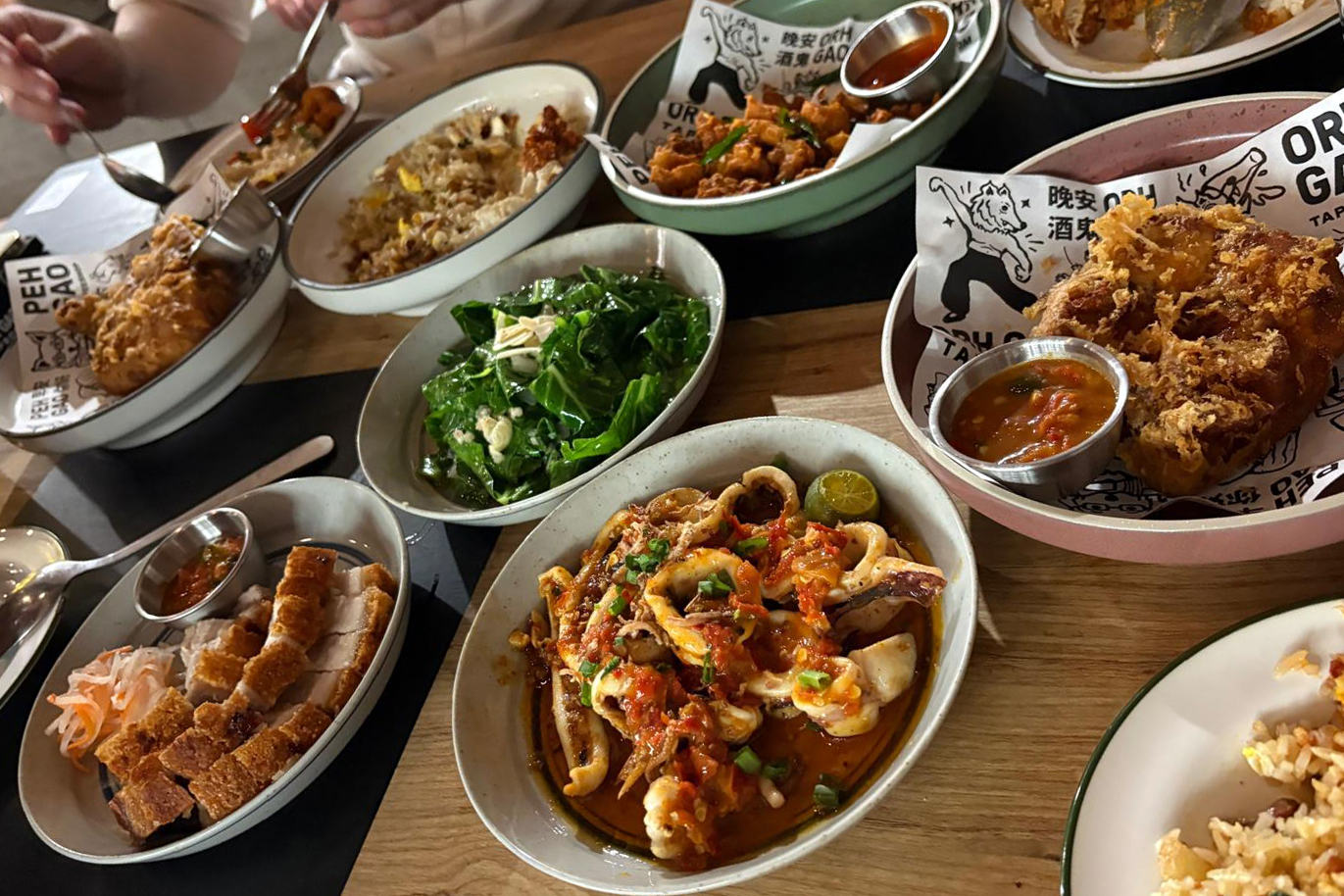
A variety of dishes for dinner.
Photographer: Yongchang Chin/Bloomberg
No trip to Orh Gao is complete without a beer, and the stouts are especially good. The name — “black dog” in Hokkien — pays homage to local slang for Guinness stout. Not a stout drinker? No problem. There’s also a small selection of wine and Japanese sake, plus a few simple cocktails. Need to know. Orh Gao Taproom/Peh Gao Coffeeshop sits at Serene Centre mall, 10 Jalan Serene, a short walk from the Botanic Gardens’ northern gate. It’s open daily except Mondays, serving breakfast from 8am and beers from 5pm. I spent just over S$100 on food for four; pints run roughly from S$15 to S$35.—Yongchang Chin Have a place you’d like us to review or feedback to share? Get in touch at [email protected]. Thanks for reading our newsletter! Subscribe here if you haven’t already. More from Bloomberg
We’re improving your newsletter experience and we’d love your feedback. If something looks off, help us fine-tune your experience by reporting it here. Follow us
You received this message because you are subscribed to Bloomberg’s Singapore Edition newsletter. If a friend forwarded you this message, sign up here to get it in your inbox.
|




Relief as US, Iran agree ceasefire
Bloomberg Morning Briefing Americas ...