| Read in browser | ||||||||||||||
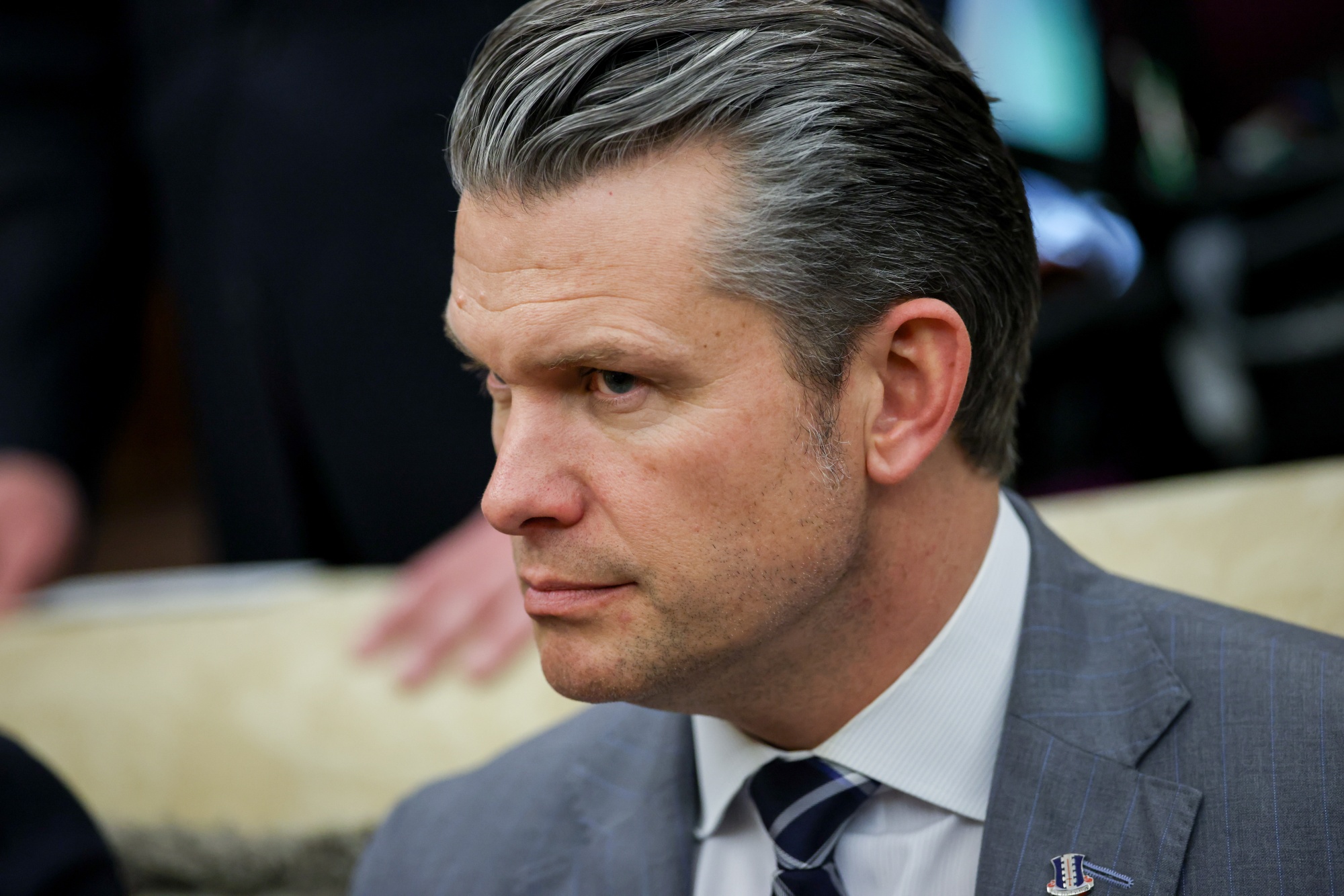
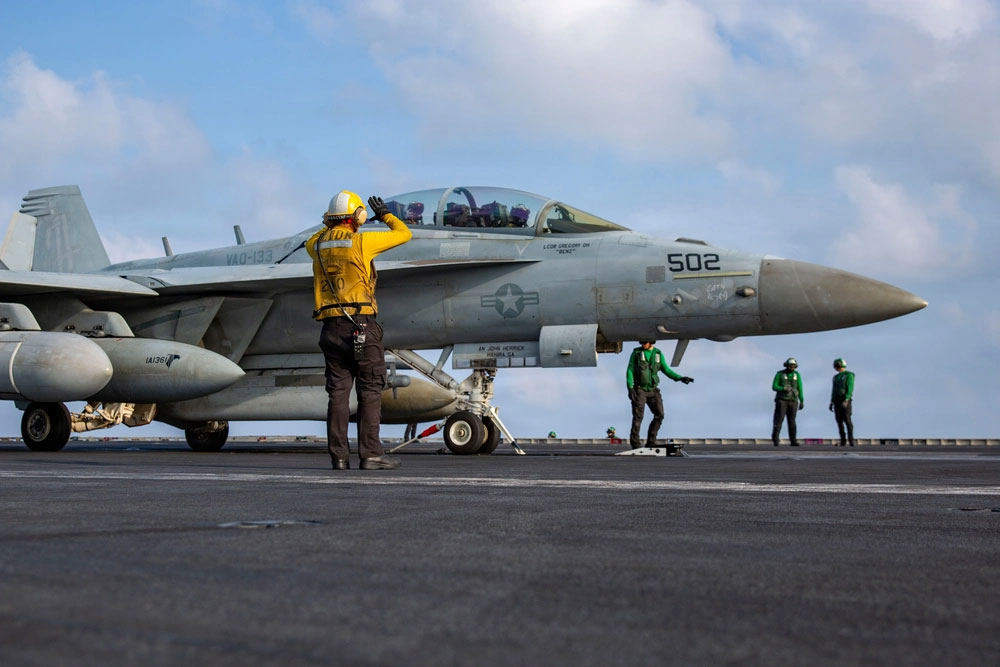
 If the Strait of Hormuz remains effectively shut for another six weeks or more, many energy analysts and traders say oil prices would need to climb much higher to bring supply and demand into balance. Think $200 a barrel. Such a grim figure—along with US gasoline prices topping $4 per gallon, Iran attacking a fully laden tanker and continued strikes around the Persian Gulf—may be among the factors prompting a Trump administration pivot Tuesday. Defense Secretary Pete Hegseth said the US military's job now is to maintain pressure and compel Tehran to make a deal. Hegseth said, without providing evidence, that the US-Israeli bombing campaign was causing Iranian desertions. But Iran's military—both its regular forces and the Islamic Revolutionary Guard Corps—has appeared from the outside to remain unified in the face of US and Israeli attacks. There's little sign of desertions, particularly among senior commanders. News that a frustrated Donald Trump may be looking for a way out and Iran's reported openness to negotiations sent markets skyward. Late in the day, the president said the US would end the bombing in a few weeks. But for much of Tuesday, the administration focused instead on the Iranian stranglehold on the Strait of Hormuz, the growing energy crisis and lack of response to Trump's calls for help. He threatened allies unwilling to assist in reopening the strait, saying in a social media post, "you'll have to start learning how to fight for yourself." —David E. Rovella What You Need to Know TodayA previous Trump threat—to let Russia attack other NATO members— didn't do it. Publicly mulling annexing a NATO ally's territory didn't do it. But Trump's decision to start the now-month long war with Iran may be what finally fractures the 77-year-old defensive alliance. NATO members are dropping previous efforts at mollifying Trump and instead increasing resistance to his demands they get involved in the war. Spain closed its airspace to US jets and Italy denied US military aircraft bound for the Middle East permission to land at a base in Sicily. Poland said it has no plans to relocate its Patriot batteries following a report the US suggested Warsaw consider sending one to help in the Middle East. "We're seeing evidence of confusion and tension between public opinion and political opinion in many NATO countries," said Ian Lesser, distinguished fellow at the German Marshall Fund. "As a default, there is a tendency to be helpful in Europe regarding military-to-military cooperation with the US, but the current war is putting these longstanding defense relationships under strain." European nations have coalesced around an offer to build a coalition to enforce freedom of navigation—after the end of active combat. But the broader divergence between European nations and NATO's largest member remained stark on Tuesday. If the threats to NATO's cohesion grow, it would confer perhaps the largest benefit of the war so far on the alliance's chief adversary, Russia, which is profiting handsomely from high oil prices and loosened US sanctions. 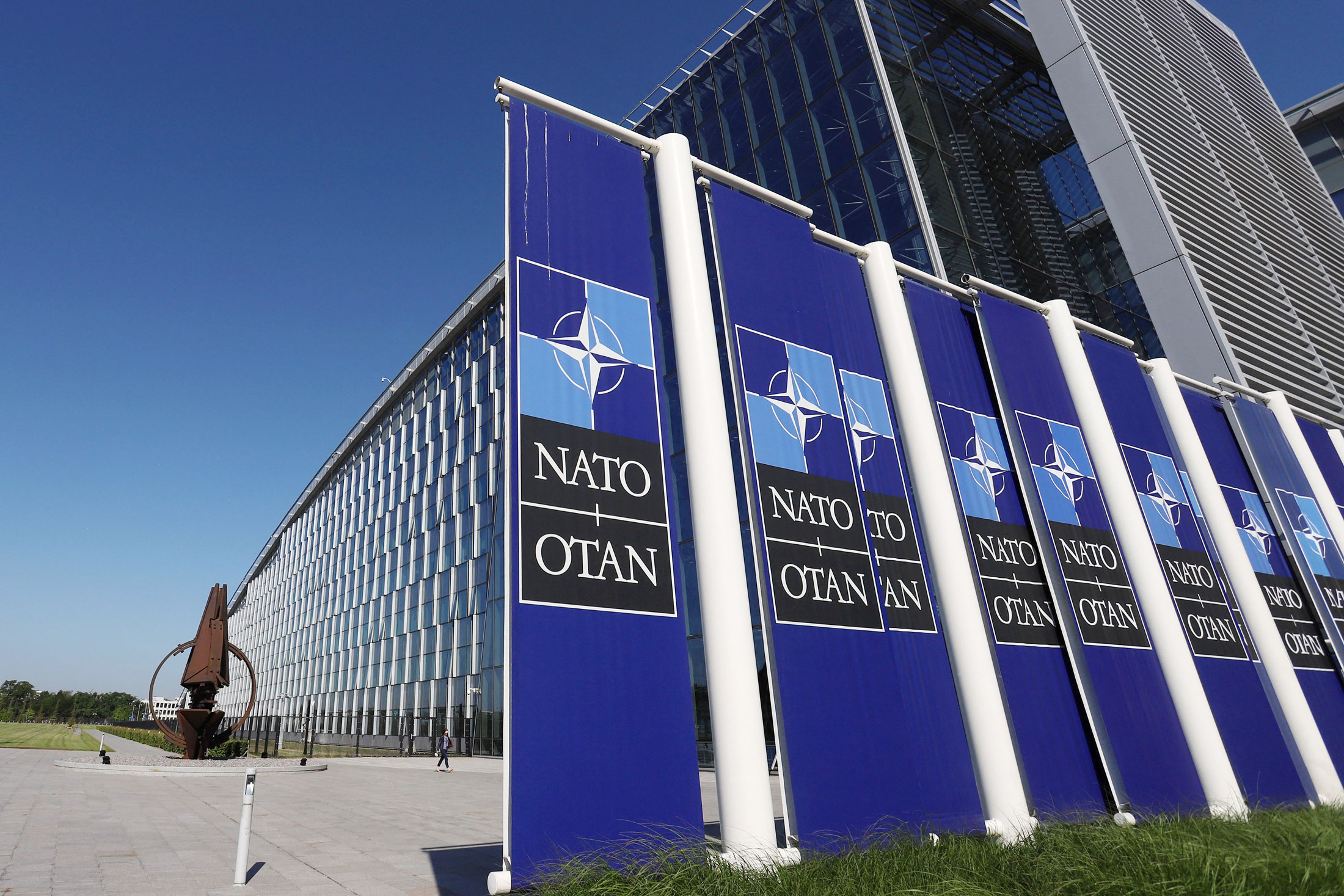 NATO headquarters in Brussels. Photographer: Valeria Mongelli/AFP/Getty Images As the US struggles to find an exit, European leaders also are losing patience with the optimism of at least one Trump administration official when it comes to the war's collateral damage, and how long it will last. She used an audience of high-level Group of Seven officials to challenge the former American hedge fund manager, warning the central bankers, finance and energy ministers convened for a video call that the effects would be felt for a long time because so much has already been destroyed. 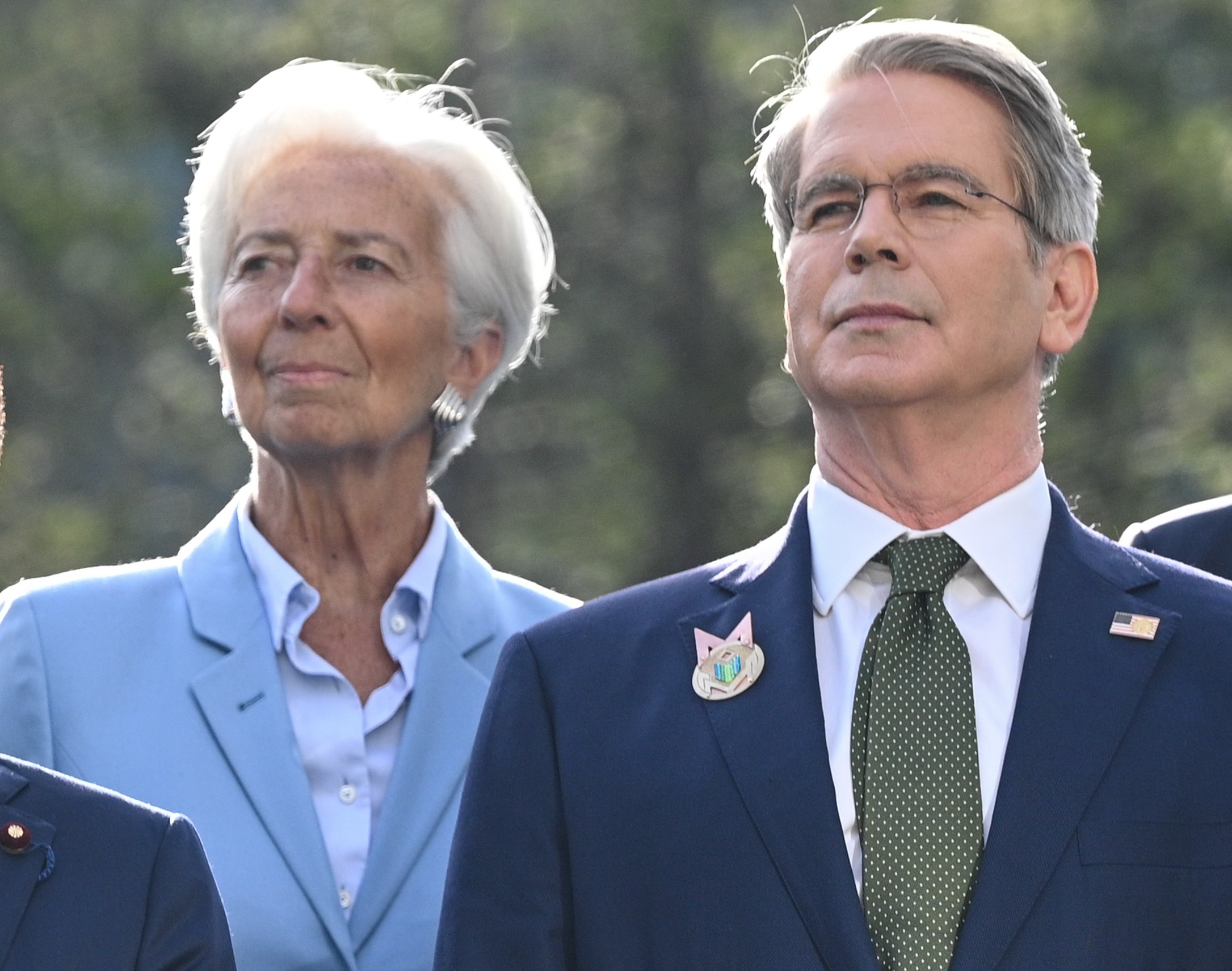 European Central Bank President Christine Lagarde and US Treasury Secretary Scott Bessent in May 2025 Photographer: NurPhoto Get ready for early retirement, middle managers—Jack Dorsey says your services may no longer be needed. The former Twitter chief is pitching artificial intelligence as your replacement in his reimagined view of how technology companies should function. The idea comes weeks after he fired thousands of his own employees at Block. AI, in Dorsey's estimation, can replace coordination functions that humans typically provide by relaying information through layers of management. Companies have long targeted middle management during downturns to cut costs and speed decision-making. Now it seems AI may finish the job. In Dorsey's model, employees fall into three roles: individual contributors who build and operate systems; directly responsible individuals who own specific problems; and player-coaches who both build products and develop people, replacing traditional managers focused on coordination. Dealmakers are off to their best ever start to a year thanks to a raft of mega mergers and acquisitions, even as some momentum once again gets bumped by the US-Israel war with Iran. Global transaction values are ending the first quarter almost 20% higher at about $1.3 trillion, according to data compiled by Bloomberg, thanks to deals like Sysco's $29.1 billion takeover of wholesaler Jetro Restaurant Depot and Unilever's $44.8 billion sale of its food business to McCormick—both announced this week. "People are saying 'you know what, even if there might be some uncertainty in the world, if I look out one, two, five years from now and this is the right deal to do, then this is the time to do it,'" said Ivan Farman, co-head of global M&A at Bank of America. 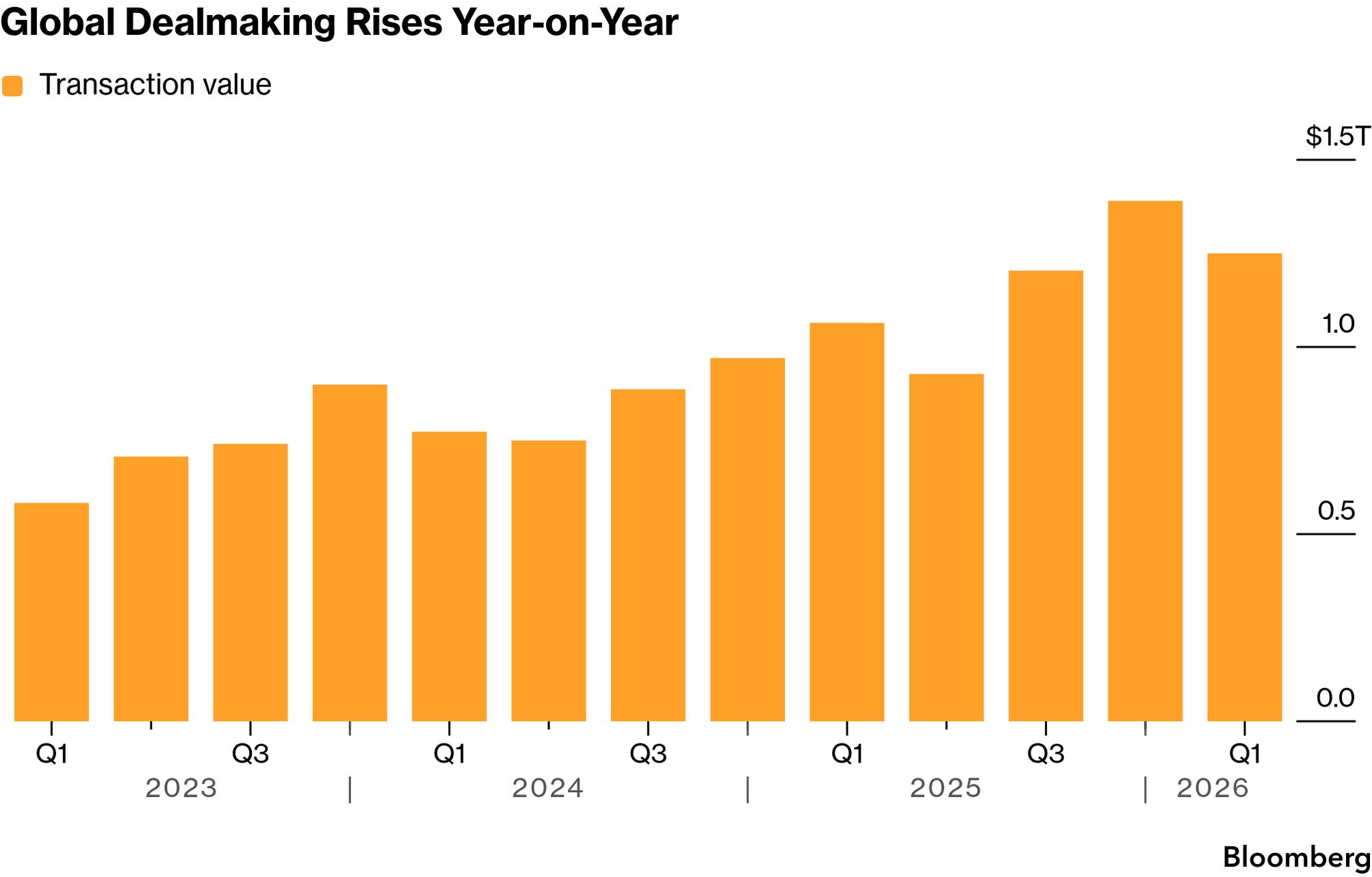 What You'll Need to Know TomorrowFor Your CommuteMore from BloombergEnjoying Evening Briefing Americas? Get more news and analysis with our regional editions for Asia and Europe. Check out these newsletters, too:
Explore all newsletters at Bloomberg.com. We're improving your newsletter experience and we'd love your feedback. If something looks off, help us fine-tune your experience by reporting it here. Follow us
You received this message because you are subscribed to Bloomberg's Evening Briefing Americas newsletter. If a friend forwarded you this message, sign up here to get it in your inbox.
|