| Read in browser | ||||||||||||||
Welcome to Balance of Power, bringing you the latest in global politics. If you haven’t yet, sign up here. For South Korean President Lee Jae Myung, the Iran war presents both an unprecedented energy crisis and a fresh opportunity to strengthen Seoul’s hand against North Korea’s Kim Jong Un. Only last month, South Korea’s finance minister, Koo Yun Cheol, boasted that Middle Eastern countries were “lining up” to buy its missiles, touting a success rate of around 90%. Their more affordable price tag is another selling point. Ministers in Seoul have since been coy about exact orders — and it’s not clear whether Hanwha Aerospace and other arms manufacturers could keep up with demand. 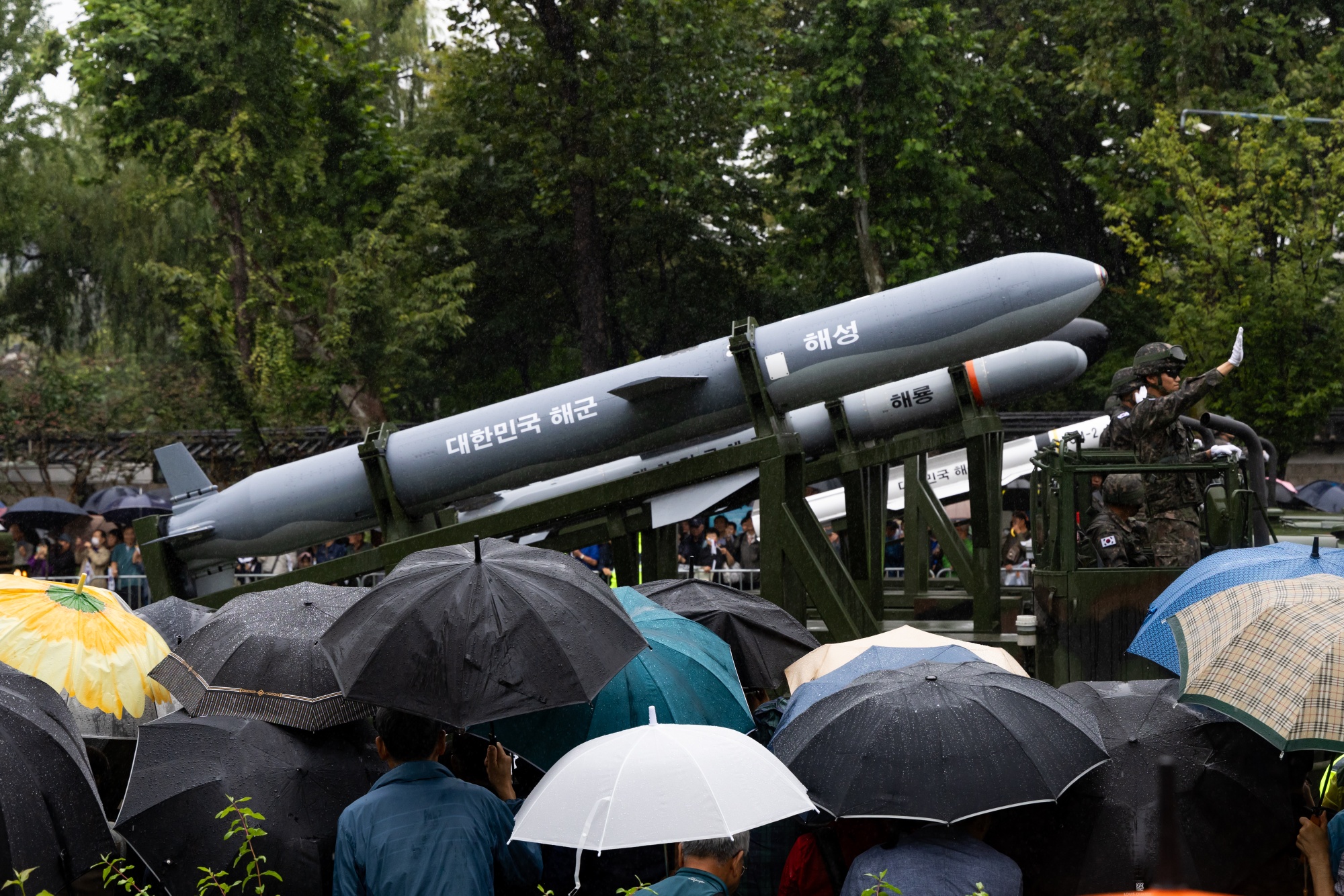
A military parade in Seoul in September 2023.
Photographer: SeongJoon Cho/Bloomberg
Instead, the government’s public focus is on the oil squeeze, with Lee even asking citizens to conserve energy by taking shorter showers. Offering some relief, one senior South Korean official returned from a trip to Kazakhstan, Oman and Saudi Arabia this week having secured millions of barrels of crude oil and fresh naphtha supplies, to be delivered by routes avoiding the Strait of Hormuz. No mention of missiles was made as the commitments were unveiled, but it can’t hurt that Seoul makes weapons countries in the Gulf and elsewhere need. Poland signed a $6.5 billion deal last year to buy K-2 battle tanks, and just this week Lee and Prime Minister Donald Tusk agreed to further defense ties. As the Iran war invigorates interest in South Korea’s defense sector, the International Atomic Energy Agency warned that it had observed a “very serious increase” in North Korea’s capacity to produce nuclear weapons. Lee’s government has already accelerated nuclear-reactor restarts in a bid to maintain grid stability during the Middle East crisis. With Seoul pushing for its own atomic-powered submarine, any shift in energy policy would likely be watched closely by Pyongyang. As Kim plays hard to get with Donald Trump and refuses talks with Lee, a South Korea more able to defend and power itself looks like an increasingly smart option. — Jenni Marsh 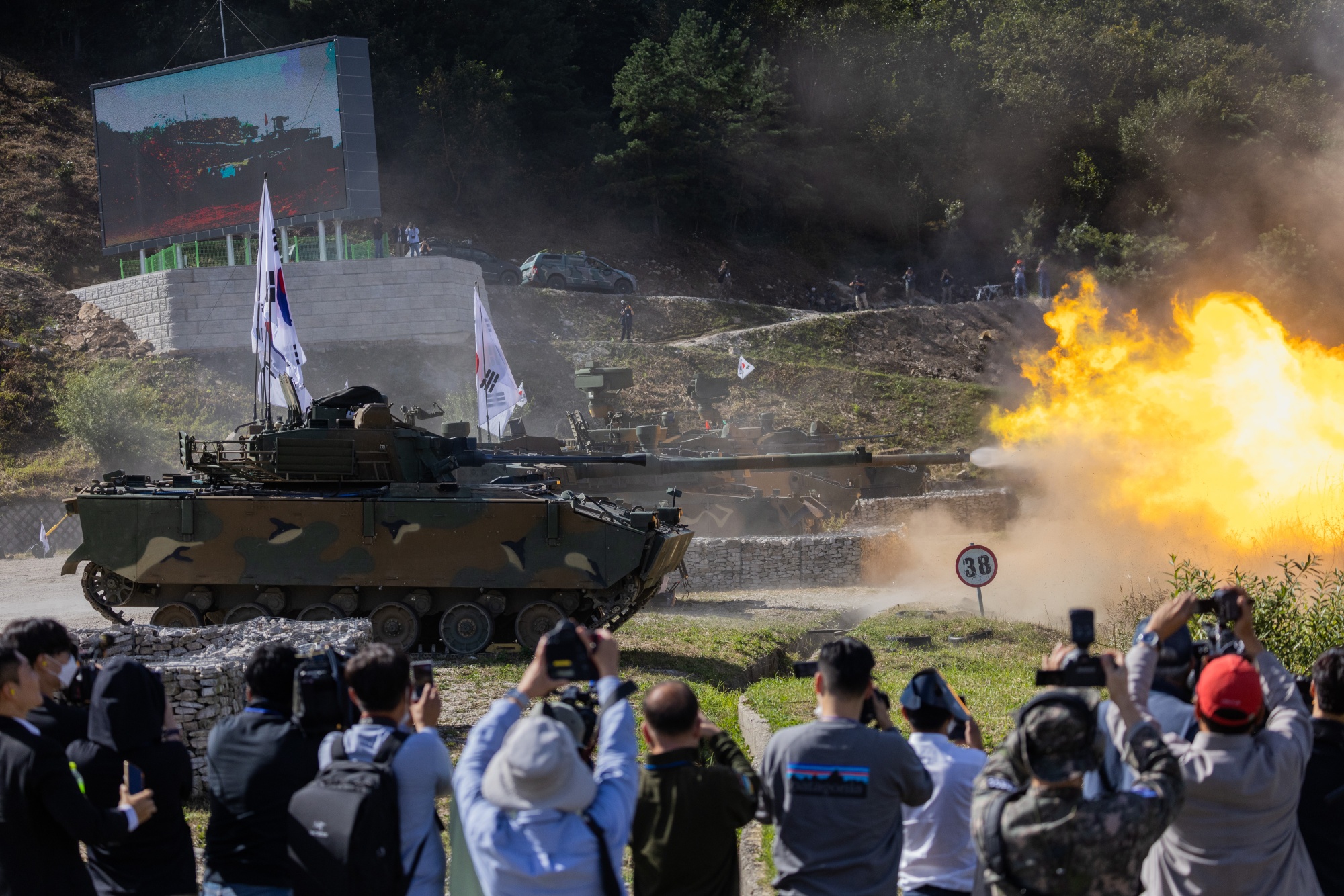
A South Korean K-2 battle tank during a live-fire exercise at a military base in Pocheon, South Korea, in September 2022.
Photographer: SeongJoon Cho/Bloomberg
Global Must ReadsThe US and Iran are considering a two-week ceasefire extension to allow more time to negotiate a peace deal, a source says, reducing the risk of renewed fighting despite an intensifying standoff over the Strait of Hormuz that’s been effectively shuttered. Indian officials say the Iran war could be as disruptive to the country as the Covid pandemic, threatening to knock the world’s fastest-growing major economy off its path. Trump’s bid to block Iran from using the strategic waterway chokes a key Chinese energy-supply route and risks a showdown with Xi Jinping a month before the presidents are set to meet in Beijing. At least two US-sanctioned, Iran-linked vessels made their way through the strait into the Gulf, taking what may be a new route from the United Arab Emirates even as a US blockade enters its third day. 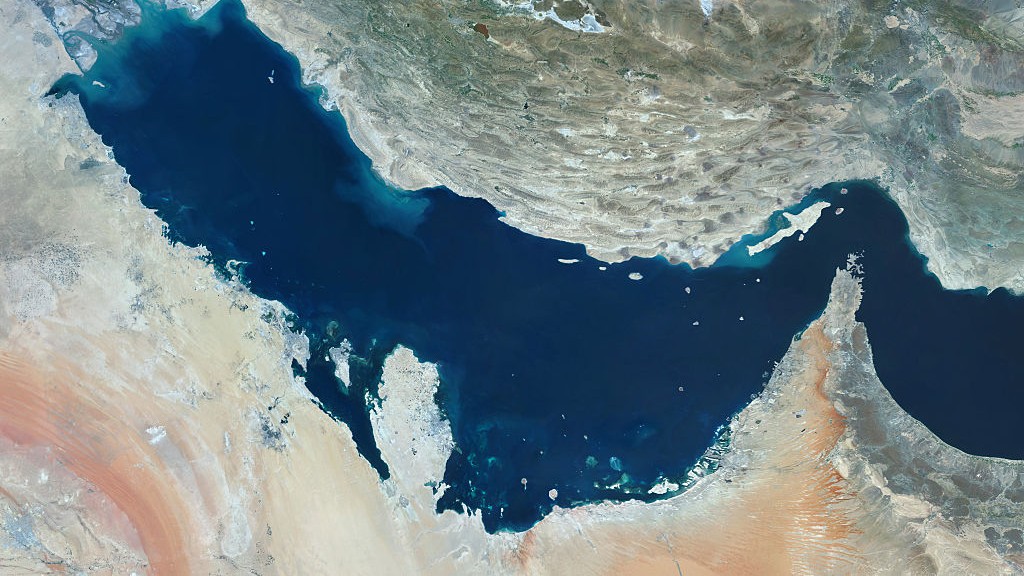 
Bloomberg TV’s Joumanna Bercetche reports on diplomatic efforts to end the war.
The growing consensus on the sidelines of International Monetary Fund and World Bank meetings this week is that investors are underestimating the economic damage from the Iran war and that its impact is likely to get worse before it gets better — even if a lasting peace is negotiated soon. What will probably take root, participants say, is structural change involving higher costs, longer trade routes and a denser cloud of geopolitical uncertainty. UK Prime Minister Keir Starmer will meet with representatives from the largest US tech companies to discuss ways to keep children safe online as global appetite to stop children and younger teenagers from using social-media services grows. Australia was the first to enact a ban in December, with the movement gaining traction in Indonesia, parts of India, France, Spain and many other countries. Trump said he would fire Jerome Powell as chair of the Federal Reserve if he doesn’t leave the post “in time,” and insisted that the Justice Department probe into the central bank leader will continue. Powell’s stint as the bank’s head expires in May, but his term on the board of governors does not end until 2028. A South African court sentenced firebrand politician Julius Malema to an effective five years in jail for violating the nation’s gun laws and other offenses, excluding him from serving as a lawmaker — if the verdict isn’t overturned on appeal. 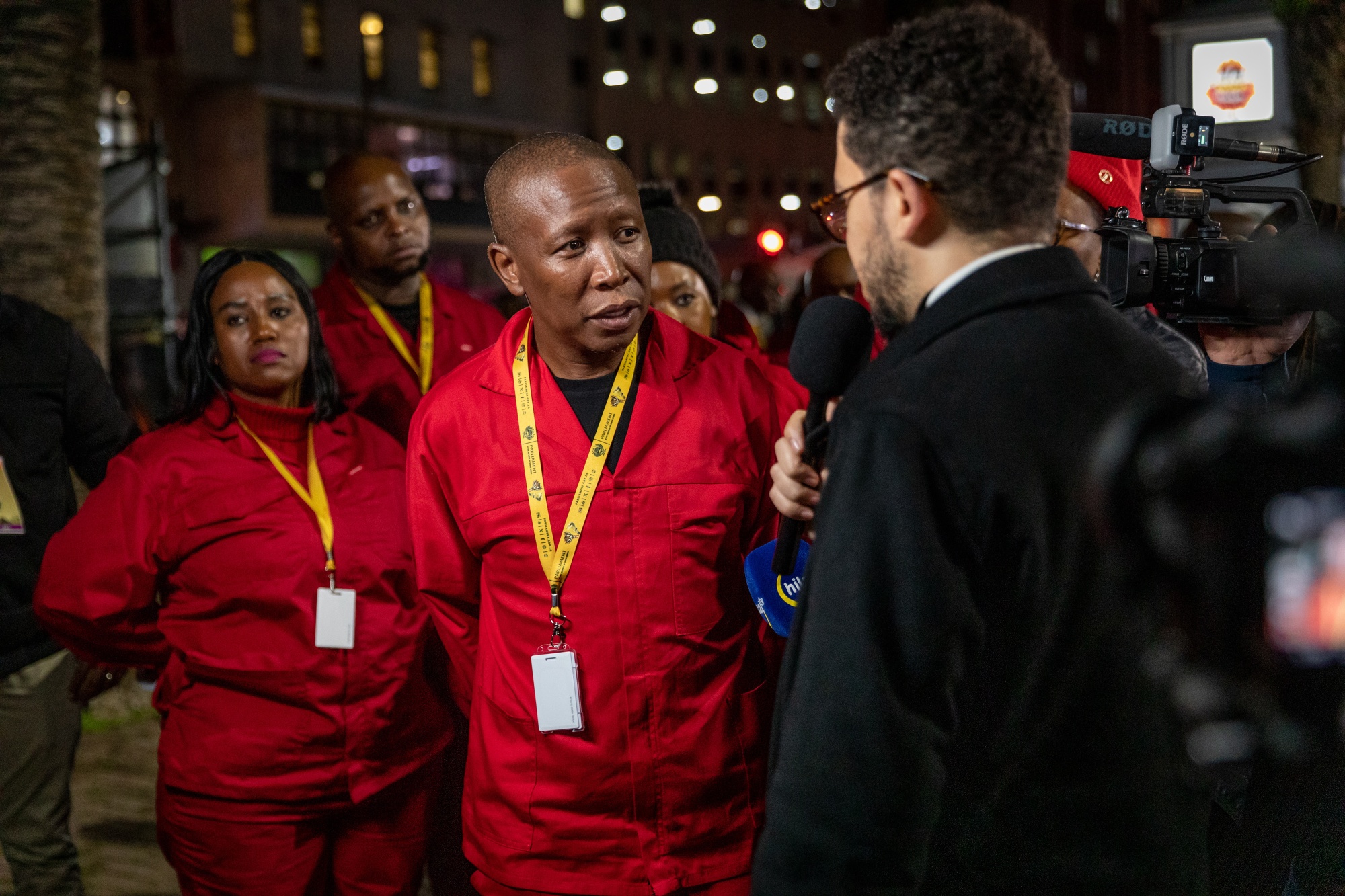
Malema in Cape Town in July 2024.
Photographer: Dwayne Senior/Bloomberg
Chilean President José Antonio Kast detailed legislation that’s the bedrock to his economic policies yesterday, ahead of what will likely be lengthy debate and voting in the nation’s divided Congress. Flávio Bolsonaro took a narrow lead against President Luiz Inácio Lula da Silva in the run-up to October’s Brazilian election, with a new poll showing the right-wing senator maintaining momentum in the race. Australia will raise defense spending to 3% of GDP by 2033, Defense Minister Richard Marles said, warning the country faces its most threatening circumstances since the end of World War II. 
On this episode of the Trumponomics podcast, host Stephanie Flanders speaks with Anna Wong of Bloomberg Economics and Oren Cass of the conservative think tank American Compass about how Trump’s tariffs plus the Iran war may help US manufacturing. Listen on Apple, Spotify or wherever you get your podcasts.
Sign up for the Washington Edition newsletter for news from the US capital and watch Balance of Power at 1 and 5 p.m. ET weekdays on Bloomberg Television. Chart of the Day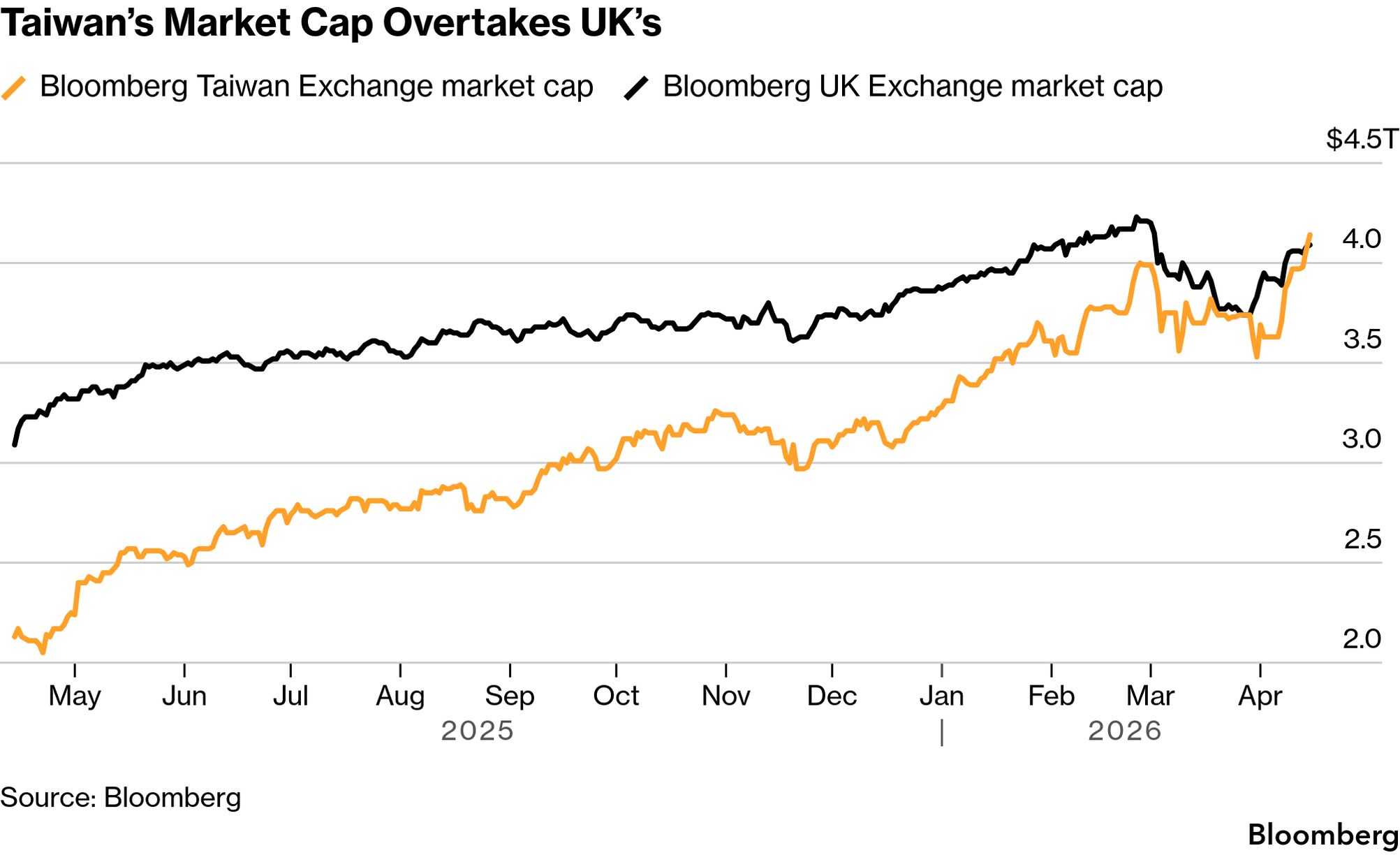
Taiwan overtook the UK in stock market value, making it the world’s seventh largest, as the island’s tech firms regain favor amid the AI boom and hopes for further de-escalation in the Iran war. The feat comes after the Taiex Index recouped all losses driven by the conflict — one of the first major markets to do so — to reach a record high. And FinallyOn the surface, Aragón is a Big Tech data-center dream. Vast, uninterrupted stretches of the Spanish region are empty, clean power dominates and electricity prices are generally 20% to 30% less than the European average. Labor costs are among the lowest in Western Europe, with the result that Aragón is expected to host about 25 data centers in the coming years. Officials speak boldly of the jobs and prosperity that await, yet as this Big Take explains, the reality of the investment boom is less tidy, with locals prised from their land, and small towns at the coalface of the buildout taking the government to court to address concerns ranging from water use to tax exemptions. 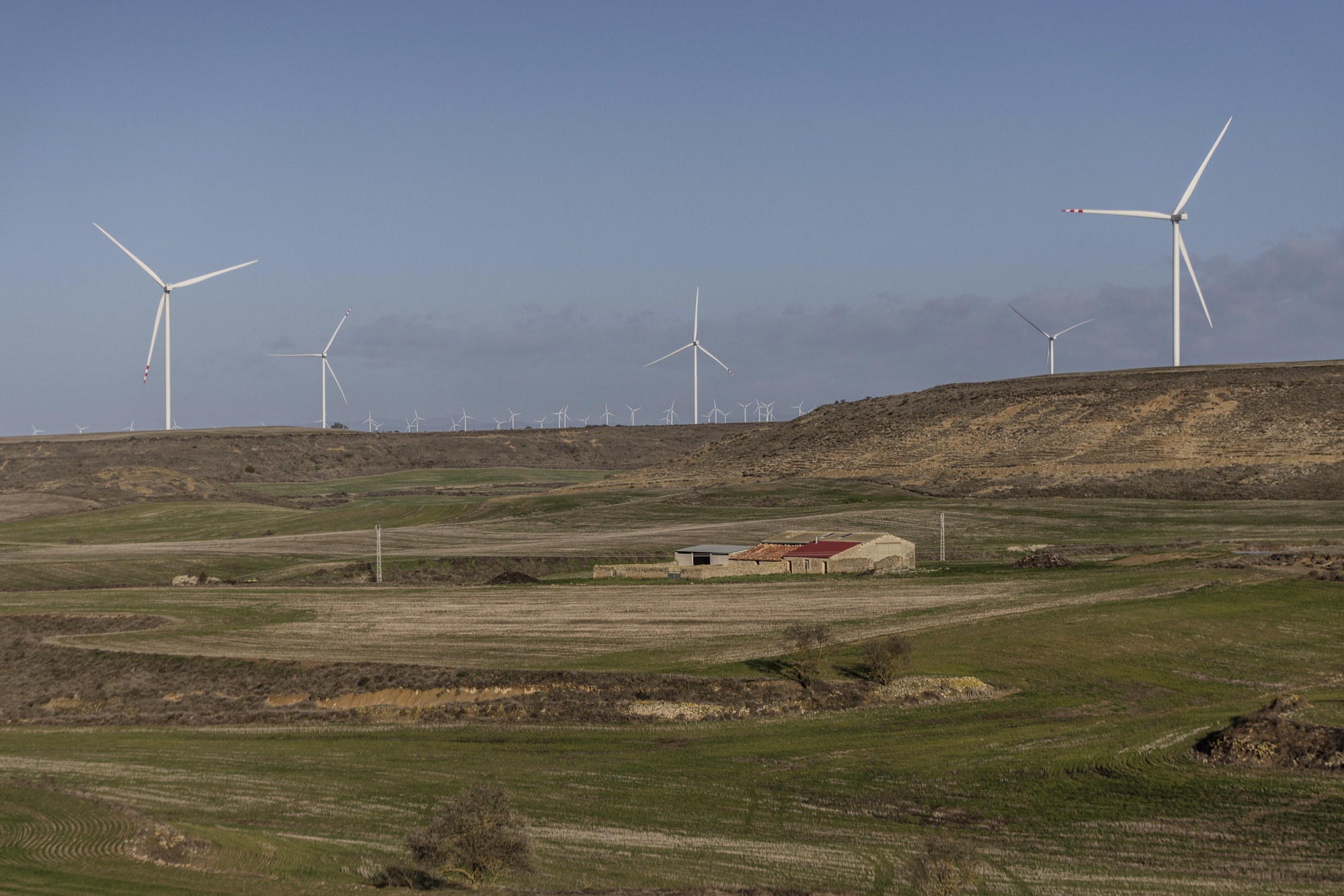
Wind turbines dot the landscape around Huesca, Aragón.
Photographer: Ángel García/Bloomberg
More from Bloomberg
We’re improving your newsletter experience and we’d love your feedback. If something looks off, help us by reporting it here. Follow Us
You received this message because you are subscribed to Bloomberg’s Balance of Power newsletter. If a friend forwarded you this message, sign up here to get it in your inbox.
|




EU age verification app ready as Europe moves to curb children's social media access
The EU's age verification app for online platforms is ready and will soon be available to use, European Commission President Ursula von der Leyen said on Wednesday, as member states push ahead with plans to limit children's access to social media. ...