| Read in browser | ||||||||||||||

Welcome to CityLab Weekly. Sign up here to get the newsletter every Friday in your inbox and send us your feedback. I’m Linda Poon, your guide to ideas, reporting and analysis from cities around the world. Our team is headed to Madrid! The Bloomberg CityLab conference, hosted by Bloomberg Philanthropies and the Aspen Institute, will take place April 27 - 29 in the Spanish capital with mayors and urban planners from around the world. Featured speakers will include Madrid Mayor José Luis Martínez-Almeida, renowned architect Norman Foster and Anne Hidalgo, former mayor of Paris. Watch the live stream on Tuesday and Wednesday, starting at 10 a.m. Madrid time here. A schedule of streamed speakers is here. And look out for our special edition newsletters with highlights from each day. Gather around the baobab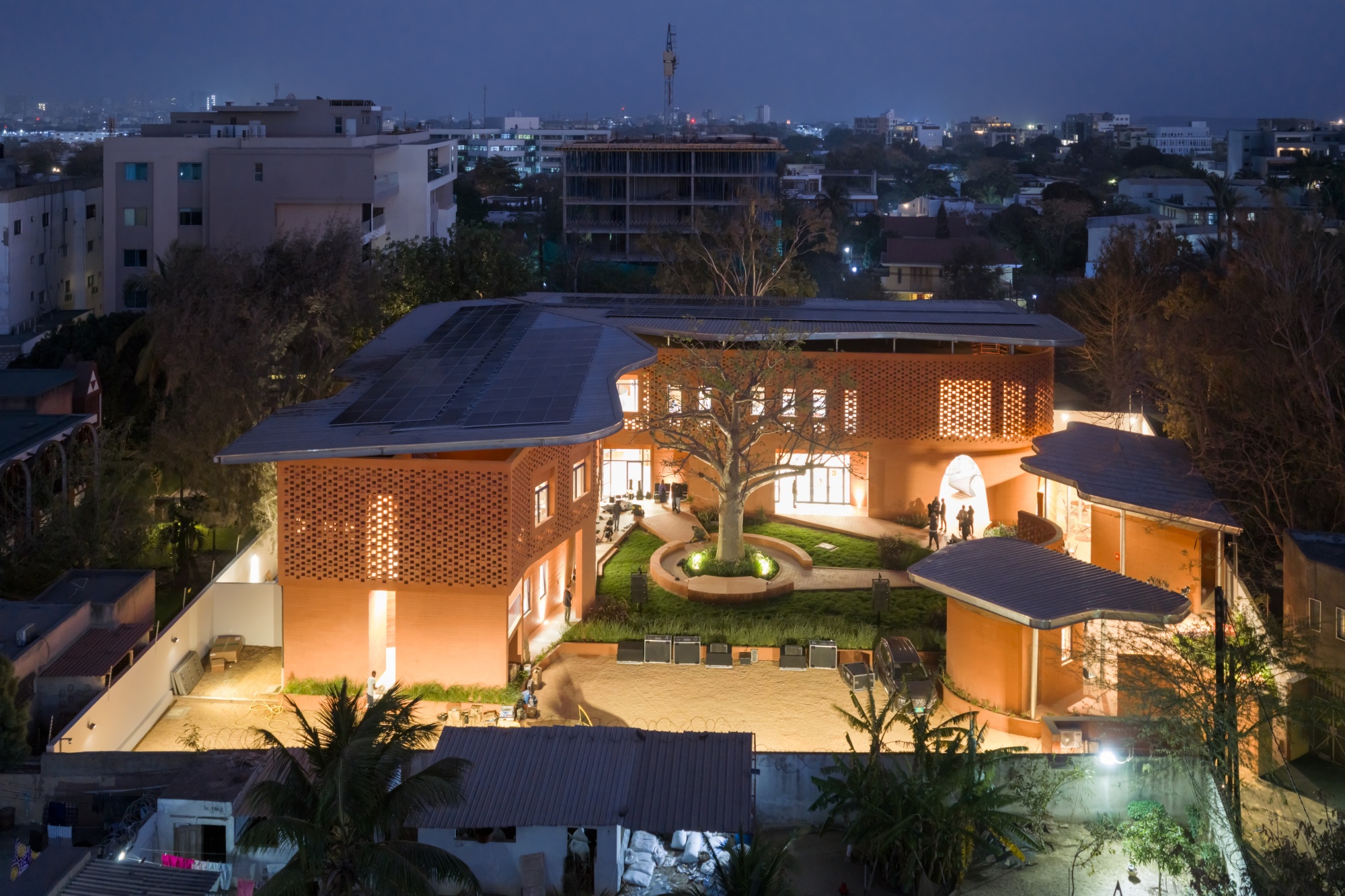
Photographer: Iwan Baan
One of the most striking things about the Goethe-Institut’s new cultural center in Dakar is the baobab tree it wraps around. In Senegal, the baobab is a symbol of life, endurance and community, and is also a traditional gathering place. For the Burkina Faso-born architect Francis Kéré, who designed the building, the decision to preserve the tree nods to both his native roots and his commitment to sustainability: In 2022, when Kéré became the first African laureate of the Pritzker Prize, the Berlin-based architect won praise for helping to “change unsustainable patterns of production and consumption.” The building itself — a 18,000-square-foot purpose-built structure whose orange hue comes from the use of clay-like bricks — reflects an urgent need to adapt public architecture to Dakar’s harsh climate reality, in which residents are exposed to coastal erosion, flooding and extreme heat. Instead of concrete, which is the dominant construction material in West Africa but would require air conditioning, Kéré opted for compressed locally sourced earth bricks that offer resistance to outside heat. 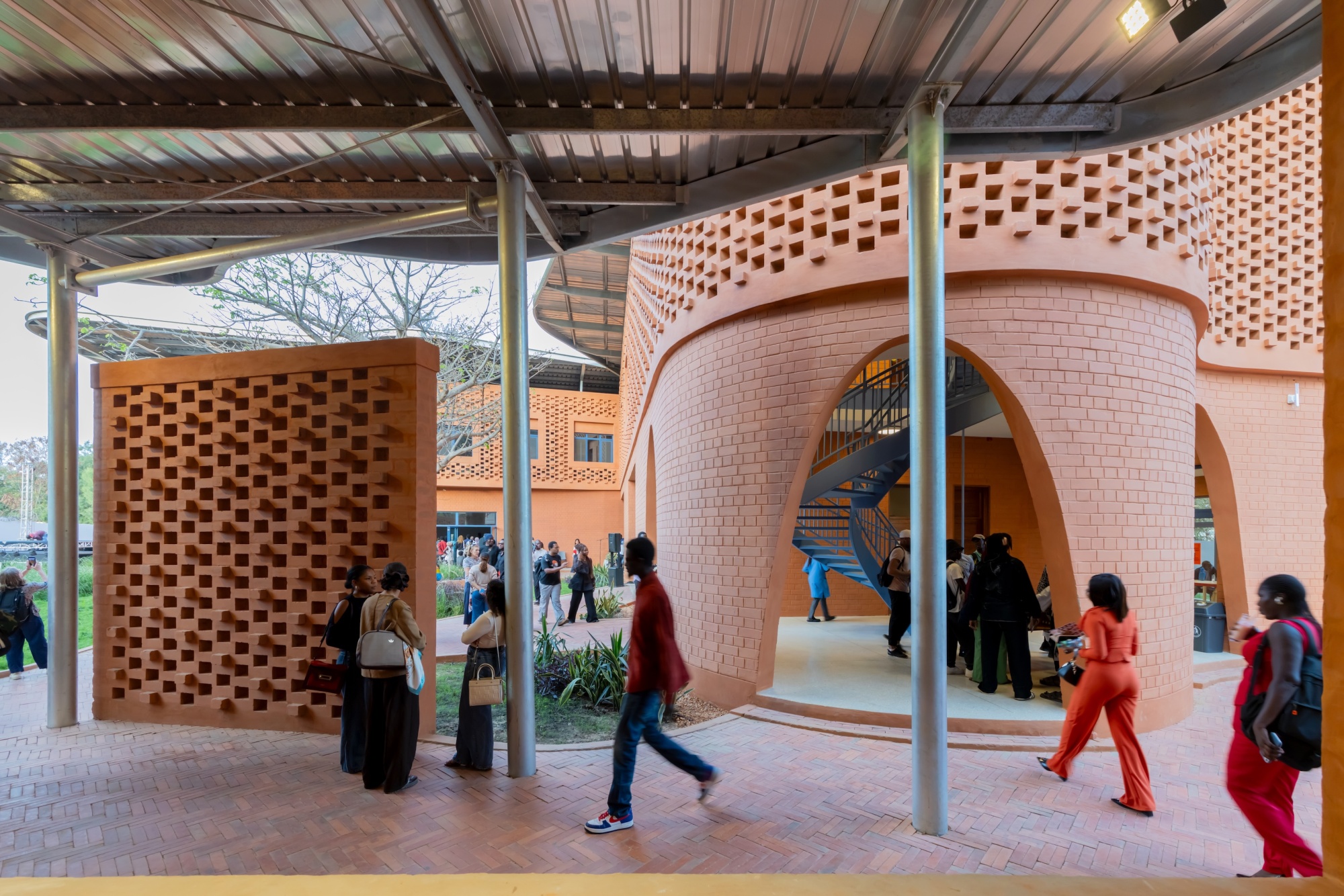
Photographer: Iwan Baan
“In my village, we always used earth,” Kéré told Bloomberg’s Katarina Hoije. “What changed wasn’t the material, but its reputation.” Other passive approaches to climate control help keep the interior cool: Concrete and metal roofing helps dissipate warm air, while perforated walls allow for cross-ventilation, greeting visitors with a cool breeze the moment they enter the building. The center will host exhibitions, music, performances, language classes and public events for the wider region — while imagining the future of architecture in Dakar.
Read the story
More on CityLabA tour of LA’s newest icon One giant leap for Morocco 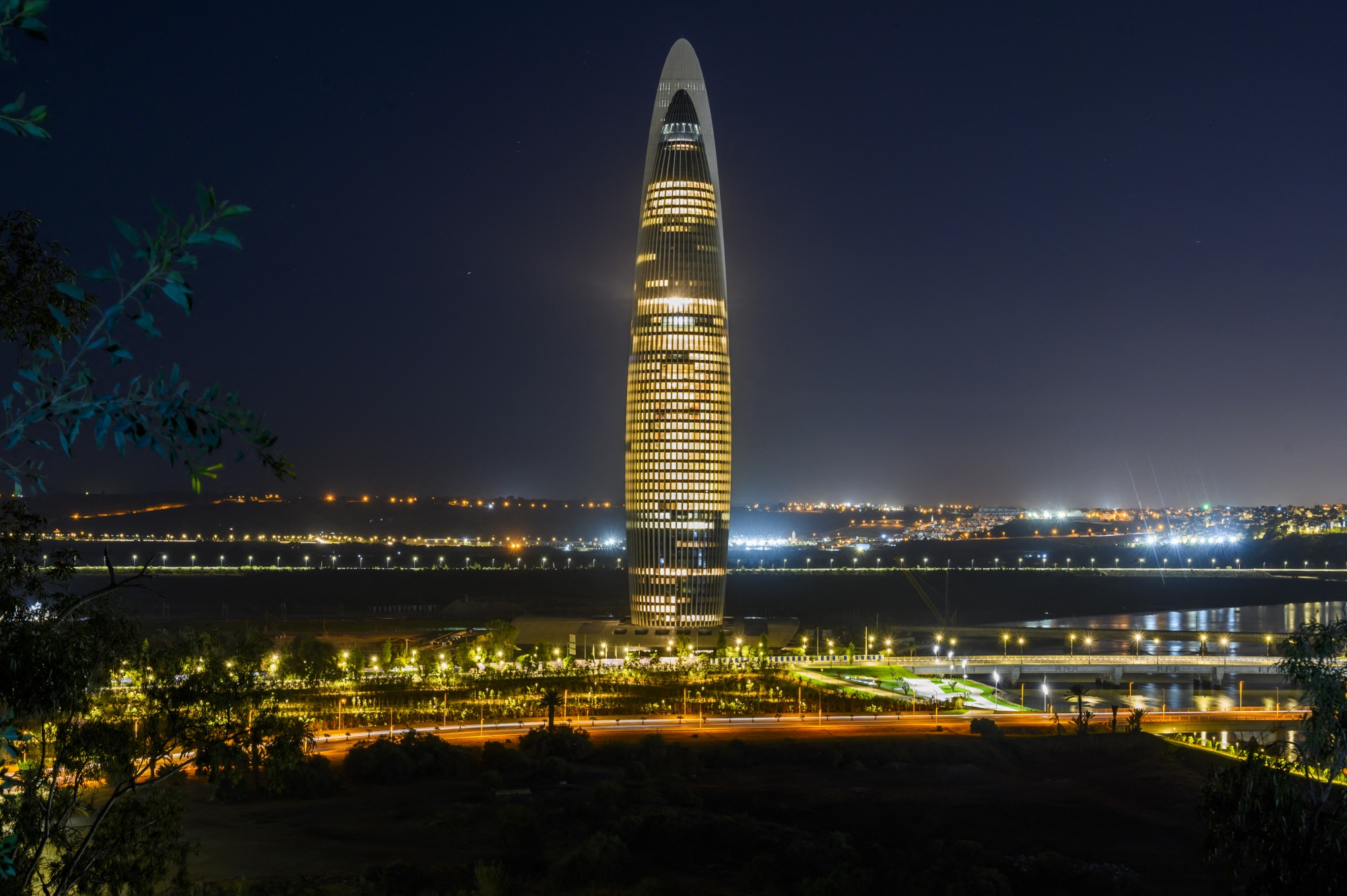
Hans Lucas/AFP via Getty Images
Doing a Cruyff turn Break the pattern“What robot cars are promising is the next generation of car dependency.” Transportation historian at the University of Virginia Boosters of self-driving technology are selling it as a game-changer, but Norton’s seen this kind of hype before — back in the early 20th century when automobiles promised to usher in a mobility utopia. In a conversation with David Zipper, he cautions city leaders to tread carefully. Can Kenya get back on track?$39 billion How much Kenya is proposing to spend on a major infrastructure push to build roads, dams, and to complete its “railway to nowhere.” The China-funded railway project stalled in 2019 after Beijing withheld the last bit of money needed to finish construction. What we’re taking in
One last readHave something to share? Email us. And if you haven’t yet signed up for this newsletter, please do so here. More from Bloomberg
Explore all Bloomberg newsletters. We’re improving your newsletter experience and we’d love your feedback. If something looks off, help us fine-tune your experience by reporting it here. Follow Us
You received this message because you are subscribed to Bloomberg’s CityLab Weekly newsletter. If a friend forwarded you this message, sign up here to get it in your inbox.
|