| Read in browser | ||||||||||||||

Apple on Monday announced its leadership transition plan, with longtime CEO Tim Cook soon handing the reins to John Ternus. Bloomberg Businessweek tech features writer Austin Carr writes today about the role of politics in Cook’s legacy. You can read the whole story free here, and an excerpt below. Plus: TikTok makes Americans want Chinese EVs they can’t have, Japan’s super cheap Saizeriya chain holds prices for now, and Chobani’s CEO created a $20 billion company and he’s not slowing down. In a Truth Social post this morning, President Donald Trump recalled the first time Apple Inc.’s Tim Cook phoned him with a problem during his first term in office. Cook, then five years into his tenure as chief executive officer, was apparently facing a big corporate challenge that only Trump could resolve. The leader of the free world was instantly flattered, he wrote, to be receiving a call from the leader of the world’s most valuable company. “I said, wow, it’s Tim Apple (Cook!) calling, how big is that?” Trump remembered. “I was very impressed with myself to have the head of Apple calling to ‘kiss my ass.’” 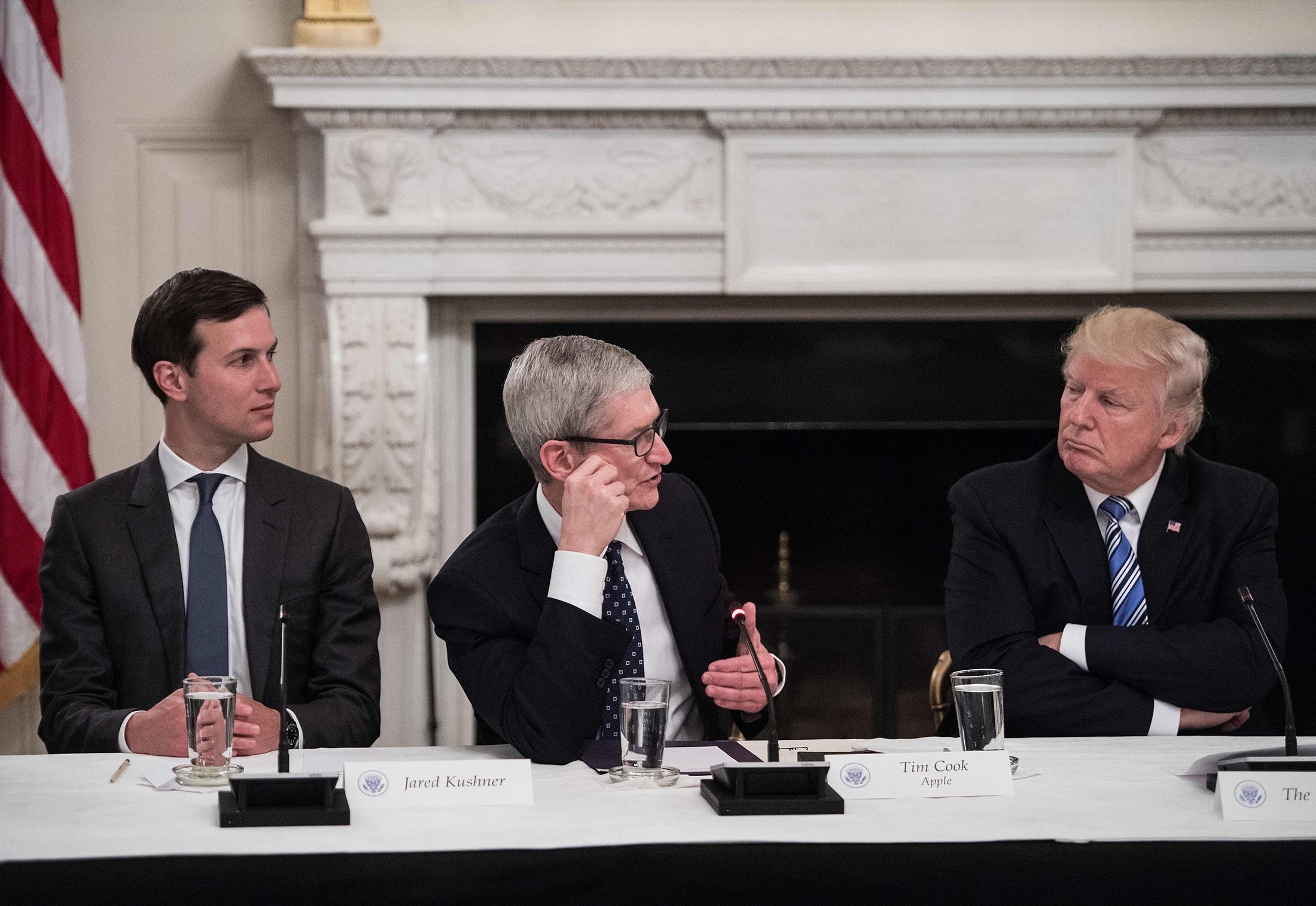
Jared Kushner, Cook and Trump during an American Technology Council roundtable at the White House in 2017.
Photographer: Nicholas Kamm/AFP via Photographer: Nicholas Kamm/AFP/Getty Images
As Cook prepares to transition out of his CEO role—Apple announced on Monday that his hardware chief John Ternus would replace him this summer—many of the retrospectives on his 15-year run have focused on either Cook’s extraordinary operational successes or his struggles to live up to his predecessor Steve Jobs as a product visionary. But Cook’s Washington diplomacy is arguably equally core to his legacy, his shrewd approach to politics helping Apple navigate supply chain crises, trade wars and, yes, the occasional expectations of ass-kissing fealty from Trump. See what Cook got in return, and what it cost him.
Keep reading
More on the Apple Transition 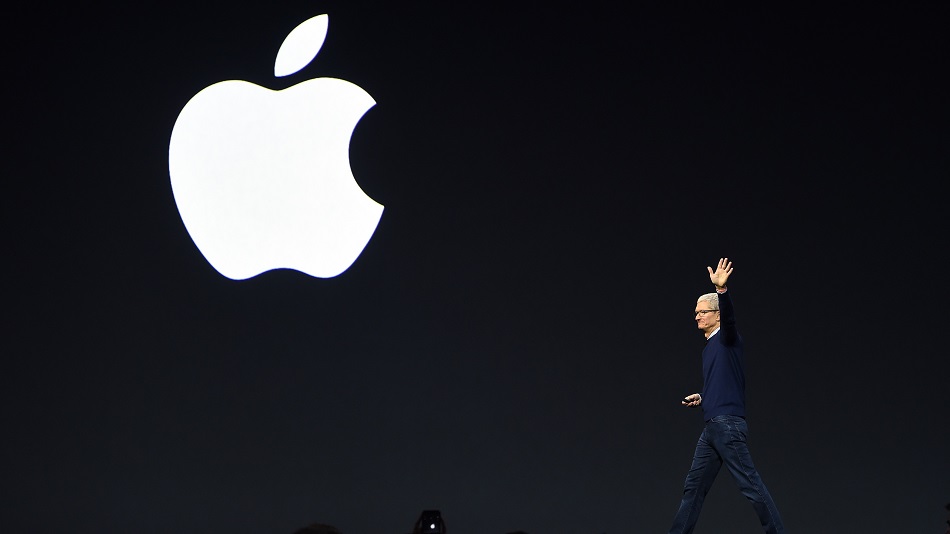 
Watch: Apple’s Next Steps as CEO Cook Prepares to Step Down
In Brief
Chinese Cars Go Viral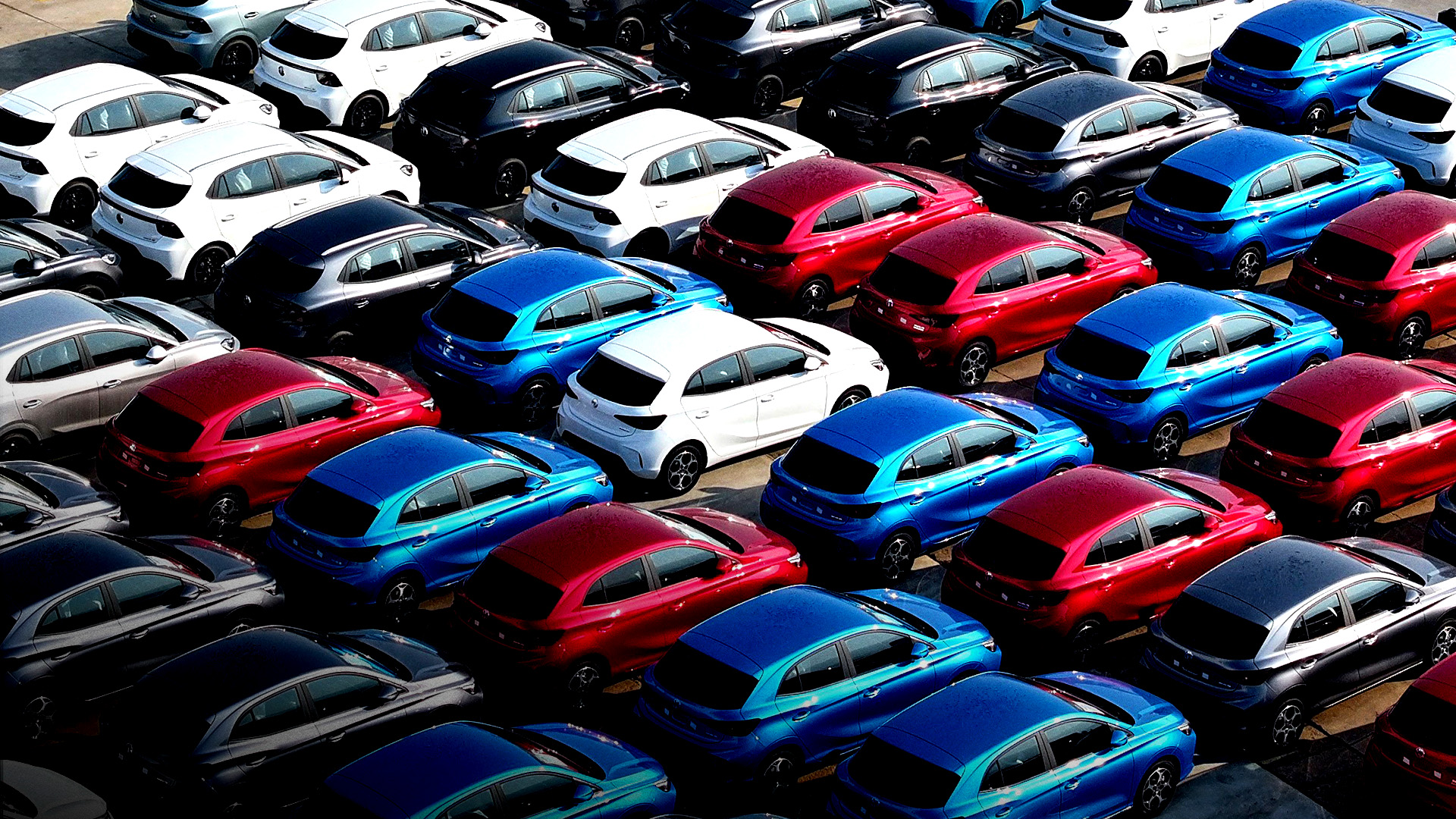
Watch: Americans Crave Low-Cost Chinese EVs
Richard Benoit flew to Alaska a little more than a year ago to test-drive a slate of China’s newest electric vehicles, shipped onto US soil to dazzle online car influencers like him. Sitting in the driver’s seat of a sky-blue Chery iCar 03, Benoit marveled at the SUV’s roomy interior, widescreen digital display with built-in karaoke and jaw-dropping price tag: $24,000. “Now I understand why they don’t want these to come to America,” he said in a video he posted on YouTube. “This is insane.” Titled “I drove the cheap Chinese cars that are illegal in the USA. Now I know why,” the video has since racked up nearly 2 million views. Benoit says his American subscribers can’t get enough of the sleek, affordable vehicles from Chinese brands including BYD, Xiaomi and Zeekr that flood their social media feeds—yet aren’t for sale in the US. “The second I mention a Chinese car, the videos skyrocket,” he says, when reached by phone from his home in Massachusetts. “Americans want these cars—they just do.” Social media algorithms keep serving up automotive thirst traps for luxury SUVs at affordable prices. Is there hope that drivers can soon get the cars they can’t have now? Headed NorthC$155 That’s the cost of the prix fixe menu at Kissa Tanto, arguably Vancouver’s most acclaimed restaurant. Converting to about $112, that’s a great deal compared with New York’s Michelin-starred venues. The weak Canadian dollar is one reason travel to the country is rising. Japan’s $2.50 Dinner Is Challenged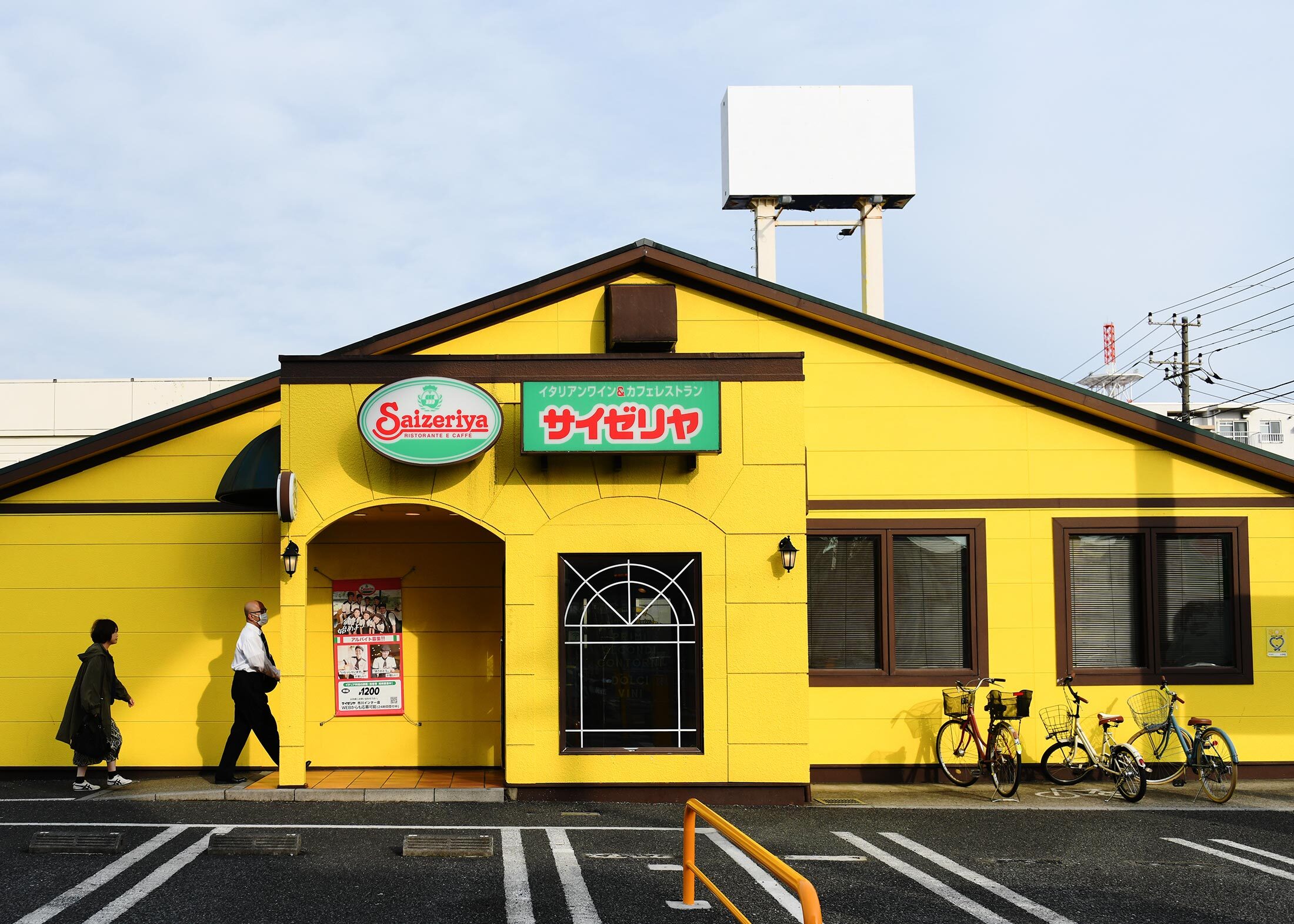
A Saizeriya restaurant near Tokyo.
Photographer: Noriko Hayashi/Bloomberg
At the Saizeriya restaurant in Tokyo’s quiet Chofu neighborhood, a pizza margherita or a generous serving of spaghetti with meat sauce will set you back just ¥400 ($2.50). A shrimp cocktail starter, with more than a dozen pieces, costs ¥280. A glass of wine to wash it down runs ¥100—far cheaper than a can of beer from the convenience store around the corner. And these items aren’t offered at any kind of special discount. Prices on most of Saizeriya’s dishes—Italian-inspired but adapted to Japanese tastes—have increased only once since 1973, and that’s true at every one of the chain’s 1,000-odd locations in Japan, from sleepy suburbs to Tokyo’s pricey Ginza district, where Michelin-starred restaurants can run ¥100,000 per person. The brand’s affordability has transformed what was once a casual hangout for students into a favored dining destination for adults, attracting more than 200 million customers last fiscal year, Momoka Yokoyama, Kanoko Matsuyama and Yui Hasebe write. You probably know where this story is going, as the Iran war raises energy prices and puts pressure on the yen. Can a restaurant that’s barely raised prices since 1973 continue to hold the line? A Walk With: Chobani’s CEO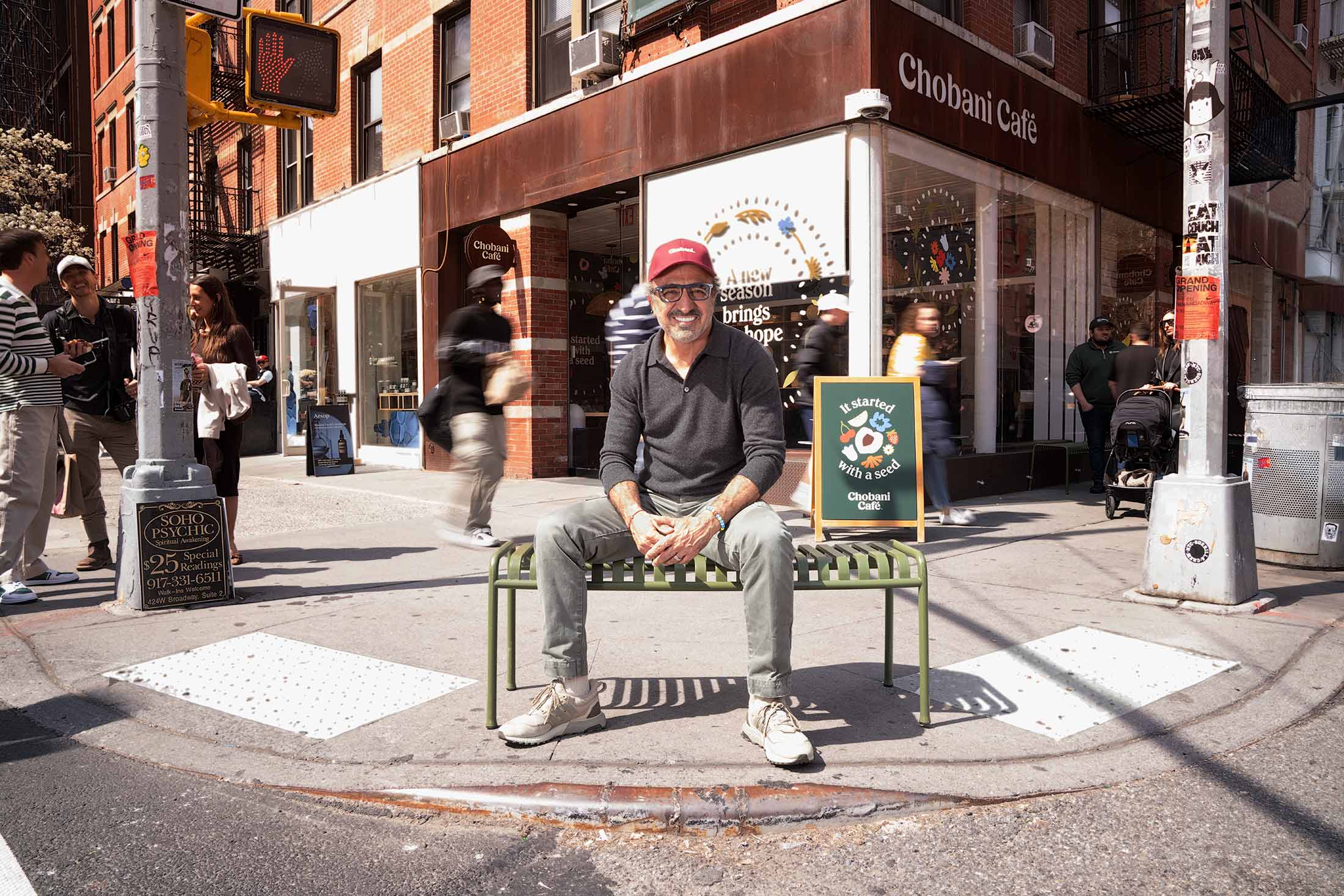
Hamdi Ulukaya, CEO of Chobani, in front of the Chobani Cafe in New York City.
Photographer: Kareem Black for Bloomberg Businessweek
Hamdi Ulukaya needs to get some sleep. Although the 53-year-old founder and chief executive officer of Chobani LLC doesn’t appear the least bit tired when we meet at the yogurt giant’s bursting-at-the-seams headquarters in Manhattan’s trendy SoHo neighborhood, he’s tasked a specialist with solving why he can’t seem to get enough shuteye. He doesn’t think the problem is his seven or eight daily cups of coffee, which he takes black, despite Chobani’s many creamer flavors. (It’s a habit he picked up with his personal investment in La Colombe Coffee Roasters in 2015, before Chobani acquired it outright in 2023.) He half-blames parenthood—he has three kids 10 and under—but he told the sleep expert he thinks it’s sleep apnea. The specialist disagreed, telling him: “No, no, no: Your brain never stops. That’s why you don’t sleep.” To those familiar with Ulukaya, his seemingly endless stores of energy align with his origin story, which reads like a textbook example of the American dream. He immigrated to the US from Turkey in 1994 at age 22 after spending a night in police custody for documenting human-rights abuses against his fellow Kurds, an ethnic minority, in a newspaper he’d founded. In 2005 he used an $800,000 loan from the US Small Business Administration to buy a yogurt plant being off-loaded by what was then Kraft Foods in upstate New York. Two years later, Chobani’s Greek yogurt made its debut. His was not the first Greek yogurt sold in the US—Fage had been on shelves since the 1990s—but it was the product that transformed the category into one to watch, Deena Shanker writes. Ulukaya, whose net worth is about $11 billion according to the Bloomberg Billionaires Index, doesn’t have the trappings of today’s typical billionaire. See what he’s spending on instead. Cuba in Crisis“Everyone used to go to the US, because that’s what they wanted. But with Donald Trump in power, now people are coming to Suriname, Guyana, Brazil, Uruguay or Mexico. There’s no good future for young people in Cuba.” Alejandro Marti 24-year-old Cuban hairdresser Cubans seeking to leave their country have fewer and fewer ways to do so, with Trump’s campaign to starve the island of fuel disrupting airlines and administrative services. Play Alphadots!Our daily word puzzle with a plot twist. 
Today’s clue: Alert before a liquidity crisis? More From BloombergLike Businessweek Daily? Check out these newsletters:
Explore all Bloomberg newsletters. We’re improving your newsletter experience and we’d love your feedback. If something looks off, help us fine-tune your experience by reporting it here. Follow Us
You received this message because you are subscribed to Bloomberg’s Businessweek Daily newsletter. If a friend forwarded you this message, sign up here to get it in your inbox.
|




Google puts AI agents at heart of its enterprise money-making push
Alphabet CEO Sundar Pichai is deepening a push into enterprise software, signaling to investors at Google's annual cloud conference that AI agents — human-like digital assistants — are a lynchpin of its strategy to monetize artificial intelligence. ...