| Read in browser | ||||||||||||||

Welcome to Balance of Power, bringing you the latest in global politics. If you haven’t yet, sign up here. It used to be rare that a European election result disappointed both the Kremlin and the White House simultaneously. Hungary is different. The European Union’s most pro-Moscow leader made no secret of his hostility toward Ukrainian President Volodymyr Zelenskiy, making him into an election bogeyman intent on dragging Hungary into the war with Russia. 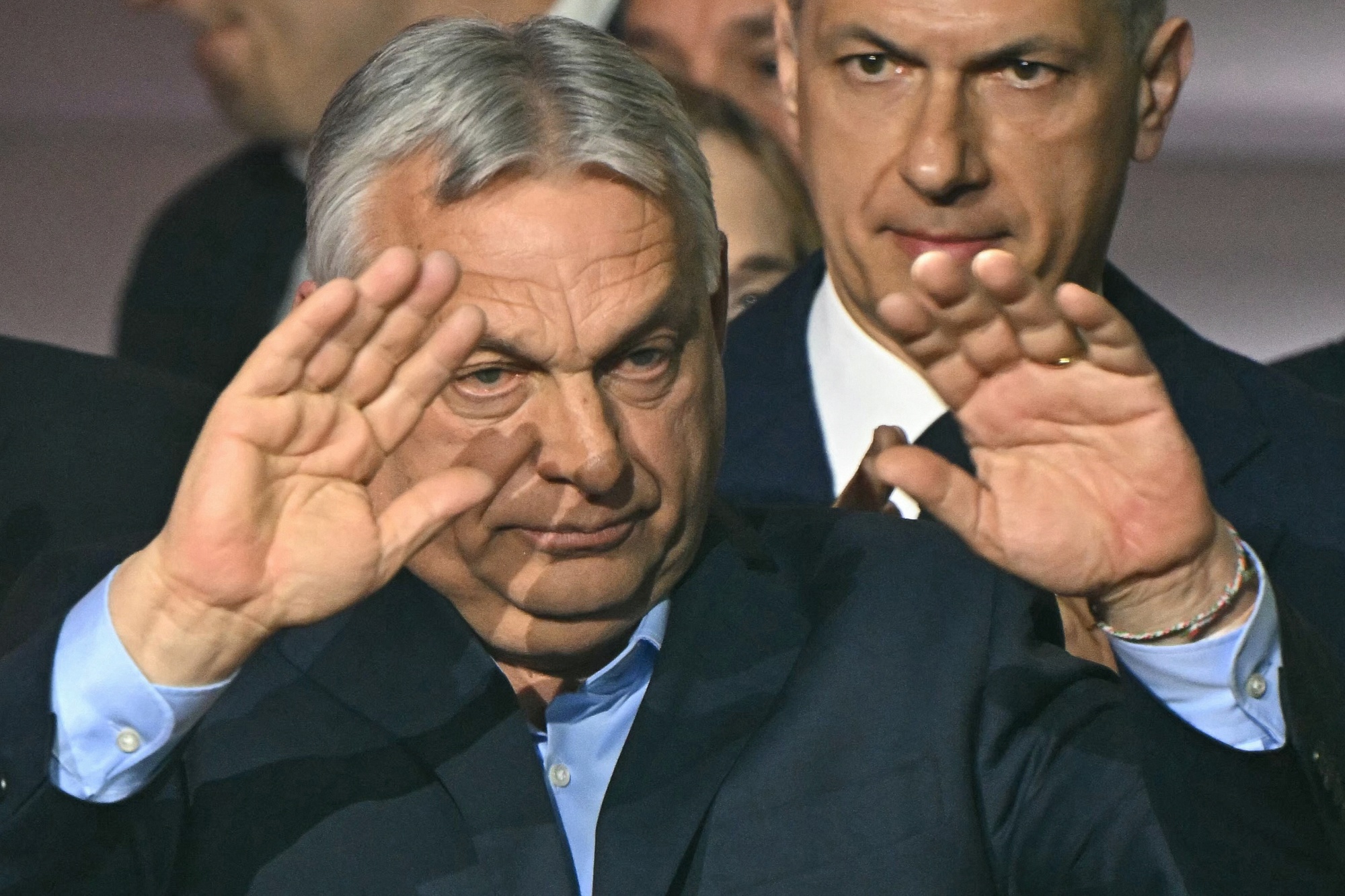
Orban waves to supporters at the Balna centre in Budapest yesterday.
Photographer: Attila Kisbenedek/AFP/Getty Images
Voters overwhelmingly rejected that stance to hand opposition leader Péter Magyar a landslide victory. The immediate benefit for Zelenskiy should be that the EU can finally unlock €90 billion ($105 billion) in vital funding for Ukraine that Orban had blocked. Without it, Kyiv was less than two months away from running out of money to defend itself. That’s as the surge in oil prices over the Middle East war brings Russian President Vladimir Putin a budget windfall to ease the strain of funding the full-scale invasion of Ukraine that’s now in its fifth year. Putin relied on Orban to divide the EU on Ukraine in repeated clashes with Brussels over sanctions, financial aid and Russian oil supplies to Hungary. Magyar is pledging to unwind Hungary’s dependence on Russia and “once again be a strong ally” in the EU and NATO. That should make it easier for Zelenskiy to lean on Europe as a counterbalance to potential pressure from President Donald Trump to accept an unfavorable peace deal with Russia. Trump, who openly backed Orban and sent Vice President JD Vance to Budapest days before the vote, has now lost the standard bearer for MAGA-style populism among rightwing forces in Europe. Brussels and Kyiv may be breathing easier today over Orban’s departure. But Ukraine still faces mounting difficulties in holding off Russia. And Europe’s wider security challenges from Putin and Trump are just as acute. — Anthony Halpin 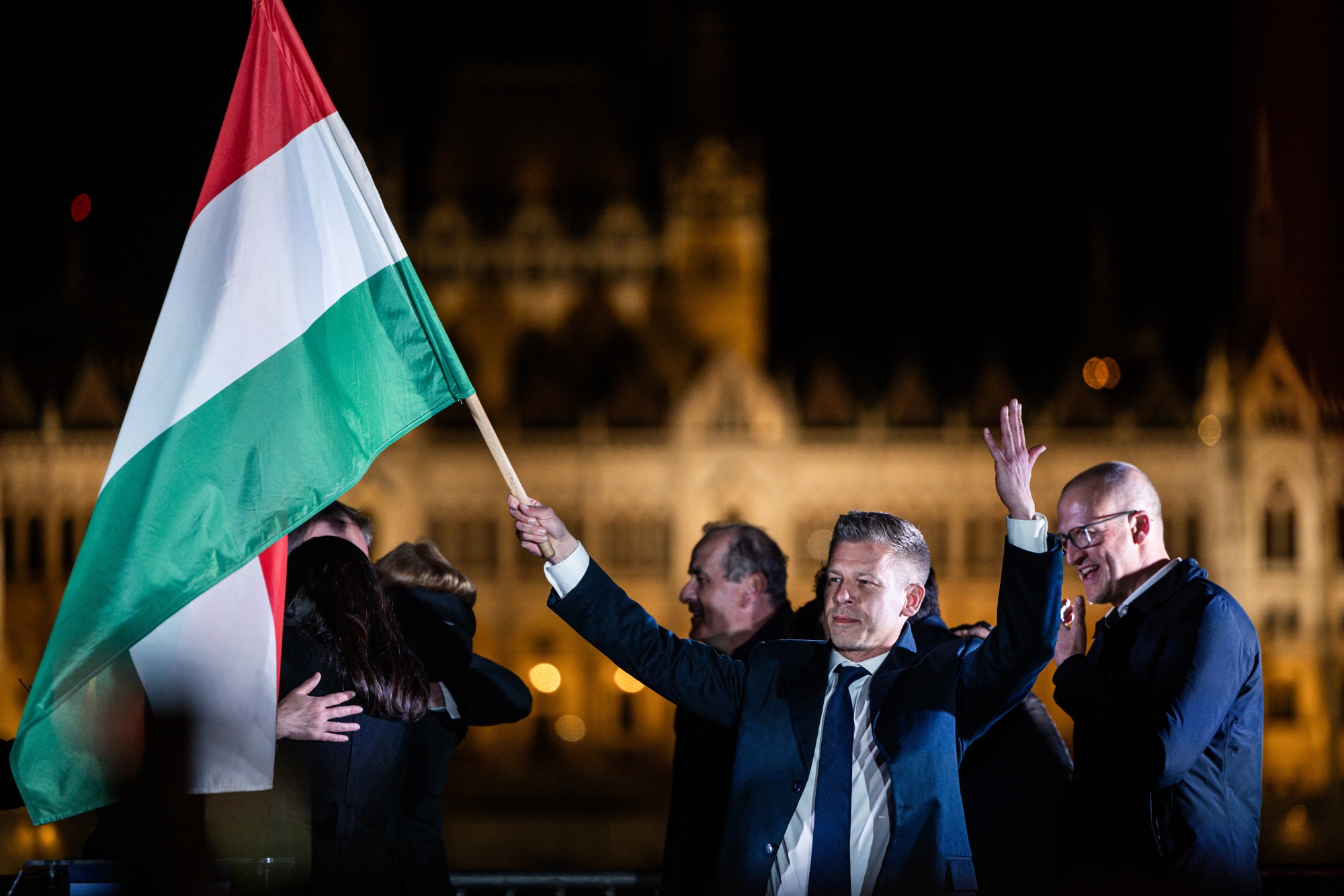
Magyar holds a Hungarian flag during election night in Budapest.
Photographer: Akos Stiller/Bloomberg
Global Must ReadsTrump’s threat to blockade the Strait of Hormuz after talks with Iran collapsed risks widening the war, lifting oil prices and raising the prospect of further economic pain around the globe. Prime Minister Keir Starmer said the UK won’t take part in the proposed blockade targeting vessels entering or departing Iranian ports, setting up yet another point of contention with the US president over the conflict. Tens of millions of smallholders across Southeast Asia are struggling to find affordable crop nutrients as well as the diesel to run tractors and irrigation pumps, leaving harvest-ready fields in one of the world’s biggest rice-growing regions lying idle and deepening an unfolding crisis for the region’s energy-dependent economies. Ireland’s government meanwhile announced a package to ease the burden of rising fuel costs after public anger sparked a wave of protests across the country, and Germany followed suit today. 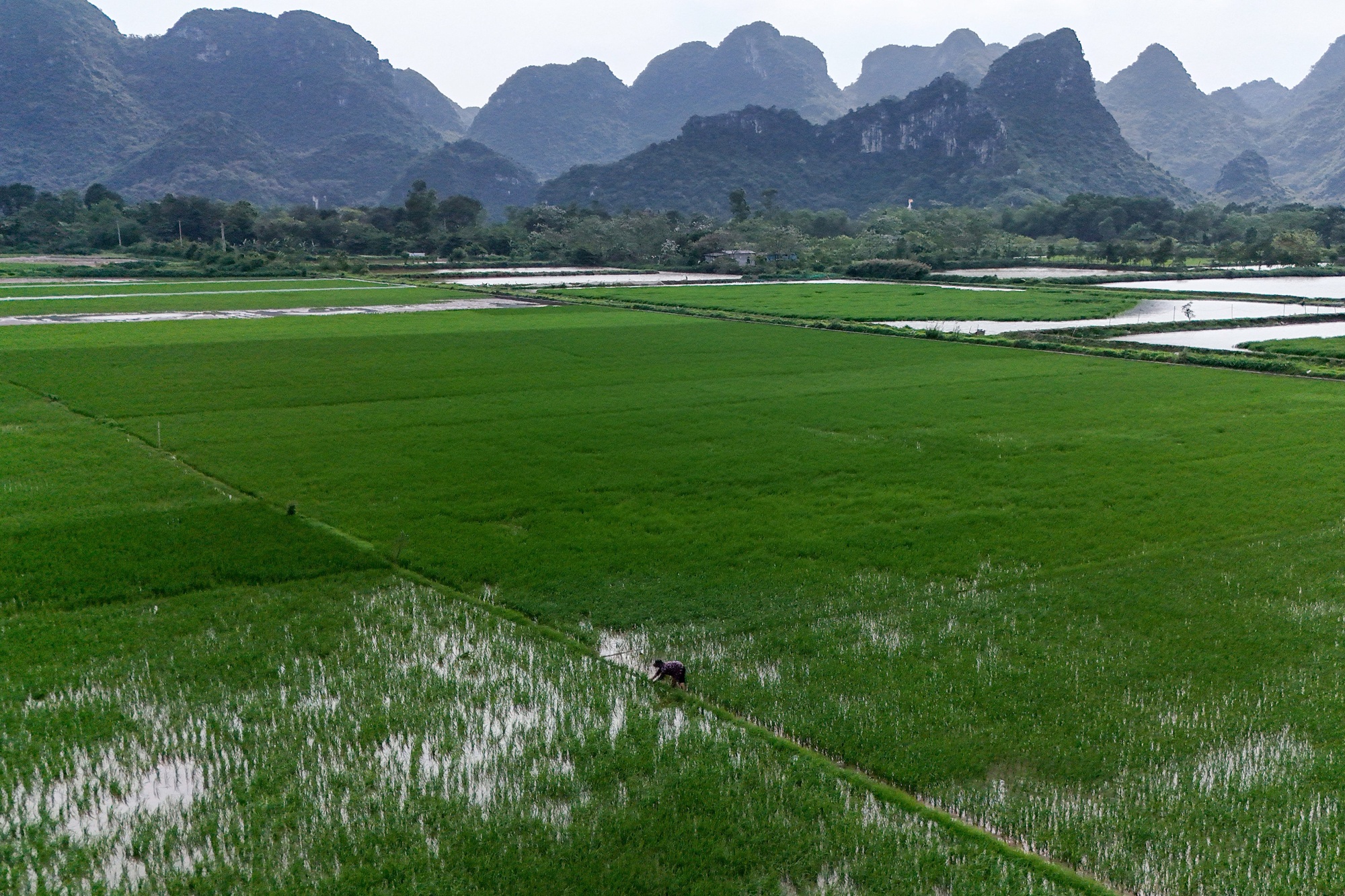
A rice field in Hanoi, Vietnam.
Photographer: Nhac Nguyen/AFP/Getty Images
China announced a series of policy incentives for Taiwan — including facilitation of investment into the world’s No. 2 economy — after a landmark meeting between President Xi Jinping and the island’s opposition leader, Cheng Li-wun. Taipei meanwhile will conduct new drills in coming weeks to ensure that Taiwan has access to critical supplies in the event of a Chinese blockade, a risk demonstrated by Iran’s closure of a global energy chokepoint. Peru’s Keiko Fujimori is poised to advance to her fourth consecutive presidential runoff in a contest that was marred by such disarray that electoral authorities extended voting until today in the capital and two US cities. Voters have had to squint at giant ballot sheets listing dozens of candidates they’ve barely heard of after an attempt to streamline the electoral system fell flat. 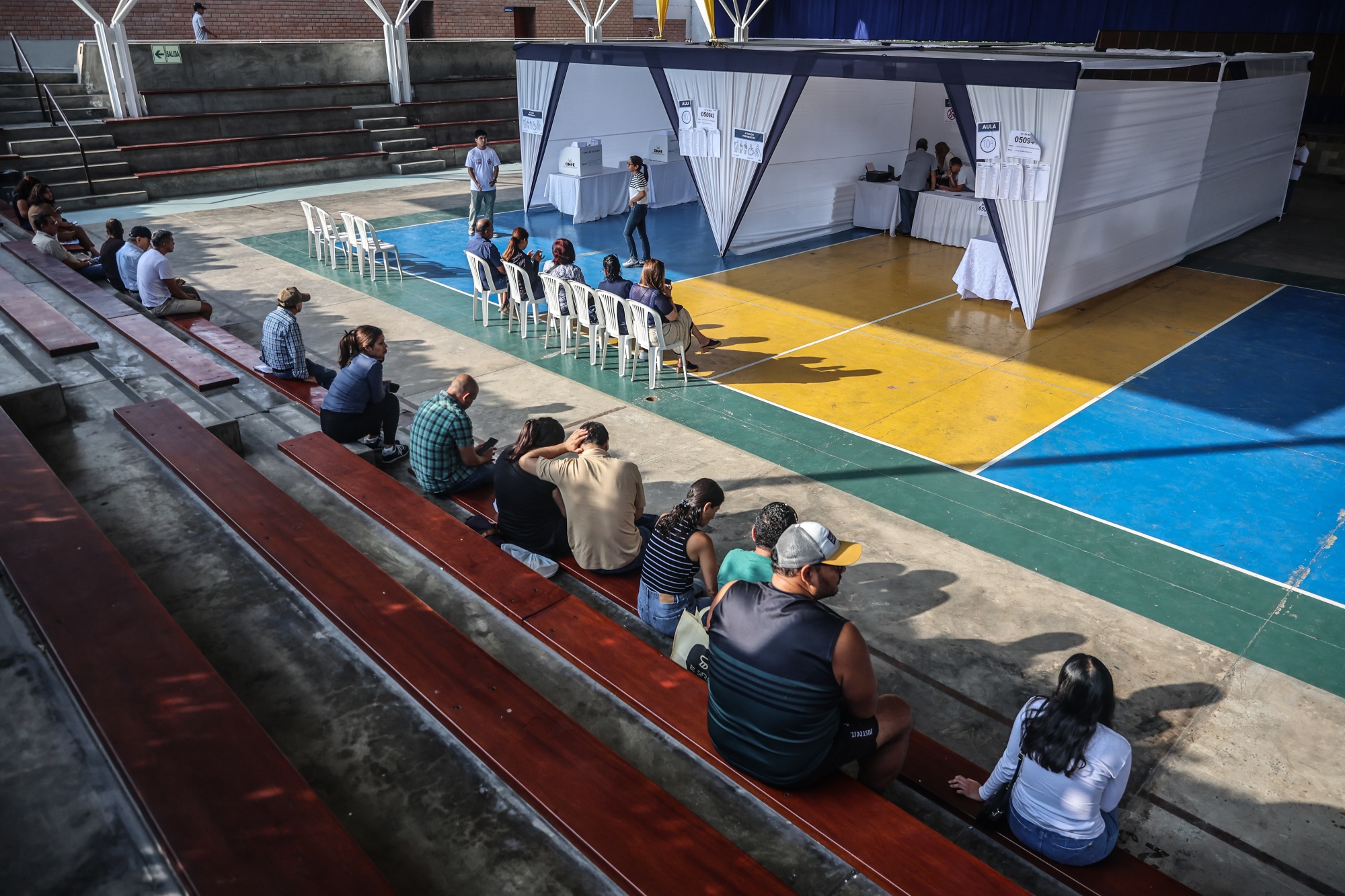
Voters wait in line at a polling station in Lima yesterday.
Photographer: Sebastian Castaneda/Bloomberg
Trump attacked Pope Leo XIV for his criticisms of the US-Israeli war on Iran after the American-born leader of the Catholic Church challenged the administration’s argument that God is on its side in the conflict. Following his criticism of the pontiff on social media, Trump posted a picture that echoed images of Jesus, depicting himself in robes healing a sick patient as a medical worker and military members look on. Venezuela’s main opposition coalition said yesterday that it is unified behind Nobel laureate María Corina Machado as its candidate for the next presidential election and outlined conditions for a political transition. Cuban President Miguel Díaz-Canel gave an interview to NBC’s Meet the Press in which he said the island is open to US investment in oil exploration yet is ready to fight any invasion with a full mobilization of its armed forces and people. South African Finance Minister Enoch Godongwana said that he’s not been accredited to attend a meeting of Group of 20 finance chiefs in Washington, after Trump said the G-20 member nation wouldn’t be invited to this year’s events. Benin started tallying ballots for the presidency yesterday, with Finance Minister Romuald Wadagni widely expected to secure an easy victory in a largely uncontested race. Sign up for the Washington Edition newsletter for news from the US capital and watch Balance of Power at 1 and 5 p.m. ET weekdays on Bloomberg Television. Chart of the Day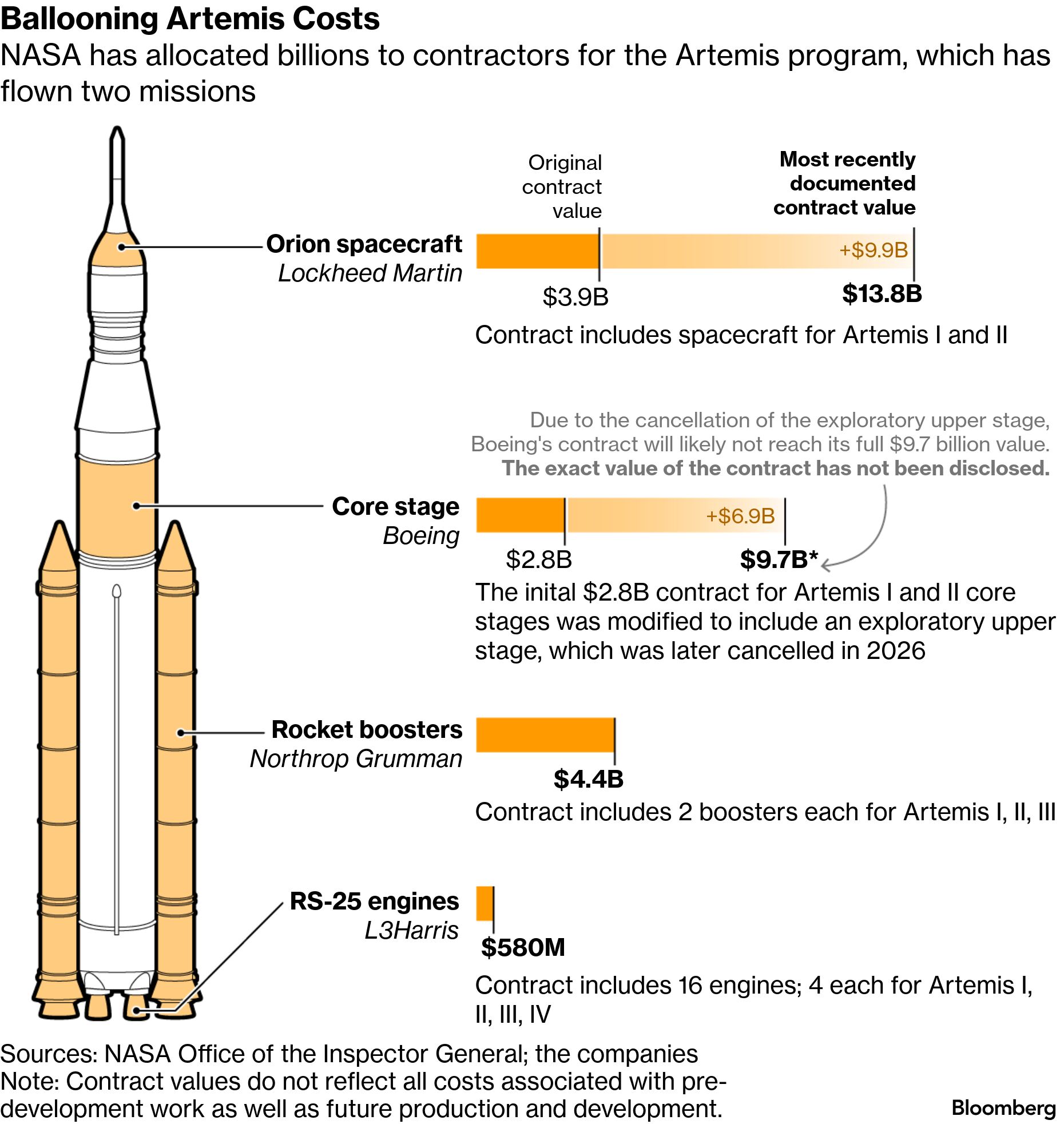
NASA’s Artemis II mission has only just splashed down and already the Trump administration is looking to competitors for a replacement to the Boeing rocket that propelled astronauts farther into space than ever before. NASA has asked rivals what options they could offer for its ambitious plan of future lunar trips, putting a big question mark on the future of Boeing’s beleaguered rocket. It’s also a key test for Jared Isaacman, the billionaire fintech entrepreneur Trump named as NASA chief last year in his efforts to make the space agency more efficient. And FinallyAustria’s economic model has long been anchored in Alpine water flowing through turbines to generate power for homes and businesses, but as climate change redraws the country’s hydrological map, it faces a structural shift. Scientists warn that the country is approaching a tipping point known as “peak water,” meaning that as Alpine glaciers shrink, these frozen reservoirs will no longer be able to boost river flows and generate electricity to the same extent as before. 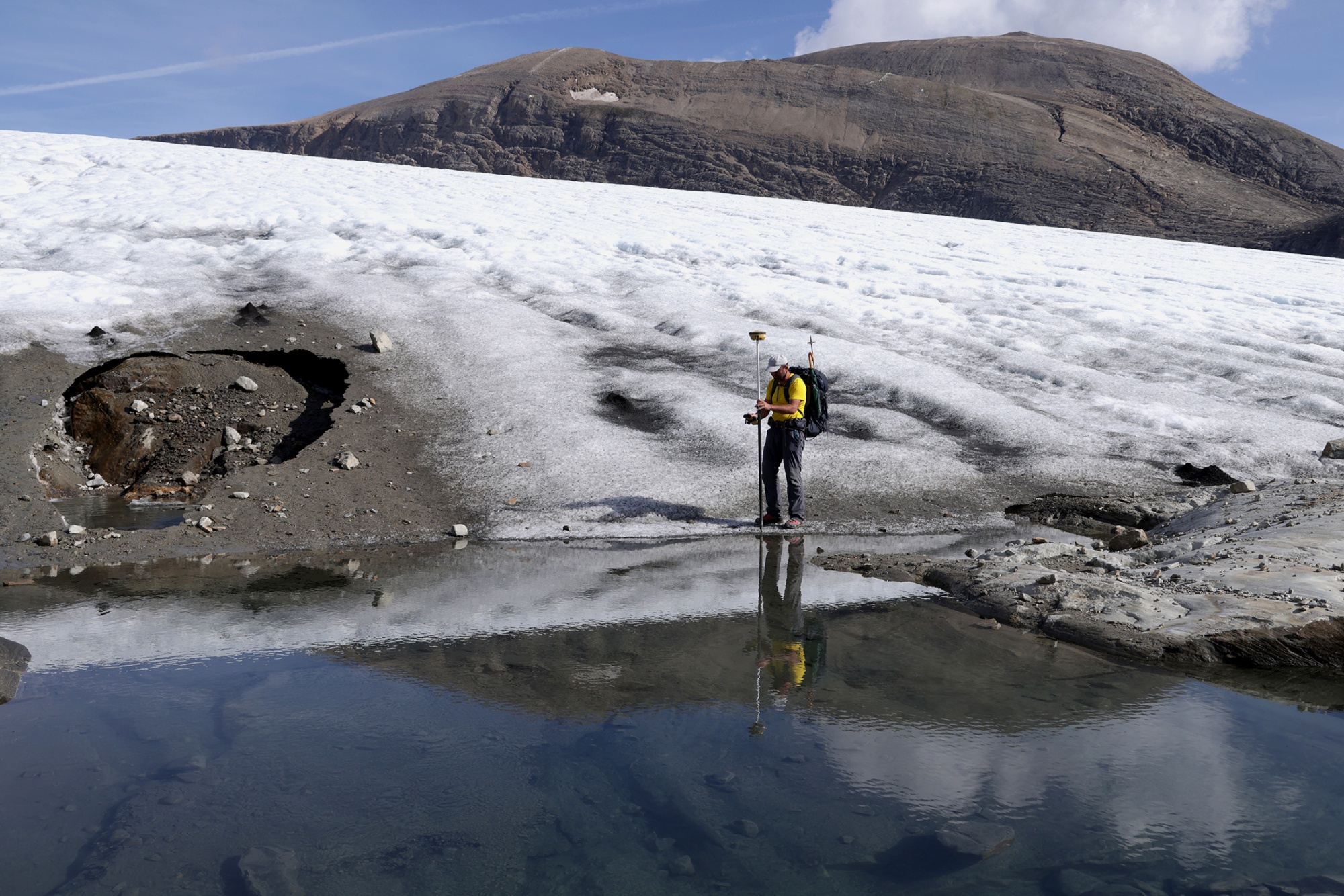
A geographer records a GPS reading at the terminus of the Wasserfallwinkel Kees glacier in Austria.
Photographer: Sean Gallup/Getty Images
Thanks to everyone who answered Friday’s quiz question, and congratulations to Gabriel Sivzattian, who was first to identify Japan as the country Russia warned that relations had reached an all-time low. More from Bloomberg
We’re improving your newsletter experience and we’d love your feedback. If something looks off, help us by reporting it here. Follow us
You received this message because you are subscribed to Bloomberg’s Balance of Power newsletter. If a friend forwarded you this message, sign up here to get it in your inbox.
|




Blockade in Hormuz
Bloomberg Morning Briefing Americas ...