| Read in browser | |||||||||||||||||||||||||||||

Good morning. President Trump’s deadline to Iran looms. OPEC+ warns of lasting damage to energy assets. NASA’s Artemis II astronauts are set to fly by the Moon’s far side today. Listen to the day’s top stories. — Tiago Ramos Alfaro
Donald Trump issued a renewed ultimatum to Iran: reopen the Strait of Hormuz or the US will bring “Hell” and destroy Iran’s power plants starting Tuesday. This latest threat, posted on social media and laced with expletives, follows the rescue of a US airman more than a day after his fighter jet was shot down—a development that pierced the aura of invincibility Trump has sought to project as he tries to manage the growing risks of the Iran war (more on that below). Iran, this morning, said “no rational person” would agree to a ceasefire at this point. Axios reported that the US, Iran and regional mediators are discussing terms for a possible 45-day ceasefire. What to watch today: US stock futures edged higher in thin trading with many markets in Europe closed. President Trump will hold a press conference at 1 p.m. ET. 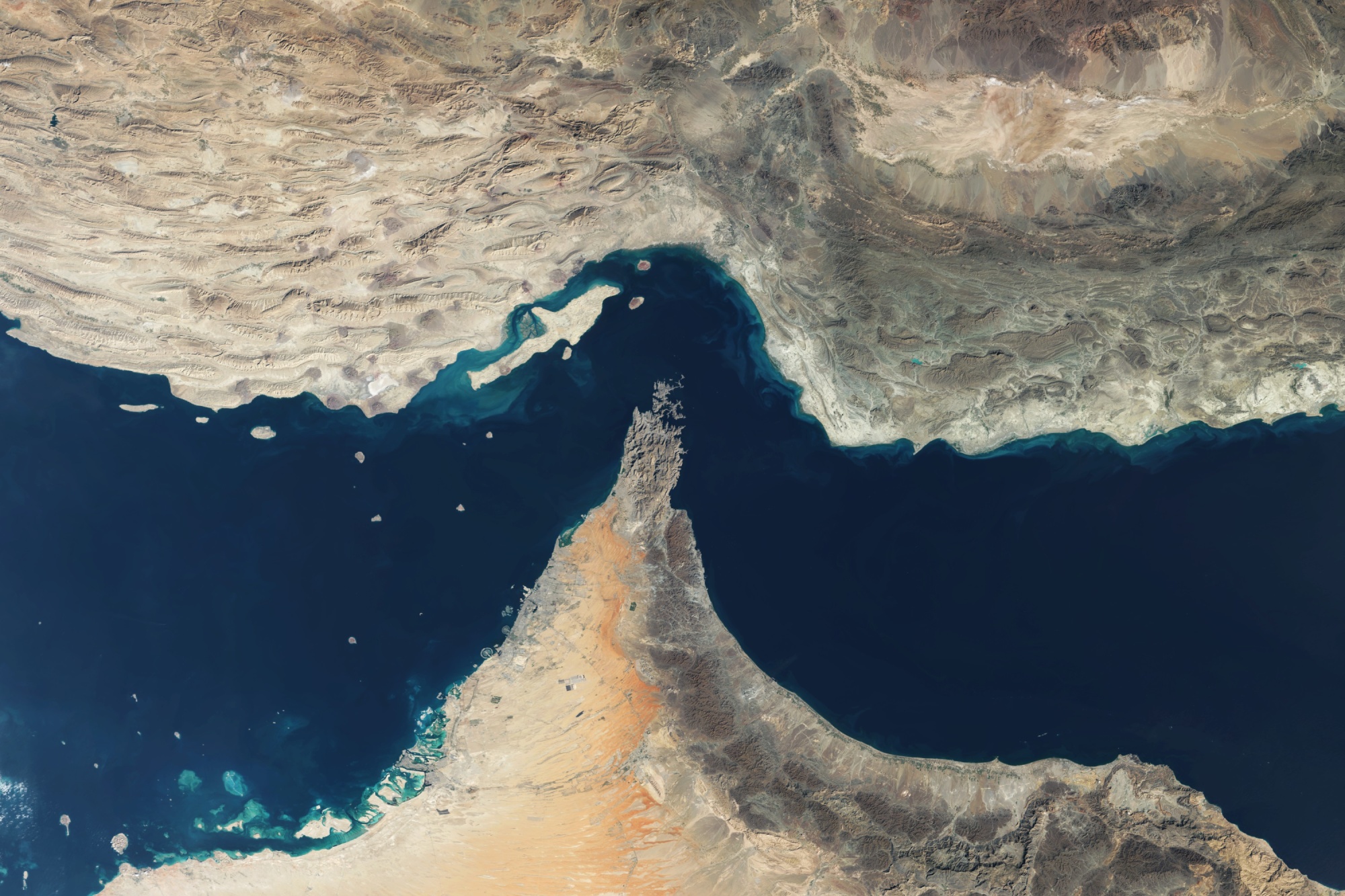
Satellite image of the Strait of Hormuz.
Photographer: Altaf Qadri/AP Photo
At sea, traffic through the Strait of Hormuz has climbed to its highest levels since the early days of the war. Oil tankers carrying crude from Iraq appear to be transiting the chokepoint after Iran said its neighbor had a special exemption. Iraq told Asian traders and refiners they can load its crude, testing buyers’ confidence in the security guarantee. Two tankers carrying liquefied natural gas from Qatar also headed toward the strait, which would mark the first export to buyers outside the region since the war started. So what does this all mean for oil? Prices steadied as traders tracked the report of a push for a ceasefire, Trump’s latest ultimatum and record Saudi crude pricing. OPEC+, the group of key oil producers including Saudi Arabia and Russia, warned that damage to Middle East energy assets will have a prolonged impact on oil supply even after the war ends. And the shockwaves are being felt worldwide. Italy began imposing limits on fuel supplies at some airports. It’s among the earliest instances of fuel shortages in Europe—the main importer of jet fuel from the Persian Gulf—impacting operations since the war started. 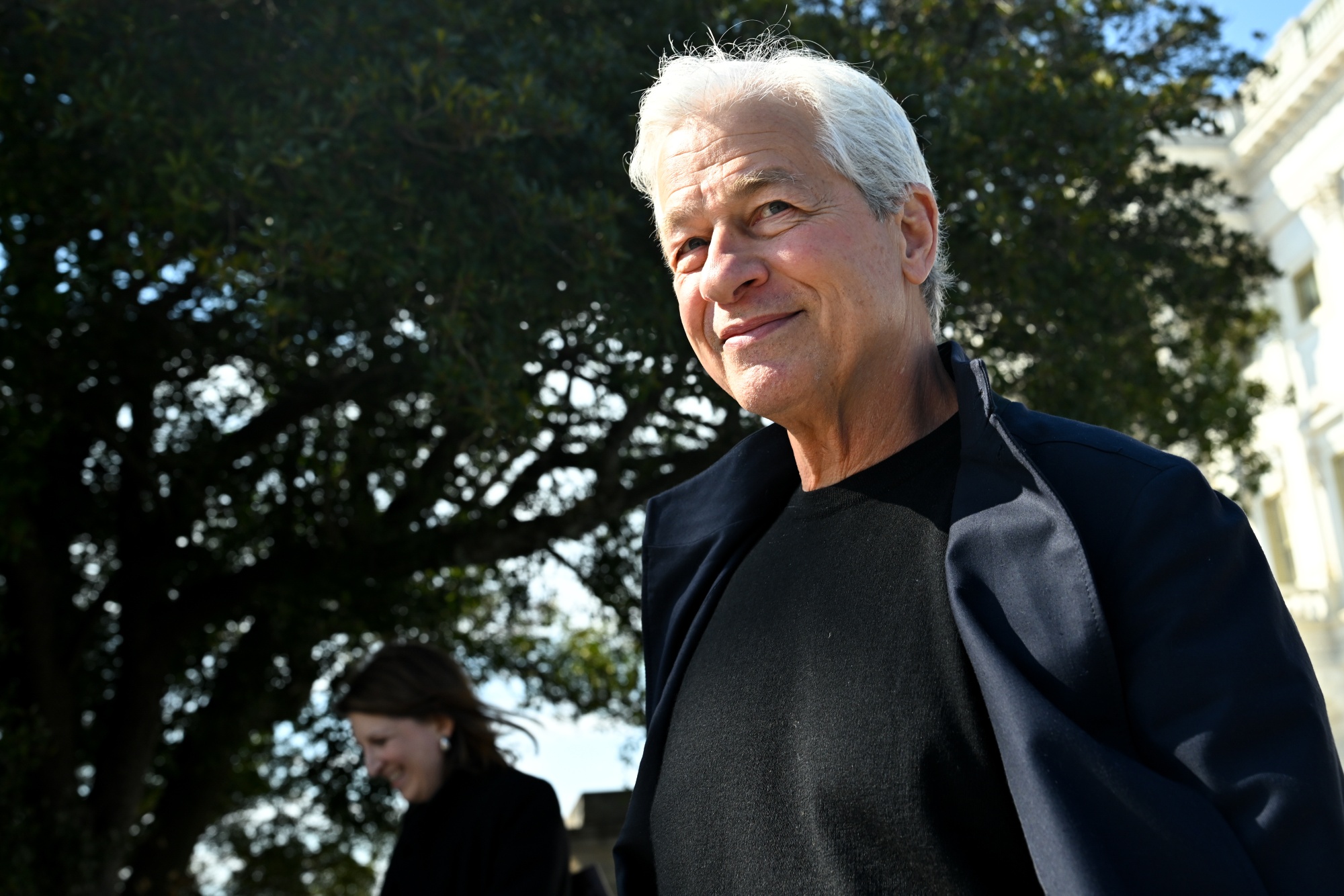
Jamie Dimon on Feb. 25, 2026.
Photographer: Graeme Sloan/Bloomberg
JPMorgan boss Jamie Dimon urged the US to “get stronger” in order to maintain its military and economic might, in his annual letter to shareholders today. The bank’s recently been more vocal on big-picture policy issues, launching programs like its “American Dream Initiative” to expand economic opportunity in local communities and grow its small-business banking. Deep Dive: Disruption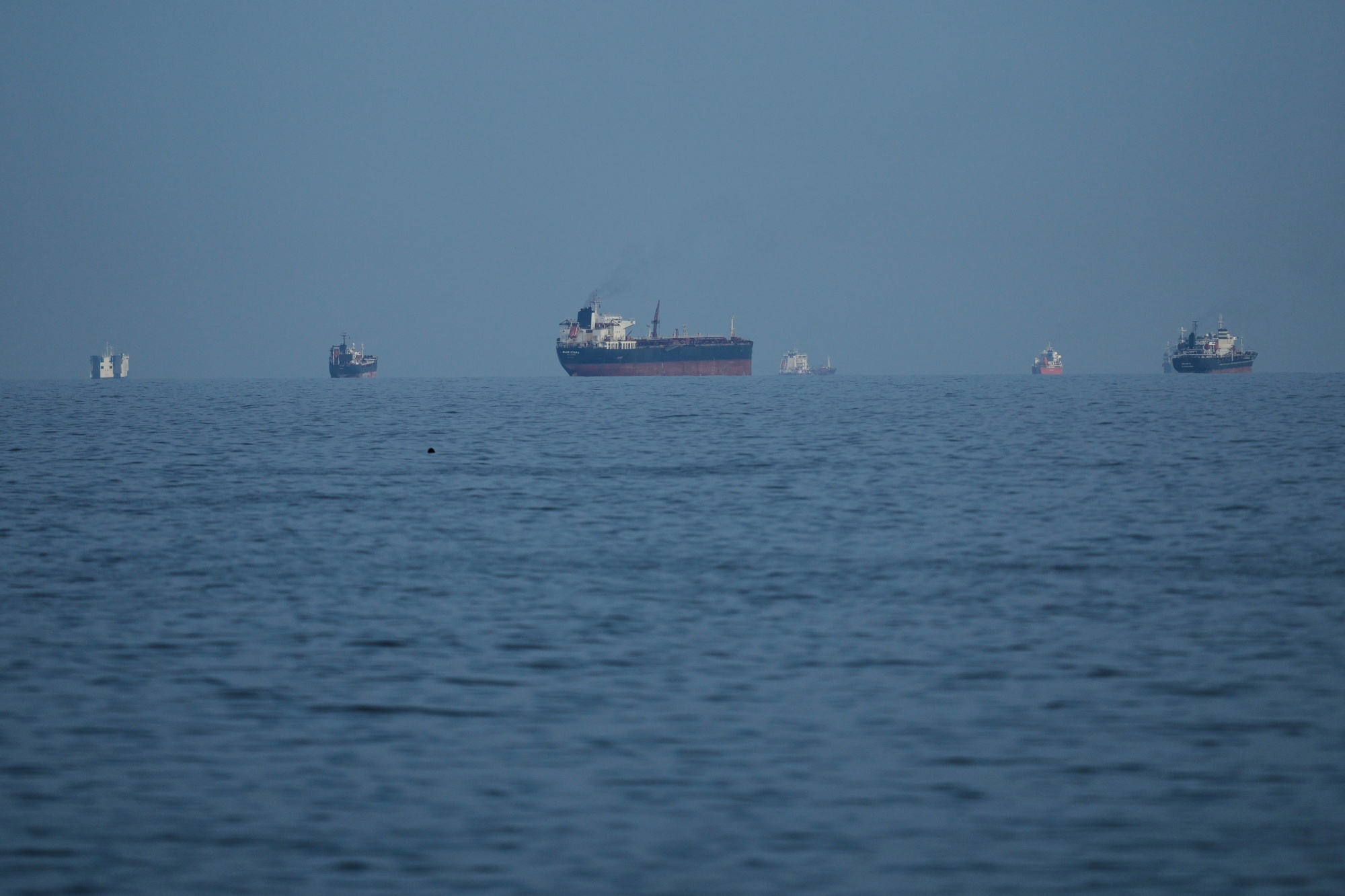
Oil tankers and cargo ships line up near the Strait of Hormuz, on March 11.
Photographer: Altaf Qadri/AP Photo
Of all the things Trump has done that may disrupt global commerce—from levying punitive tariffs to tearing up trade deals—few would be as consequential as withdrawing and leaving the rest of the world to secure the Persian Gulf.
The Big Take
Photographer: Michael Nagle/Bloomberg
US regulators are rewriting some of the policies that can trigger so-called debanking, a move that risks making it harder for firms to cut off problematic customers or those suspected of criminal activity. Opinion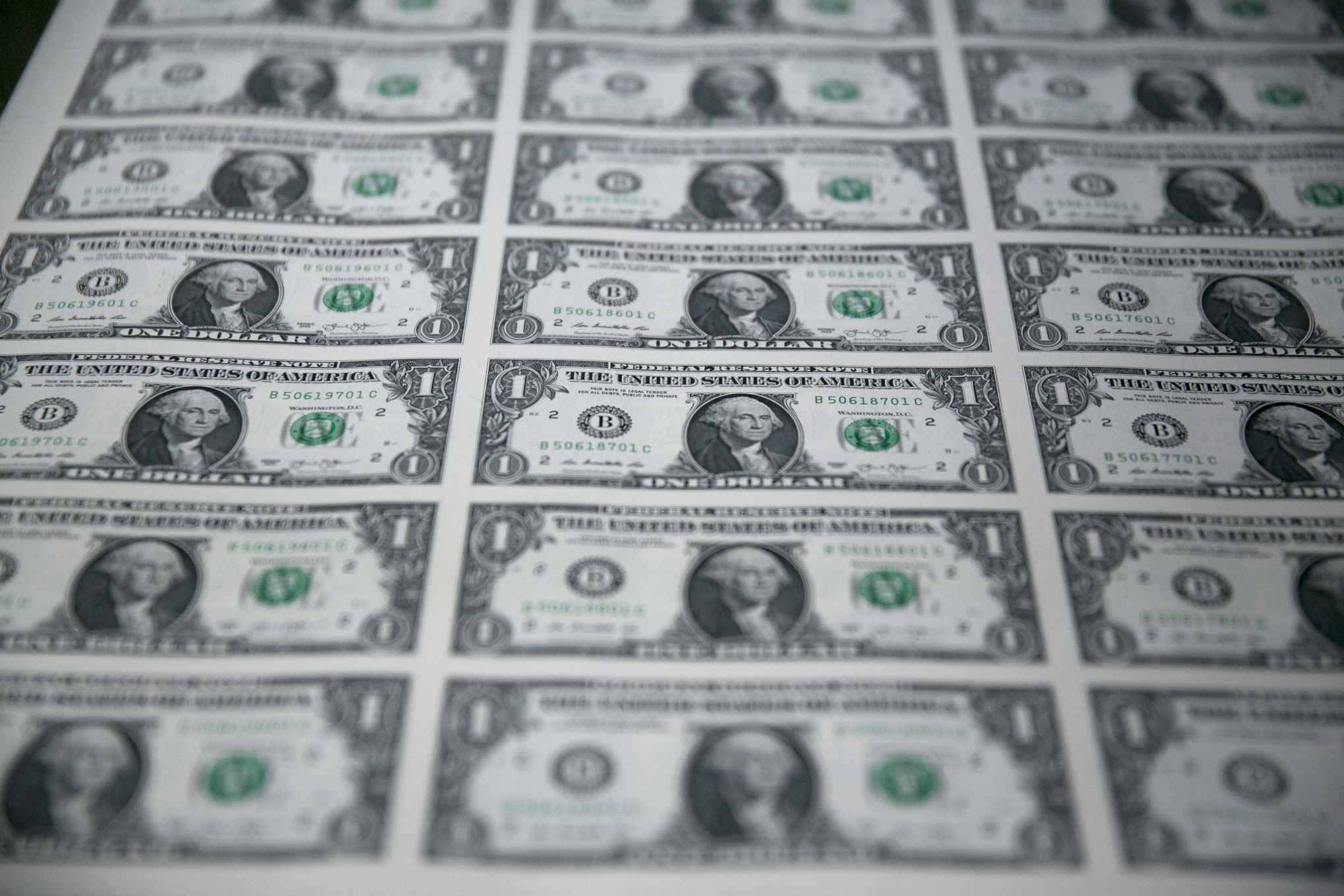
Photographer: Andrew Harrer/Bloomberg
The Iran war is straining the petrodollar system that has long anchored US financial dominance, Aaron Brown writes. As oil flows stall and foreign central banks sell Treasuries, the decades-old cycle of recycling petrodollars into American debt is faltering—raising fresh doubts about the greenback’s status. More Opinions Play Alphadots!Our daily word puzzle with a plot twist. 
Today’s clue is: “Cleanup on aisle 3”? Before You Go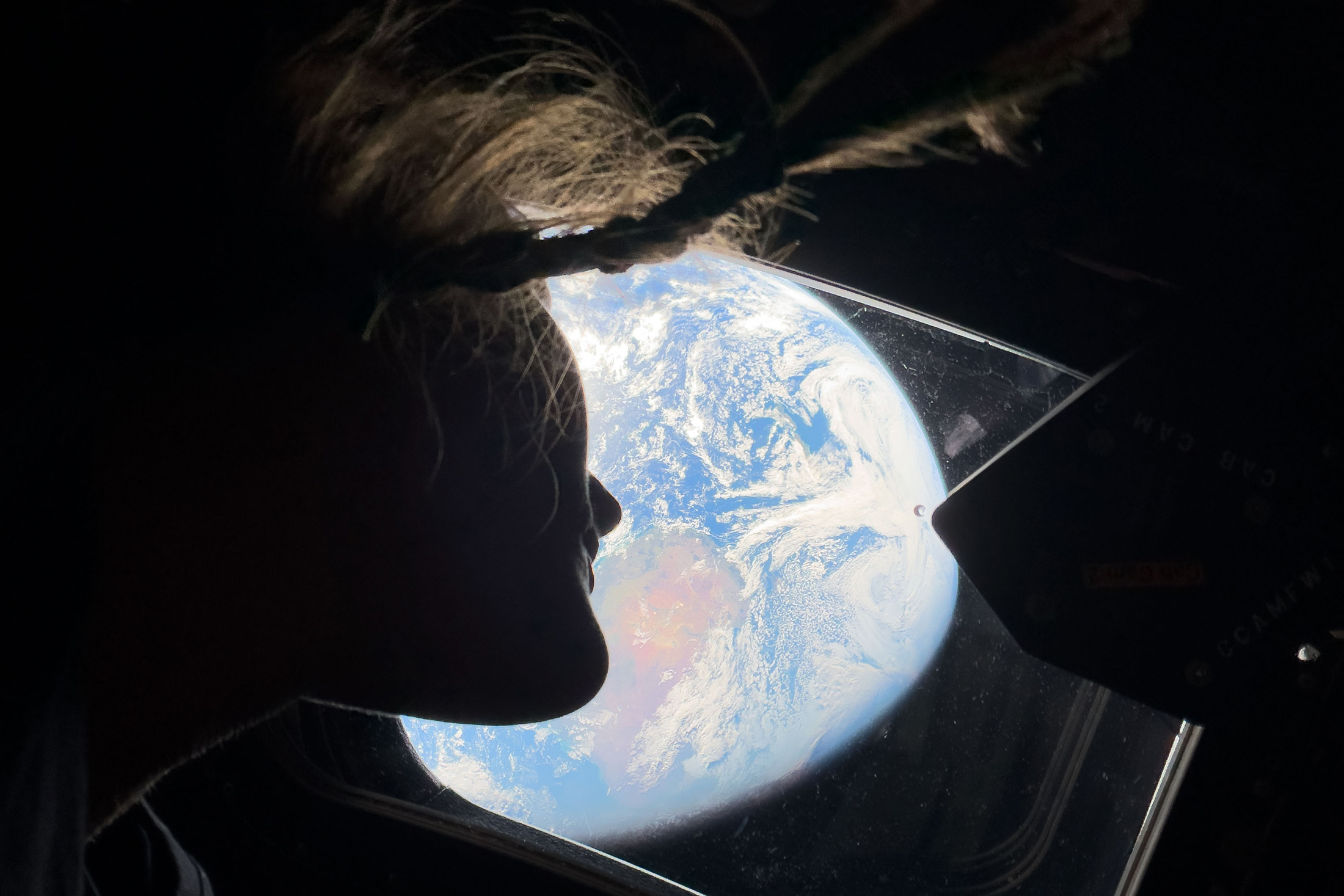
NASA astronaut and Artemis II mission specialist Christina Koch.
Source: NASA/Getty Images North America
NASA’s mission to the moon has been going relatively smoothly except for one vital piece of technology: the toilet. The good news is that after “baking” its vent in the sun, the problem has been resolved and the Artemis II crew, which launched into space on Wednesday, will fly by the far side of the moon today. One More Bloomberg Tech returns to San Francisco June 3-4, convening leading CEOs, investors and innovators shaping the future. Drawing on Bloomberg’s global newsroom and Terminal data, we’ll explore the capital, connectivity and ideas driving the industry forward. Register here. More From BloombergEnjoying Morning Briefing Americas? Get more news and analysis with our regional editions for Asia and Europe. Check out these newsletters, too:
Explore all newsletters at Bloomberg.com. We’re improving your newsletter experience and we’d love your feedback. If something looks off, help us fine-tune your experience by reporting it here. Follow us
You received this message because you are subscribed to Bloomberg’s Morning Briefing Americas newsletter. If a friend forwarded you this message, sign up here to get it in your inbox.
|
|||||||||||||||||||||||||||||