| Read in browser | ||||||||||||||
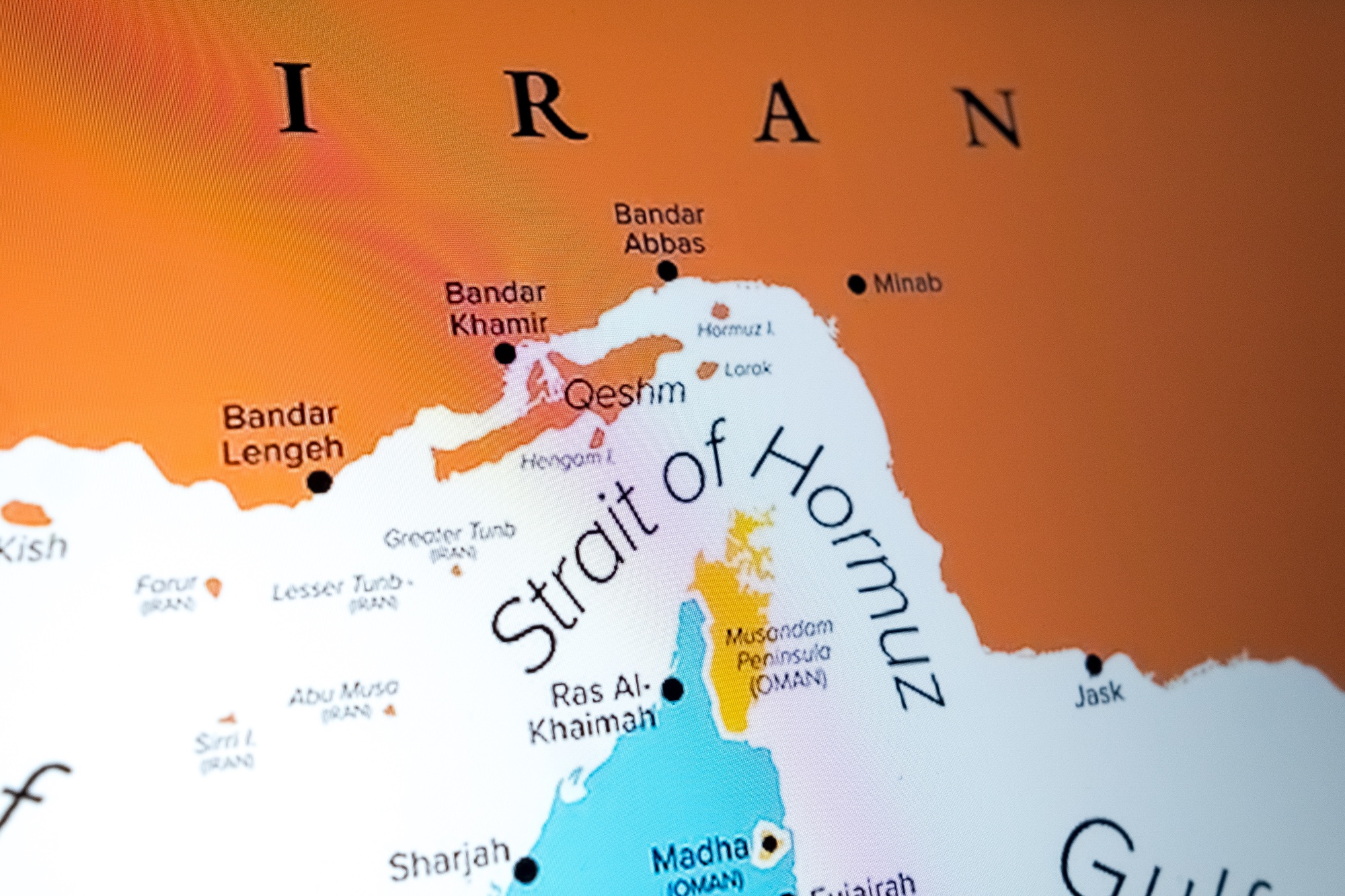
 International organizations, government leaders and Wall Street are attempting to divine the endgame of the US-Israel war with Iran amid increasingly chaotic and contradictory statements by President Donald Trump as his administration struggles to find a way out of the month-old conflict. The war has pushed US pump prices above $4 a gallon, threatening political pain for Republicans in a midterm election year. Trump, 79, is said to realize the current situation is untenable, according to persons familiar with the matter. He has scheduled a televised speech about the war this evening.  Neighbors and relatives gather for the funeral of journalist Mohammad Sherri, his wife, and paramedic Bassel Atwi in Beirut on March 19. They were killed in an Israeli attack. Photographer: Anadolu More than 5,000 people, mostly civilians, have been killed in the war so far, almost three-quarters of them in Iran, according to government organizations and the US-based Human Rights Activists News Agency. Just over 1,300 people have been killed in Lebanon, where Israel opened a second front against Iran-allied Hezbollah following attacks by the militant group. A majority of Americans oppose the war, which Trump and Prime Minister Benjamin Netanyahu began despite ongoing negotiations with Tehran. Trump cited a shifting set of justifications but no public evidence Iran presented a direct threat to America. Now, with Trump's near-daily threats, entreaties and all-caps social media posts about the conflict—one in which Iran has managed to punish US allies and energy markets—leaders and investors may be looking elsewhere for clues as to what happens next. Iranian President Masoud Pezeshkian issued a letter addressed to Americans on Wednesday, arguing that his country has no enmity with the US and has acted in self-defense. (One of Trump's initial reasons for attacking was related to Iran's killing of thousands of protestors in recent uprisings there.) Pezeshkian warned that "continuing along the path of confrontation is more costly and futile than ever before" and noted that attacks on infrastructure, which Trump has threatened, directly target the Iranian people. On Tuesday, Pezeshkian said the Islamic Republic has "the necessary will" to end the war—albeit with certain guarantees. —David E. Rovella What You Need to Know TodayChina lands in Canada, courtesy of Trump's trade war. Stellantis is said to be discussing options for building electric vehicles there with Chinese partner Zhejiang Leapmotor, a sign of how quickly the auto industry is being reshaped after Canada opened the door to companies from the world's largest car market. The potential for Chinese-led vehicle production by the traditional US ally shows the ripple effects of Trump's levies on foreign-made cars and trucks, which have disrupted the once-integrated North American auto sector and cost automakers billions of dollars. If the companies proceed, it would be the first major Chinese auto investment in Canada since Prime Minister Mark Carney reached an agreement with President Xi Jinping in January to reduce tariffs on Chinese-made EVs. OpenAI shares have fallen out of favor on the secondary market—in some cases becoming almost impossible to unload—as investors pivot quickly to Anthropic, its biggest competitor. Even as OpenAI raced in recent months to raise tens of billions of dollars, Next Round Capital founder Ken Smythe said his secondary marketplace was seeing a drop in demand for shares of the artificial-intelligence giant. About a half-dozen institutional investors—including hedge funds and venture capital firms that hold large stakes—approached his company in recent weeks looking to sell about $600 million of OpenAI shares. Last year, they would have been snatched up within days. But now, no one's biting. So what's going on? 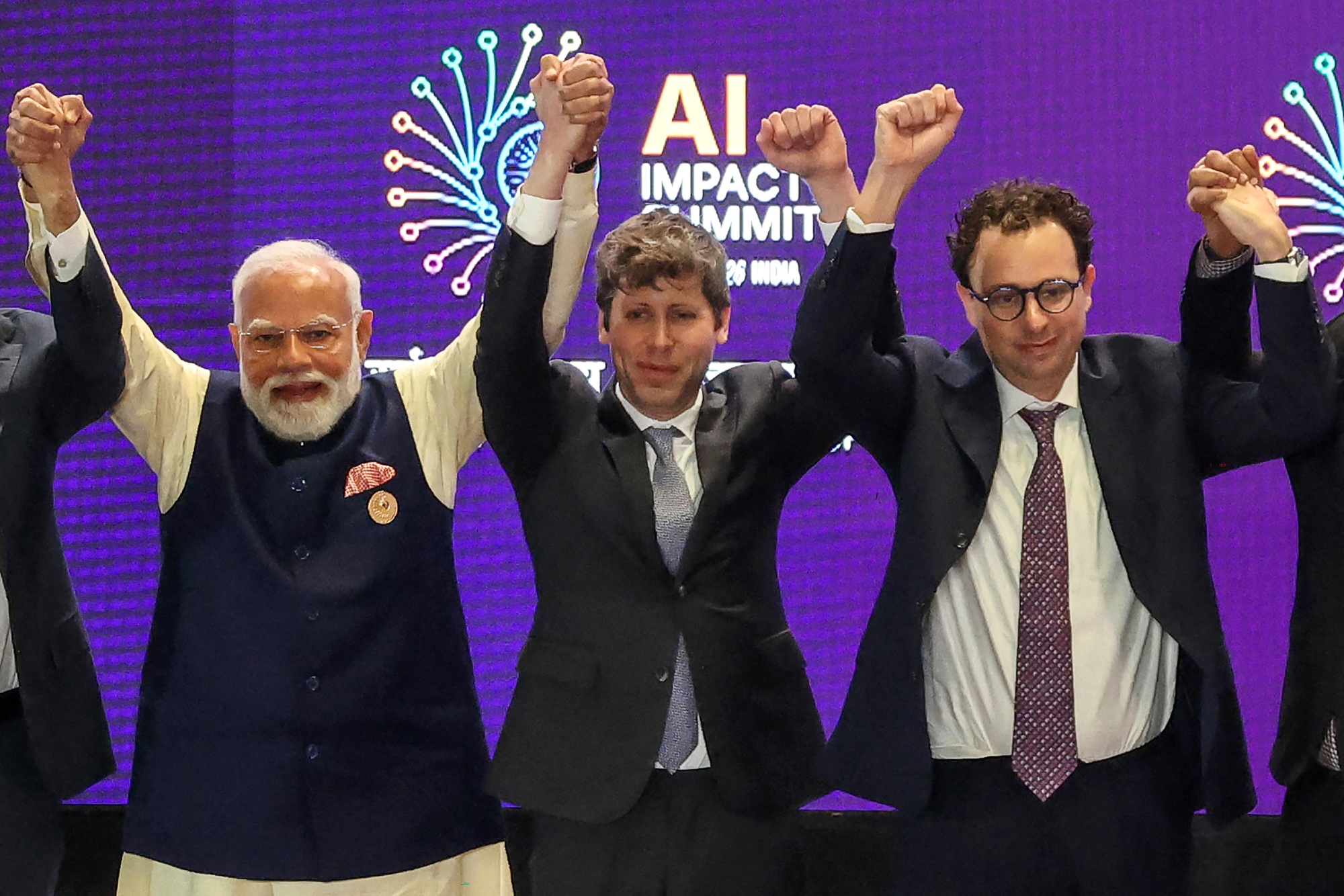 India Prime Minister Narendra Modi, left with OpenAI CEO Sam Altman, center, and Anthropic CEO Dario Amodei, at the AI Impact Summit earlier this year. The rival CEOs famously did not clasp hands during the photo. Photographer: Ludovic Marin/AFP/Getty Images Still, Wednesday wasn't all good news for Anthropic. The company revealed that the accidental release of source code for its popular AI coding agent was the result of "process errors" related to its fast product release cycle. The mistake marked Anthropic's second security error in a matter of days, compromising approximately 1,900 files and 512,000 lines of code related to Claude. Last week, Fortune separately reported Anthropic had been storing thousands of internal files on a publicly accessible system, including a draft blog post that detailed an upcoming model known internally as both "Mythos" and "Capybara." Eli Lilly's weight-loss pill won US approval, ratcheting up pressure on Novo Nordisk, which launched an obesity pill earlier this year. Lilly's once-daily pill, called Foundayo, was approved to help people shed pounds or maintain previous weight loss. Lilly is moving quickly to catch Novo, whose Wegovy pill has been in hot demand since it was approved in December. Lilly has already produced billions of doses of Foundayo. Sales could reach $18 billion by 2030, according to Wall Street analysts surveyed by Bloomberg. 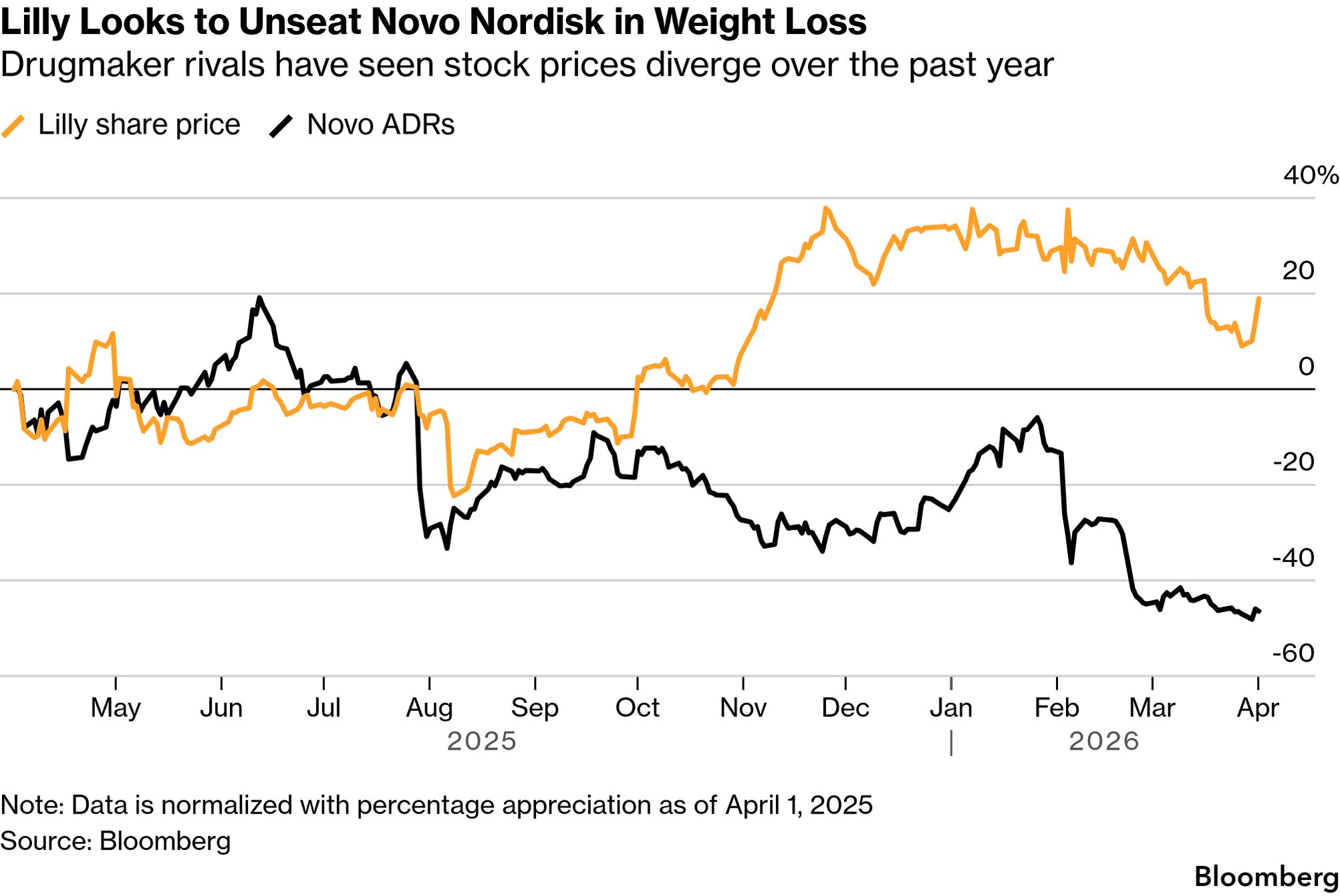 What You'll Need to Know TomorrowFor Your CommuteBloomberg Tech returns to San Francisco June 3-4, led by Emily Chang and Tom Giles, convening leading CEOs, investors and innovators shaping the future. Drawing on Bloomberg's global newsroom and Terminal data, we'll explore the capital, connectivity and ideas driving the industry forward. Register here. More from BloombergEnjoying Evening Briefing Americas? Get more news and analysis with our regional editions for Asia and Europe. Check out these newsletters, too:
Explore all newsletters at Bloomberg.com. We're improving your newsletter experience and we'd love your feedback. If something looks off, help us fine-tune your experience by reporting it here. Follow us
You received this message because you are subscribed to Bloomberg's Evening Briefing Americas newsletter. If a friend forwarded you this message, sign up here to get it in your inbox.
|