| Read in browser | ||||||||||||||


I’m Jonathan Tamari, senior Washington reporter for Bloomberg Government, and each weekday I’ll be coming to you with inside-the-room reporting and insights that reveal what’s really happening in Washington—and how it impacts you. Email me with feedback and comments here. If this newsletter was forwarded to you sign up here. Today, Netanyahu’s enduring influence, NATO’s tough talk, and would you spend $1,000 to read next to other people? The Bibi ProblemBenjamin Netanyahu, by many accounts, helped push Donald Trump and the US into war. Now he may be a major obstacle to the president’s effort to get out of it. Long aligned by politics and personality, Trump and Bibi have different motivations on Iran. Trump appears ready to exit a fight that has damaged him politically and shaken the world economy, while Netanyahu faces sharp criticism at home for stopping too soon. 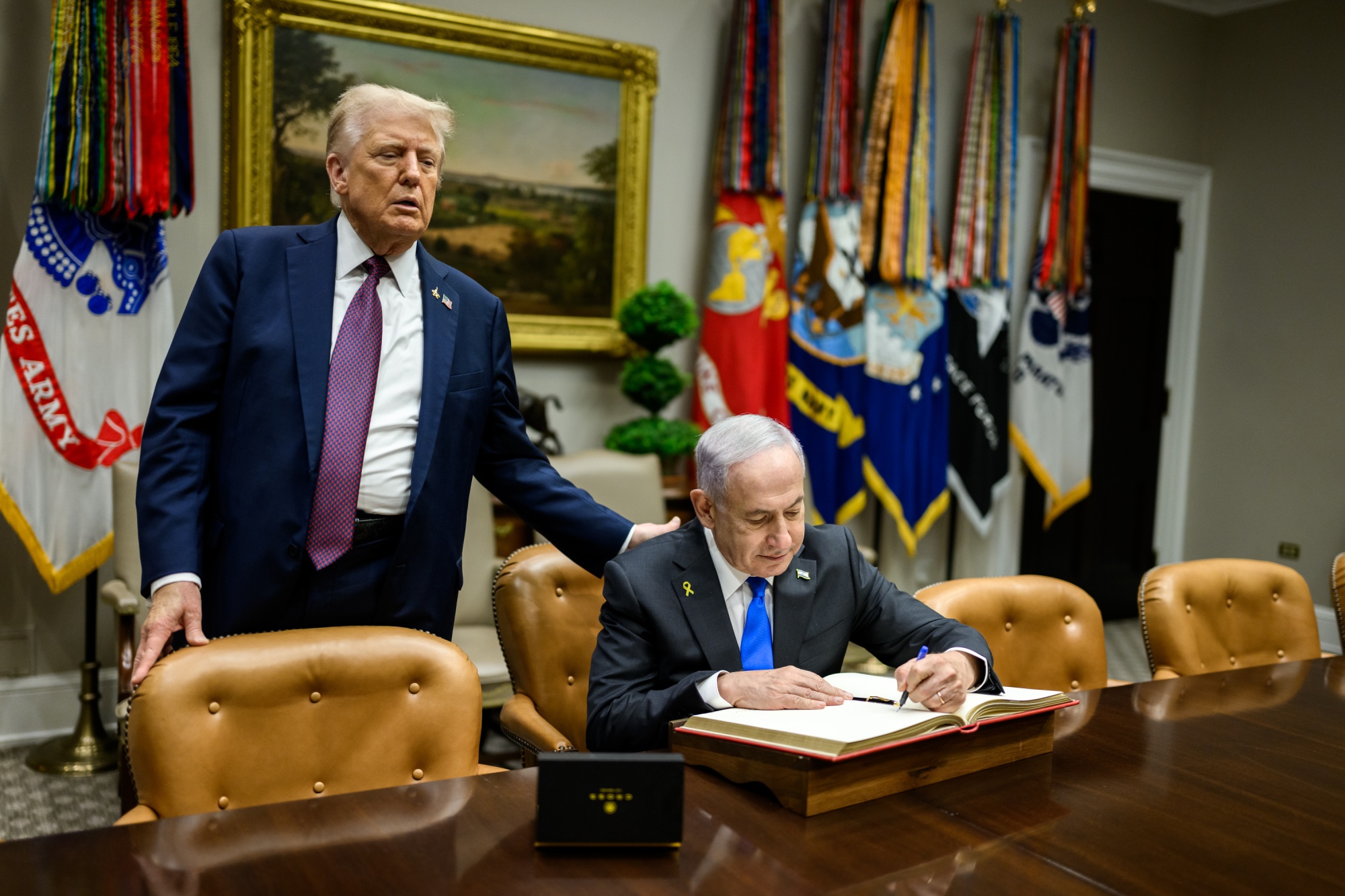
Netanyahu signs the guest book at the White House on September 29.
Photographer: Daniel Torok/White House
Israel wants to keep going, and is already testing the truce, Ben Bartenstein writes in a must-read look inside Bibi’s influence on the war and tentative peace. The Israeli prime minister had dreams of crippling Iran militarily and crushing Hezbollah. Within hours of the ceasefire announcement, Netanyahu launched his biggest attack on Lebanon of this conflict, killing hundreds and threatening to destabilize the deal before the first direct talks. After a call from Trump, Israel agreed “low-key it,” the president told NBC Thursday. Netanyahu has agreed to hold talks with Lebanon, but has also vowed to keep pursuing his goals. Netanyahu, Ben reports, opposed diplomacy with Iran and only found out shortly before the ceasefire was announced that Lebanon was included. Iran’s Mohammad-Bagher Ghalibaf, speaker of the parliament, posted Thursday that Lebanon is “an inseparable part of the ceasefire” and that violations will bring “STRONG responses.” 
A firefighter takes a break on a vehicle destroyed in an airstrike in Beirut on April 9.
Photographer: Chris McGrath/Getty Images via Getty Images Europe
Netanyahu has long been a major character in US politics. He went to high school outside Philadelphia and graduated from MIT. In Trump he has, in many ways, found a parallel figure: both are defiant, domineering, and tenacious political survivors. In the 14 months after Trump’s second inauguration, Netanyahu met with the president more than half a dozen times, Ben writes, building a drumbeat of influence. “I watched Bibi do this play for decades,” said Leslie Tsou, a former US diplomat with postings in Israel and across the Gulf. “With Trump, he found a more receptive audience than ever before.” The Israeli leader consistently gave Trump the worst-case timelines for Iran’s nuclear program, and best-case scenarios for regime change, Ben reports. He pointed to January’s Venezuela raid as proof Trump could triumph quickly and decisively. The arguments played a key role in convincing the president, even as some US officials called Israel’s presentations overly optimistic (to put it politely). Now, as a frustrated Trump seeks a way out, peace talk are set to begin Saturday in Pakistan. Israel won’t be there, but history suggests Netanyahu will find a way to have a say in the outcome. Top NewsTrump expressed anger last night about the Strait of Hormuz remaining largely blocked, and warned Iran against charging fees for ships going through (days after suggesting such fees might be split). “Iran is doing a very poor job, dishonorable some would say, of allowing Oil to go through the Strait of Hormuz,” the president posted. “That is not the agreement we have!” Treasury Secretary Scott Bessent and Federal Reserve Chair Jerome Powell summoned Wall Street leaders to an urgent meeting on concerns that the latest artificial intelligence model from Anthropic will usher in an era of greater cyber risk. An unusual thing happened when Trump demanded NATO allies help him in Iran, Wes Kosova writes this morning. “They said no.” NATO Secretary General Mark Rutte said yesterday the the group was moving away from an “unhealthy co-dependence” between Europe and the US. 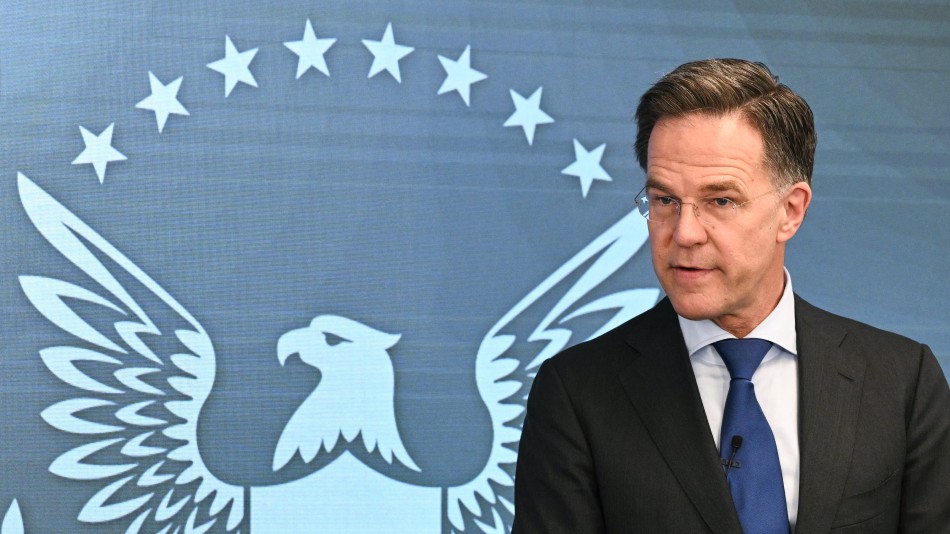 
NATO Secretary General Mark Rutte spoke in Washington yesterday.
The White House is using the Iran conflict to justify fast-tracking policy decisions that would ordinarily require a deliberative process, setting up another test of the president’s emergency powers, Stephen Lee and Robert Iafolla report. Ukraine’s top negotiator with Russia said he sees progress toward a potential peace deal with the Kremlin, adding that a resolution to the war may not take long to achieve. “They all understand the war needs to end. That’s why they are negotiating,” Kyrylo Budanov said in an April 4 interview with Bloomberg. 
Page Break reading retreat at Spruceton Inn, located in West Kill in the Catskills, NY.
Photographer: Max Pittman/Page Break
Would you spend $1,000 to read next to other people? Over the past few years, reading retreats — where groups of (mostly) women gather at a country house or hotel to work through their personal reading lists in amiable silence — have sprung up across the US and the UK. AI is increasingly being used by folks who want to bring their own lawsuits. The outcomes aren’t always good, and courts have taken various responses, including fines and prohibiting the practice altogether, Khorri Atkinson writes. Watch This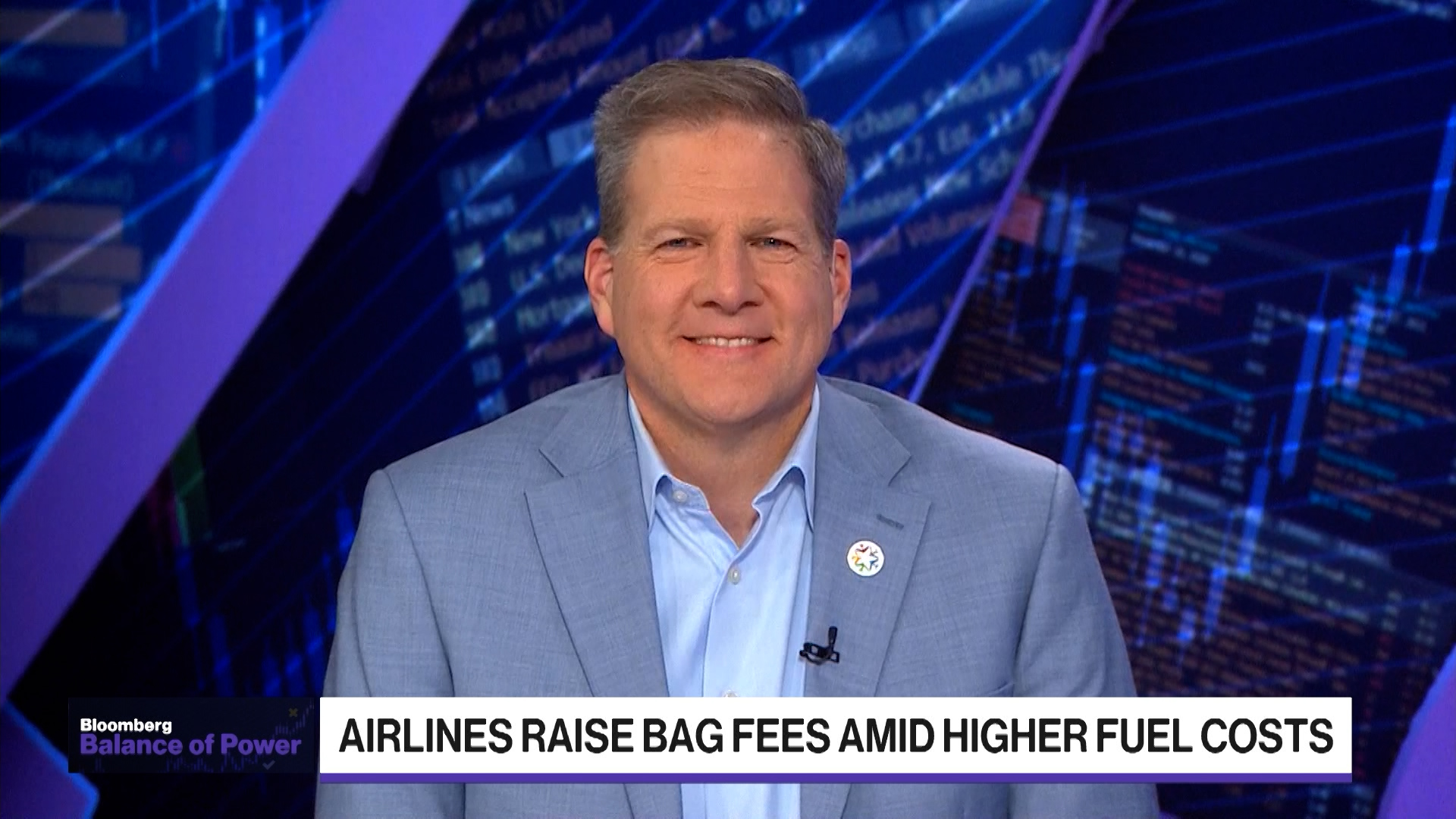
Airlines for America CEO Chris Sununu says it is “a little too early to tell” whether carriers will reverse higher bag fees or other fuel-related charges if Middle East tensions ease.
Listen Here
Yale Law School — the longstanding leader of US News & World Report’s annual rankings — has slid to No. 2. Columnist David Lat talks about it with Jessie Kamens in this week’s On The Merits podcast. Go Deeper With BGOVThe House is scheduled to take up a bill next week that aims to prevent a repeat of the deadly January 2025 collision between a passenger airline and military helicopter near Ronald Reagan National Airport, BGOV’s Erin Bacon writes. 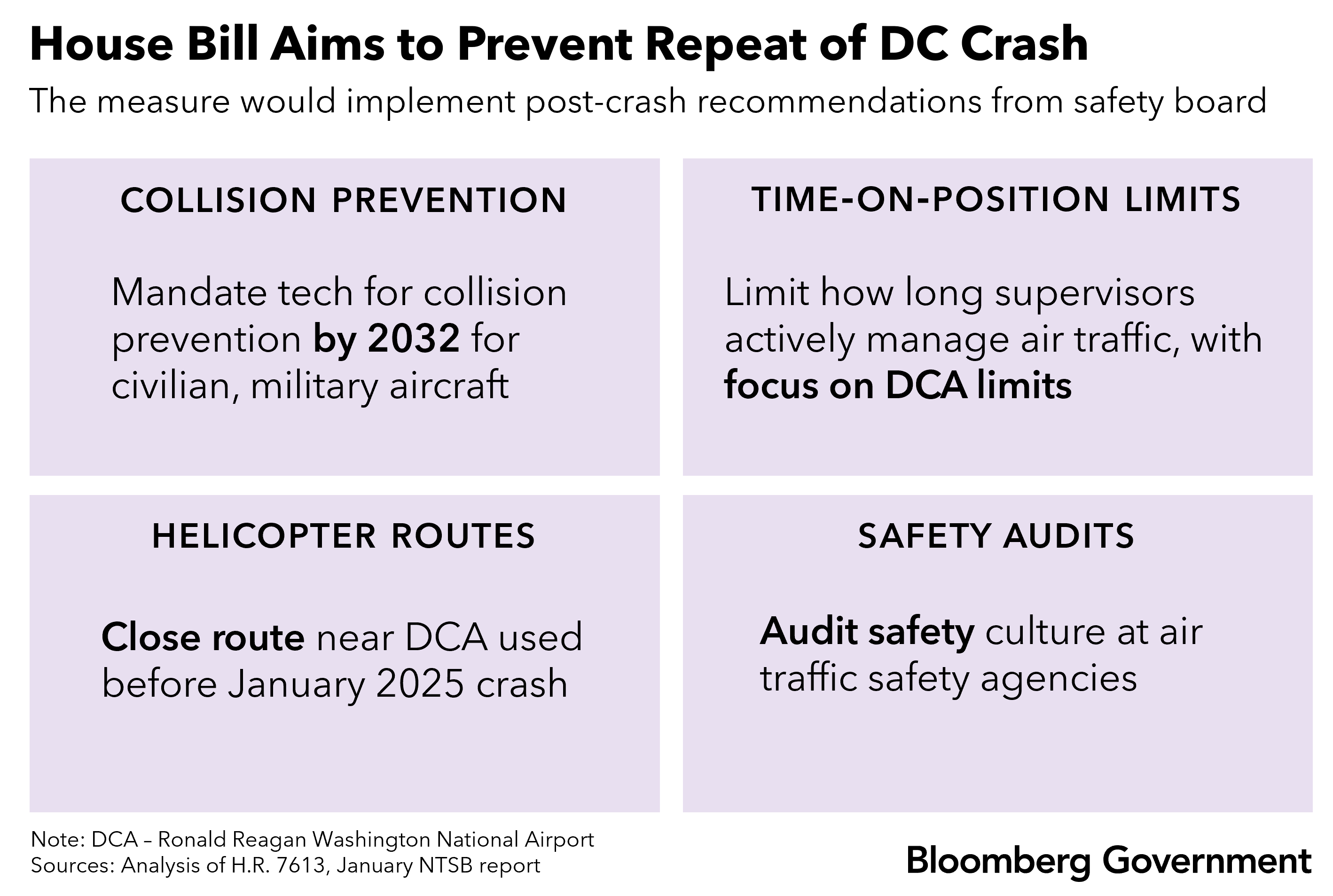
Among other things, the bill (H.R. 7613) would require collision prevention technology for certain civilian and military aircraft. The military would get more exceptions from the requirement than it got in a Senate measure (S. 2503), which failed to win enough House votes in February after the Pentagon pulled its support. What’s NextThe consumer price index for March will be released. Bloomberg Economics expects it to show the fastest monthly increase in almost four years Factory orders in February will be reported The University of Michigan’s preliminary reading of consumer sentiment in April will be released Trump heads to Charlottesville, Virginia this evening for a MAGA meeting Artemis II is expected to splash down tonight after its lunar drive-by More From BloombergLike Washington Edition? Check out these newsletters:
Explore all newsletters at Bloomberg.com. We’re improving your newsletter experience and we’d love your feedback. If something looks off, help us fine-tune your experience by reporting it here. Follow us
You received this message because you are subscribed to Bloomberg’s Washington Edition newsletter. If a friend forwarded you this message, sign up here to get it in your inbox.
|




India's central bank mulls delay for some digital payments to curb fraud
India's central bank on Wednesday suggested introducing a delay for certain digital payments above a threshold as part of measures to curb rising fraud, and sought stakeholder feedback on the proposals in a discussion paper. ...