| Read in browser | ||||||||||||||

I’m Jonathan Tamari, senior Washington reporter for Bloomberg Government, and each weekday I’ll be coming to you with inside-the-room reporting and insights that reveal what’s really happening in Washington—and how it impacts you. Email me with feedback and comments here. If this newsletter was forwarded to you sign up here. Today: Iran’s tools to fight back, SEC at SCOTUS, and Bad Bunny’s weather fix. Iran’s ResilienceOn paper, the Iran war looked like an unfair fight. So how is the regime still standing – and even casting doubt on new negotiations – after absorbing heavy damage from two more powerful enemies? We asked several foreign affairs and defense analysts for explanations, and got a big help from Bloomberg’s Gerry Doyle. They outlined a combination of factors:
First, Iran made sure this wasn’t a straight fight against the U.S. and Israel. Instead, its strikes on other Gulf states plus the economic pain inflicted by closing the strait “internationalized” the war, said Alex Vatanka, a Middle East Institute senior fellow who specializes in Iran. You might think it takes a major power to shake the global economy, but the strait’s distinct traits — being so narrow and close by — allowed Tehran to make a worldwide impact with relatively few resources, Gerry told me. “When was the last time a country without a navy essentially could take global maritime trade hostage?” Alex asked. Suddenly, countries who never wanted this conflict felt the consequences anyway, and pressured the US for relief. The economic ripple effects of the strait’s closure continued over the weekend, with a chaotic stretch (detailed here) capped by the U.S. seizing an Iranian-flagged ship, and traffic remaining at a standstill. Oil prices surged once again. 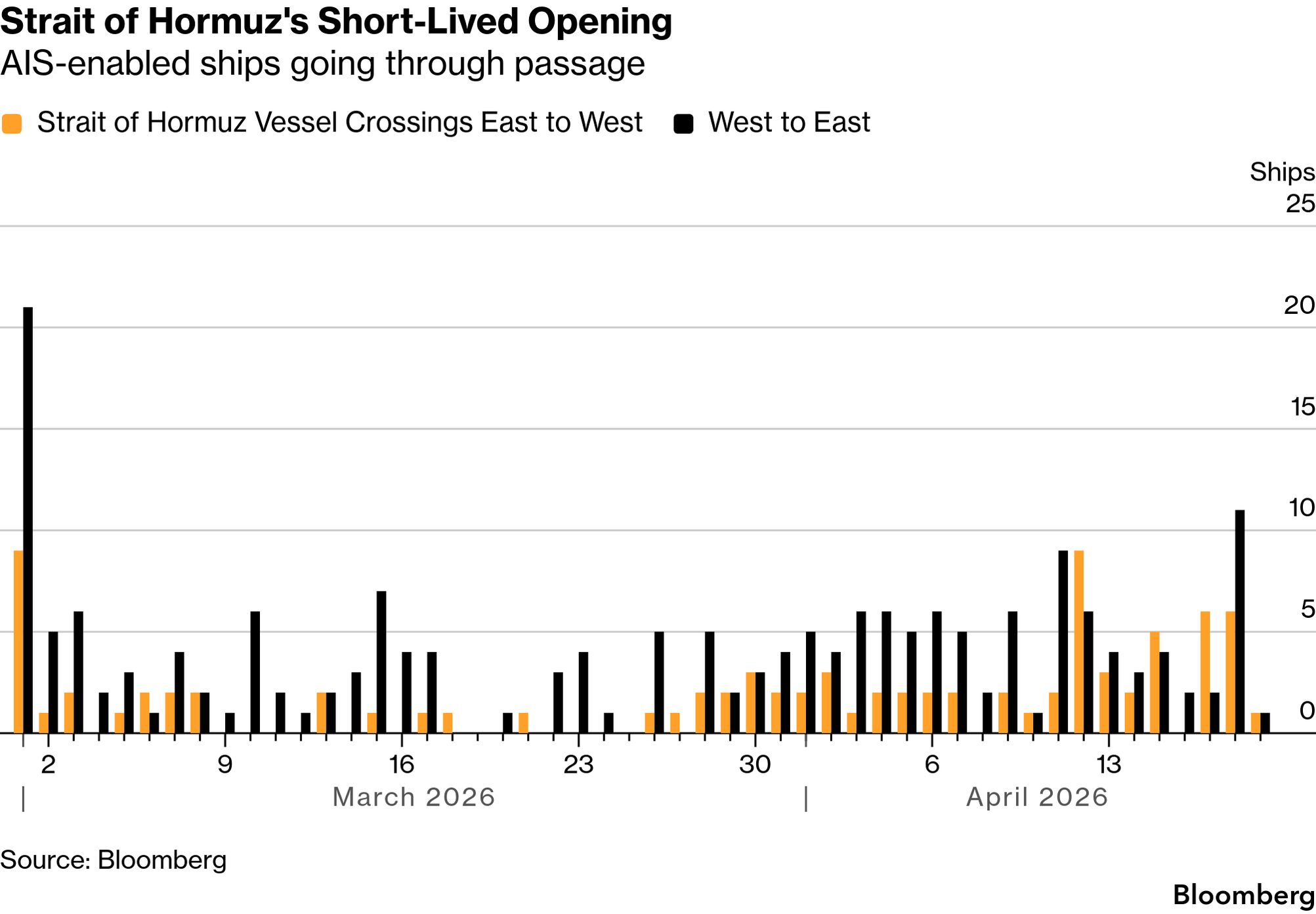
“An asymmetry of stakes” also worked in Iran’s favor, said Matthew Kroenig, director of the Atlantic Council’s Scowcroft Center for Strategy and Security. The Iranian regime’s options were endure or perish — “It’s existential” Matthew told me — and so they dug in deep, much as we’ve seen with Ukraine’s fight against Russia. Trump’s goals by contrast were malleable and less urgent. His biggest aims — such as regime change or eliminating Iran’s nuclear program — would require a long grind, with rising costs and risks, unlike the immediate results from killing Qasem Soleimani in 2020 or hitting Iran’s nuclear sites in 2025. By many accounts Trump was convinced this would be another Venezuela, over fast. 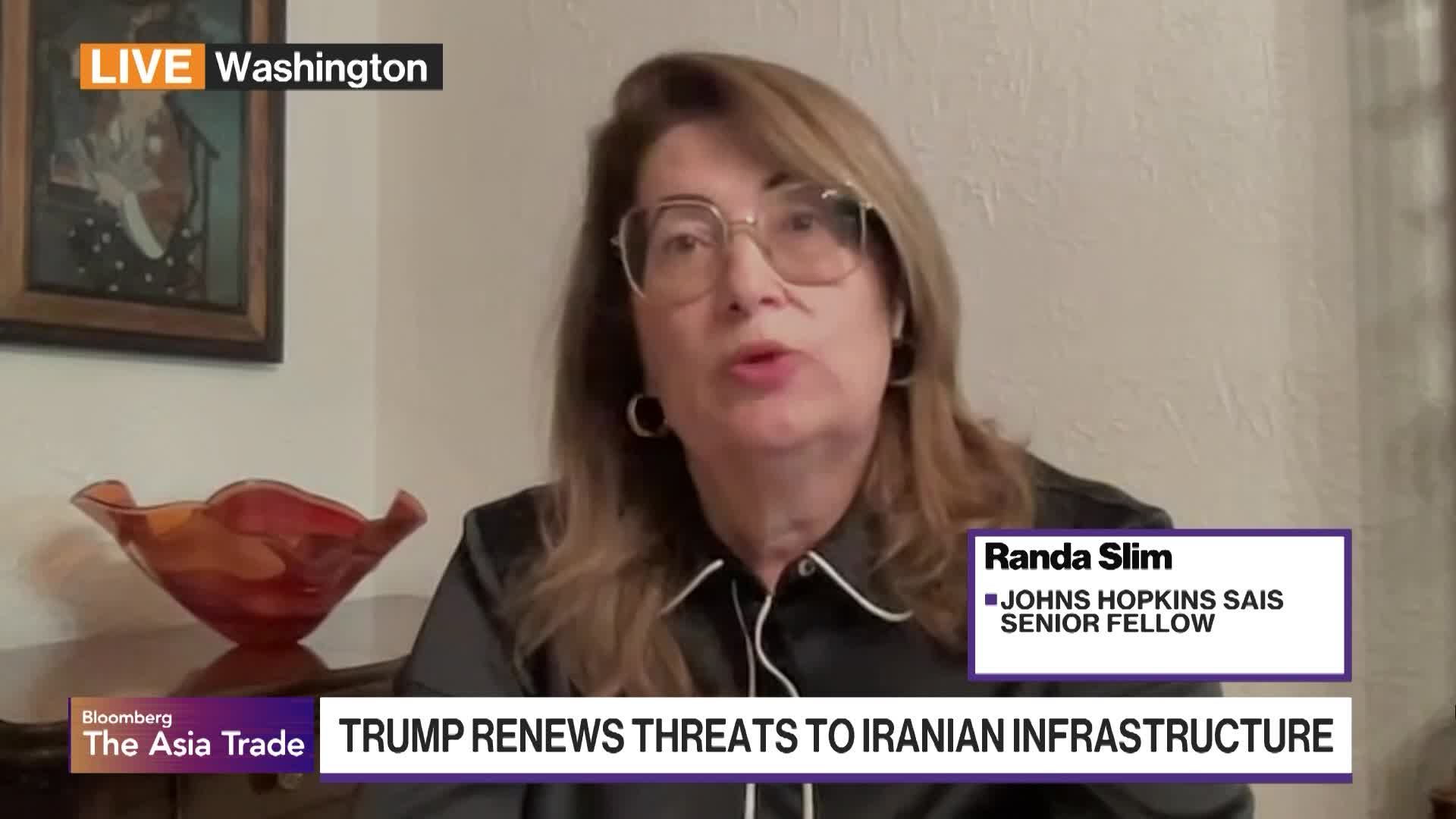 
“Iran thinks they can sustain this war for two or three months,” Randa Slim, senior fellow at Johns Hopkins School of Advanced International Studies, speaking on Bloomberg Television.
Iran, though, was in for the long haul. That’s left the president staring down the political consequences of high gas prices, voter disapproval, and midterm elections in five months that could cripple his presidency if Democrats win power. Energy Secretary Chris Wright said Sunday gas prices could remain over $3 a gallon into next year. An NBC poll out Sunday showed 63% of adults disapproving of Trump’s job performance. So what now? U.S. negotiators say they’re heading back to Pakistan for more talks. Iran denied plans to participate. Trump appears short of his major goals, but Matthew said he can claim success in hobbling Iran’s military. While it appears unlikely, he added, it’s possible the regime still falls over time. Others, however, said Iran’s grip on the strait may have actually strengthened it in some ways. “They felt that militarily they won simply because they weren’t toppled,” Alex told me. “The Islamic Republic has turned out to be far more entrenched than many people probably suspected.” Top NewsIn one sign of the war’s spiraling effects, the UAE has opened talks with the US about obtaining a financial lifeline in case the conflict worsens the Emirates’ economic trouble, the WSJ reports. In another: China has been forced to increasingly rely on the US for ethane gas as the war squeezes supplies. China gets almost all of its ethane from the US and is projected to import a record volume this month. Critics of the SEC are asking the Supreme Court to (again) limit its ability to impose heavy financial penalties. At stake this time is “disgorgement,” designed to recoup illicit profits and return them to victims. 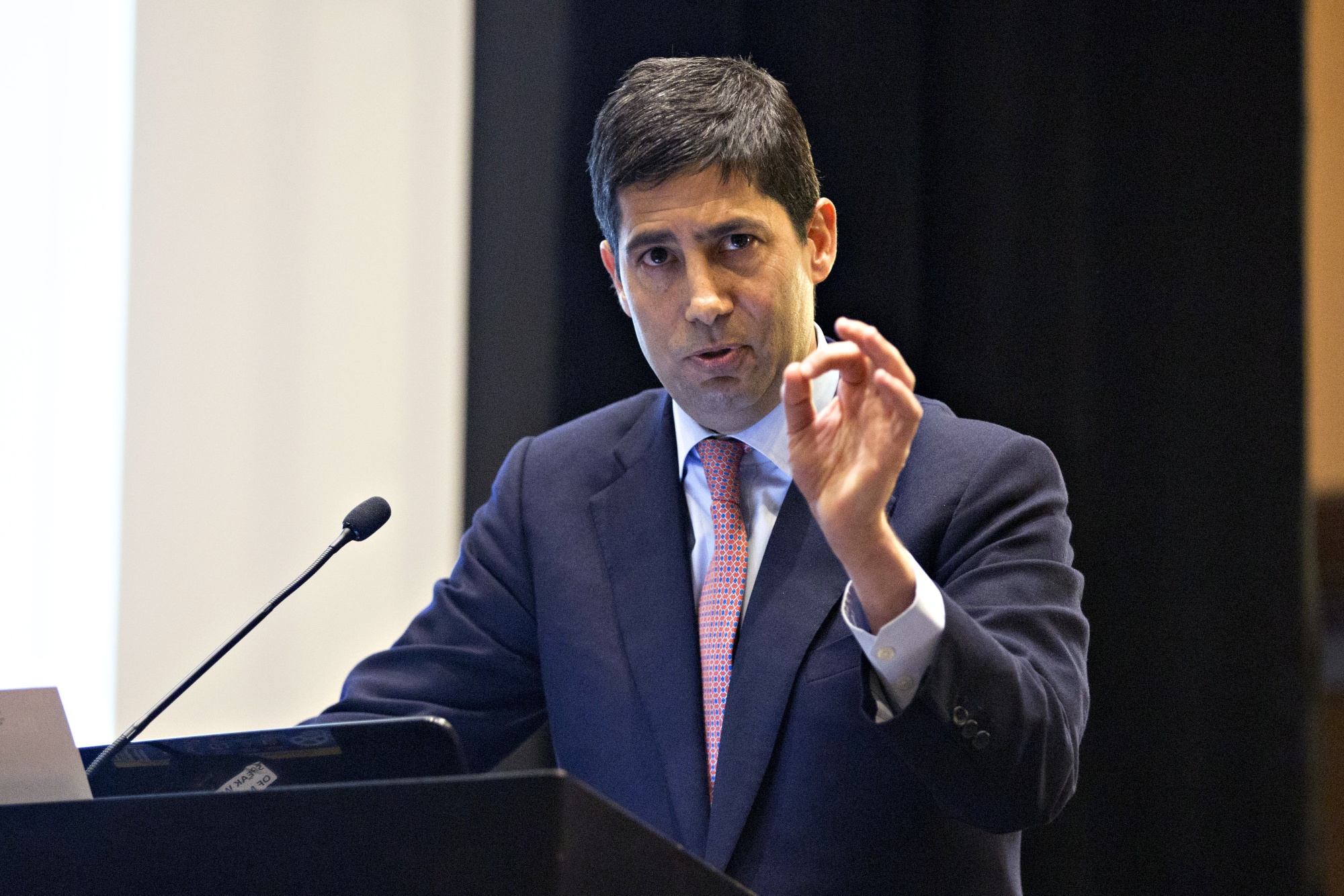
Kevin Warsh, nominee for Federal Reserve chairman
Photographer: Bloomberg/Bloomberg
Kevin Warsh will face the most politically charged atmosphere around the Fed in decades when he testifies to Senators Tuesday. The DC Circuit Court over the weekend allowed the construction of the White House ballroom to move forward, temporarily halting a lower court’s ruling. Some parents opposed to vaccines are changing course as measles spreads at levels unseen in decades. “You can change your mind,” one said after an outbreak shifted her thinking. 
Bad Bunny at the Super Bowl halftime show
Photographer: Kindell Buchanan/PA Images
When Bad Bunny saw a storm threatening to rain out a lucrative concert, what did he do? Have a weather station installed in the stadium, of course, and get insurance tied to rainfall amounts. Watch This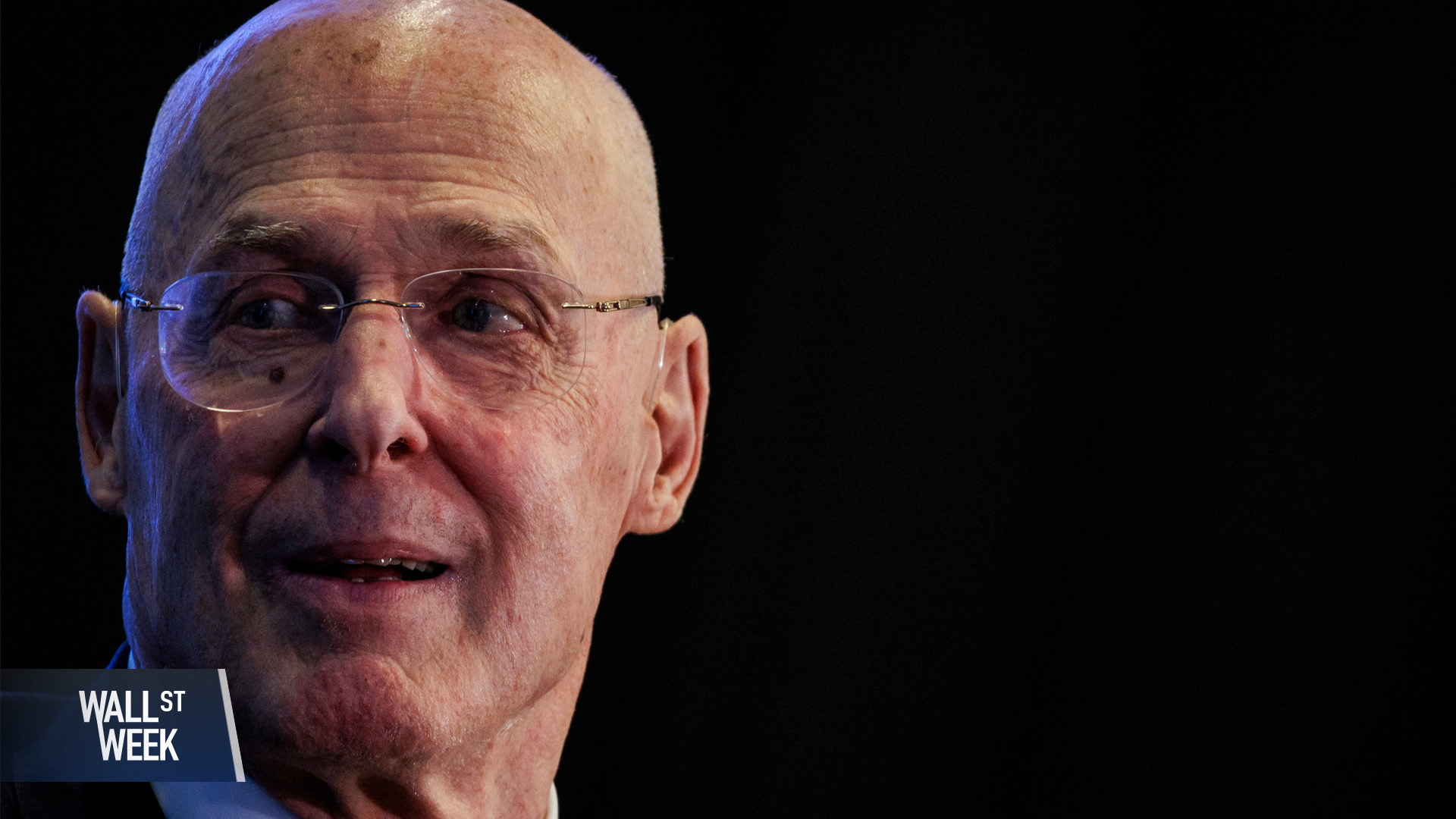
Former US Treasury Secretary Hank Paulson says the conflict is likely to push inflation higher, keep interest rates elevated, and strain industries from airlines to agriculture. He spoke on Bloomberg Television’s Wall Street Week.
Plus, Wells Fargo CEO Charlie Scharf will be on Bloomberg Television this afternoon for a live interview. Watch here 
Go Deeper With BGOVExpect Republicans to take the first step to push through more spending laws this week. Senate Budget Chairman Lindsey Graham is set to release the first of possibly two reconciliation resolutions this year, kicking off the budget maneuver that can pass without Democratic votes. 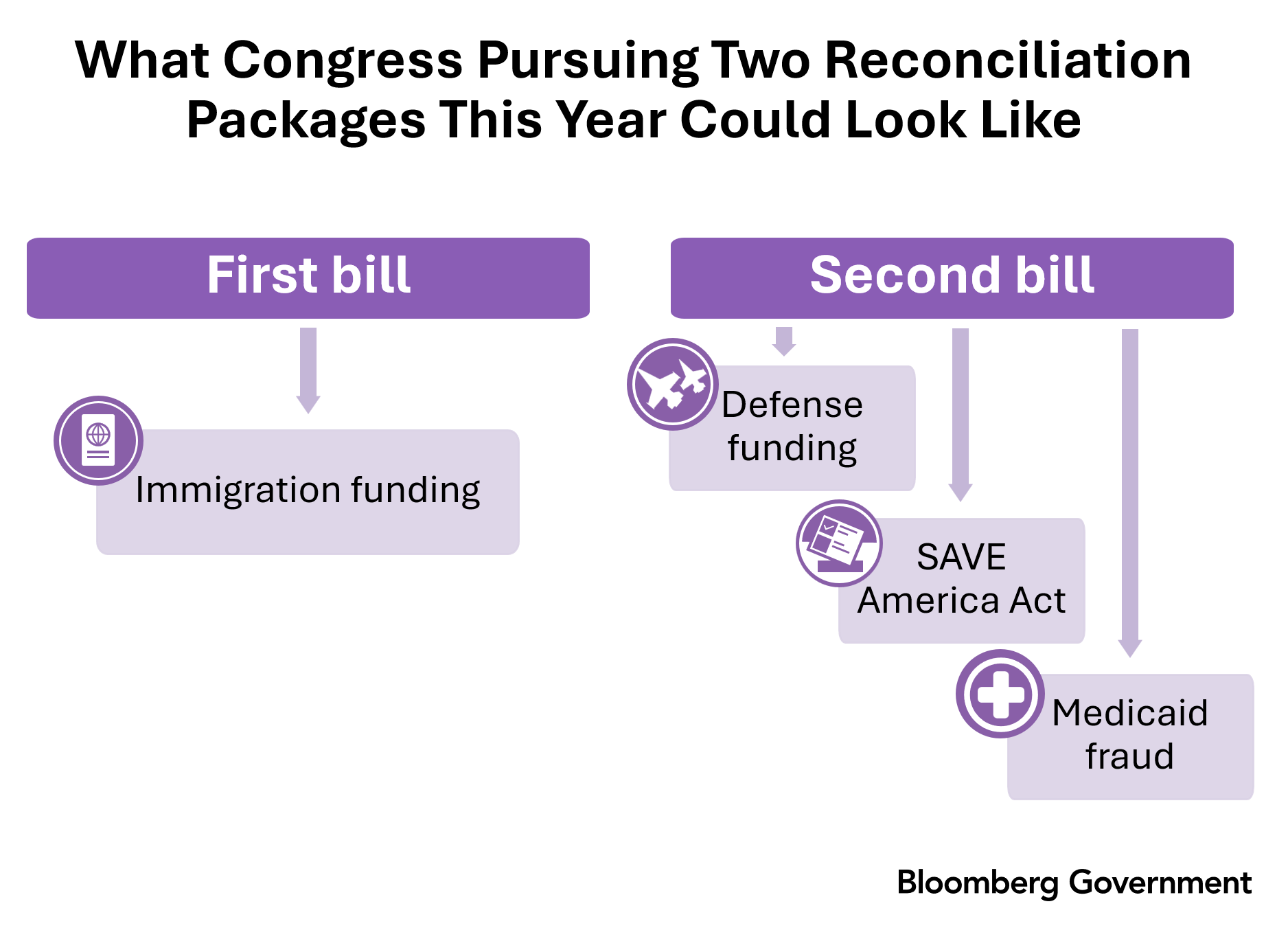
On Today’s AgendaThe Supreme Court hears arguments about the SEC’s disgorgement powers (see above) Interior Secretary Doug Burgum is scheduled to testify about the 2027 budget before a House Appropriations subcommittee Customs and Border Protection is scheduled to open its tariff refund portal Lobbying disclosures are due at midnight The Boston Marathon is held More From BloombergLike Washington Edition? Check out these newsletters:
Explore all newsletters at Bloomberg.com. We’re improving your newsletter experience and we’d love your feedback. If something looks off, help us fine-tune your experience by reporting it here. Follow Us
You received this message because you are subscribed to Bloomberg’s Washington Edition newsletter. If a friend forwarded you this message, sign up here to get it in your inbox.
|



