| Read in browser | ||||||||||||||
  I'm Jonathan Tamari, senior Washington reporter for Bloomberg Government, and each weekday I'll be coming to you with inside-the-room reporting and insights that reveal what's really happening in Washington—and how it impacts you. Email me with feedback and comments here. If this newsletter was forwarded to you sign up here. Today, Trump offers few new ideas on Iran, DHS funding appears to be (mostly) sorted, and Artemis II hits 17,500 mph. The (Non-)Plan on IranIf you were looking for significant new information or a long-term plan from Donald Trump on Iran last night, keep on looking. The president said new, heavy bombing is coming over the next two to three weeks, and that America is on track to achieve its objectives "very shortly." "We are going to finish the job and we're going to finish it very fast," he said from the White House in his first formal national address on the month-old war. 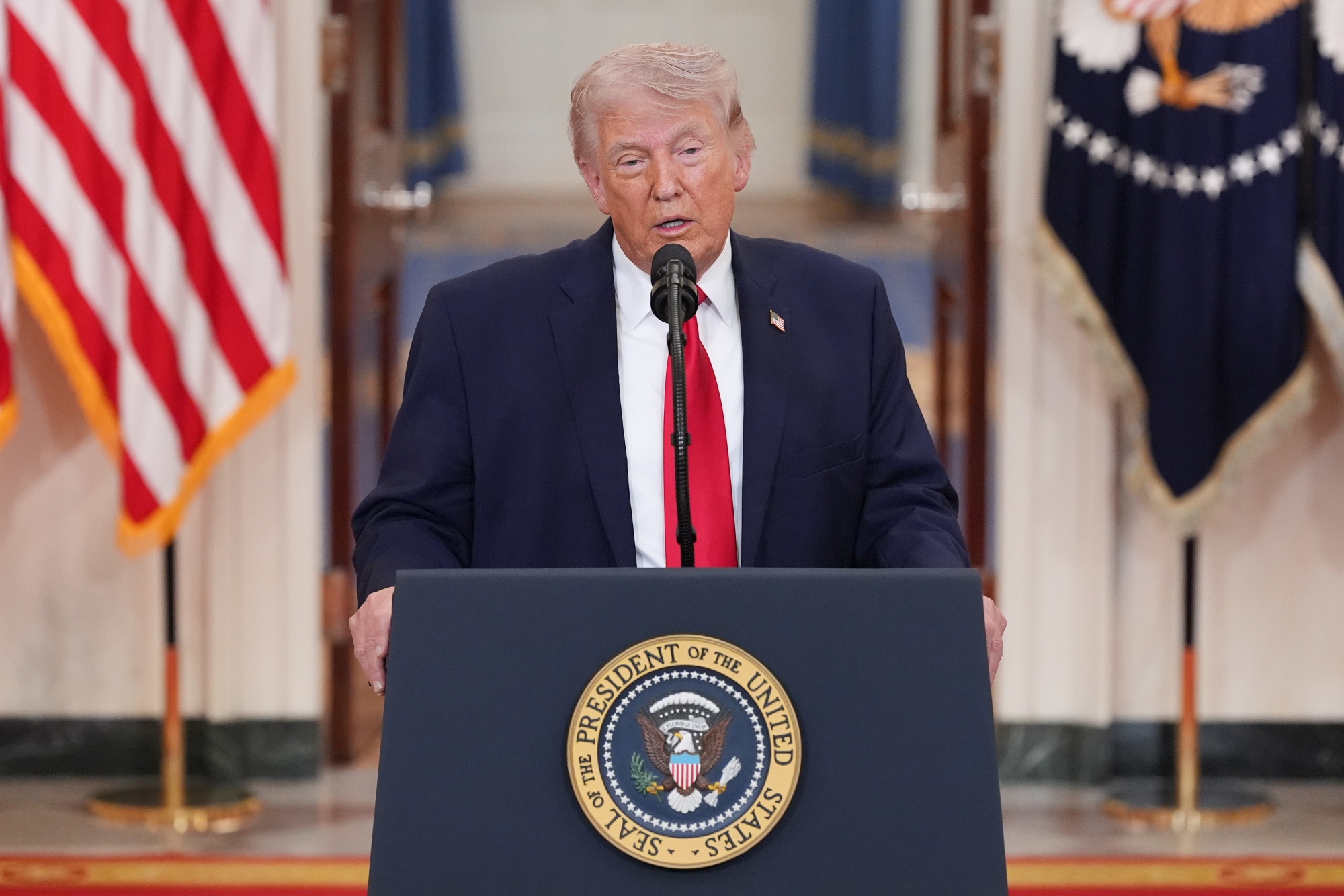 Trump during his prime-time address to the nation Wednesday Photographer: Alex Brandon/AP Photo/Bloomberg via AP Pool But he's been making similar pronouncements for weeks — Trump called the war "very complete" on March 9 — and his 20-minute speech last night provided almost no new insight. It mostly rehashed boasts, threats, and attacks that he has unfurled on social media and in interviews over the past month. There was no clear exit strategy, or firm measurements of when or how his goals would be complete. Trump threatened to send Iran "back to the Stone Ages" while again urging Europe to take control of the Strait of Hormuz, but also said, "it'll just open up naturally," once the fighting is done. Which would be news to Iran. Brent oil prices rose 5% after the speech, reversing declines from earlier in the day. Stock futures fell. In many ways it felt like a speech arriving a month too late. The main thrust was a justification of the war's causes, a case most presidents would have made when the war first began, if not sooner. "For these terrorists to have nuclear weapons would be an intolerable threat," Trump said, without providing evidence supporting his assertion that Tehran was on "the doorstep" of getting a bomb. He also didn't explain how Iran got so close after he also said last June that the country's nuclear program was destroyed. ("Iran's Nuclear Facilities Have Been Obliterated — and Suggestions Otherwise are Fake News," reads an official White House post still online from June 25.) Republican Senator Ted Cruz of Texas praised the president, posting on X that "We are on the cusp on ending Iran's nuclear blackmail — that makes America much, much safer." But Trump's public support has fallen as gas prices have soared during the conflict. His disapproval rating hit an all-time high of 59% in a Fox News poll released last week, and 64% of voters disapproved of his handling of the war. "No one in America, after listening to that speech, knows whether we are escalating or deescalating. In fairness, though, neither does our president," said Democratic Senator Chris Murphy of Connecticut. As for the war's economic gyrations, Trump suggested they would be short-lived, and blamed Iran for effectively closing the Strait of Hormuz, through which 20% of the world's oil supply passes. Which is accurate, but also sidesteps why Iran suddenly took that step when it hadn't done so on, say, the day before the conflict broke out. The closest Trump had come to a national speech on the war before last night was an eight-minute address posted on Truth Social the day it started. Instead, he has frequently taken questions from reporters, often in brief one-on-one phone calls. His answers have swung wildly between saying the fight is nearly won and threatening to escalate. Last night was more of the same. The endgame remains unclear. Top News
Watch This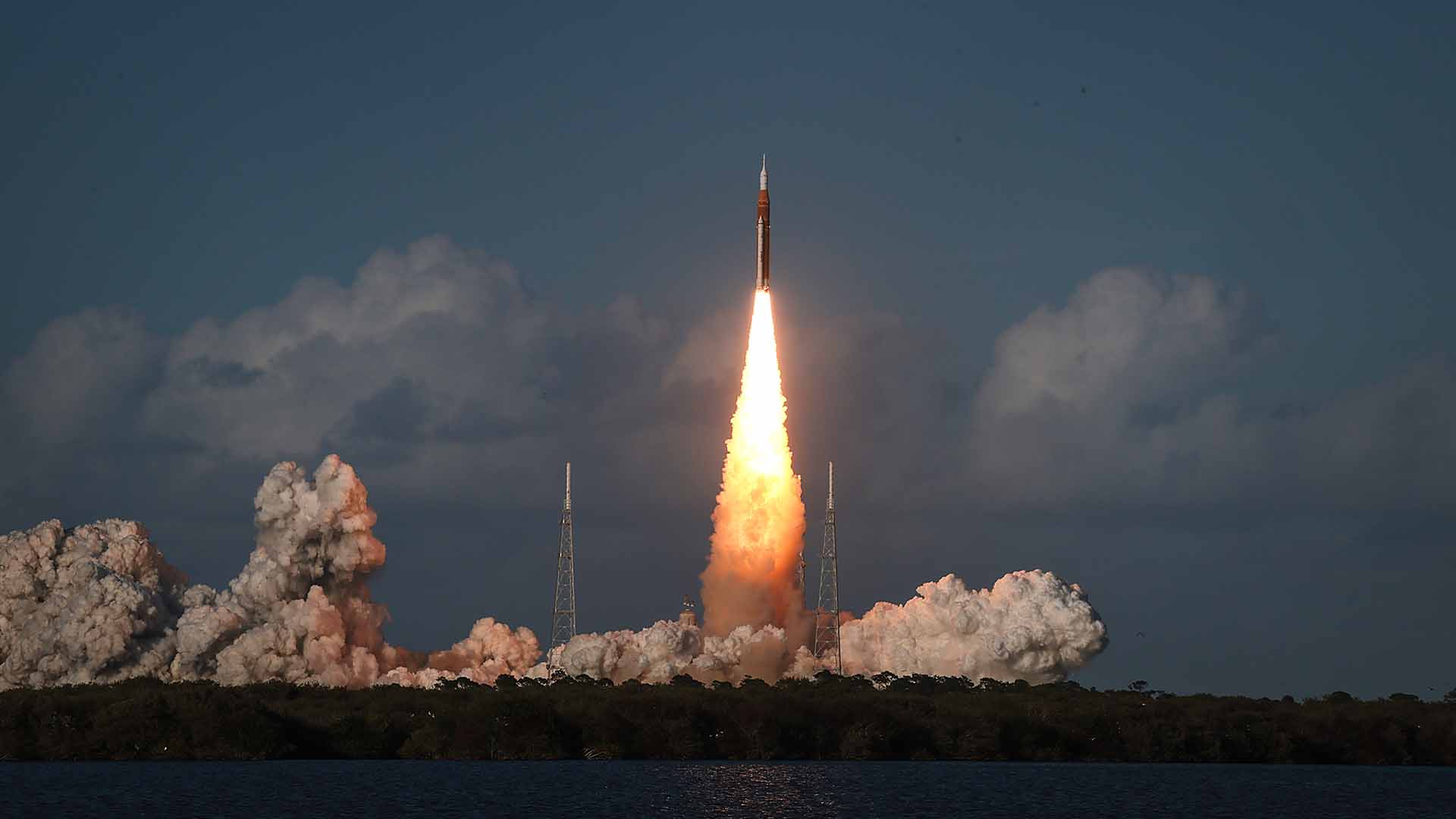  Watch the historic launch of Artemis II Four NASA astronauts have reached a stable orbit in their 10-day mission around the moon. Artemis II "thundered off the launchpad" yesterday, reaching speeds of around 17,500 mph. Loren Grush and Sana Pashankar painted the scene. "We have a beautiful moonrise. We're headed right at it," mission commander Reid Wiseman said. Go Deeper With BGOVSharp disagreements between banks and crypto groups have stalled legislation to regulate tokens like Bitcoin, BGOV's Galen Bacharier and Karl Evers-Hillstrom explain in a new BGOV OnPoint. The main sticking point for a final Senate compromise is whether crypto exchanges should be allowed to issue rewards or yield on stablecoins that customers hold on their platforms. But regulations for decentralized finance, as well as a Democratic push for restrictions on Trump's own crypto dealings, have also cropped up as concerns.  Meanwhile, lawmakers are separately ramping up efforts to update the IRS's treatment of digital assets, Brandon Lee explains in another BGOV OnPoint. What's NextHouse and Senate hold pro forma sessions, DHS funding vote is expected JD Vance speaks at Turning Point USA event this evening at George Washington University More From BloombergLike Washington Edition? Check out these newsletters:
Explore all newsletters at Bloomberg.com. We're improving your newsletter experience and we'd love your feedback. If something looks off, help us fine-tune your experience by reporting it here. Follow us
You received this message because you are subscribed to Bloomberg's Washington Edition newsletter. If a friend forwarded you this message, sign up here to get it in your inbox.
|



