| Read in browser | ||||||||||||||

Welcome to our weekly CityLab newsletter. Sign up here to get it every Friday in your inbox and send us your feedback. Today, bowling enthusiast David Dudley riffs on a new HBO docuseries: Ask an urban policy expert about bowling and you’ll probably hear something about the work of social scientist Robert Putnam, whose 2000 book Bowling Alone coined a useful shorthand phrase for the worrisome decline of community-building institutions and places. The collapse of league rosters since the 1970s, Putnam proposed, signaled a broader retreat from civic participation, an idea that continues to resonate in the current discourse about an “epidemic” of loneliness in the US. But ask me about bowling and I’m going to talk about bowling. Specifically, the 265 game I rolled in 2005, or maybe the league championship I shared that year, or that time I strung together 11 strikes in a row across two games, or … wait, come back! Luckily, the recent release of the HBO docuseries Born to Bowl offered a rare opportunity to legitimately combine my interests in urban development and Brooklyn strikes. Bowling is a deeply cityfied sport: It boomed in the US as the nation urbanized in the 20th century, followed Americans into the suburbs after World War II, and then foundered when sprawl and screentime turned us into whatever we are now. So mighty was the tenpin game in its heyday that it spun off distinct regional variants, like Baltimore’s duckpin bowling and the candlepin of New England, which cling to life in their respective redoubts. The cities I’ve lived in were full of places to bowl, many now gone. 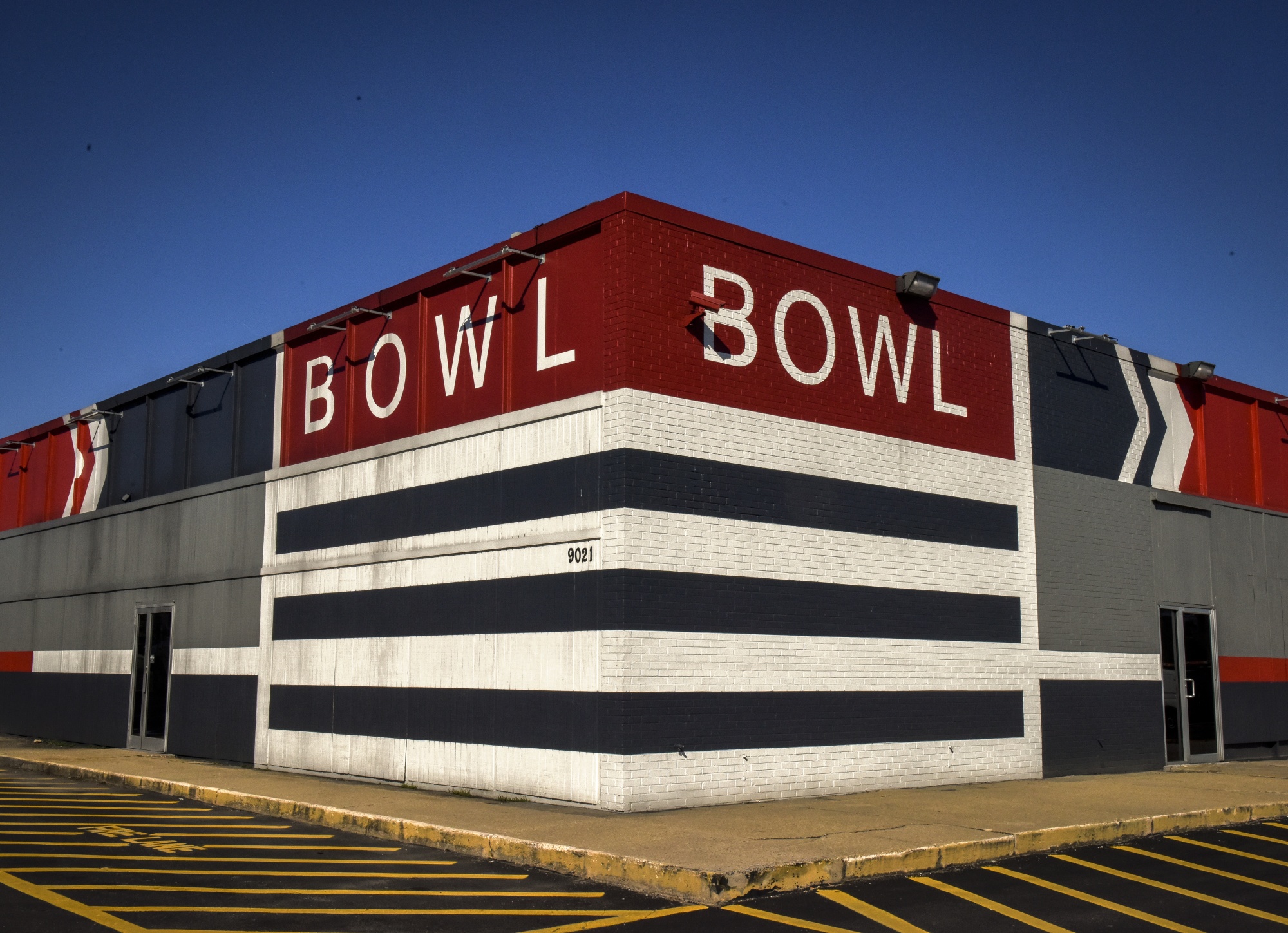
An old-school bowling center in College Park, Maryland, in 2019.
Photographer: Bill O’Leary/The Washington Post via Getty Images
But while bowling’s historic footprint has diminished, it remains, perhaps surprisingly, an extremely popular activity, with about 50 or 60 million people rolling at least one game every year in the US. And as Putnam’s critics have pointed out, they are rarely alone. The game morphed from being a weekly commitment into an occasional opportunity to blow off steam and eat wings; we’ve lost some of the unifying power of this most democratic of pastimes, and its most serious practitioners lost the perch they briefly held at the very pinnacle of professional sports. Bowling itself, however, rolls on.
Read more
More on CityLabSprawl Is Out Driverless Transit Is In Spotted Lanternflies Are Around Repair, Baby, Repair Look at This Building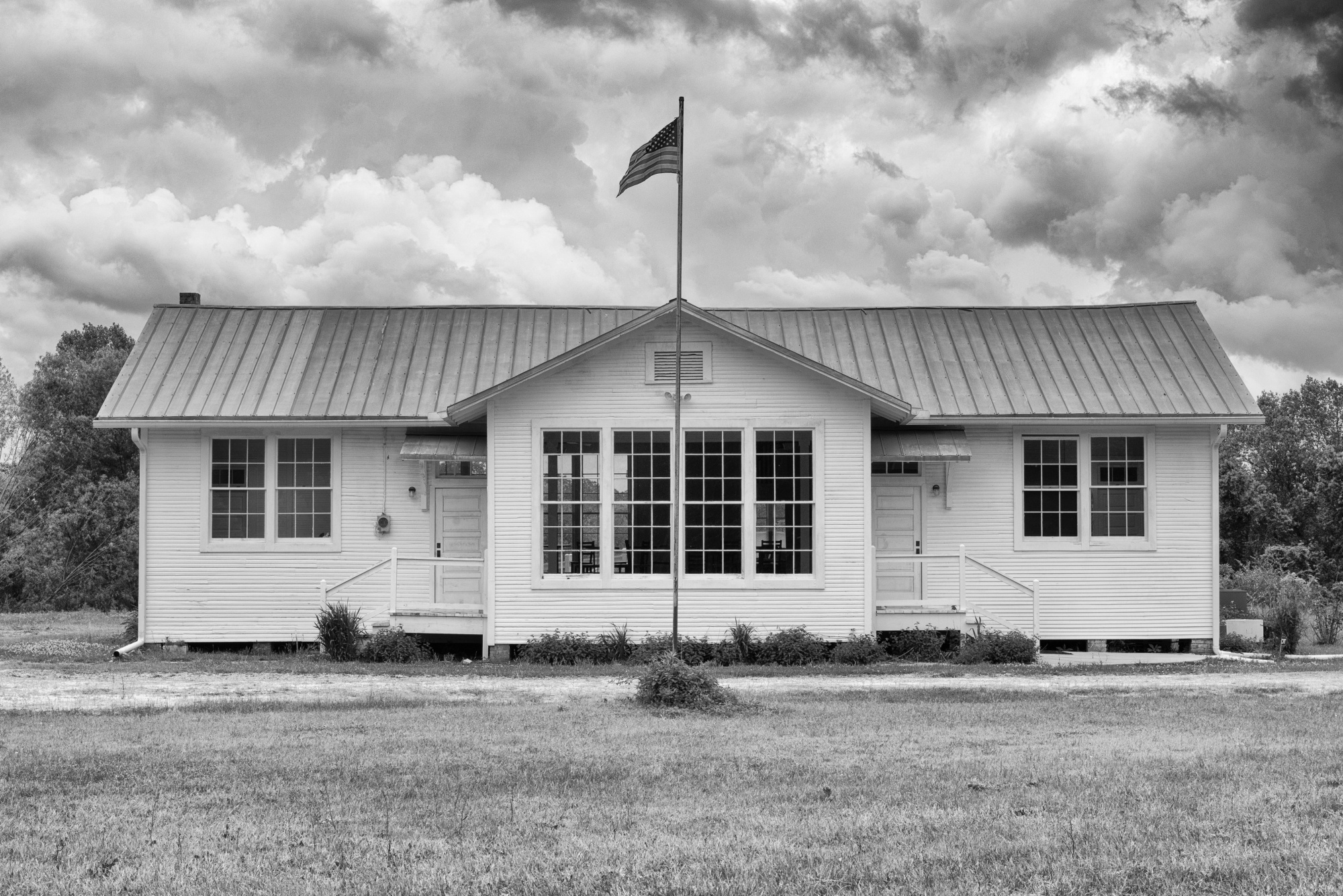
Photographer: Andrew Feiler
This fully restored Rosenwald School in Forrest County, Mississippi, is one of about 500 such structures that remain (this one’s now a community center). During segregation, thousands of Rosenwald Schools educated rural Black kids — a reminder of the importance of education for social mobility, Alexandra Lange writes. Lange visited an exhibit on the schools at the National Building Museum in Washington, DC, and writes about efforts to establish a multi-site national historic park to commemorate them. The Right Kind of Wrong“One of the best things that you have to be, in order to be a great mayor, you have to be a great thief.” Brandon Scott Mayor of Baltimore While in Madrid for the Bloomberg CityLab conference, the mayor spoke to the Odd Lots podcast about everything from tackling the city’s vacant lots to sharing (and stealing) ideas between mayors. Mass Fare$105 The new round-trip price to take New Jersey Transit from New York’s Penn Station to MetLife Stadium during the World Cup. The transit agency reduced the price from $150 after backlash. Rides typically cost about $13. What We’re Taking InNew Orleans has already reached the “point of no return” on sea level rise and the process of relocating people should start now, warns a harrowing new academic paper. (Guardian) Mexico City is sinking nearly 10 inches a year. It’s so dramatic you can see it from space. (Associated Press) In Firozabad, India, some 1 million people rely on glassmaking for their livelihoods. Fuel prices are imperiling businesses already under strain. (New York Times) Airbnb hosts prepped their homes for a World Cup windfall. They’re still waiting.(Wall Street Journal) The Massachusetts governor has a proposal to regulate higher-speed motorbikes and scooters. (Streetsblog Massachusetts) Before You GoHave something to share? Email us. And if you haven’t yet signed up for this newsletter, please do so here. More from Bloomberg
Explore all Bloomberg newsletters. We’re improving your newsletter experience and we’d love your feedback. If something looks off, help us fine-tune your experience by reporting it here. Follow Us
You received this message because you are subscribed to Bloomberg’s CityLab Weekly newsletter. If a friend forwarded you this message, sign up here to get it in your inbox.
|





An expensive burglary
South Africa’s president faces toughest test yet over dollars stuffed in his sofa ...