| Read in browser | ||||||||||||||

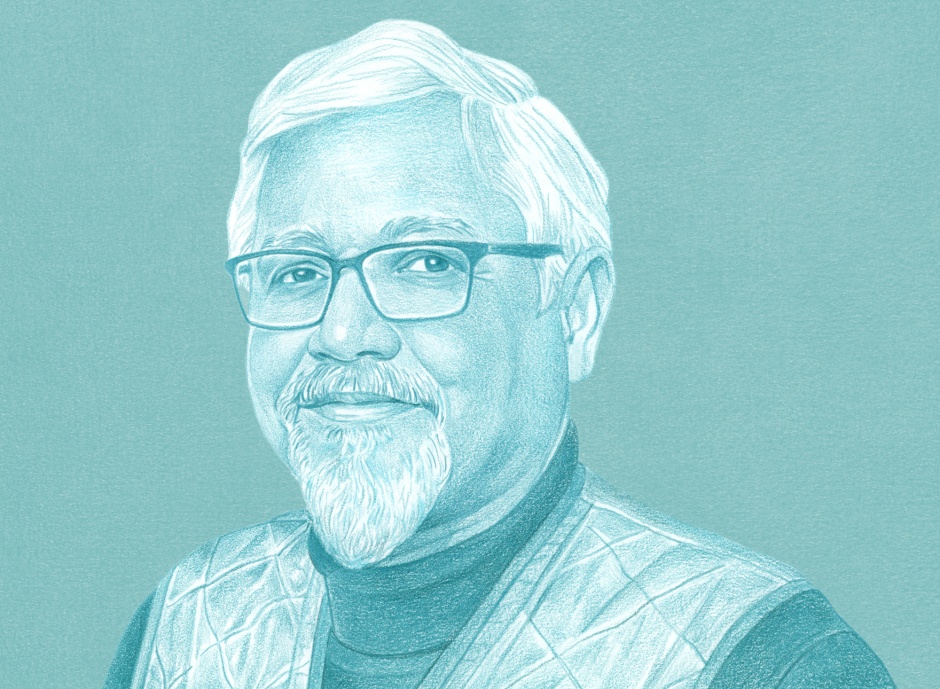
Welcome to the weekend! Hear ye, hear ye: Big watches are out, small watches are in. Which familial word is used to describe these tiny timepieces once seen as outdated? Find out with this week’s Pointed quiz. This weekend we look at India’s diplomatic whiff, check in with humans named Claude, consider betting on a Kentucky Derby longshot, and lament having to stay hot into our 60s. Watch Bloomberg This Weekend, airing from 7-10 a.m. ET on Bloomberg TV, YouTube and wherever you get your podcasts. Don’t miss tomorrow’s Forecast on the moral quandary of gerrymandering. For unlimited access to Bloomberg.com, please subscribe! The Cost of ControlWhen JD Vance said that US-Iran talks had collapsed because Tehran wouldn’t rule out a bomb, he also underscored the logic behind that stance by praising Pakistan — a country that defied arms-control efforts to build its own arsenal. Nuclear powers have largely avoided full-scale invasions or decapitation strikes, and the experiences of Pakistan, India and North Korea give Iran more reason to seek a deterrent, Daniel Ten Kate writes. Nuclear deterrence may be having a moment, but so is the less cinematic idea of economic warfare. As the US and Iran turn the Strait of Hormuz into an economic chokepoint, attention is returning to Britain’s Handbook of Economic Warfare, a battered 1939 guide now held in the UK’s National Archives (there is no digital copy). Declassified in 1990, its 60 pages lay out a newly relevant playbook for destabilizing an enemy’s economy, Morgan Meaker writes. The battle over the Strait has reinforced how central fossil-fuel flows remain—a reminder that the climate crisis is as geopolitical as it is scientific. That tension runs through Ghost-Eye, a new novel by Amitav Ghosh, which follows a child who unsettles her vegetarian family by claiming a past life eating fish. “I have to create a little bubble of tranquility in order to be able to write,” Ghosh tells Mishal Husain. “That’s becoming harder and harder.” Nothing bursts a bubble of tranquility quite like getting older. As longevity culture embraces “healthspan,” what middle age looks like is changing thanks to everything from skincare to surgery. The shift may be most pronounced for men, who have long been held to lower standards of upkeep. But is staying hot into your 60s all it’s cracked up to be? Chris Rovzar considers his own “hotspan,” and finds the road to retirement may be paved with macros, not margaritas. Spring Sale: Save 60% on your first year Get the numbers behind the narratives. Enjoy unlimited access to Bloomberg.com and the Bloomberg app, plus market tools, expert analysis, live updates and more. Offer ends soon. Unlock 60% offOn the Ground With...Humans named Claude 
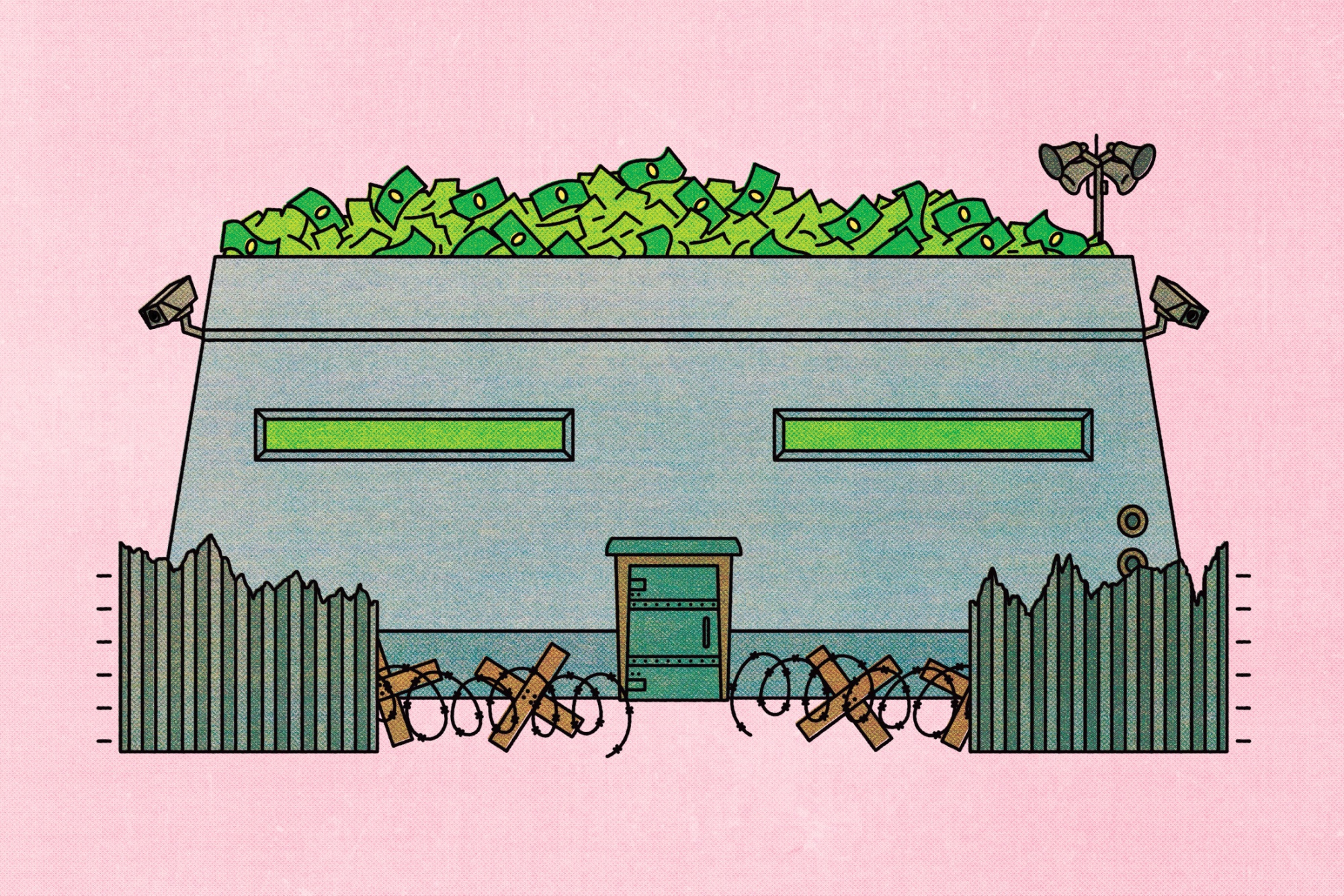
Illustration: David Huang For Bloomberg
Kentucky Derby betters 
Photographer: Martin Gee
Conversation StartersAre parents being lazy about toilet training? Roughly 26% of 4-year-olds in England aren’t trained when they start school; 70 years ago, most were by 18 months. “Culturally, we’ve slipped,” says the materials scientist behind a University College London initiative called the Big Toilet Project. The $1 million retirement goal is a myth. It’s simple, memorable — and increasingly useless. As pensions have disappeared and inflation, longevity and economic uncertainty reshape the math, the level of savings Americans need to retire can no longer be captured by a single number. Central banks may not control inflation anymore. For decades, low inflation looked like a policy win. But it may have been a demographic fluke: Aging populations and shrinking workforces could soon push up wages and demand — and prices — no matter what policymakers do. The House Wins“I felt like a rat that needed to come back and keep playing.” Sandra Logan Hooked on DoubleDown Casino Social casino apps — slots with virtual coins — generate more than $11 billion a year, driven by heavy spenders who struggle to stop. As lawsuits expose the industry, emails show companies are targeting “whales” and a blurring the line between entertainment and gambling. Is It Worth It?Ketamine treatment: Ask your doctor. J&J leveraged insurance to turn Spravato into a $1.7 billion blockbuster depression drug that’s proven life-changing for some patients. A ¥3,300 tempura assortment at Ginza Shiraishi Bettei: Yes. Simple preparations showcase the pristine freshness of the fish, making this one of Tokyo’s best restaurants. The NBA draft: Maybe not. The current system rewards losing, with teams tanking for better odds at top picks. Scrapping it could curb that incentive, though it risks concentrating talent. Joining a Mahjong night: Yes. From Beverly Hills clubs to New York bars, a once-familial game is becoming a modern “third place,” drawing crowds for hours of play and connection. Movie-projecting headlights: What could go wrong? Chinese carmakers are turning headlights into 100-inch projectors that can also beam navigation cues onto the road. A Thai cheesesteak: Definitely. A new wave of Thai restaurants is pushing beyond curries and noodles, layering Thai flavors onto everything from barbecue to cheesecake. 
Source: Thai Diner
On the BooksAs high rates and tight supply warp the housing market, bidding wars and desperate schemes are spilling into fiction. Check out these three thrillers where real estate is the villain.

What Everyone’s ReadingWhat everyone’s watching: Jane Street Is Taking Over Wall Street One Last ThingMore from BloombergEnjoying Bloomberg Weekend? Check out these newsletters:
Explore all newsletters at Bloomberg.com. We’re improving your newsletter experience and we’d love your feedback. If something looks off, help us fine-tune your experience by reporting it here. Follow Us
You received this message because you are subscribed to Bloomberg’s Bloomberg Weekend newsletter. If a friend forwarded you this message, sign up here to get it in your inbox.
|







Beacon no more
Milei risks becoming one conservative leader among many ...