| Read in browser | ||||||||||||||

India is among the most vulnerable countries on a warming planet. By one measure, the nation is home to all 50 of the world’s hottest cities. Today’s newsletter looks at how India is struggling with yet another scorching summer, on top of energy shortages caused by the Iran war. Plus, a new fund for battery investments in Europe. Subscribe to Bloomberg for unlimited access to all our stories. Dangerous heatBy Rajesh Kumar Singh and Pratik Parija India is preparing for a blistering summer until monsoon rains arrive in June, with above-normal heat already straining power grids at a time when the country is grappling with energy shortages. 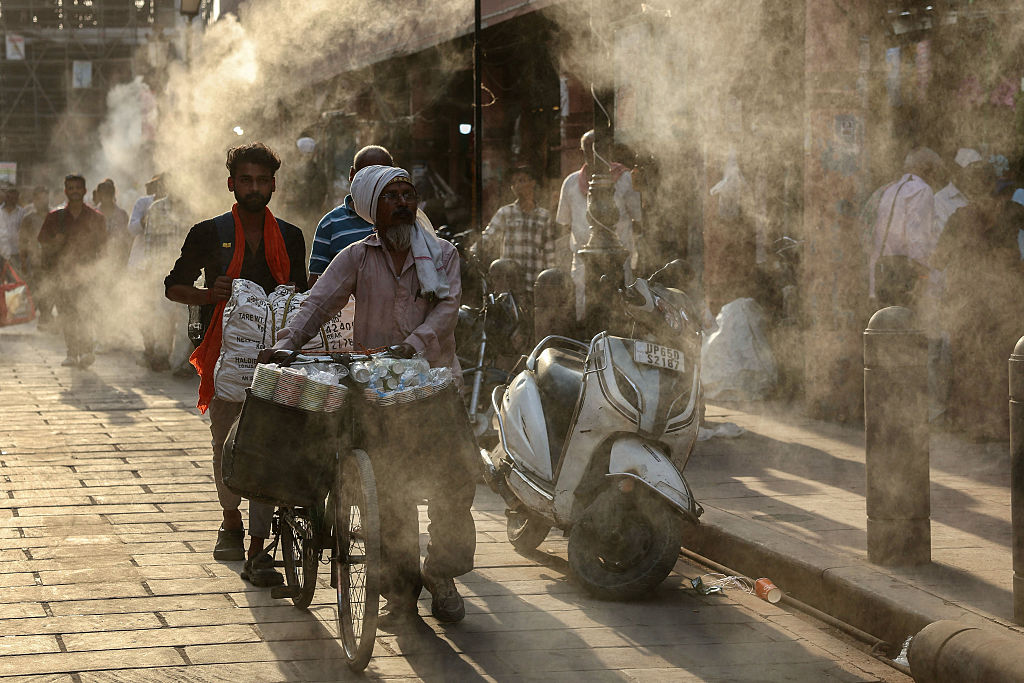
Water sprinklers cool people on a hot day in Varanasi in April.
Photographer: Nitharika Kulkarni/AFP/Getty Images
Heat waves are forecast to persist for longer than usual in densely populated states of western and eastern India, the country’s weather forecaster said on Friday. Areas like Gujarat, Maharashtra and parts of the foothills of the Himalayas will see more days of unusually high temperatures in May — typically the peak of the pre-monsoon summer. Other regions will also witness heat wave days but for shorter periods, the India Meteorological Department said in a briefing that overall predicted normal to below-normal maximum temperatures for this month. It had earlier forecast a higher than usual number of heat days for May and June. 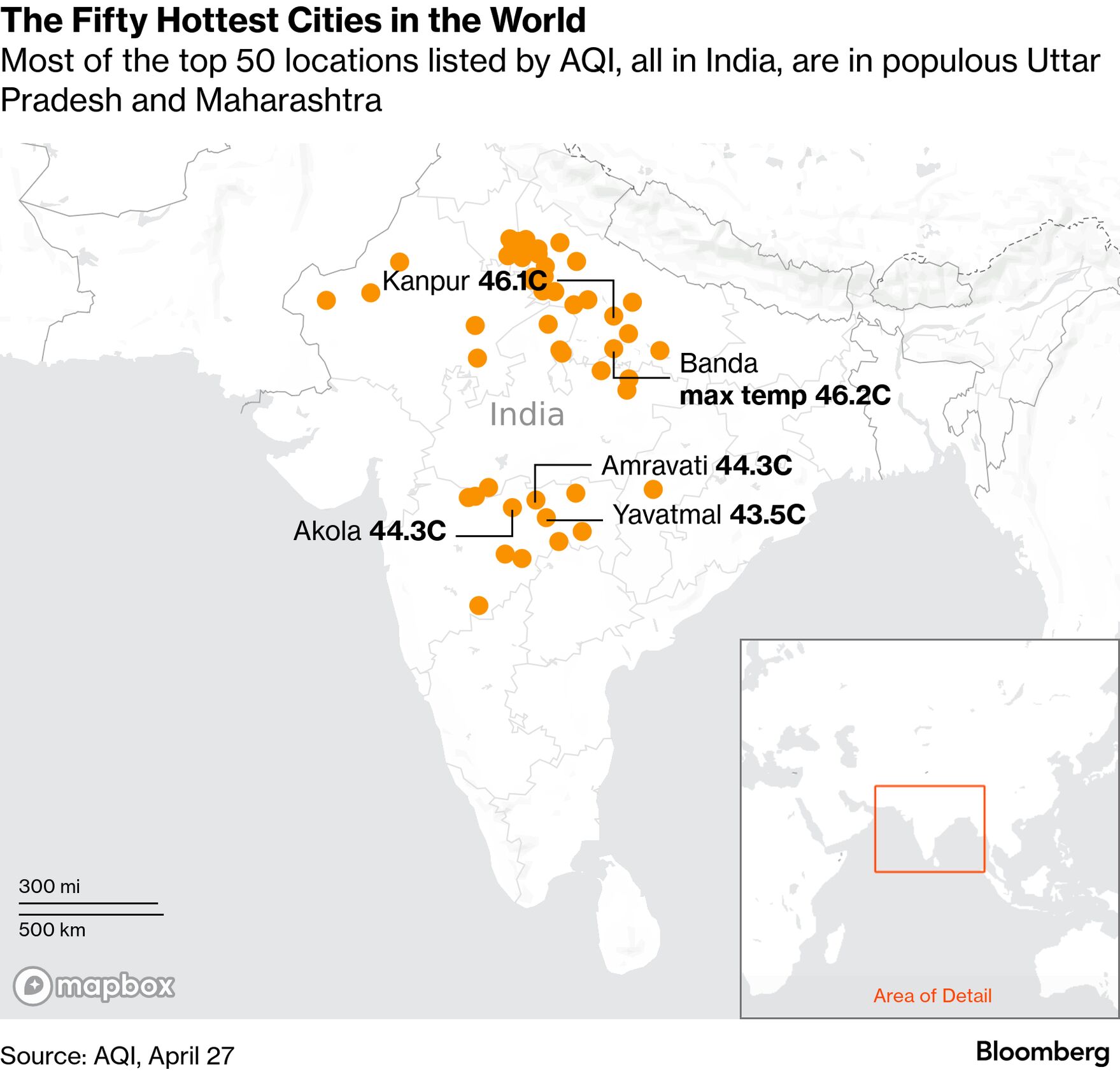
The news will bring scant relief to a country struggling to cope under the combined pressure of warmer-than-usual April days and the fallout from the war in the Persian Gulf. With vital energy suppliers cut off from world markets, India has been left short of crude, liquefied natural gas and liquefied petroleum gas, used for cooking. Data from digital air-quality monitoring platform AQI earlier this week showed that every one of the 50 hottest cities in the world were in India. “India occupied the entire list, from rank 1 to rank 50,” AQI said in a report. “This is not a normal April. And it demands a serious, data-grounded reckoning.”
Read more
Too hot to work$250 billion How much the McKinsey Global Institute estimates India’s economy could lose because of reduced productivity due to heat. Standing by“We still have the ability to manage this, but we’re not managing it” Daniel Swain Climate scientist in the University of California’s Agriculture and Natural Resources division Last year was the third hottest on record, just behind the second-hottest year, 2023, and the hottest, 2024. Buying batteriesBy Coco Liu Gresham House plans to raise a fund targeting roughly €1 billion ($1.2 billion) to give investors access to the growing market for battery-storage systems, according to a person familiar with the matter. 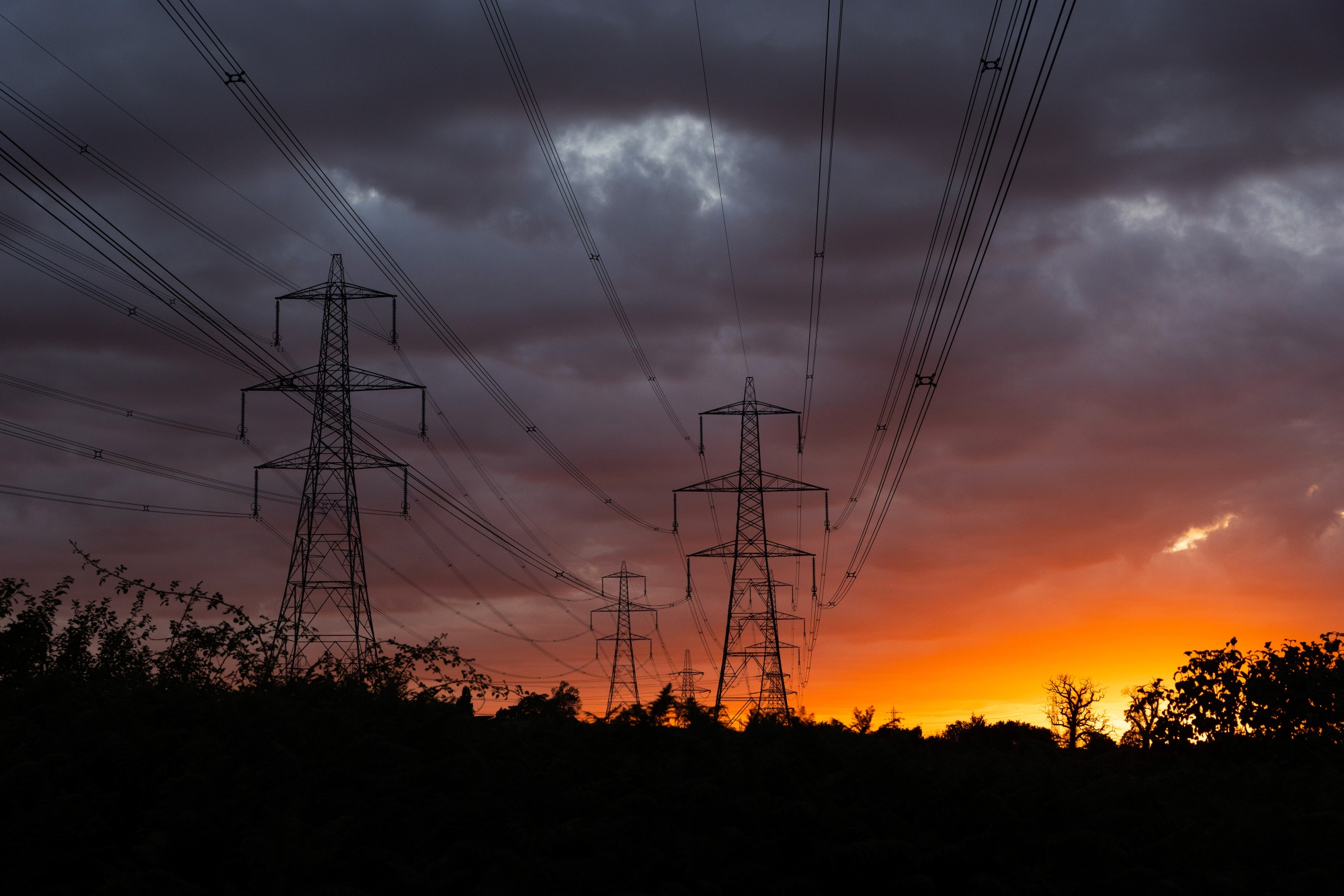
Electricity pylons in the UK.
Bloomberg
The London-based alternative asset manager intends for the fund to focus on battery investments in Europe, the person said, declining to be identified discussing non-public information. The goal will be utility-scale battery deployment, the person said. A spokesperson for Gresham House declined to comment. With the cost decreasing sharply in recent years, battery storage has emerged as a critical technology to ease pressure on Europe’s ailing power grid as the region ratchets up its build-out of renewables. A shortage of storage capacity is forcing the European Union to look for ways to curb supply, with Germany alone set to spend as much as €3.7 billion this year on power curtailment.
Read more
This week’s ZeroWe are living in an increasingly divided world. It took two decades to get to the Paris Agreement, and then global cooperation really lasted only for a decade. One key reason for this fragmentation is US President Donald Trump, who has taken an axe to the rules-based international order that America helped build. This week on Zero, Gordon LaForge, senior policy analyst at think tank New America, tells Akshat Rathi what comes next, and how progress can still be made on climate. Listen now, and subscribe on Apple, Spotify or YouTube to get new episodes of Zero every Thursday. More from Bloomberg
Explore all Bloomberg newsletters. We’re improving your newsletter experience and we’d love your feedback. If something looks off, help us fine-tune your experience by reporting it here. Follow Us
You received this message because you are subscribed to Bloomberg’s Green Daily newsletter. If a friend forwarded you this message, sign up here to get it in your inbox.
|




Beacon no more
Milei risks becoming one conservative leader among many ...