| Read in browser | |||||||||||||||||||||||||||||

Good morning. OpenAI hits back at missed goals talk. AI trading bots are becoming a thing. And Bolivia seeks a $3 billion tourism boost to revive its crumbling economy. Listen to the day’s top stories. — Angela Cullen
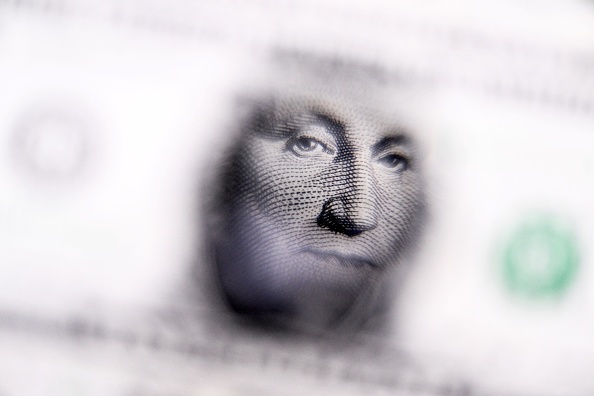
OpenAI CFO Sarah Friar hit back at talk the company is missing internal sales and user targets. The AI giant sees a “vertical wall of demand,” she said, after a WSJ report about missed internal goals pressured AI-linked stocks earlier this week. Heading into week’s end, US equity futures are signaling a pause in the rally that’s powered Wall Street gauges to record highs on strong Big Tech earnings. Oil was set for a second weekly gain as President Donald Trump said he was sticking with a naval blockade of Iranian ports and was briefed on further military options. Trump wants Iran to abandon its nuclear ambitions but the examples of North Korea and Pakistan may actually be strengthening Tehran’s incentives to build a bomb. Payday. Elon Musk’s first compensation figure after Tesla shareholders approved his moonshot pay package is in, and it’s a doozy: $158 billion. Not quite Musk-level, but Jane Street’s journey to the top of Wall Street has also been a lucrative ride for its workforce. The firm doled out $9.38 billion in compensation last year, more than double the 2024 amount, people familiar said. That equates to $2.68 million per employee—almost seven times as much as Goldman Sachs paid. Creaking debt. The US credit rating is under pressure from a widening deficit, with debt “far above” its peers, Fitch warned. It expects further fiscal deterioration in 2026, driven by tax cuts, but plus-points include the dollar’s role as the global reserve currency, a large and dynamic economy and the depth and liquidity of capital markets.  
Author Amitav Ghosh has built a global following with novels that draw on historical research. His latest is Ghost-Eye, and it’s deeply personal, as he discusses with Mishal Husain.
Wall Street executives and New York’s elite are uniting behind Ken Griffin after Mayor Zohran Mamdani singled out the Citadel CEO’s property in his push for a new tax on pricey second homes, even billionaires sympathetic to Democrats. Galaxy Digital founder Mike Novogratz, who supports progressive causes, said the rich should pay more tax but targeting Griffin was “snarky.” “When you demonize the rich, they’re a whole lot less willing and desiring to help.” Coming soon: Get the AI Today newsletter—chronicling the disruptions and threats of AI on businesses, workers, governments and economies with analysis from Bloomberg’s global newsroom. Spring Sale: Save 60% on your first year Get the numbers behind the narratives. Enjoy unlimited access to Bloomberg.com and the Bloomberg app, plus market tools, expert analysis, live updates and more. Offer ends soon. Unlock 60% offDeep Dive: The Lure of AI Trading Bots
Jake Nesler experiments with using his AI trading bot.
Photographer: Rachel Wisniewski/Bloomberg
Across equities, crypto and prediction markets, a growing legion of retail traders are training AI agents to buy and sell assets on their behalf. It’s the logical next step for a generation who came of age on apps like Robinhood.
The Big Take
Photographs by George Etheredge and Clark Hodgin
J&J has turned ketamine into a $1.7 billion depression drug, paving the way for a new generation of psychedelic therapy. Rivals like AbbVie are waiting in the wings. Opinion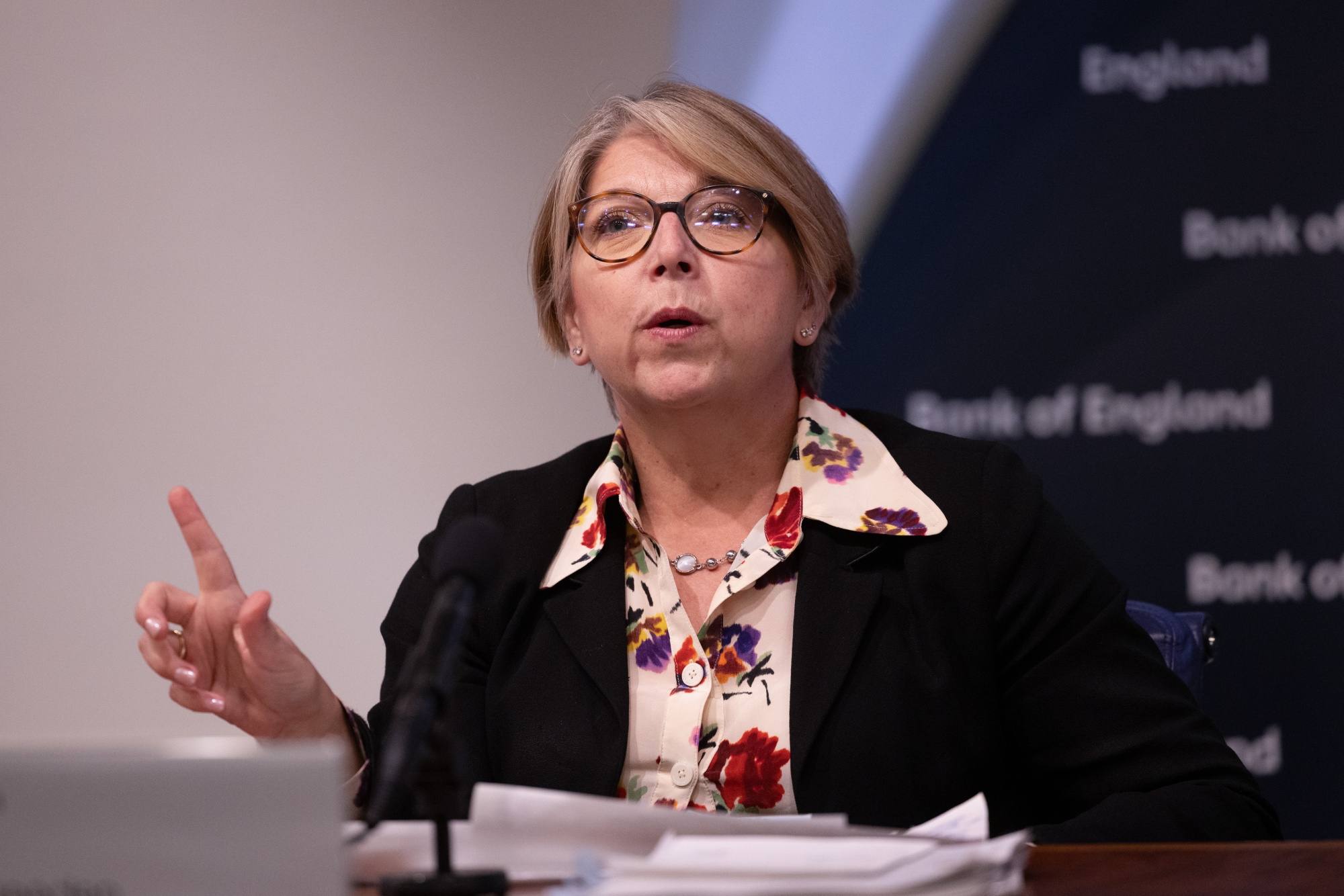
Sarah Breeden, deputy governor for financial stability at the Bank of England.
Photographer: Chris Ratcliffe/Bloomberg
Central bankers should avoid explicit predictions on stocks or credit, as such remarks often misfire, Marcus Ashworth writes. They should remember Alan Greenspan’s famous warning about “irrational exuberance”—which was followed by another three years of markets continuing to surge. More Opinions Play Alphadots!Our daily word puzzle with a plot twist. 
Today’s clue is: Elite eight Before You Go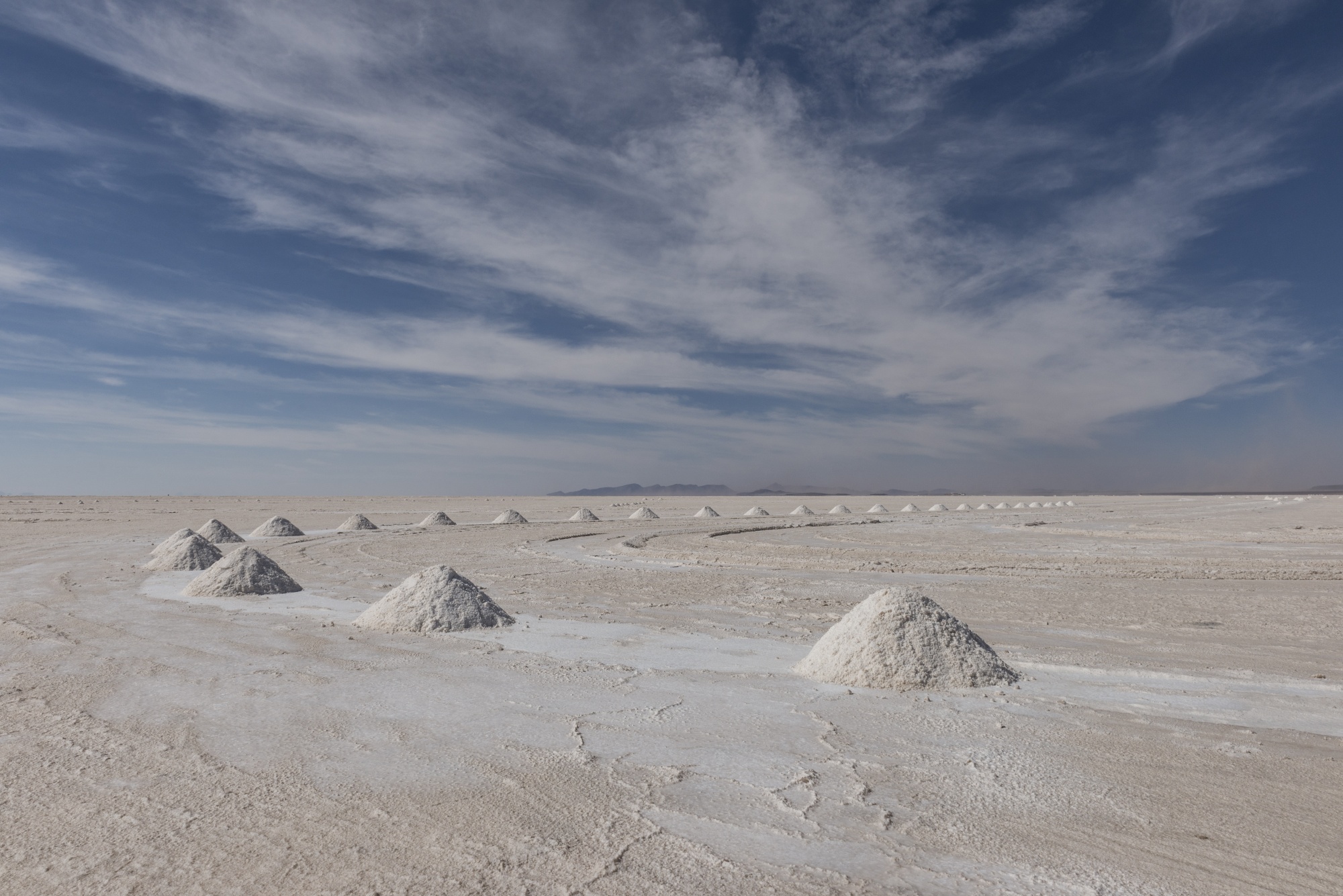
The Salar de Uyuni—a massive salt flat that holds one of the world’s biggest lithium deposits. Photographer: Marcelo Perez del Carpio/Bloomberg
Bolivia is turning its natural riches into a tourism draw—and a way to attract hard currency. Beyond the dazzling Salar de Uyuni, there’s historic Potosí and elegant Sucre, not to mention the Tarija wine region, La Paz’s dramatic canyon setting, nearby Lake Titicaca, and Rurrenabaque, the gateway to the Amazon and Madidi National Park. The challenge is getting there. A Few More More From BloombergEnjoying Morning Briefing Americas? Get more news and analysis with our regional editions for Asia and Europe. Check out these newsletters, too:
Explore all newsletters at Bloomberg.com. We’re improving your newsletter experience and we’d love your feedback. If something looks off, help us fine-tune your experience by reporting it here. Follow Us
You received this message because you are subscribed to Bloomberg’s Morning Briefing Americas newsletter. If a friend forwarded you this message, sign up here to get it in your inbox.
|
|||||||||||||||||||||||||||||









Highlights from Bloomberg CityLab 2026 in Madrid
The conference kicked off with remarks from the mayors of Madrid, London and more. ...