| Read in browser | ||||||||||||||

The Fed left interest rates unchanged today, but that was hardly the only news out of Jerome Powell’s press conference. Bloomberg News reporter Enda Curran in Washington explains. Plus: A primer on humanoid robots, and a look at North Korea’s nuclear arsenal. If this newsletter was forwarded to you, click here to sign up. Federal Reserve watchers are going to need more popcorn. Just when it seemed as if the drama around the US central bank was calming down, as Kevin Warsh nears his confirmation as the next Fed chair, along comes news that policymakers are deeply divided about where interest rates are headed. Although officials agreed on Wednesday to leave rates unchanged, three of them objected to language in their post-meeting statement that suggested the Fed would eventually resume cutting rates. One, Governor Stephen Miran, dissented in favor of a quarter-point reduction now. 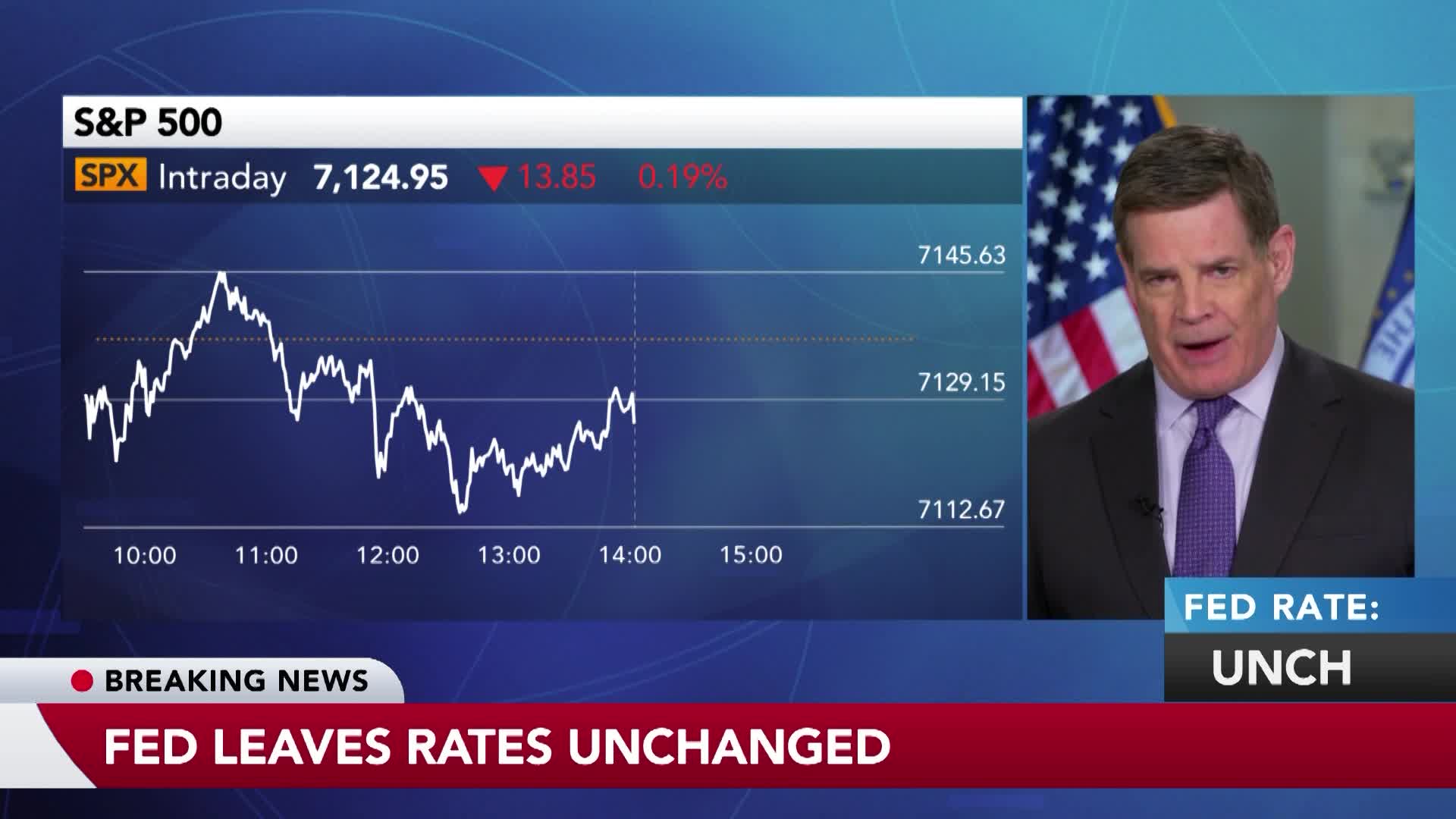 
Watch: Fed Leaves Rates Unchanged, Four Officials Dissent
That matters because President Donald Trump has attacked the central bank for not bringing down interest rates quickly enough. Economists caution that inflation remains too high to warrant lower borrowing costs. The confusion is partly driven by the fallout from the war in Iran, which officials blamed for “contributing to a high level of uncertainty about the economic outlook.” That’s Fed-speak for: “We have no idea how this plays out, but right now, everybody should forget about a rate cut.” That’s just one of the subplots in the great Fed drama right now. Others include the attempted dismissal of Fed Governor Lisa Cook, a Department of Justice criminal investigation into allegations of overspending on the central bank’s headquarters, and a relentless stream of attacks and threats from Trump that have threatened its independence. Last week the Justice Department said it would drop the criminal investigation, but it warned that it could reopen that probe at some point. Powell said on Wednesday the possibility of that happening means he will have to remain at the central bank until the investigation is fully wound up. “After my term as chair ends on May 15, I will continue to serve as a governor for a period of time to be determined,” Powell said at his news conference after the policy decision. His seat on the Board of Governors doesn’t expire until 2028. 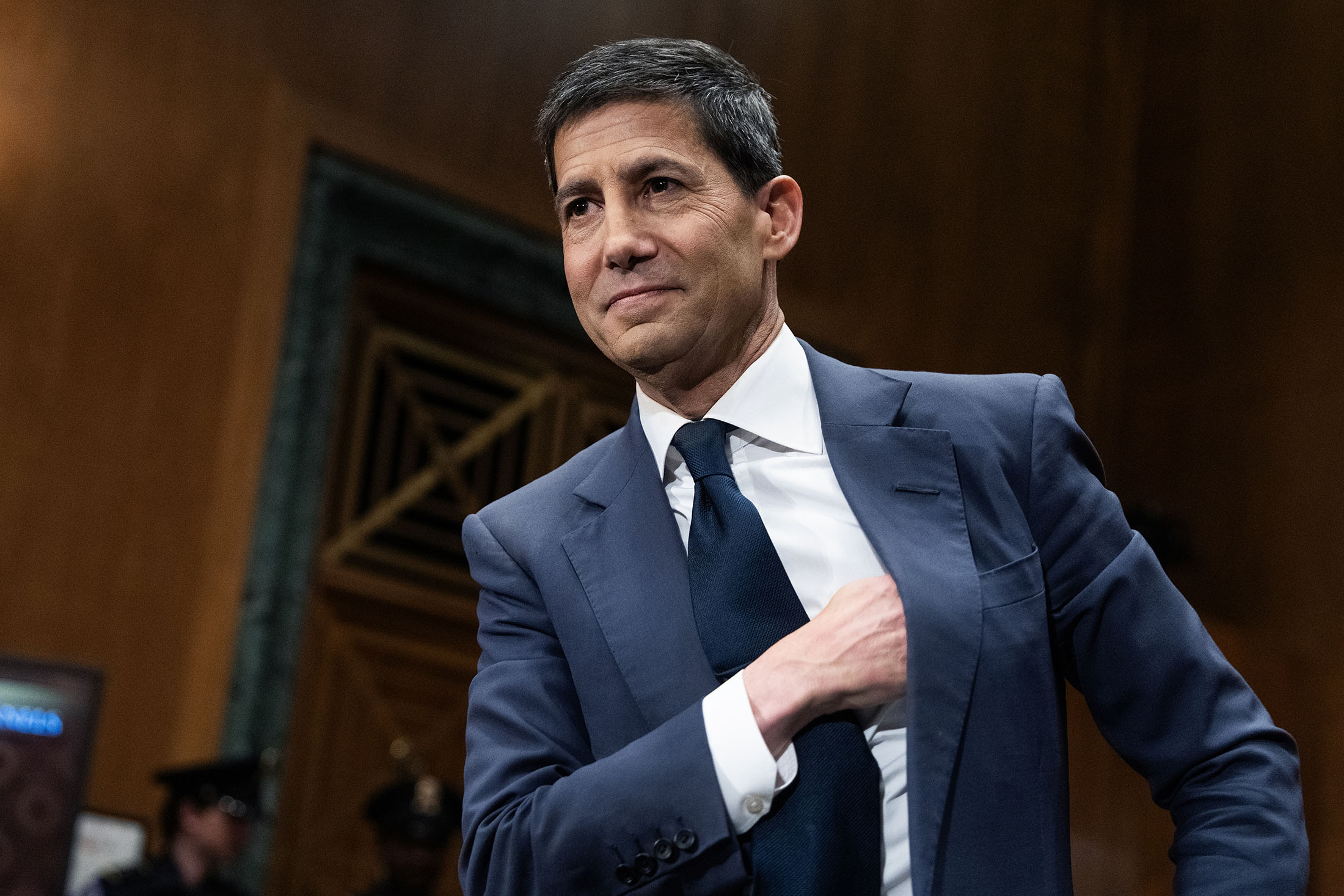
Warsh during a Senate committee hearing on April 21.
Photographer: Tom Williams/CQ-Roll Call/Getty Images
Still, Powell was at pains to avoid any accusations of having “two popes” at the Fed, and stressed that he will leave when he feels it is appropriate to do so. “I plan to keep a low profile as a governor,” Powell said. “There is only ever one chair of the Federal Reserve Board. When Kevin Warsh is confirmed and sworn in, he will be that chair.” Powell congratulated his presumed successor and seemed almost relieved to hand over the baton amid the Fed’s biggest political drama in decades. “I wish him well,” Powell said. Previously in Businessweek: Kevin Warsh Pitches a More Insular Fed In Brief
The Hype, and Reality, of Robots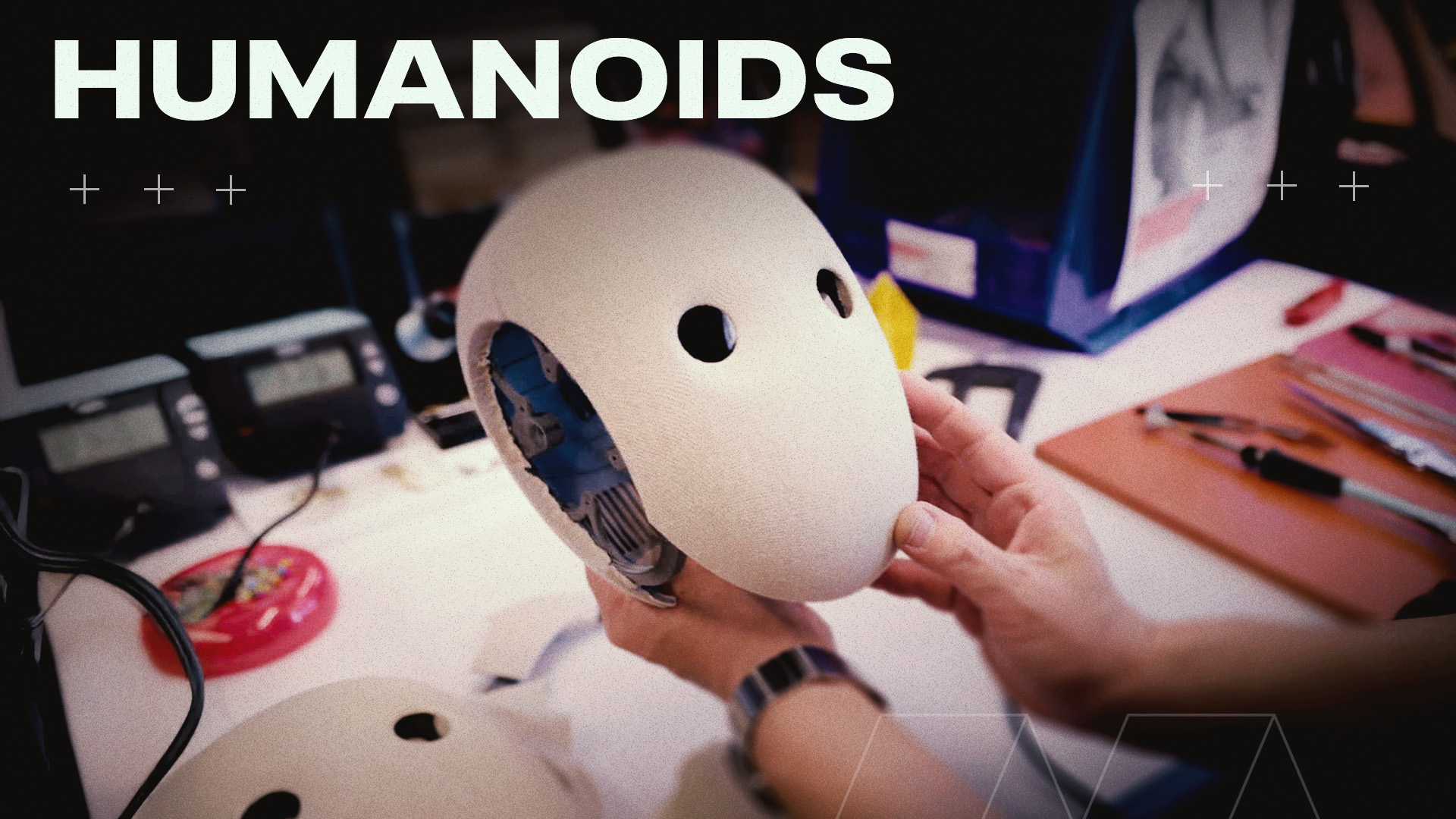
Watch: The Race to Merge AI With Humanoid Robots
Humanoid robots, or bipedal machines powered by software, are emerging as one of the more tangible outputs of the artificial intelligence revolution. The growing obsession with them is easy to explain: They look like us, move like us and—increasingly—can learn like us. That makes them the ultimate general-purpose machine for factories, warehouses and eventually your home. But unlike traditional industrial robots, which are fixed and specialized, humanoids promise flexibility: one machine, many tasks. And of course, after more than a century of science fiction about their imminent arrival, they capture the imagination. On this episode of Bloomberg Primer, join us to walk alongside them as they begin to enter our world. Big Tech Earnings80 seconds That’s how long it may take four of the biggest companies in the US—Alphabet, Amazon, Meta and Microsoft—to report earnings after trading ends on Wednesday. If they hit at the same time they did last quarter, it will all play out in a rapid-fire reading that will have far-reaching implications. North Korea’s Nukes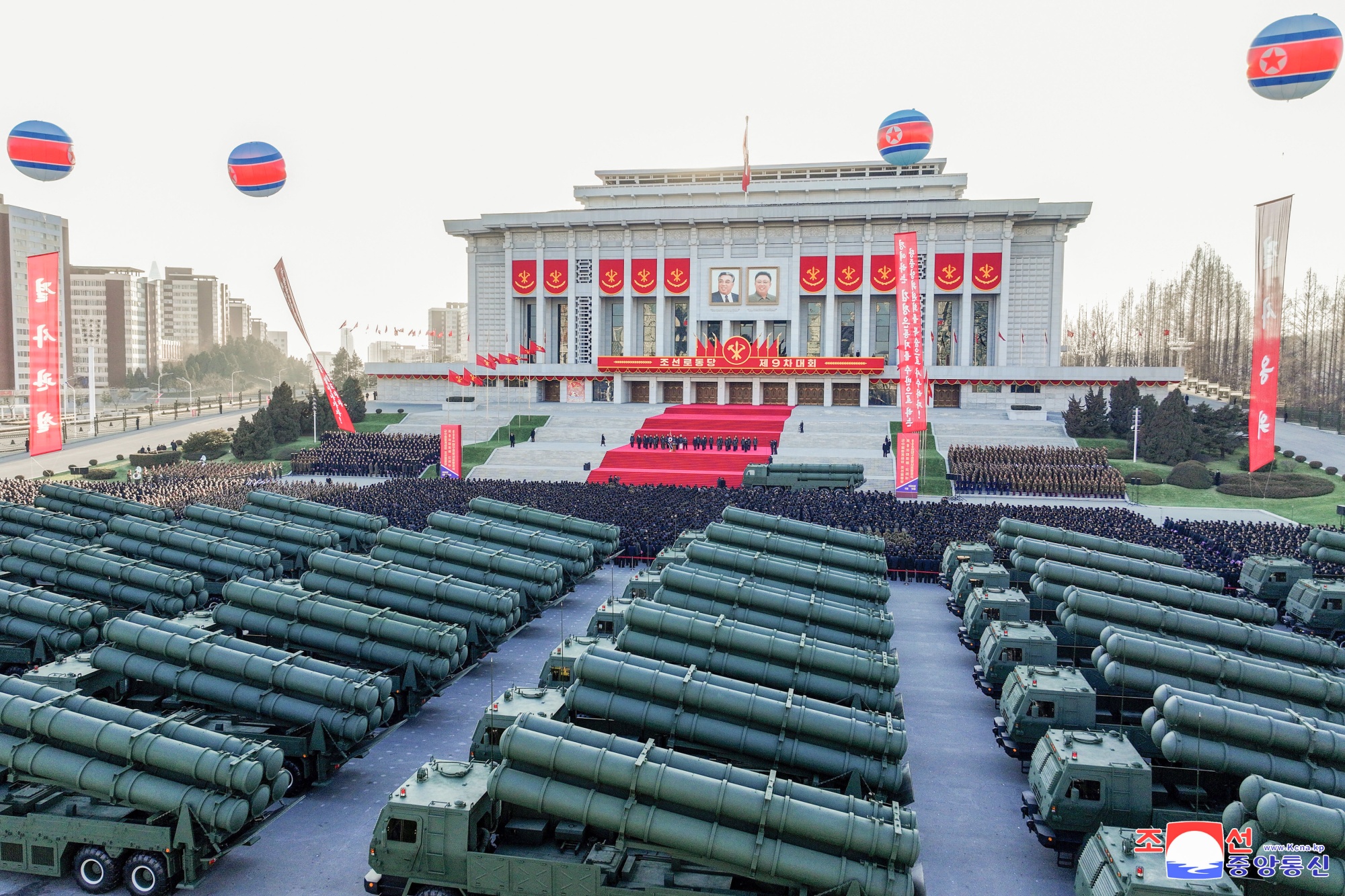
A photograph provided by North Korean state media shows the country’s leader Kim Jong Un at a military ceremony in Pyongyang, North Korea, on Feb. 18.
Source: Korean Central News Agency/Korea News Service/AP
North Korea’s nuclear arsenal is nearing a crucial tipping point: being big enough to possibly overwhelm the ground-based missile defenses the US spent billions developing over the last 30 years. South Korean President Lee Jae Myung said in late January that Pyongyang can now produce enough weapons-grade material for up to 20 nuclear weapons a year—putting it on a trajectory to rival France’s stockpile over the next decade, in size if not sophistication. Building or enhancing facilities that produce fissile material may accelerate that expansion further even as the country works on new delivery methods. Read today’s Big Take to see what that means in charts. Or listen to the podcast. Opting Out“I’m literally a nurse. I wish we were given some benefit from the healthcare that we do have to work for.” Jessica Balcerzak 33-year-old who works for a hospital in Buffalo, New York The very people that employers rely on to pay into plans and keep them afloat are starting to opt out due to soaring costs. Play Alphadots!Our daily word puzzle with a plot twist. 
Today’s clue: Venue that facilitates drunk driving? More From BloombergLike Businessweek Daily? Check out these newsletters:
Explore all Bloomberg newsletters. We’re improving your newsletter experience and we’d love your feedback. If something looks off, help us fine-tune your experience by reporting it here. Follow Us
You received this message because you are subscribed to Bloomberg’s Businessweek Daily newsletter. If a friend forwarded you this message, sign up here to get it in your inbox.
|




Highlights from Bloomberg CityLab 2026 in Madrid
The conference kicked off with remarks from the mayors of Madrid, London and more. ...