| Read in browser | ||||||||||||||
Welcome to Balance of Power, bringing you the latest in global politics. If you haven’t yet, sign up here. For all the opportunities offered by artificial intelligence, from streamlined healthcare to humanoid robots, some big questions over its downsides won’t go away. Mounting evidence of entry-level roles being lost to AI. Rising concerns over data privacy and automated warfare. Widespread plagiarism of artistic content that is rendered into AI slop. White House-generated images of President Donald Trump as Jesus are probably not the best advertisement for AI’s promise. Then there’s the phenomenal energy needs of the data centers that are being rolled out to house the necessary computing power. 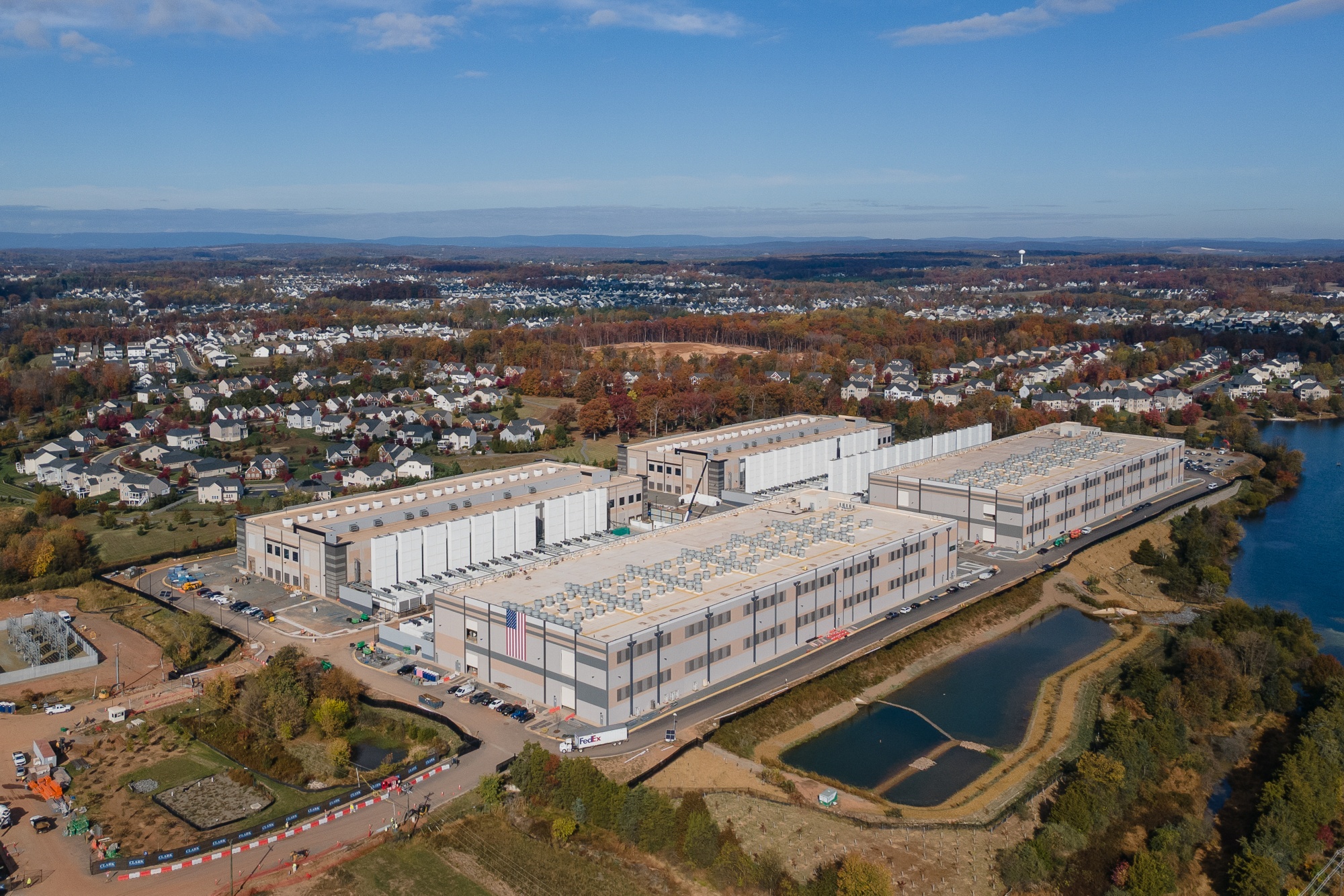
A Microsoft data center in Aldie, Virginia.
Photographer: Lexi Critchett/Bloomberg
In one of the most striking developments, Three Mile Island, the site of the most famous US nuclear accident, is coming back online to power chatbots and other AI applications — now rechristened as the Crane Clean Energy Center. Microsoft, meanwhile, sees its ambitious renewable-energy targets as a hurdle to its planned data-center buildout, so is weighing whether to delay or abandon them altogether, sources say. The amount of power consumed by US data centers alone is likely to more than double to 106 gigawatts through 2035, according to BloombergNEF, where a gigawatt can feed around 750,000 homes. This massive demand is already worrying governments desperate not to fall behind in the AI race, but just as anxious to keep voters onside. 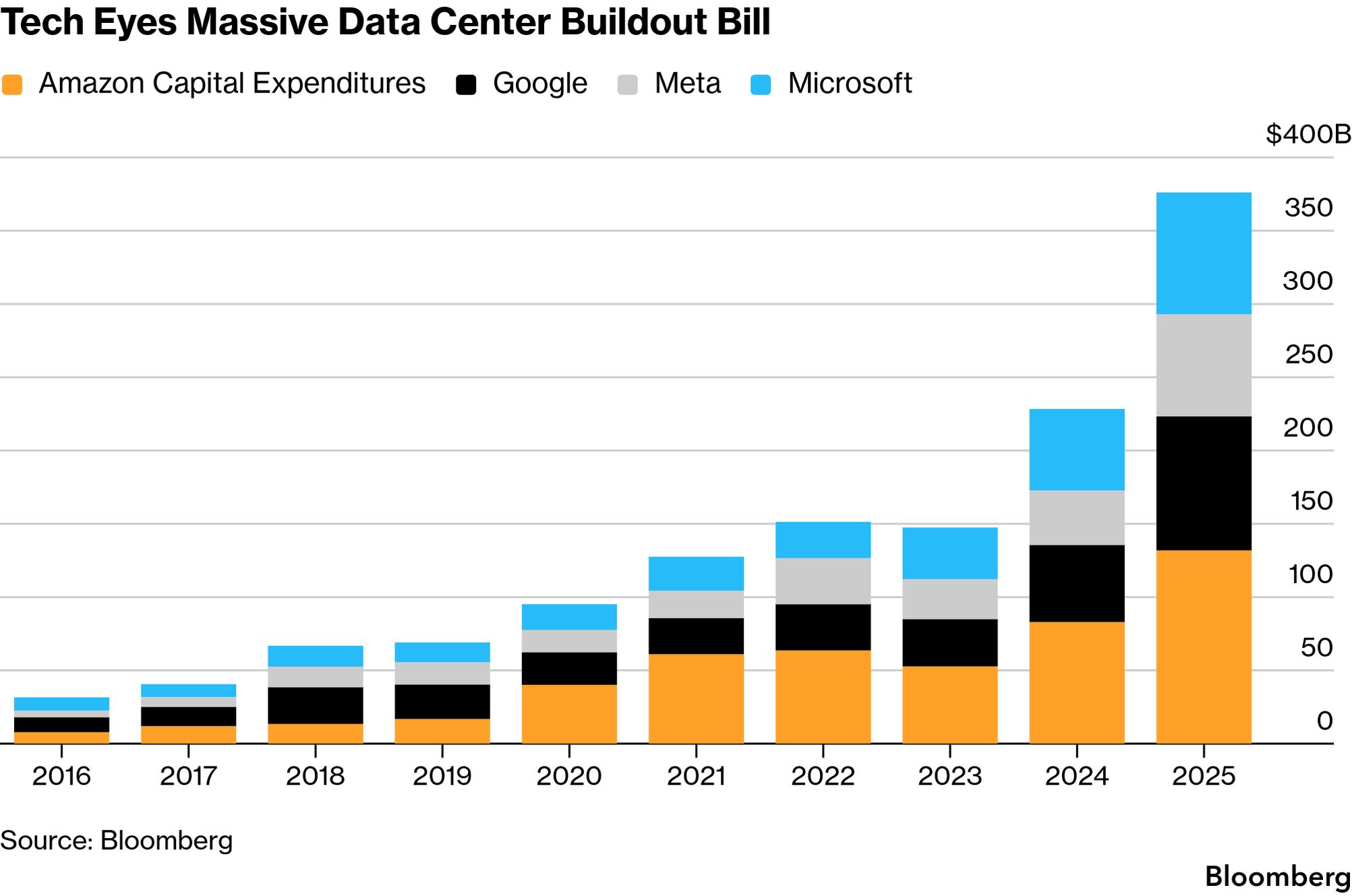
In Australia, the state of New South Wales — whose capital is Sydney — is conducting an investigation into the impact of new data centers on power, water and other resources. Britain’s AI minister hit out at OpenAI for halting a UK data-center project and blaming the decision in part on energy costs. Kenyan President William Ruto has suggested that the energy for a proposed facility exceeded the nation’s available resources. It’s said that advocates of artificial intelligence are losing the PR battle. The prospect of blackouts and higher bills doesn’t help AI’s cause. — Alan Crawford Global Must ReadsNigel Farage’s Reform UK racked up sweeping gains in the first counts in local elections as voters turned away from Prime Minister Keir Starmer’s governing Labour Party. With results due in throughout today, Starmer said he’d no plans to step aside as Labour leader. The outcome so far indicates a splintering of traditional political loyalties, with the Reform and Green parties making up ground on the right and left against the Conservative-Labour duopoly that’s dominated British politics for more than a century. 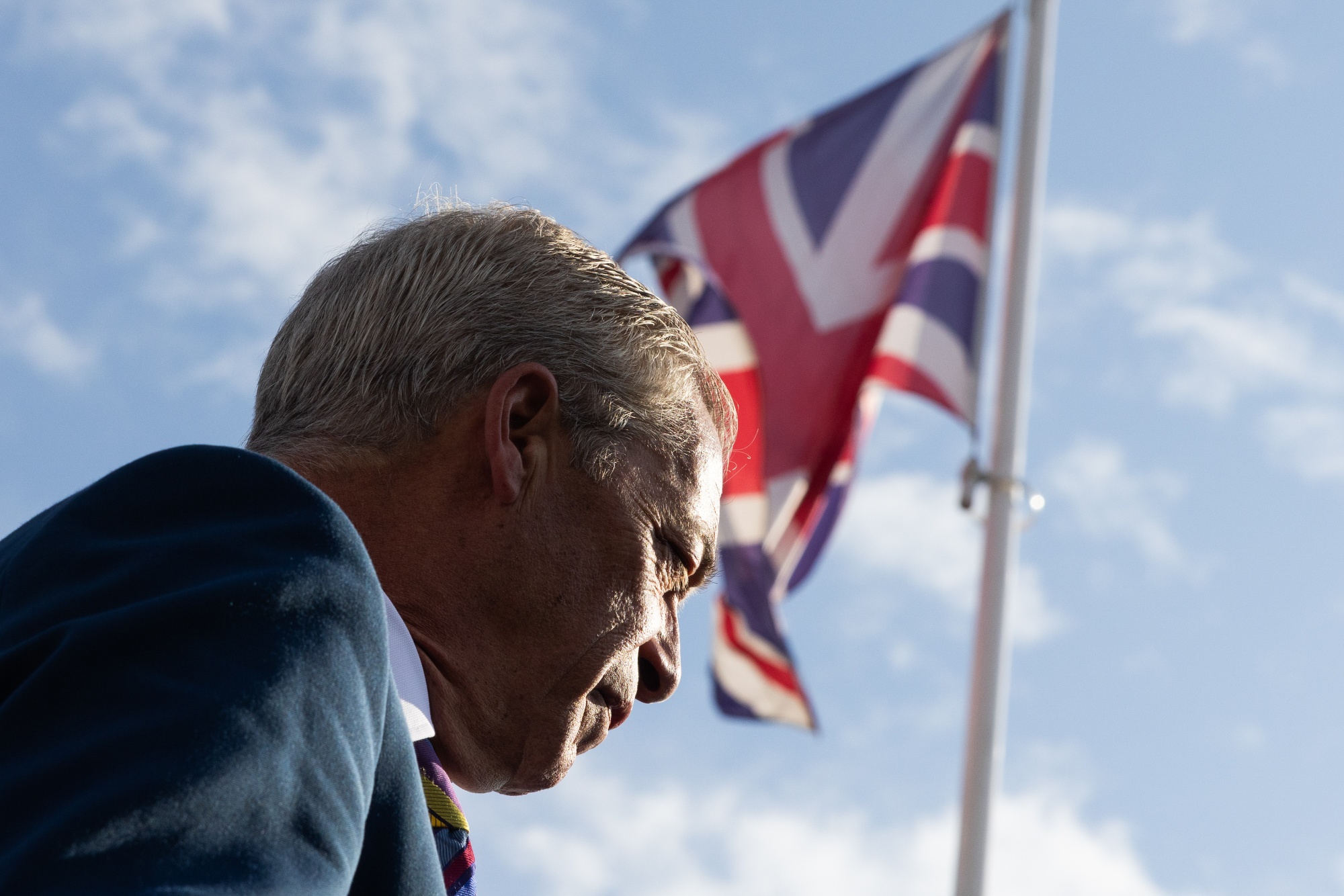
Farage outside Havering Town Hall today.
Photographer: Chris Ratcliffe/Bloomberg
Trump said the ceasefire with Iran was holding after the two sides clashed near the Strait of Hormuz, further straining efforts to being about a permanent end to the war. The strikes, and a threat by Trump to intensify attacks if Tehran refuses his terms, risk undermining talks over a US-proposed peace deal that Iran is expected to respond to via Pakistan in the next two days. Russians are growing gloomier about their prospects with Ukrainian drone attacks reaching deeper into the country and tighter restrictions on the internet triggering an eruption of public anger. So as Vladimir Putin prepares for his most downbeat Victory Day parade in years, even previously loyal commentators are turning their criticism toward the Kremlin. Meanwhile Kyiv’s chief negotiator, Rustem Umerov, is in the US for meetings with Trump’s envoys to reinvigorate stalled peace talks with Russia. 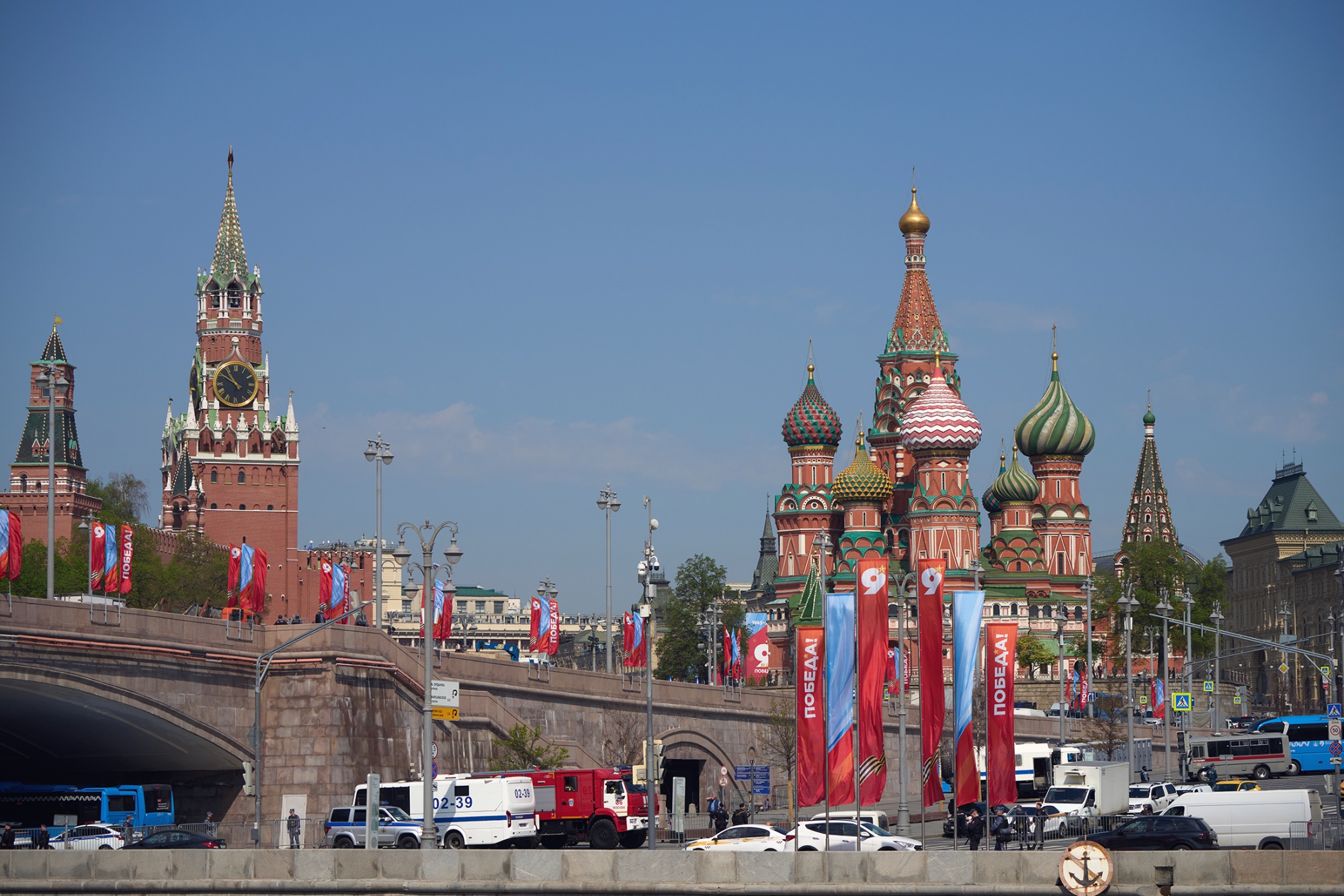
Security near Red Square yesterday ahead of the Victory Day parade in Moscow.
Photographer: Alexander Zemlianichenko/AP Photo
A landslide win by Prime Minister Narendra Modi’s party in a state election this week has sparked debate over whether controversial changes to Indian voter rolls helped secure the surprise result. Meanwhile, read how in the year since India and Pakistan came close to all-out war, officials in New Delhi have become increasingly worried about Islamabad’s cozy relations with Trump. Trump will become the first sitting US president to visit China in almost a decade when his plane touches down in Beijing for a two-day summit with Xi Jinping next week. They will seek to navigate tensions over trade and Taiwan at their summit, with expectations for a breakthrough low, but up to three more meetings are tentatively planned this year. Trump and Brazilian President Luiz Inácio Lula da Silva expressed confidence the two nations can resolve their trade issues in the coming weeks after a meeting at the White House that both cast as productive. 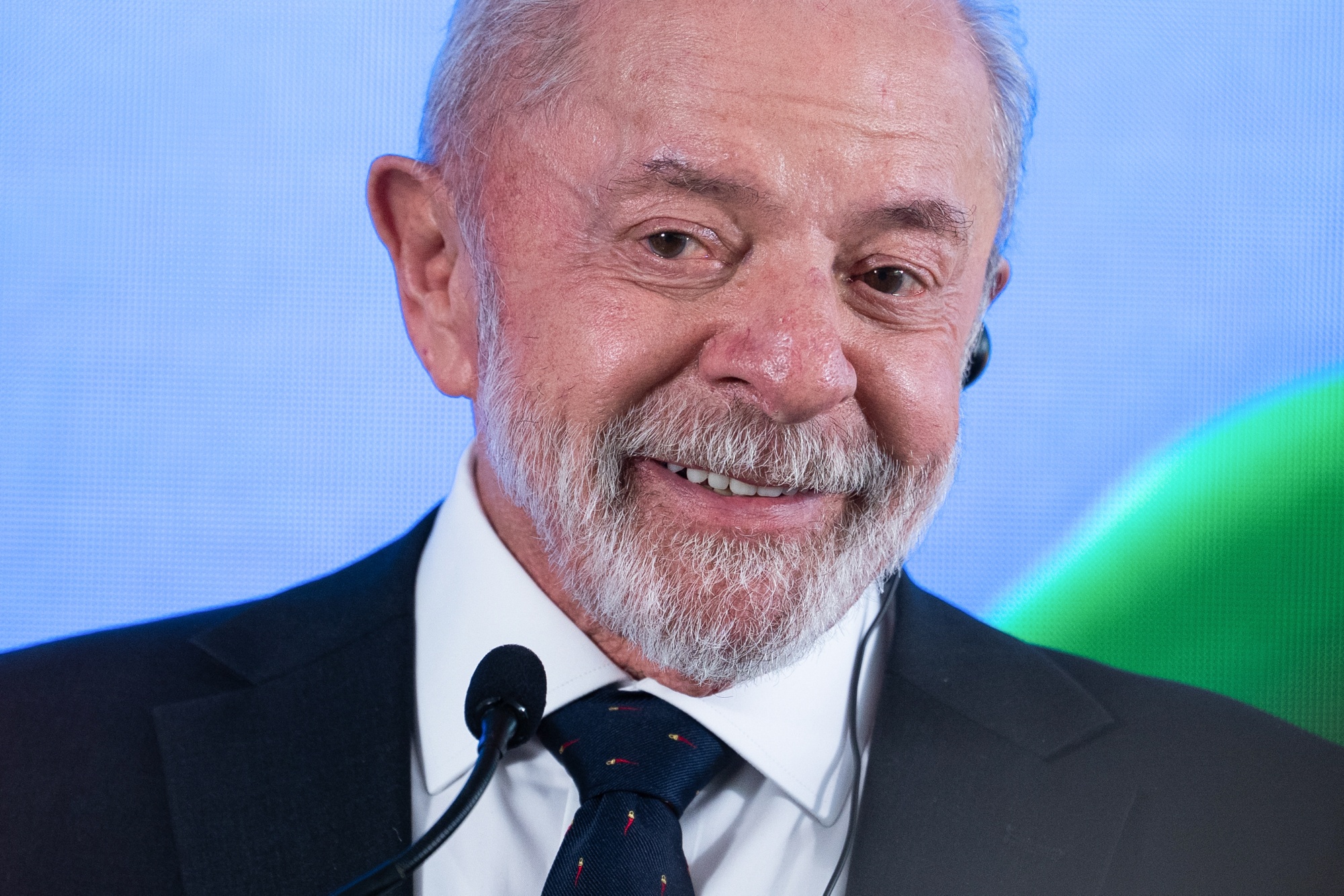
Lula during a news conference at the Brazilian embassy in Washington yesterday.
Photographer: Aaron Schwartz/Bloomberg
Schools in Mexico will end the academic year on June 5, about 40 days earlier than planned, because of a combination of extreme temperatures and the football World Cup. South Africa’s top court rekindled the cash-in-a-sofa saga that threatened Cyril Ramaphosa’s presidency more than three years ago. EU prosecutors are investigating possible misappropriation of funds relating to media training for French far-right National Rally leader Jordan Bardella and other party members, AFP reported. The party denied any wrongdoing. Don’t miss from Bloomberg Weekend: Mishal Husain speaks to former Trump aide Anthony Scaramucci on regrets and what he got wrong. Catherine Lucey writes about a political Pope Leo, and Felix Salmon reviews Nobel Prize winner Alvin Roth’s book, Moral Economics. Subscribe to the newsletter here. Sign up for the Washington Edition newsletter for news from the US capital and watch Balance of Power at 1 and 5 p.m. ET weekdays on Bloomberg Television. Chart of the Day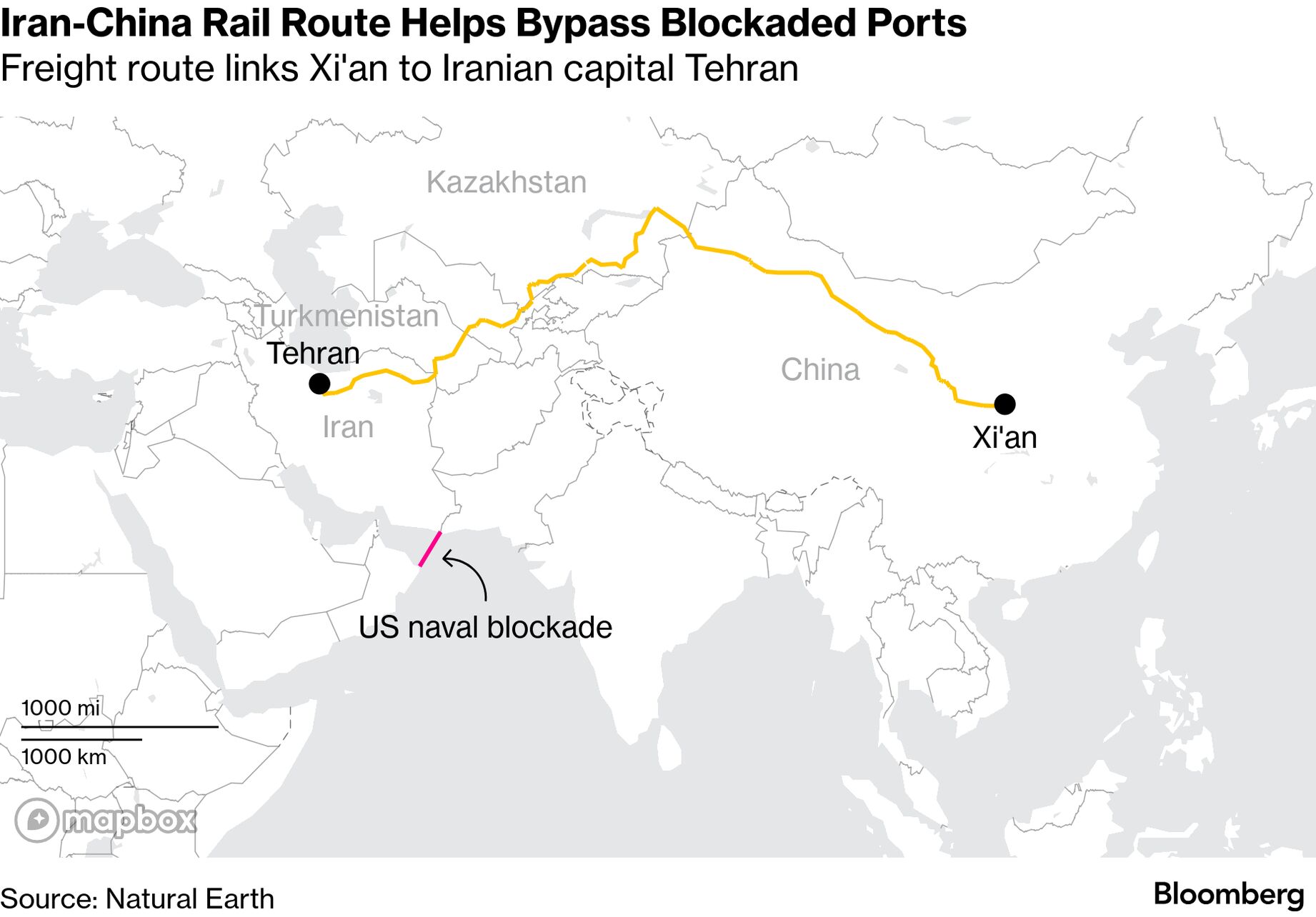
Iran is ramping up trade with China via rail in a bid to blunt the impact of a US blockade of its ports and adapt to pressure designed to strangle its economy. The route, which runs through Kazakhstan and Turkmenistan, can only go a small way toward making up for the US blockade and adds to Iran’s reliance on China, with Beijing buying almost all Iran’s oil. And FinallyThe Venice Biennale opens to the public tomorrow with more than two dozen national pavilions and a cacophony of controversy. Israel has been one focus, with hundreds of artists and cultural leaders calling for the country to be excluded. Russia is another, reopening its pavilion for the first time since its 2022 invasion of Ukraine, prompting Finland to scale back its participation and the EU to pull more than $2 million in funding. The Biennale is meant to showcase the cream of the art world, but this year it’s instead displaying the world’s political fractures. 
The Japan pavilion, where visitors carry weighted baby dolls.
Photographer: Uli Holz
Pop Quiz (no cheating!). The prime minister of which country gifted a record cabinet stocked with vinyl to Australia’s Anthony Albanese this week? Send your answers to [email protected] More from Bloomberg
We’re improving your newsletter experience and we’d love your feedback. If something looks off, help us by reporting it here. Follow Us
You received this message because you are subscribed to Bloomberg’s Balance of Power newsletter. If a friend forwarded you this message, sign up here to get it in your inbox.
|




Tech optimism overrides Iran angst
Bloomberg Morning Briefing Americas ...