| Read in browser | ||||||||||||||
 Welcome to Balance of Power, bringing you the latest in global politics. If you haven't yet, sign up here. In Washington, the Iran war is stirring trouble — calls for an exit ramp, charges of poor planning and delusional expectations, a high-level resignation and a majority of the public opposed. President Donald Trump's Republican Party is worried as midterm elections loom. Things look very different in Israel. Polls show overwhelming support for the military operation that Prime Minister Benjamin Netanyahu has been advocating for four decades to eliminate what is widely viewed in the Jewish state as an existential threat. The war has shelved challenges to the ruling coalition, including a demand from ultra-Orthodox parties for a law exempting their young men from military conscription, controversy over domestic legislation and the prime minister's corruption trial. 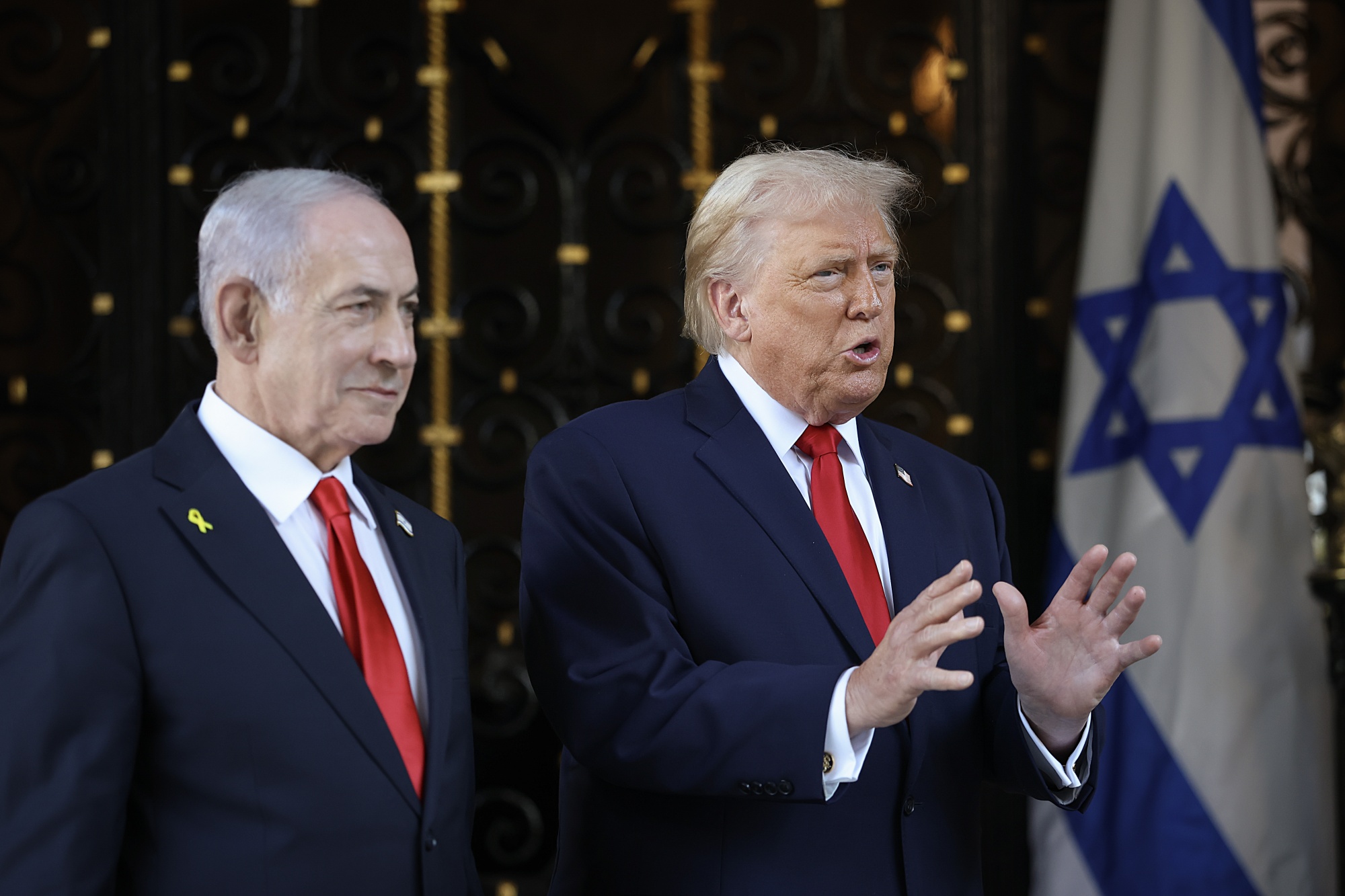 Netanyahu and Trump at Mar-a-Lago, Florida, on Dec. 29. Photographer: Joe Raedle/Getty Images North America Elections are due by the end of October and, despite having presided over the catastrophe of the 2023 Hamas attack, Netanyahu remains the top choice for premier in all polls, although his coalition falls below the needed majority, as does the opposition. Part of this is that the government has enunciated three goals from day one: eliminate Iran's nuclear-weapons program, eradicate its ballistic-missile program and destroy its ability to fund and arm proxy regional militias that seek Israel's destruction. Every day of the past three weeks, Israeli tacticians and leaders say, has brought those goals closer in both Iran and Lebanon. So the now-routine ducking into and out of bomb shelters by millions is accepted as a necessary sacrifice to these widely embraced ends. Israel's intelligence services have so penetrated Iran's inner sanctums that assassinations of top Iranians are daily occurrences. Whether this will lead, as Netanyahu hopes, to a popular Iranian uprising is far from clear. But Israel's view is that it will come eventually. And the longer its military gets to degrade the Iranian threat, the better Israel will be in the long term. No one here is seeking an exit ramp. — Ethan Bronner 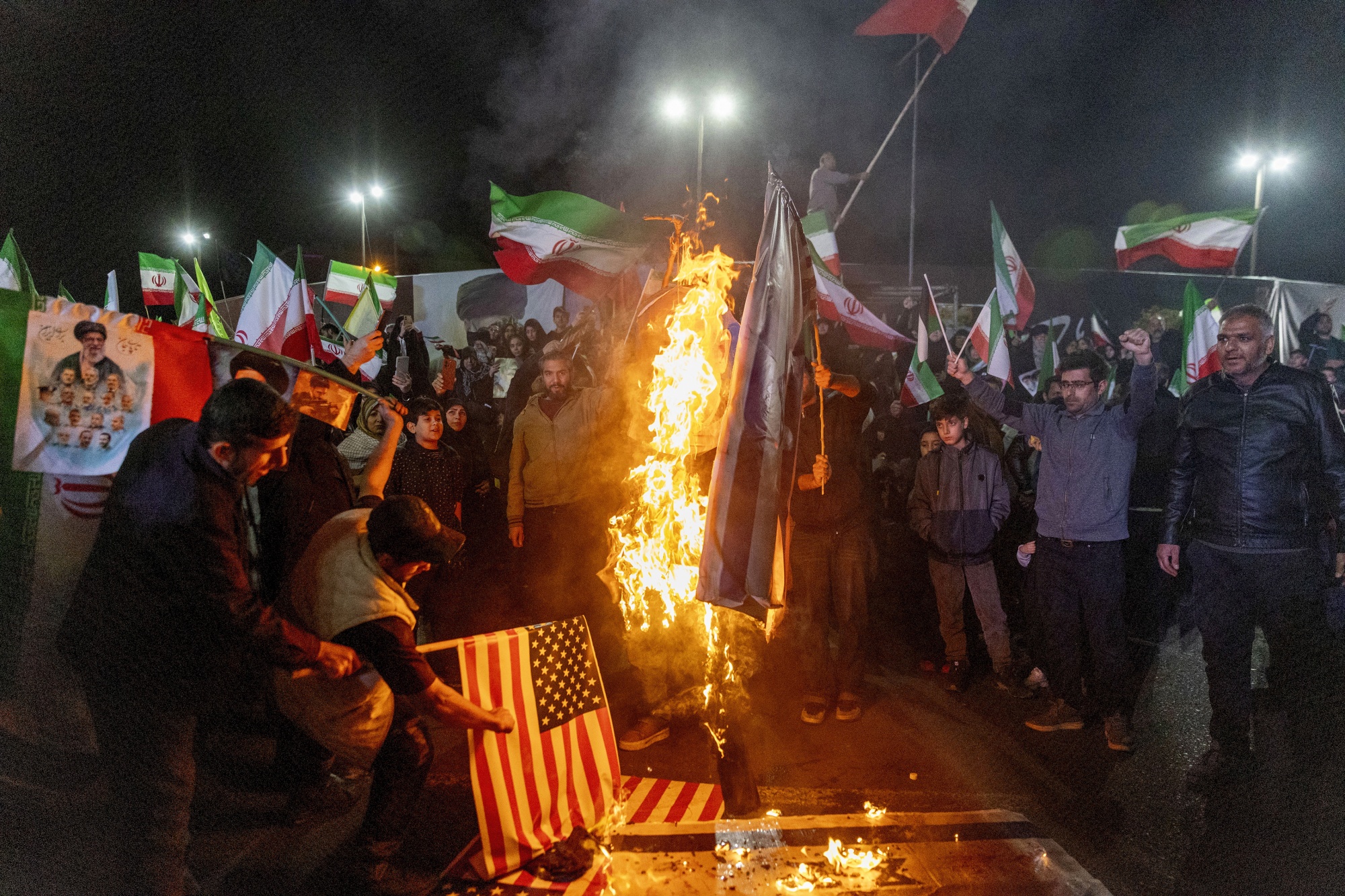 Iranians set fire to US and Israeli flags in Tehran on Tuesday. Source: Getty Images Global Must ReadsTrump sought to stop attacks on energy facilities in the Middle East after Iranian and Israeli strikes on major gas hubs jolted global markets. Qatar's Ras Laffan Industrial City — the complex home to the world's largest liquefied natural gas export plant — suffered "extensive damage" after an Iranian attack that sparked a fire. Israel carried out a strike on South Pars, the gas field that's a core part of Iran's energy infrastructure. 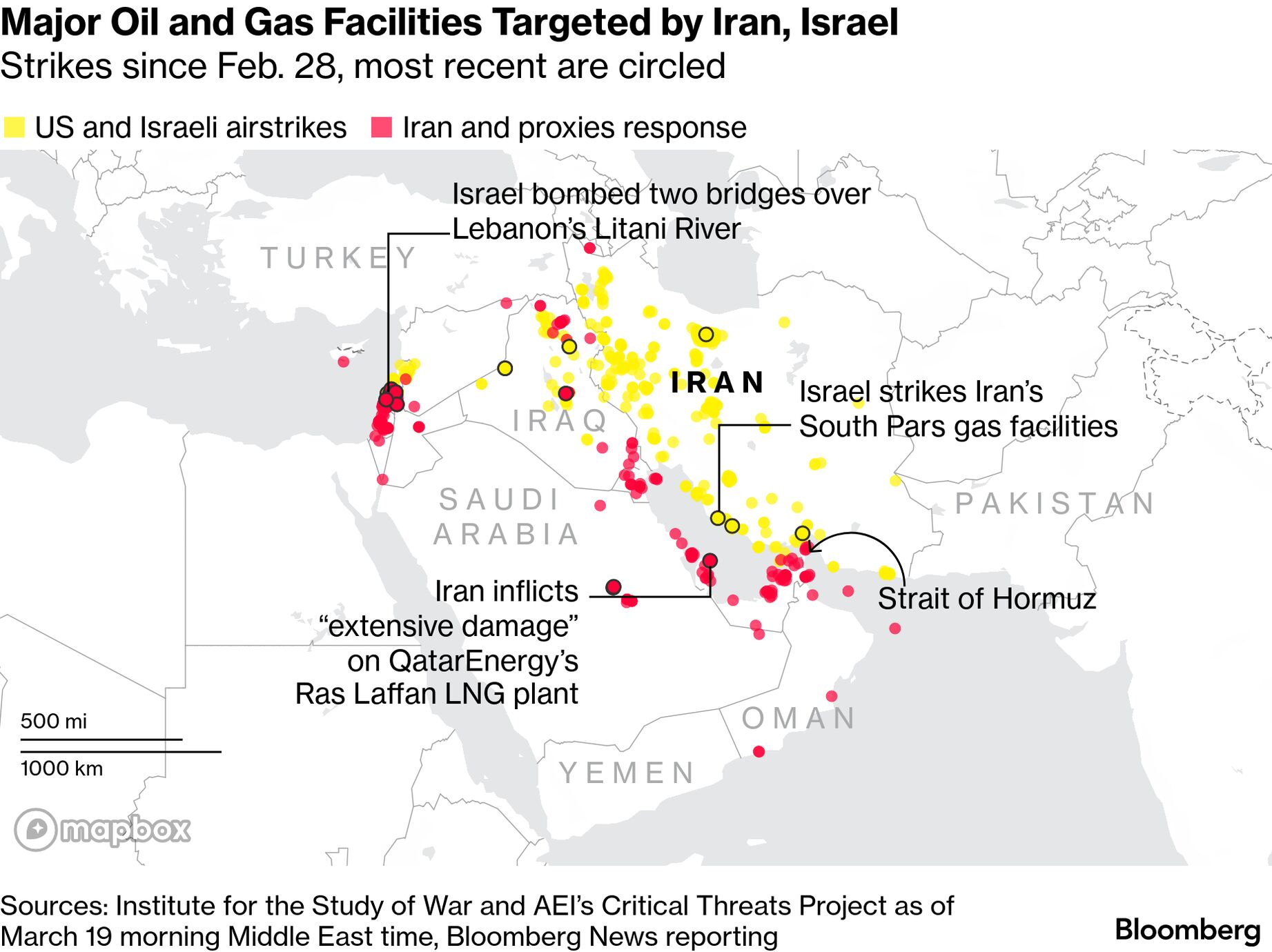 Saudi Arabia has already ramped up its oil exports to more than half of normal levels despite the disruptions from the war, an early sign of success for the kingdom's ambitious contingency plan to bypass the Strait of Hormuz. India is sending additional warships to the Gulf of Oman and Arabian Sea to ensure the safe passage of its vessels in anticipation that Iran may allow more of its fuel tankers to exit the strait, sources say.  JOIN THE CONVERSATION: The US strikes on Iran mark a new age of warfare assisted by artificial intelligence. Bloomberg journalists answer your questions in a Live Q&A today at 11 a.m. EDT. Tune in here and send questions in advance with the subject line "AI warfare" to [email protected]. The UK's Labour Party is facing pressure from the left as it wrestles with its direction ahead of expected losses in May's local elections. That poses a dilemma to Prime Minister Keir Starmer who has steered his party toward the center — and at times to the right — in an attempt to blunt support for Nigel Farage's populist Reform UK party, which leads in national polls. US efforts to forge a critical-minerals partnership with Brazil are stalling amid political tensions with President Luiz Inácio Lula da Silva's government. While both sides want to deepen ties over rare-earth reserves — the US seeking to bypass China, and Brazil keen for the investment — a bill setting out policy for critical minerals is stuck in Congress in Brasilia, and the Trump administration is ruffling feathers with Lula. Prime Minister Sanae Takaichi faces challenges ahead of a meeting with Trump today as she tries to nudge Japan away from its pacifist postwar stance toward a more robust military doctrine to confront growing geopolitical risks. Citizens appear to be firmly against the war in Iran, with 82% of respondents in a survey saying they don't support the conflict, and the nation has deep sensitivities over getting involved in any military activity abroad. 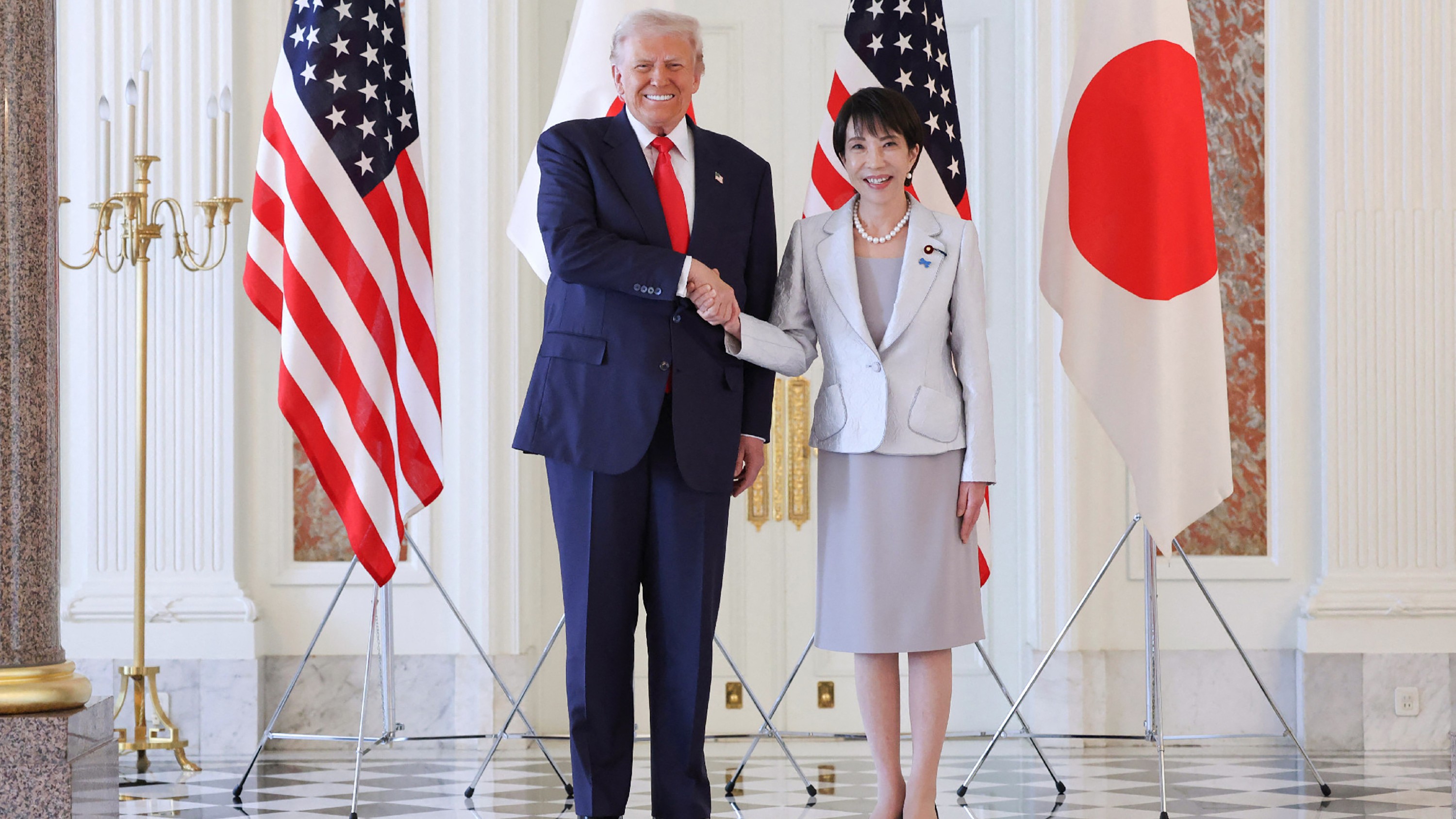 WATCH: Bloomberg Opinion's Gearoid Reidy shares his views on Takaichi's trip to Washington. The UK government said it will hike tariffs on steel imports and cut import quotas, as it seeks to boost the country's ailing domestic steel industry amid fierce global competition. The FBI is investigating former National Counterterrorism Center Director Joe Kent over unauthorized disclosures of classified information. A source says the inquiry has been underway for months and continued after Kent resigned on Tuesday in protest over the US war with Iran. Federal Reserve Chair Jerome Powell said he plans to stay at the central bank until a Justice Department investigation into him and the Fed is complete, delaying Trump's push for a replacement. Democratic Republic of Congo and Rwanda agreed to "de-escalate tensions" and implement concrete steps on a peace agreement reached with Trump's help last year, days after the US sanctioned the Rwandan army for backing the M23 rebel group in eastern Congo.  On this episode of Trumponomics, Stephanie Flanders sits down with Nobel Prize–winning economist Daron Acemoğlu to unpack one of the most urgent questions facing the global economy: how is artificial intelligence changing the future of work? Listen on Apple, Spotify, or wherever you get your podcasts. Sign up for the Washington Edition newsletter for news from the US capital and watch Balance of Power at 1 and 5 p.m. ET weekdays on Bloomberg Television. Chart of the Day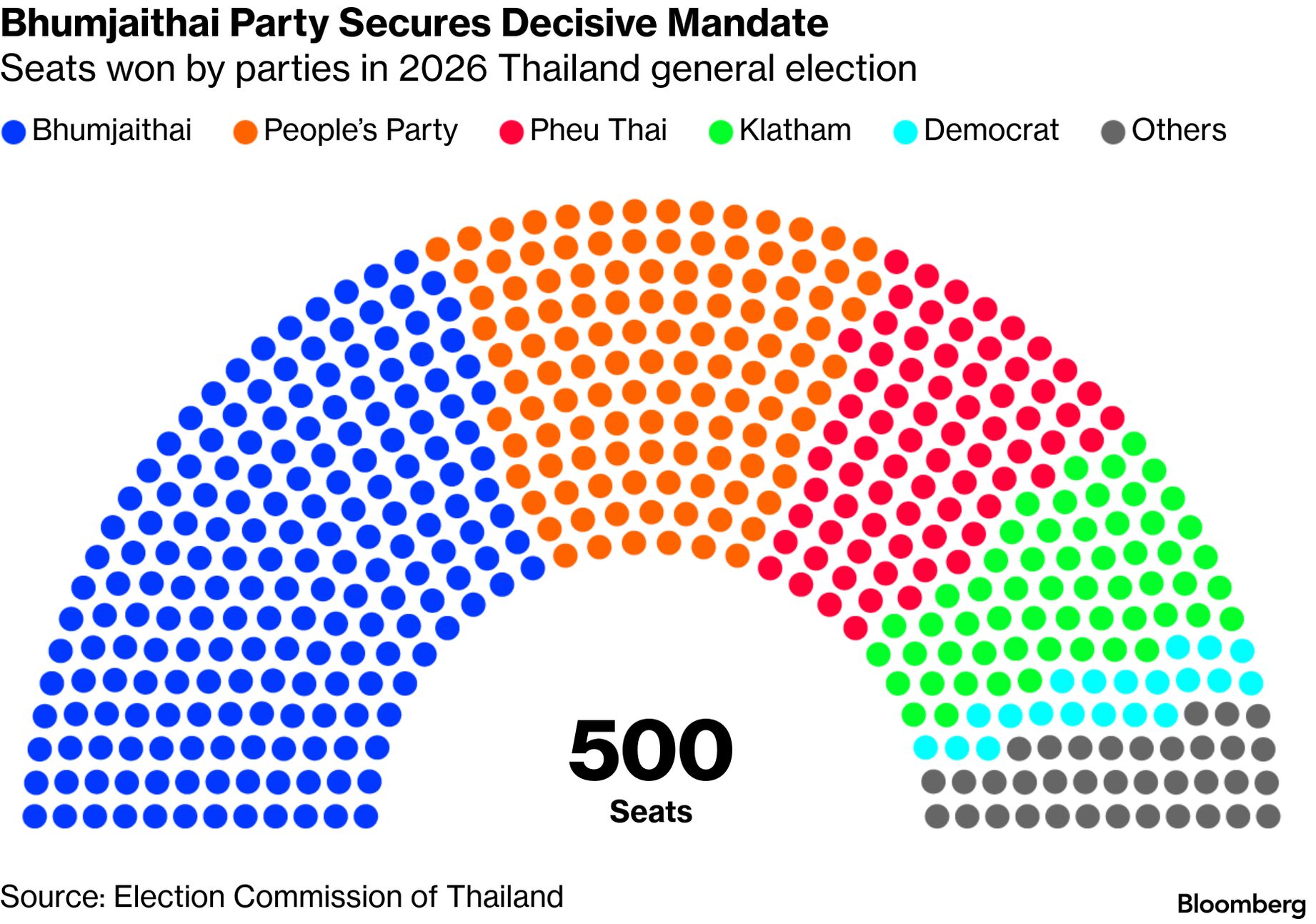 Anutin Charnvirakul won a parliamentary vote today for a new term as Thailand's prime minister, clearing the way for the conservative politician to form a cabinet. He leads a 16-party coalition that represents the strongest majority for a governing alliance in more than a decade and should reassure investors after years of political upheaval that saw multiple prime ministers ousted by courts or coups. And FinallyAn estimated 40,000 seafarers are stuck on board ships either side of the Strait of Hormuz, which has been almost entirely shut since the US and Israel began bombing Iran in late February. Half of those, according to the International Maritime Employers' Council, are effectively trapped in the Gulf, left to face the constant threat of attacks and having to navigate in a fog of electronic warfare, often blind to the position of other vessels. Read our Big Take on the plight of the crew members stuck in a terrifying limbo. 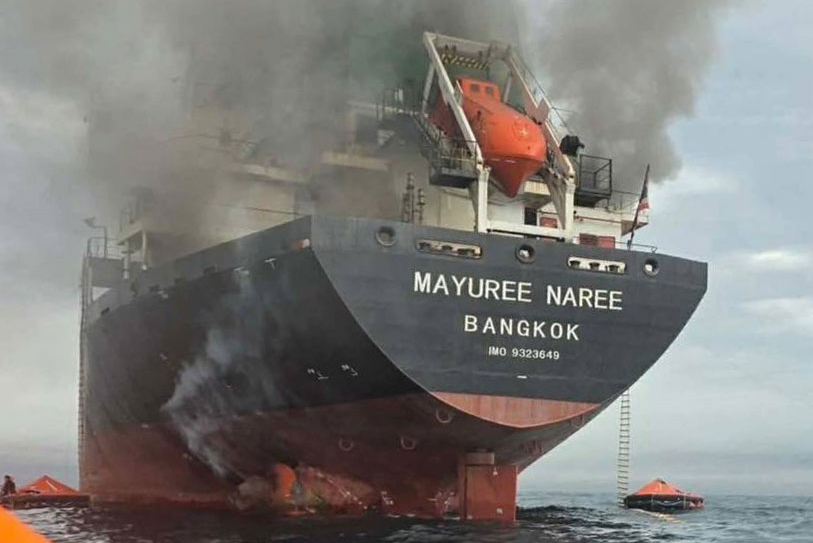 A Thai cargo ship was struck in the Strait of Hormuz on March 11. Source: Royal Thai Navy More from Bloomberg
We're improving your newsletter experience and we'd love your feedback. If something looks off, help us by reporting it here. Follow us
You received this message because you are subscribed to Bloomberg's Balance of Power newsletter. If a friend forwarded you this message, sign up here to get it in your inbox.
|




Singapore Edition: Beijing upends the Manus Model
A one-line decree from Beijing just scuttled a bet on Singapore becoming a sanctuary for Chinese AI. ...