| Read in browser | ||||||||||||||
  I'm Jonathan Tamari, senior Washington reporter for Bloomberg Government, and each weekday I'll be coming to you with inside-the-room reporting and insights that reveal what's really happening in Washington—and how it impacts you. Email me with feedback and comments here. If this newsletter was forwarded to you sign up here. Today, a DHS deal, how Trump is changing Wall Street bets, and space tourism isn't exactly taking off. GOP's Iran Worries GrowThe Department of Homeland Security shutdown is nearing an end. The Senate early this morning passed a bill to fund all of the department except for ICE and Border Patrol, kicking the issue over to the House, which will likely act within days. (We did tell you that Thursdays were deal days even if, ok, technically it was Friday.) The compromise came together after Trump announced he would shift federal funds to pay TSA workers. It allowed Democrats to vote to fund TSA and other agencies without supporting money for Trump's deportation teams, but they were left without policy changes to address ICE's conduct. Republicans will now try to fund ICE and border patrol through a long and tricky GOP-only process (more on that below). As lawmakers wrap up one tense situation, though, some Republicans are growing increasingly worried about another. Their unity around the Iran war is starting to show cracks. The fissures are still relatively isolated, at least publicly, but include some critical GOP figures on the Hill, suggesting there's growing unease about the length of the war, Donald Trump's endgame, the possibility of sending ground troops, and results Republicans will own. Part of what's driving the worry is a feeling that lawmakers are getting little information, BGOV's Roxana Tiron reports, even as the administration considers a $200 billion ask to pay for the war. Does Trump have a plan he's not telling them? Or no plan? Which would be worse? There's also fear Trump could escalate the conflict while Congress is scheduled to be away for the next two weeks. "I'm worried we get out of town and the president goes in with ground troops aiming for a full takeover," Republican Senator Lisa Murkowski told Erik. 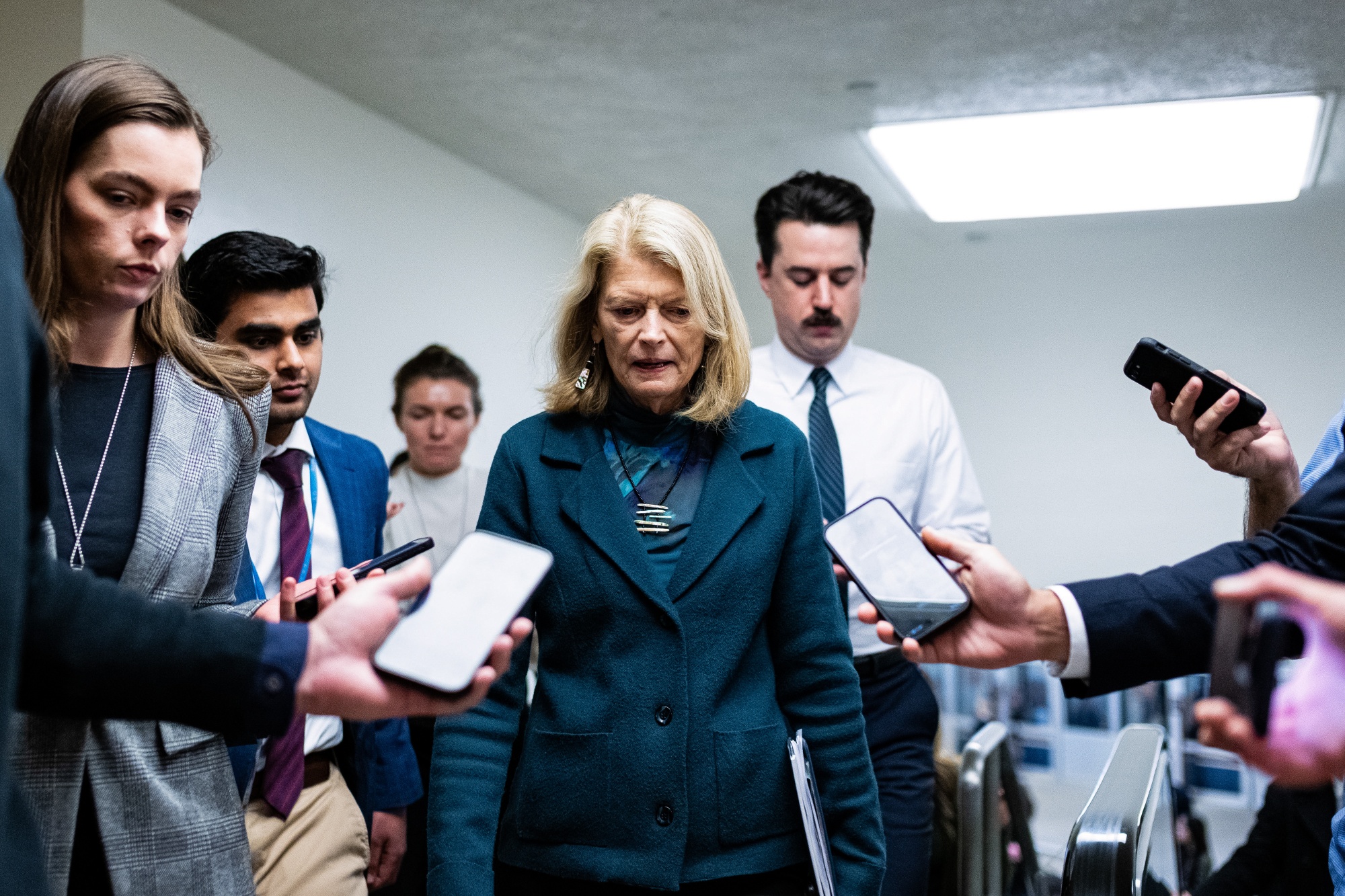 Senator Lisa Murkowski speaks to members of the media at the Capitol on March 4 Photographer: Graeme Sloan/Bloomberg Murkowski has started working on a proposed Congressional authorization for the use of military force, a step aimed at giving lawmakers more say over the war's duration and direction. She's hardly the only one getting nervous. The S&P 500 fell 1.7% Thursday – its biggest drop since the war began as Trump again sent mixed signals on whether he's negotiating to end the fighting or looking to escalate it. "We want to know more about what's going on, what the options are, and why they're being considered," Republican Rep. Mike Rogers, the chair of the House Armed Services Committee, told reporters this week after an administration briefing. "We're just not getting enough answers." The Senate's Armed Services chairman, Roger Wicker, suggested he shared Rogers' frustration — and those two are not among Trump's usual critics. The public GOP concerns so far are limited to a handful of voices. Speaker Mike Johnson discounted worries about troops on ground, saying the mission "will wrap up in a short time period." There's no suggestion of a major imminent rebellion. But Republicans are finding out the consequences of giving the president free rein for so long. Trump keeps acting on his own, and they have little practice at slowing him down. Top NewsIran Latest: Missiles continued to fly in the Middle East, after Trump pushed back his deadline for Iran to reopen the Strait of Hormuz. The president said talks with Iran were going "very well," while Iran says it rejects the administration's 15-point peace plan. Anthropic Ruling: Anthropic won a court order blocking the administration's ban on government use of its AI technology, after the Claude chatbot maker argued the move could cost it billions in lost revenue. The company is also mulling an October IPO. Inflation Outlook: Economists raised their estimates for US inflation through year-end, while trimming consumer spending, growth and employment projections as the war in Iran drives up fuel costs. Trump Cash: In today's edition of "Trump puts his name on everything": his signature will appear on future US paper currency to mark the 250th anniversary of the country, a first for a sitting president, according to the Treasury Department. Space Tourism: Sending regular (rich) people into space was supposed to be a multibillion-dollar business. But it hasn't yet materialized. Jeff Bezos-founded Blue Origin has halted flights for two years and Richard Branson's Virgin Galactic hasn't flown since June 2024. One of the main problems? A small number of potential buyers and not a lot of repeat customers. Watch & Listen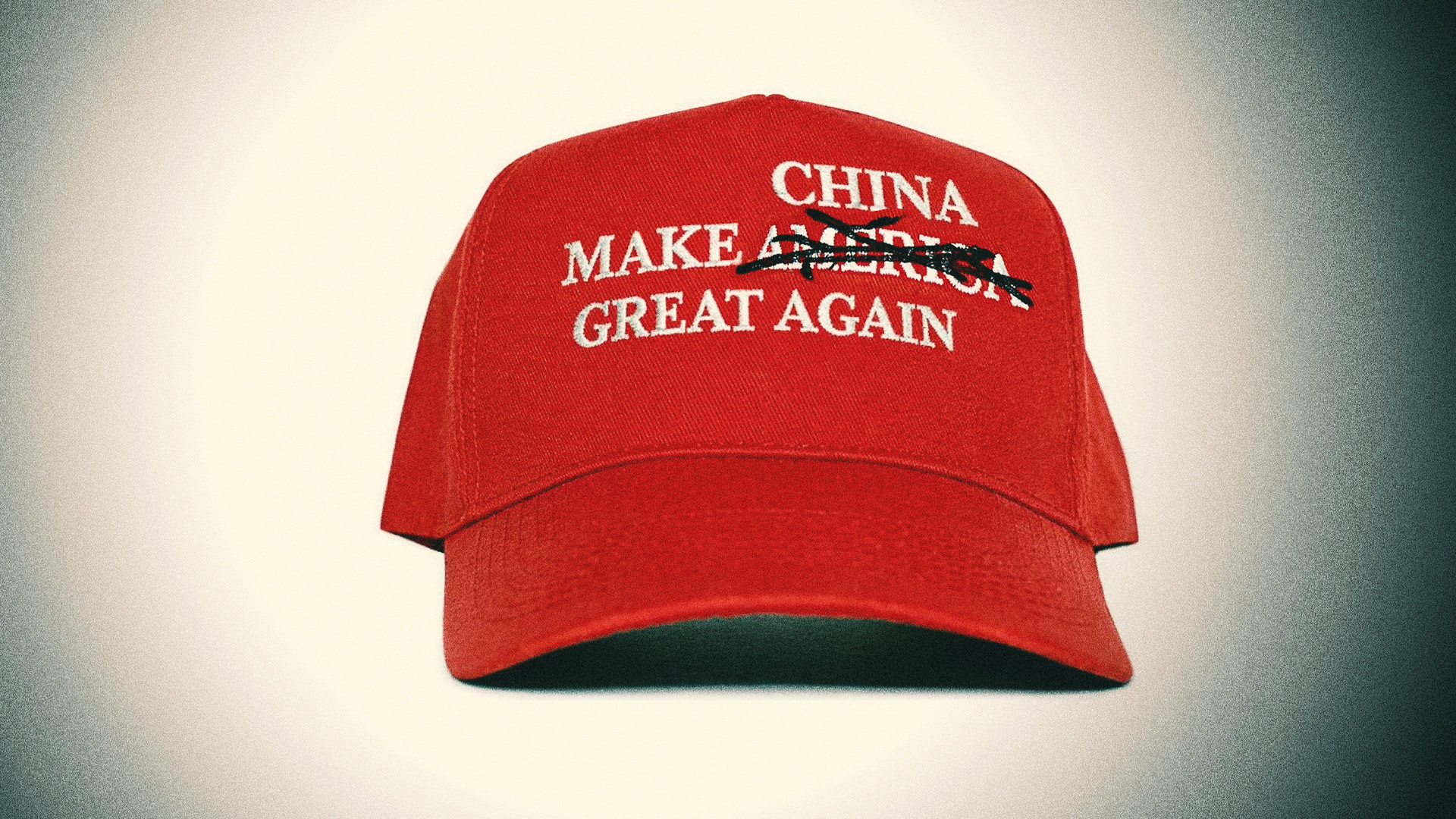  In this Bloomberg Originals weekly documentary, we look at how the US under Trump may be speeding China's geopolitical rise. Go Deeper With BGOVRepublican lawmakers will have a short window ahead of the midterms for developing and passing a reconciliation bill that could fund the portions of the DHS left out of the agreement overnight (and possibly other items as well). There are 221 days until this year's election on Nov. 3. 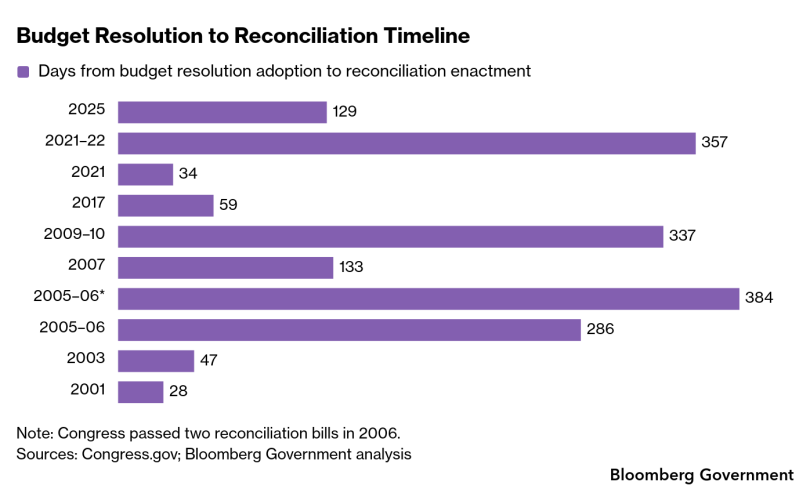 What's NextHere are next week's big events.... Wednesday: More From BloombergLike Washington Edition? Check out these newsletters:
Explore all newsletters at Bloomberg.com. We're improving your newsletter experience and we'd love your feedback. If something looks off, help us fine-tune your experience by reporting it here. Follow us
You received this message because you are subscribed to Bloomberg's Washington Edition newsletter. If a friend forwarded you this message, sign up here to get it in your inbox.
|




The UK’s flood insurance crisis
A program isn't working as designed Read in browser Sometimes the best-laid plans can go awry. That's the issue the UK's flood insurance program is currently grappling with. Conceived as a way to help the most vulnerable, the program has seen the richest homeowners become the biggest winners . Today's newsletter looks at how that came about and how the program is trying to address it. Plus, Arctic sea ice tied a winter low that was set just last year. Did someone forward you this newsletter? Subscribe for free to to get more climate stories delivered straight into your inbox. Unintended consequences By Olivia Rudgard , Alastair Marsh , and Gautam Naik It's not how the program was supposed to work. But thanks to a legal anachronism, Britain's state-backed plan intended to help those most exposed to flooding has ended up favoring the country's richest property owners . Economists at the Bank of England have already suggested that Flood Re, the UK's...