| Read in browser | ||||||||||||||
 Over the weekend, the prediction market Polymarket ran a pop-up bar called The Situation Room to capitalize on a meme of the moment. In a new Buying Power column, Bloomberg Businessweek senior reporter Amanda Mull writes about the news-as-entertainment trend. You can read an excerpt below and find the whole column here free. Plus: Black business leaders discuss the DEI backlash, and John Ternus emerges as a candidate for the next Apple CEO. If this newsletter was forwarded to you, click here to sign up. Look, there's a lot going on right now. Listing all of it makes me sound as if I'm workshopping a remake of that Billy Joel song: The US and Israel are bombing Iran, while Israel is also bombing southern Lebanon, displacing nearly a million people. Iran has retaliated with missile and drone strikes on Israel, Bahrain, Qatar, Saudi Arabia, Turkey and the United Arab Emirates. The Strait of Hormuz is functionally closed. The US might send in ground troops to capture Kharg Island, a place that everyone reading this definitely knew about a month ago. Traditional American allies keep telling President Donald Trump to kick rocks. Oil prices are up, which means so are gasoline prices. Cuba's power grid has collapsed. Tariff drama! The Epstein files! ICE raids! The stock market goes on Mr. Toad's Wild Ride every time a spooky PDF about artificial intelligence makes the rounds in the group chats. Don't get me started on what's going on with private credit. People keep comparing more economic indicators to 2008, which seems bad. But, of course, you probably knew all that, plus all the other things omitted for brevity's sake. You're monitoring the situation, right?  Photo: Getty Images The phrase "monitoring the situation" gained momentum as a meme in the days before Trump's inauguration in January 2025, when an X user who goes by @netcapgirl posted a photo of Amazon.com Inc. founder Jeff Bezos—headset on, stance alert, biceps straining the sleeves of his black polo shirt—with the phrase "the masculine urge to monitor the situation." It hadn't reached meme escape velocity, though, until a few weeks ago, when the American and Israeli attacks on Iran killed Supreme Leader Ali Khamenei and, apparently, all of his underlings who the Trump administration thought might form a more US-friendly regime. The more the situation in Iran seemed to spin out of the US's grasp, the more it begged to be monitored. So much so, in fact, that biohacking influencer (and, let's be real, one of the most pro-monitoring men to ever live) Bryan Johnson warned on X that monitoring the situation "intoxicates you," overtaking your attention and degrading your decision-making capabilities. No matter: The situation-monitoring has continued apace. Millions of users have tapped into hastily vibe-coded dashboards to toggle between feeds of publicly available or crowdsourced data—the location of tankers in the Persian Gulf, the trajectory of flights in the region's airspace, maps of reported drone or missile strikes, stock tickers, Brent crude price trackers, feeds of headlines or "intel" that are disproportionately populated by whatever has been posted on X in a sufficiently confident tone. The designer of one popular dashboard, World Monitor, told the Atlantic that 2 million people had used his service in less than three weeks. Suddenly the second or third screens these users had brought to work from home during the early days of the Covid-19 pandemic had found new purpose, hooked up to the continuous drip of real-time crisis. Read more The Iran situation today:
In Brief  WATCH: The collision with a fire truck killed both of the plane's pilots. Danny Lee reports.
'We Know This Is Not a Charitable Endeavor'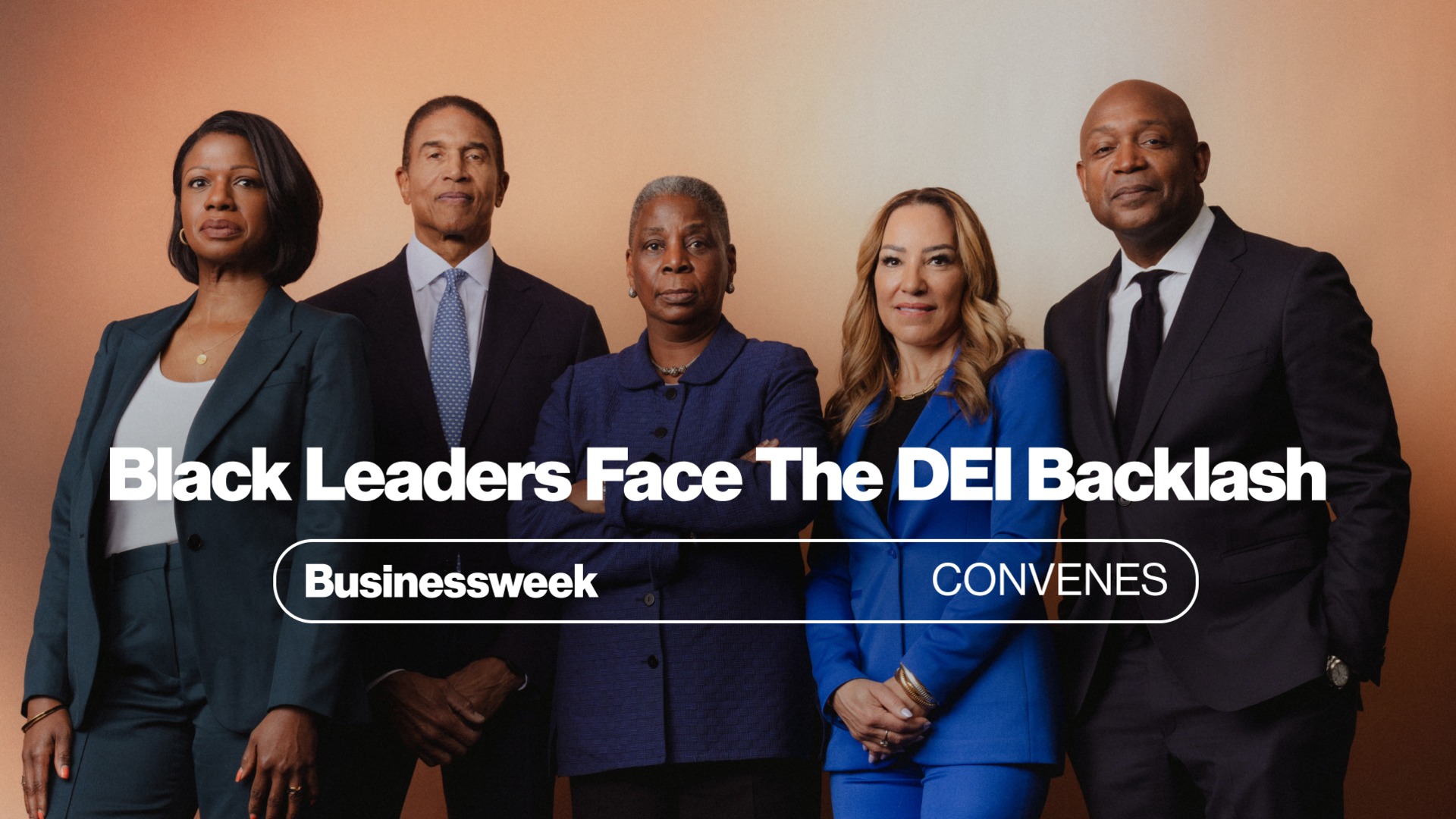 Businessweek Convenes: Black Leaders Face the DEI Backlash It's a difficult time to be a Black leader in the US. The Trump administration has targeted notable Black officials in government and the military while pressuring companies and universities to cancel diversity, equity and inclusion initiatives. "We ended DEI in America," the president bragged at his State of the Union address. Businessweek convened five prominent Black executives for a roundtable at Bloomberg's offices in New York to discuss where the country is headed and how they're supporting the next generation. Here's a sample of their conversation, moderated by Bloomberg Television anchor Romaine Bostick: Bostick: America is in a bit of a mood right now. A few years ago the dialogue we were having was constructive. Where are we right now? Chris Williams, chairman of Siebert Williams Shank & Co.: We've seen decades of evidence where the principles that underpin DEI lead to strong outcomes. An open door, an open mind is what historically has led to a great deal of success. I think the political discourse in the last couple of years has caused a questioning of the validity of the benefits we've seen empirically from DEI. Bostick: Do you think today that people look upon you and your success as being more a product of government programs and affirmative action and DEI initiatives rather than your work, your skill and what you put into it? Ursula Burns, founding partner of Integrum and chairwoman of Teneo: There's no doubt, based on the way Black people, women, brown people, poorer people have been treated in this nation from the beginning of time, that we've been denied some of the fundamental rights we should be afforded. Over my life, I benefited from programs that were trying to fix what they had denied me; I don't apologize for that at all. We keep having the same discussion and arguing the same argument—which is, we're talented individuals; we happen to have a skin color or a gender that's different than the standard [in US leadership]. One of the most frustrating things is that we actually give validity to these small minds, that we have to defend the fact that we are doing a good job like everybody else who is afforded the fundamentals: good education, reasonable health care, reasonable food, safe places to live. Keep reading: 'They've Stolen the Narrative': Black Business Leaders on the DEI Backlash Fighting Corporate Crime145 That's how many federal enforcement actions inherited from the Biden administration—alleging that 153 companies broke the law—that the Trump administration ended in 2025, according to consumer-rights group Public Citizen. It's part of a trend of turning a blind eye to white-collar crime. 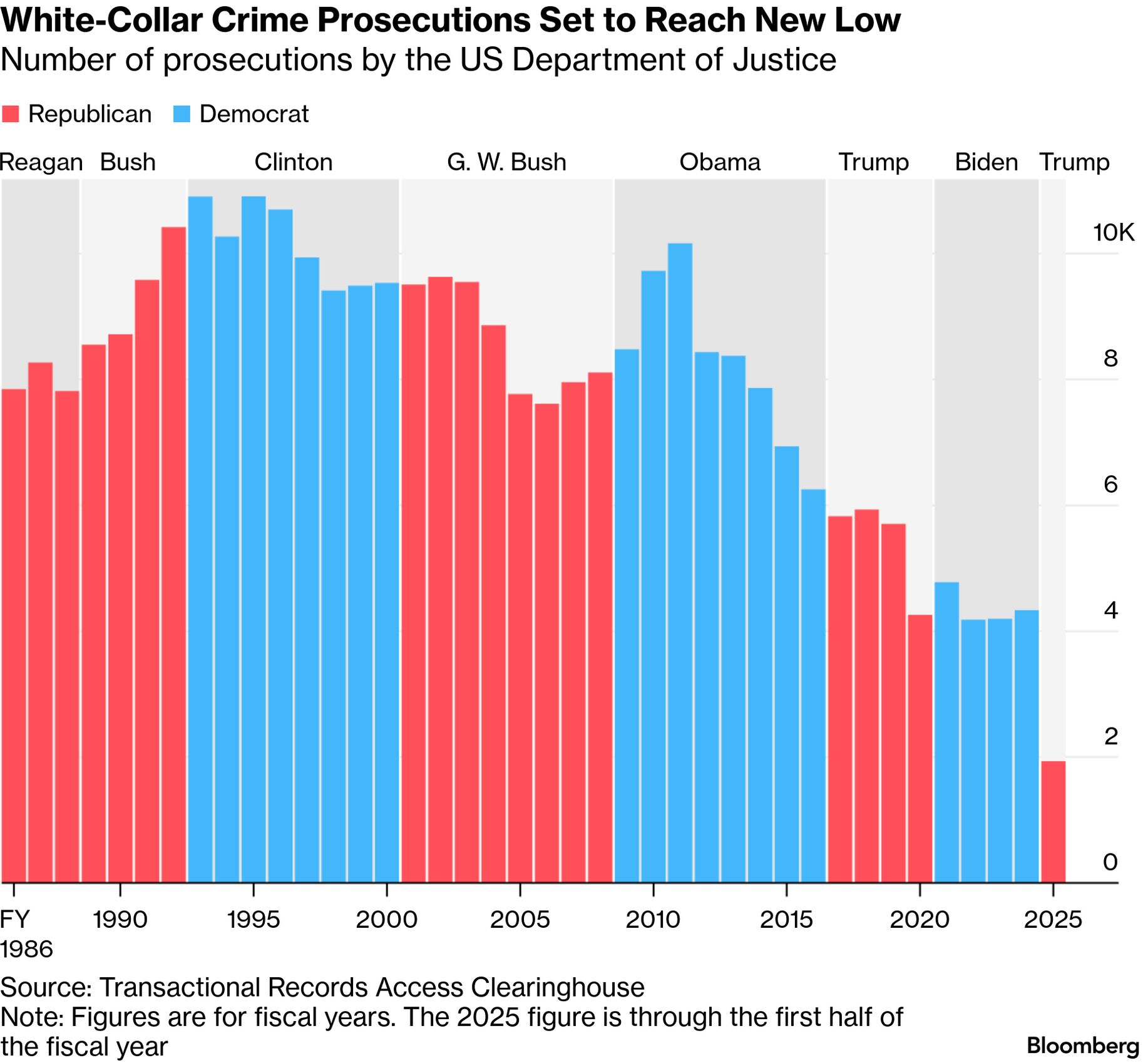 Who's Next at Apple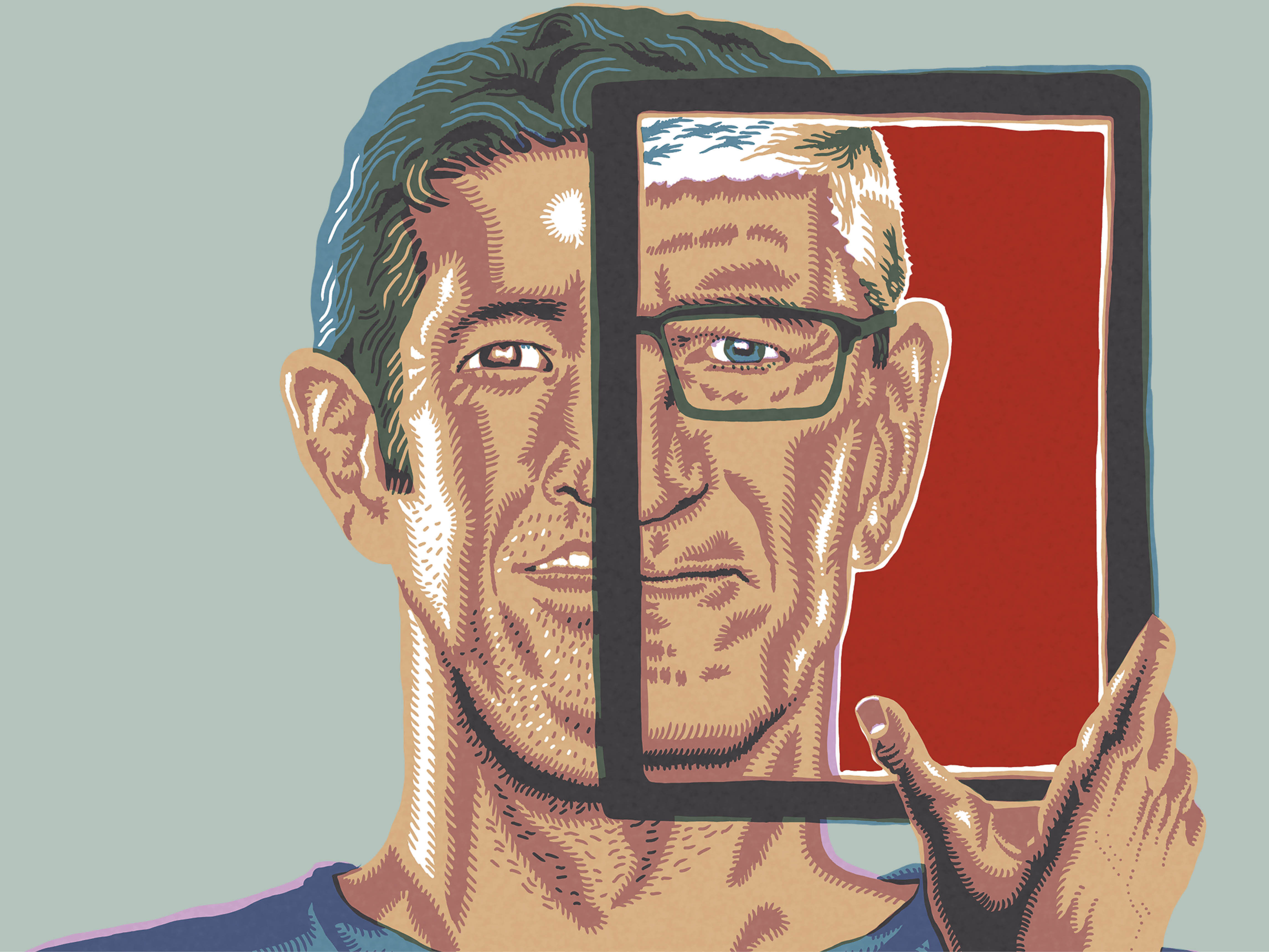 Illustration: Pol-Edouard Flores During an all-hands meeting at Apple in January, an employee asked about a spate of executive moves. The company's chief operating officer recently retired, the chief financial officer and general counsel took smaller roles as a way to prepare for their own retirements, and in a single week in December its heads of artificial intelligence, user interfaces and environmental initiatives all announced their departures. While part of the exodus was related to Apple Inc.'s well-documented struggles in AI, it also reflected a logical transition at a company that turns 50 on April 1. Apple stock has made everyone at the top of its org chart fabulously wealthy, and many are entering the stage of life that often inspires people to prioritize finally spending some time with their families instead of the next generation of iPhones. In his response to the employee's question, Tim Cook, the company's 65-year-old chief executive officer, struck an atypically reflective tone. "When people get to a certain age, some," he said, "are going to retire," letting the word "some" hang out there in a way that suggested he wasn't talking about himself, drawing laughter from the audience. "The thing we have to do is make sure that Apple moves on" and reaches the "next level and the next level and the next level." Cook added that he spends "a lot of time" thinking about "who's in the room" in 5, 10 and 15 years. "I am obsessed with this." Cook, who's run Apple since taking over from co-founder Steve Jobs in 2011, probably doesn't expect to be in the room himself for another 15 years. While he's given no indication of an imminent transition, he's made it clear he wants his heir to come from within the company so he can serve as a mentor. The central candidate is John Ternus, senior vice president for hardware engineering, who oversees development of the devices that generate roughly 80% of Apple's revenue. At 50, Ternus is also younger than many of the company's other senior leaders, meaning he could be in the top job longer. Mark Gurman writes about Ternus' expanding profile and responsibilities: Apple's Heir Apparent Steps Into the Spotlight The AI Future"The massive wealth created over the past several generations flowed mostly to people who already owned financial assets. Now AI threatens to repeat that pattern at an even larger scale." Larry Fink Chief executive officer, BlackRock The head of the world's largest money manager warned that the artificial intelligence boom threatens to make wealthy companies and investors even richer while exacerbating inequality, unless more individuals can share in the market gains. Play Alphadots!Our daily word puzzle with a plot twist.  Today's clue: Red state? More From BloombergLike Businessweek Daily? Check out these newsletters:
Explore all Bloomberg newsletters. We're improving your newsletter experience and we'd love your feedback. If something looks off, help us fine-tune your experience by reporting it here. Follow us
You received this message because you are subscribed to Bloomberg's Businessweek Daily newsletter. If a friend forwarded you this message, sign up here to get it in your inbox.
|




Washington Edition: The GOP’s affordability problem
The issue that plagued Biden is now threatening to drag down Trump and the GOP ...