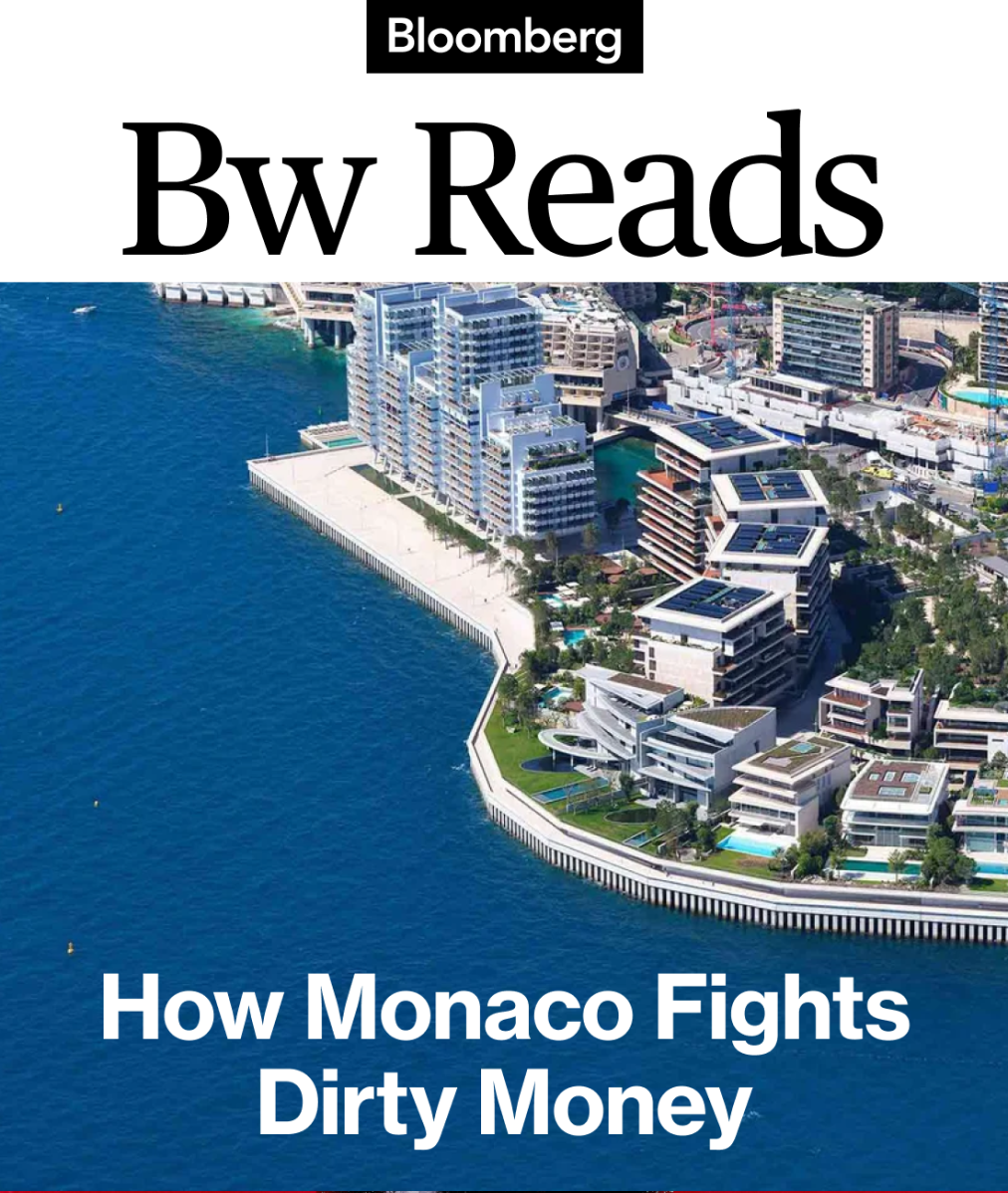
Welcome to Bw Reads, our weekend newsletter featuring one great magazine story from Bloomberg Businessweek. Today, Tara Patel, Gaspard Sebag and Jeff Kao write about a leaked trove of emails regarding the world’s priciest real estate—and how it offers a window into Monaco’s grappling with money laundering. You can find the whole story online (free!) here. If you like what you see, tell your friends! Sign up here. Standing on the windswept balcony of the expansive apartment in Monaco’s Mareterra development feels a little like being on a superyacht heading out to sea. The unobstructed view of the Mediterranean stretches to the horizon, the pale ash floors evoke a ship’s deck, and fresh breezes keep things cool even on the hottest summer days. The other thing the flat shares with a floating luxury palace: its price. Listed at more than €60 million ($70 million), the three-bedroom home costs more than many billionaires might spend on a sumptuous schooner or cruiser. Those prices haven’t stopped the world’s ultrawealthy from snapping up Mareterra properties since they were first listed while still under construction in 2017. The 114 waterfront homes initially sold for €16 million to almost €500 million, and they would now likely cost even more. That makes Mareterra one of the most expensive and exclusive addresses on the planet, with views of the winding Grand Prix circuit, just a 10-minute walk from the storied casino and a few minutes farther from the yacht harbor. 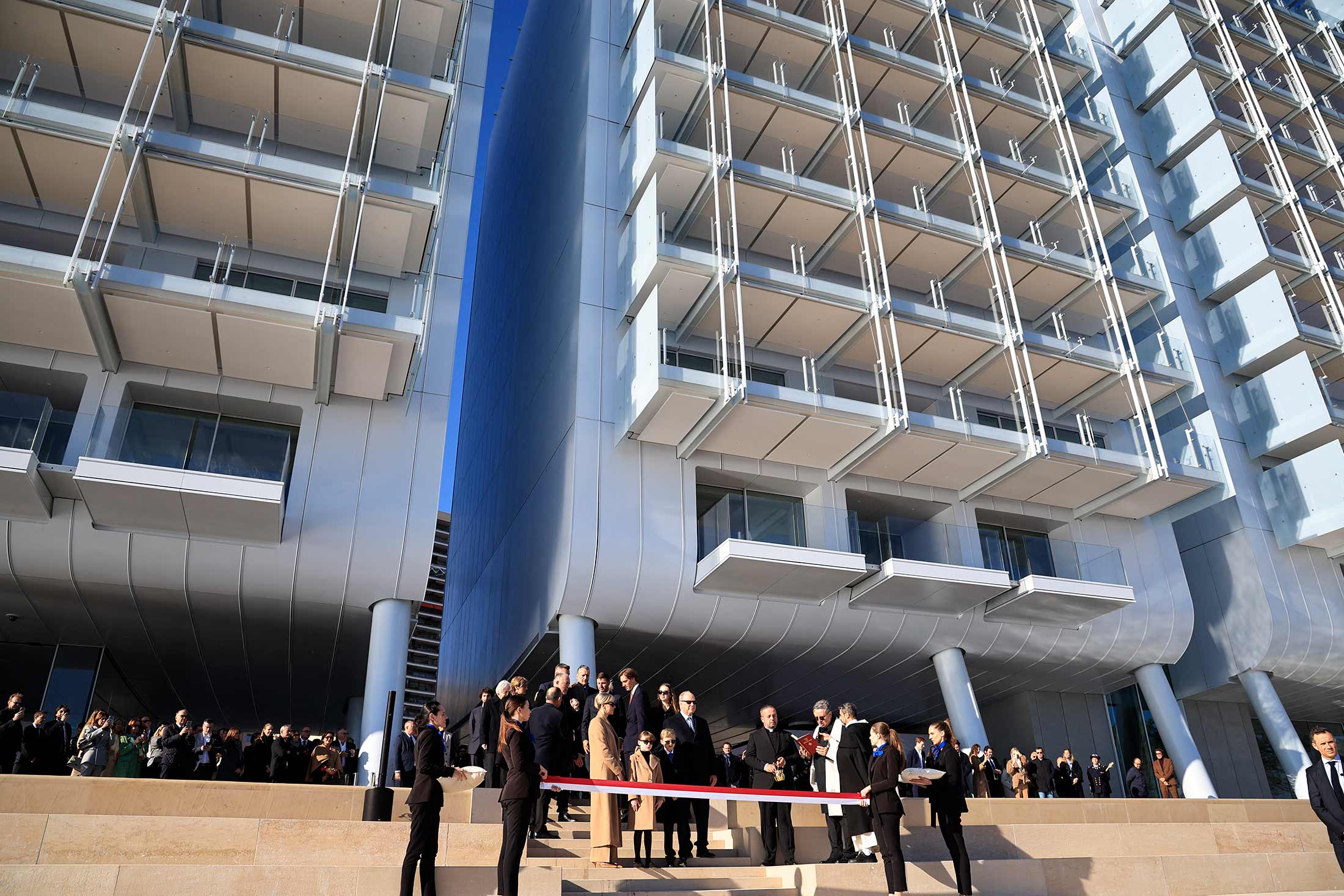
Prince Albert II and other members of the royal family at the inauguration of Mareterra in December 2024.
Photographer: Valery Hache/AFP/Getty Images
The problem is, some prospective buyers of those properties have trouble establishing they’re the kind of residents the principality wants. For more than a century, Monaco has attracted tycoons, movie stars and sports legends—not to mention some less-savory types whose fortunes can’t always be traced to legitimate sources. A century ago, Somerset Maugham purportedly dubbed the area “a sunny place for shady people.” But Monaco, under increasing pressure to crack down on financial misdeeds, says those buyers are no longer welcome. Those concerns came to a head in June 2024, just six months before Mareterra’s inauguration, when the country of 39,000 residents was added to the “grey list,” a roster of jurisdictions such as Syria, Venezuela and Yemen deemed insufficiently vigilant about dirty money. The designation by the Paris-based Financial Action Task Force, a global watchdog created by the Group of Seven in 1989, sent Monaco into panic mode. As concern about being added to the list grew, the reigning monarch, Prince Albert II, shook up the Finance Ministry and strengthened regulation. The hit to Monaco’s image was “a wake-up call,” says Pierre-André Chiappori, who served as finance minister from March 2024 until last month. “We were maybe not alert enough in the past.” Four areas were singled out as potential fronts for money laundering: real estate, yachting, sporting agents and private banks. The principality has started clamping down on companies that fail to flag suspicious activities, and it has set up the Autorité Monégasque de Sécurité Financière, a financial intelligence and anti-money-laundering watchdog. There are signs, though, that the actions are diminishing Monaco’s appeal for some people wealthy enough to afford the eye-popping prices at Mareterra, built on nearly 15 acres reclaimed from the sea. The fresh laws and greater oversight include a tightening of so-called know-your-customer rules, which require businesses to understand where their clients’ money comes from and alert authorities about any suspicions. In the past year the regulator has penalized six firms for deficiencies, including two real estate agencies deemed to have insufficiently vetted buyers, including one that handled a Mareterra transaction. As Monaco works to shake the grey-list designation, it’s instructive to look at the real estate sector, the heart of Monaco’s economy. The principality’s property records as well as a stash of emails and preliminary deeds from Mareterra offer a snapshot of early sales and the vast sums at play. Bloomberg Businessweek reviewed documents from Distributed Denial of Secrets, a nonprofit that preserves hacked and leaked materials believed to be in the public interest. While there’s no suggestion that the developer or any individuals named in the materials were involved in any wrongdoing, the documents provide insight into the inner workings of the highest end of the property market, its broad geographic reach and Monaco’s concerns about money laundering.
Keep reading
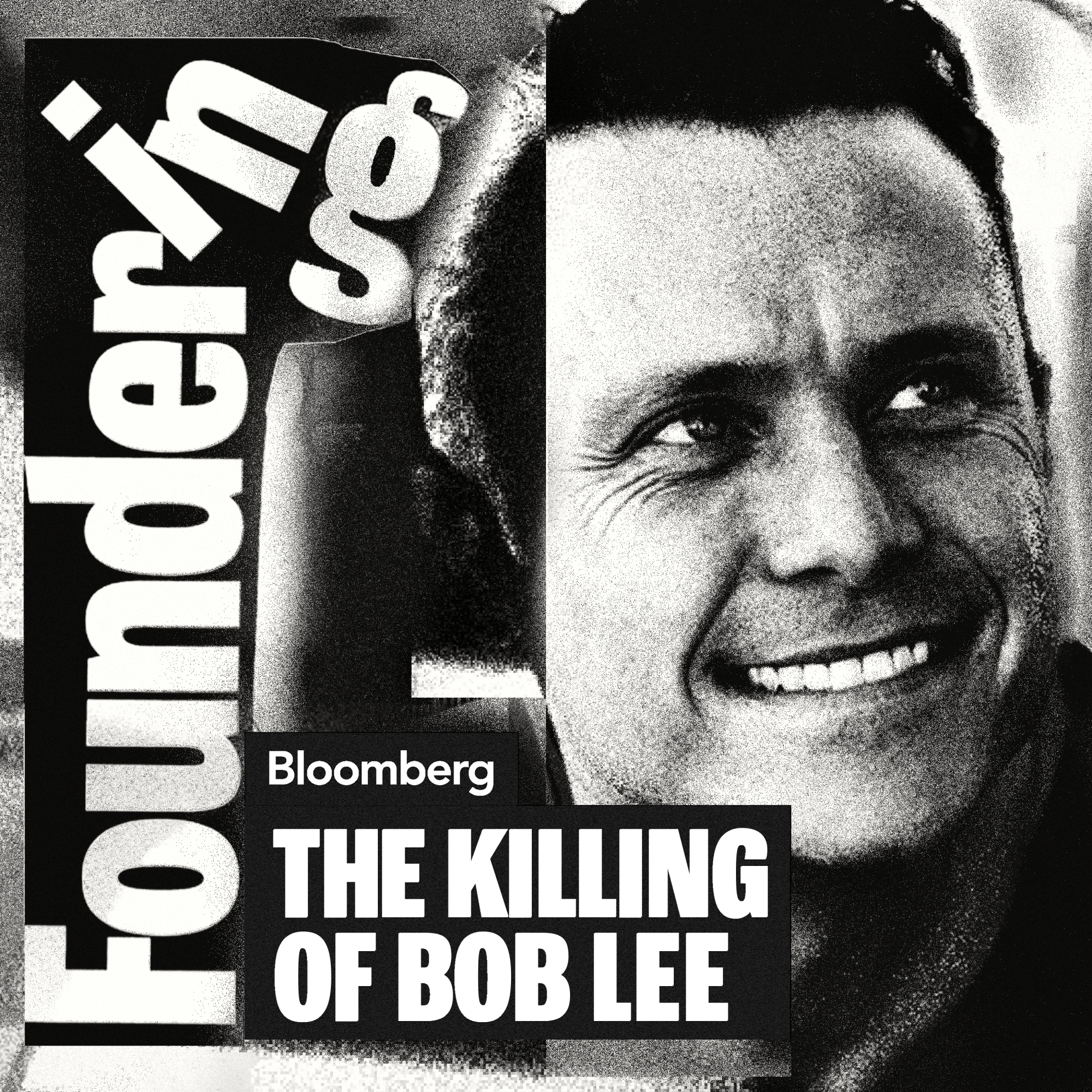
On the PodcastSummer plans often come with a price tag, and right now it’s getting bigger. This week on the Everybody’s Business podcast from Bloomberg Businessweek, hosts Max Chafkin and Stacey Vanek Smith dig into the economics of all kinds of tickets. First, economist Michelle Brouhard breaks down what the Iran war and a constrained oil supply mean for jet fuel and flight prices. Then, Bloomberg News reporter Ashley Carman joins to explain what a verdict against Live Nation Entertainment, saying it monopolized the concert ticketing market, means for Ticketmaster’s grip on the industry. Listen and subscribe on Apple, Spotify, iHeart and the Bloomberg Terminal. More Bw ReadsHow the murder of Bob Lee fueled tech’s rightward swing: The 2023 death of a tech executive seemed to fit neatly into narratives about street crime in liberal cities, until it didn’t. Read the whole story here. 
Illustration: Marie Mohanna for Bloomberg Businessweek
Lee’s killing and its aftermath are the subject of the latest season of Foundering, a serialized podcast from the journalists at Bloomberg Technology, available on Apple Podcasts, Spotify or wherever you get your podcasts. Plus
Play Alphadots!Our daily word puzzle with a plot twist. 
Today’s clue: High-interest CD? More From BloombergLike Businessweek Daily? Check out these newsletters:
Explore all Bloomberg newsletters. We’re improving your newsletter experience and we’d love your feedback. If something looks off, help us fine-tune your experience by reporting it here. Follow Us
You received this message because you are subscribed to Bloomberg’s Businessweek Daily newsletter. If a friend forwarded you this message, sign up here to get it in your inbox.
|





Batteries light up the Amazon
Isolated communities are ditching diesel ...