| Read in browser | ||||||||||||||
 Welcome to Balance of Power, bringing you the latest in global politics. If you haven't yet, sign up here. Iran's president took the rare step of appealing directly to Americans. Addressing them in a long-form letter — a contrast to Donald Trump's social-media messages that are strewn with grammatical errors — Masoud Pezeshkian said his country harbors no ill will to the US and neighboring countries and is only defending itself in the ongoing war. While he had a point that Tehran didn't start this conflict, Arab states suffering daily missile and drone strikes would chafe at the claim that Iran "has never, in its modern history, chosen the path of aggression." 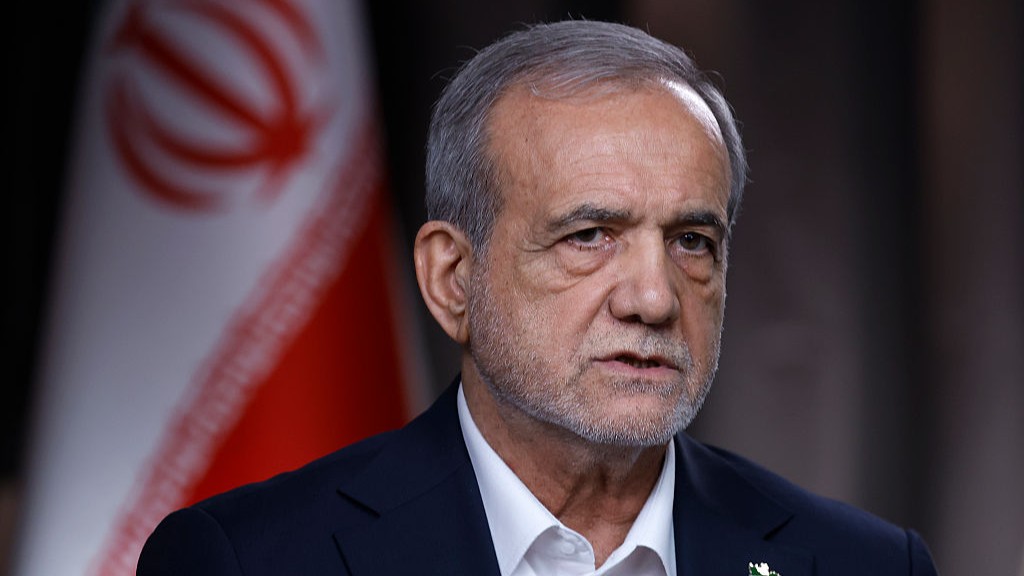  Bloomberg's Joumanna Bercetche reports on Pezeshkian's open letter. And so would the victims of the numerous attacks on US, Israeli, Arab and European interests over the past few decades by Iran and the Middle Eastern militants it supports. Yet the letter, posted on X, was telling in that it showed Iran's strategy of trying to increase the pressure on Trump from US voters to end hostilities. "If a threat does not exist, it is invented," the president said, alluding to US and Israeli assertions the war was necessary because the Islamic Republic wanted to build a nuclear bomb. Pezeshkian also questioned whether the war was being fought for American interests or Israel's. "Is 'America First' truly among the priorities of the US government today?" he wrote, a nod to Trump's base of MAGA supporters, who are divided over the war. The Iranian official wields little power when it comes to Iran's military and geopolitical strategy. The members or veterans of the Islamic Revolutionary Guard Corps who do are more conservative. They show little inclination to back down against the US-Israeli alliance or even start ceasefire talks. And Trump himself, in a speech hours after the letter was published, promised fresh attacks on Iran. The war seems far from over. But it's possible Iran's attempts to appeal to the American public play a small part in compelling Trump to look for an exit. — Paul Wallace 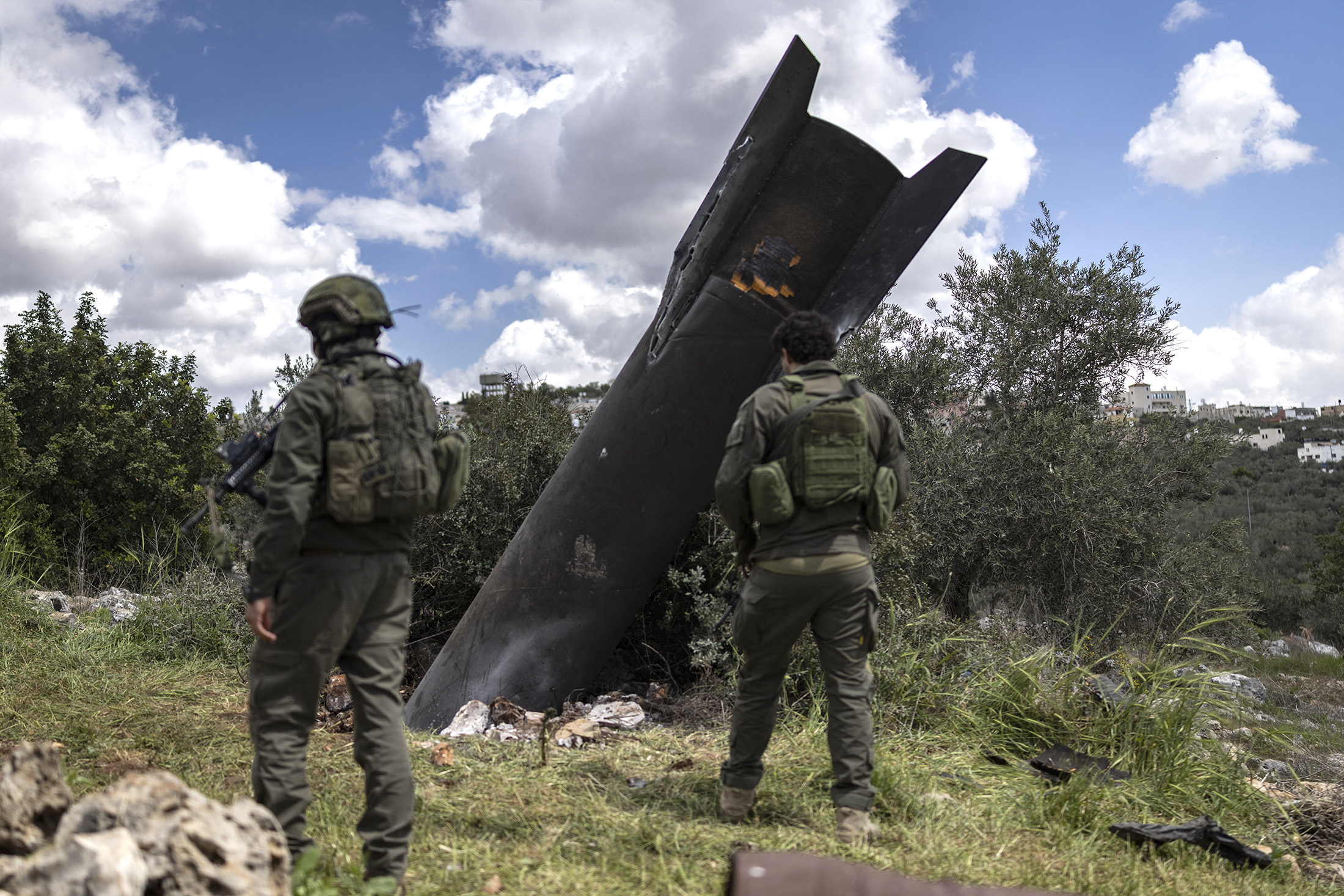 Israeli soldiers arrive to check an Iranian missile remnant that landed in the West Bank on March 24. Photographer: Ilia Yefimovich/AFP/Getty Images Global Must ReadsTrump tried to sell the American public on his Iran war, but his primetime address five weeks into the conflict instead underscored the US president's growing defensive posture as pressure mounts on global shipping routes, gas prices and his political party. While he assured the war is "very close" to completion, some of his remarks including promising fresh attacks appeared to rattle investors. 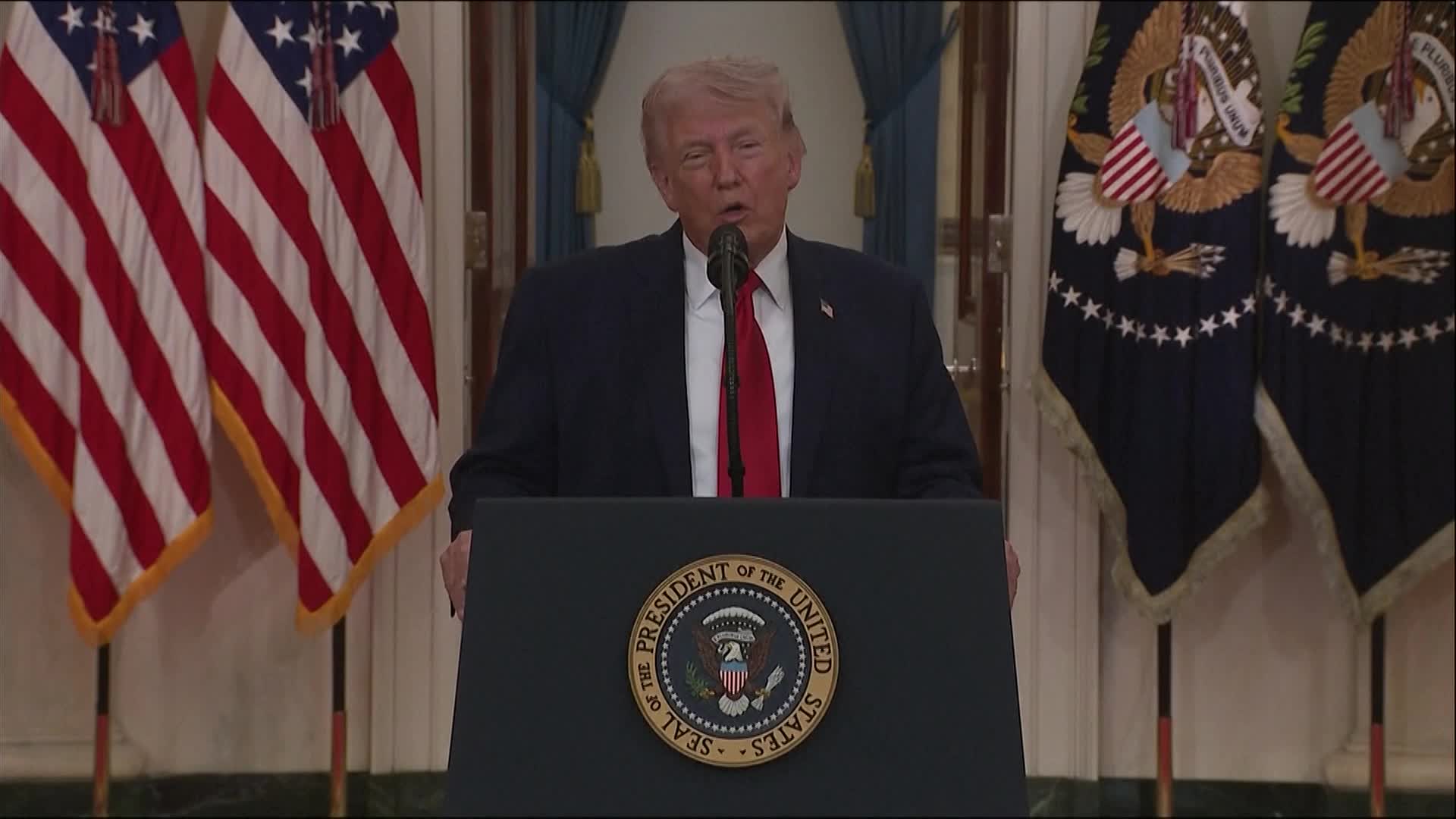 Bloomberg's Jill Disis and Joumanna Bercetche report on Trump's address to the nation. Some Filipinos have opted to stay home during the Easter holidays as fuel prices soar, while Malaysian Prime Minister Anwar Ibrahim called on enforcement agencies to step up action against what his government sees as false claims about fuel and power prices. Western Australia meanwhile invoked emergency powers to force fuel suppliers to provide information on supply chains, and the nation will further cut energy taxes to cushion households from rising costs. European allies are skeptical that Trump will pull the US out of NATO, but they still fear his renewed threats to do so are eroding the military alliance at a precarious moment. One major obstacle comes from his own secretary of state, Marco Rubio, who sponsored bipartisan legislation as a Republican senator that bars presidents from unilaterally withdrawing the US from the security bloc without the approval of Congress. The operator of an oil tanker received a compelling proposal: After weeks at anchor with missiles and drones passing overhead, it could finally sail safely out through the Strait of Hormuz, provided it change its registration and raise the flag of Pakistan. We look at how Iran's Islamic Revolutionary Guard Corps is exerting control over the key waterway, and what it takes to get through, from secret codes to payments in yuan or crypto. NASA's Artemis II astronauts launched to space and reached a stable orbit, kicking off a landmark journey that will take them closer to the moon's surface than anyone has been in more than 50 years. The initial phase of the 10-day mission, a multibillion-dollar feat about a decade in the making, clears a major hurdle for NASA as it works toward establishing a lunar base. 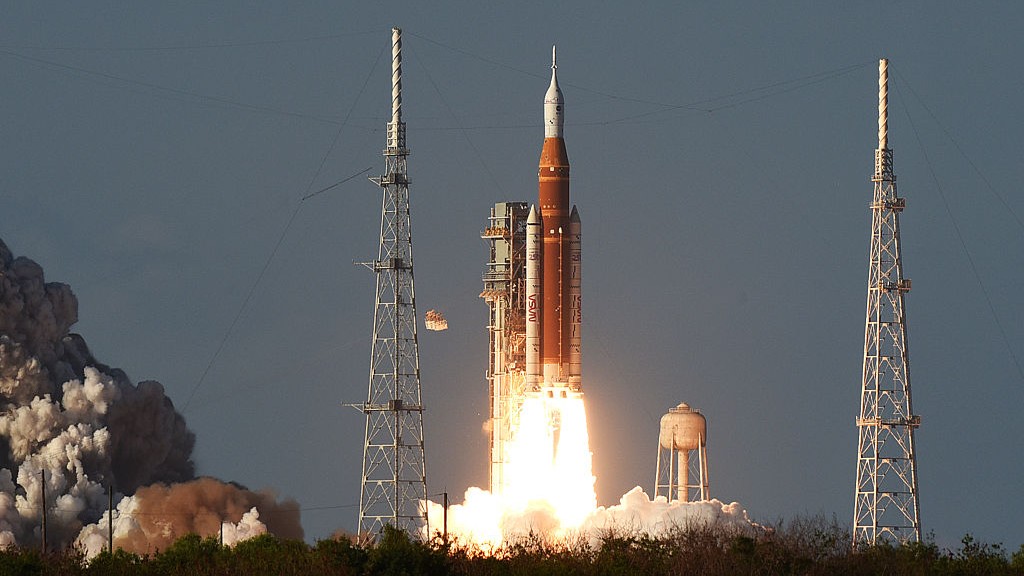 Bloomberg's Ed Ludlow reports from the Kennedy Space Center in Florida on the launch. Mexican diplomat Roberto Velasco is set to become the country's next foreign minister after his predecessor stepped down for health reasons, marking the latest shake-up in President Claudia Sheinbaum's cabinet. The Colombian finance chief's decision to abandon the latest central-bank meeting in protest of an interest-rate hike approved by the board is raising questions about policymakers' legal ability to conduct monetary policy. French authorities have jailed an adult and three teens aged 16 to 17 over a foiled bombing attempt near the Bank of America office in Paris that was seen as possible retaliation for the war with Iran. The Trump administration plans a tiered system for its broad tariffs on steel and aluminum products in an attempt to simplify a process that has dogged American companies for months. Sign up for the Washington Edition newsletter for news from the US capital and watch Balance of Power at 1 and 5 p.m. ET weekdays on Bloomberg Television. Chart of the Day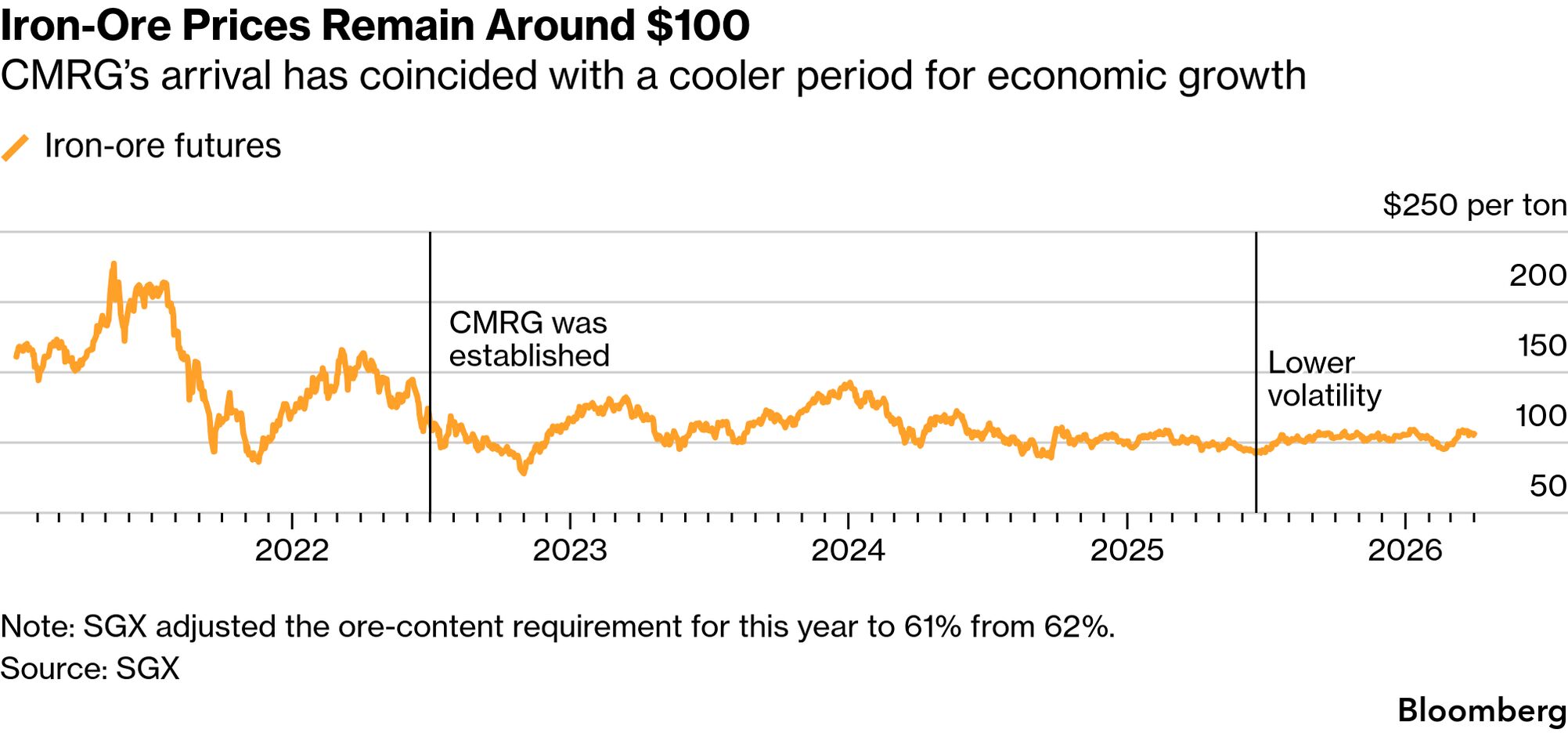 China has sought for decades to turn its clout as the world's largest commodities consumer into pricing power. With iron ore — the most traded raw material after oil and the backbone of global economic expansion — it is closer than ever to success. The engine behind the current campaign is China Mineral Resources Group, an opaque company directly under the country's central government that has confronted mining giant BHP for months in the most significant commercial clash in nearly two decades between the nation and one of its top suppliers. And FinallyNew laws in Melbourne, Australia's second-most populous city, will give all workers the right to work from home two days a week from September, despite business groups arguing it will drive companies out of the state and drag on the economy. The city — home to miners BHP and Rio Tinto — has the highest office-vacancy rate among Australia's main hubs. It endured some of the world's longest and strictest lockdowns during the Covid pandemic and has been slow to recover as employees accustomed to working from home defy attempts to get them back to their offices. 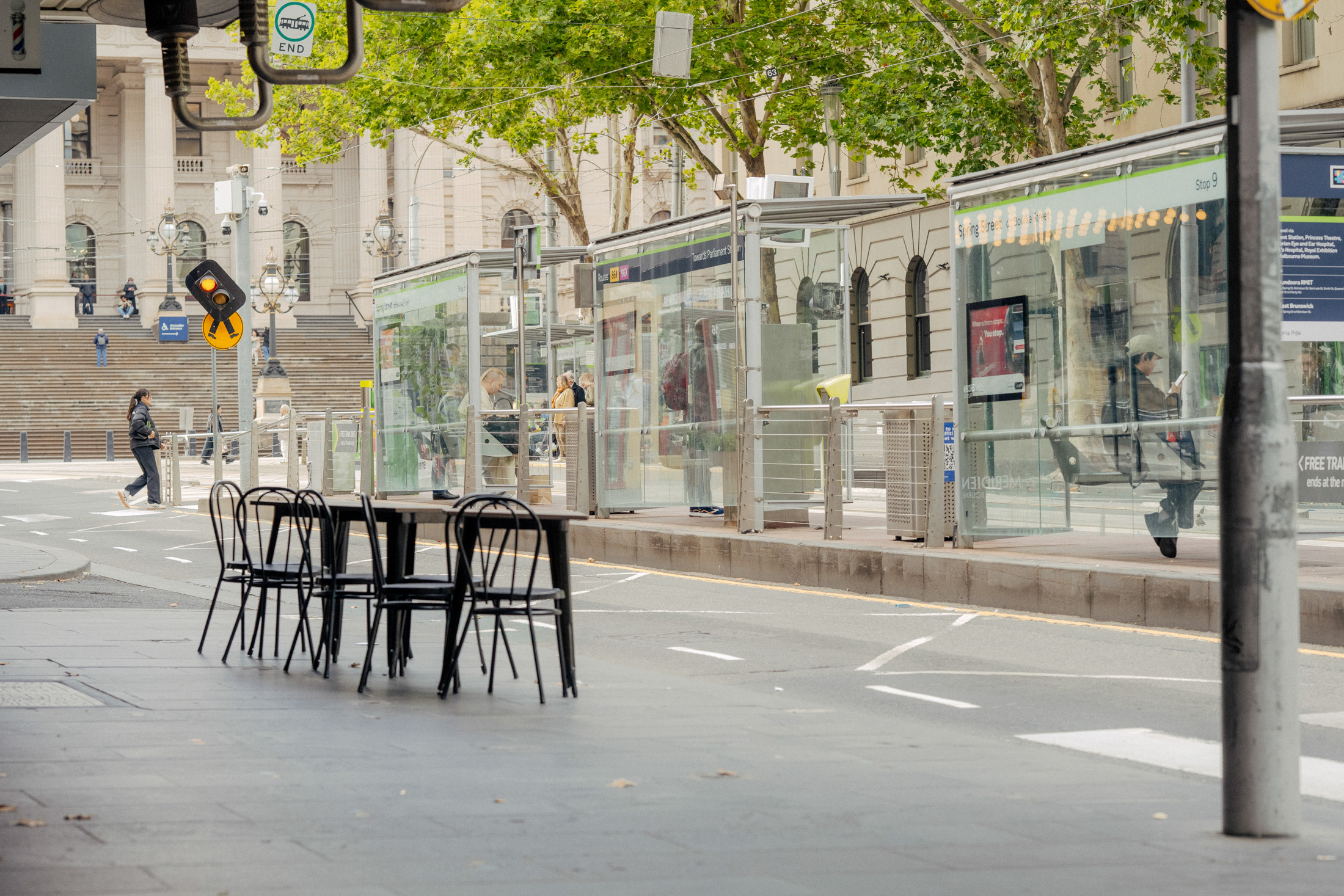 A café at midday in the CBD in Melbourne on March 27. Photographer: Sarah Pannell/Bloomberg Pop Quiz (no cheating!). The US embassy in which nation resumed operations this week after a five-year shutdown? Send your answers to [email protected] We're taking a short break and will be back in your inbox on Tuesday. More from Bloomberg
We're improving your newsletter experience and we'd love your feedback. If something looks off, help us by reporting it here. Follow us
You received this message because you are subscribed to Bloomberg's Balance of Power newsletter. If a friend forwarded you this message, sign up here to get it in your inbox.
|




Washington Edition: No clarity on Iran
In a national address, the president offers no new plans for the war Read in browser I'm Jonathan Tamari, senior Washington reporter for Bloomberg Government, and each weekday I'll be coming to you with inside-the-room reporting and insights that reveal what's really happening in Washington—and how it impacts you. Email me with feedback and comments here . If this newsletter was forwarded to you sign up here . Today, Trump offers few new ideas on Iran, DHS funding appears to be (...