| Read in browser | ||||||||||||||

Welcome to Balance of Power, bringing you the latest in global politics. If you haven’t yet, sign up here. Various clips from the 1980s political satire Yes Minister have been doing the rounds in the UK, showing how relevant it remains to describe the absurd position that Prime Minister Keir Starmer finds himself in today. In the series — said to have been Margaret Thatcher’s favorite show — the prime minister is easily guided and routinely misled by Sir Humphrey Appleby, the proverbial mandarin pulling strings in the shadows. The crux is how the real power lies with civil servants and not elected politicians. The Peter Mandelson affair has laid bare the current tensions between the bureaucrats running government and the leaders voters pick to run the country. Except now the civil servant has turned on his master, and very much in public. Ostensibly, this is about the ill-fated appointment of Mandelson as UK ambassador in Washington in spite of his well-known ties to convicted child sex offender Jeffrey Epstein. 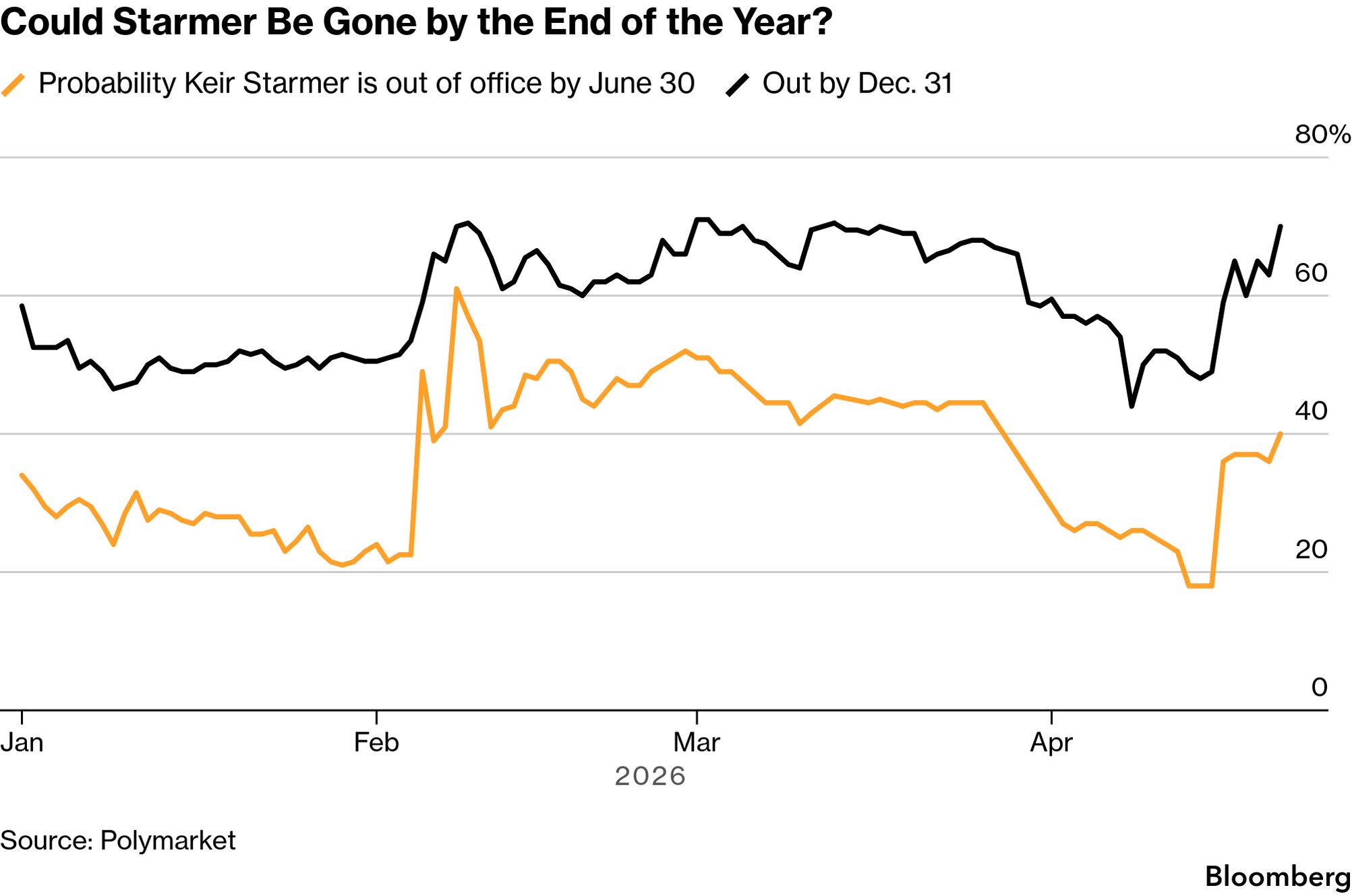
With hindsight, the decision showed unquestionably poor political judgment on Starmer’s part. But in firing the Foreign Office’s top civil servant for not giving him all the facts on the vetting process, Starmer has locked in an extraordinary spat with a once-loyal technocrat who is refusing to be scapegoated. Until now, Olly Robbins was best-known for negotiating the finer details of the UK’s acrimonious divorce from the European Union. He kept a low profile, stayed above the political fray; in short, an unlikely candidate to take on the premier. Now he’s broadcasting the dysfunction at the heart of a Labour government elected on a series of promises which included restoring morale in a civil service degraded by budget cuts under 14 years of Conservative rule. Instead, seasoned diplomats are in open revolt, just when Starmer needs them as global crises proliferate. Robbins said his was the “most attacked” government department. It’s now fighting its own uncivil war. — Flavia Krause-Jackson 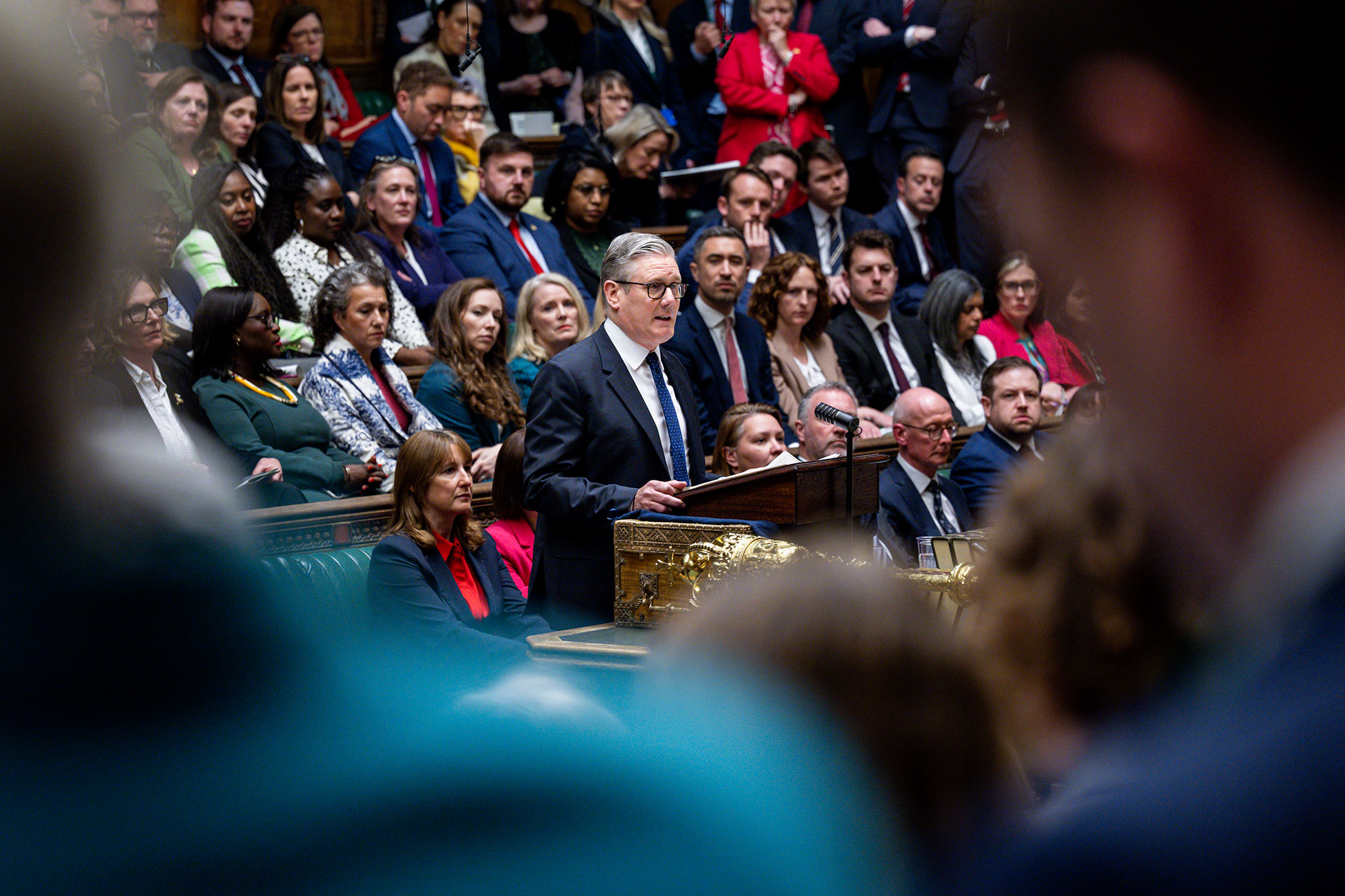
Starmer in the House of Commons on Monday.
Source: UK Parliament
Global Must ReadsUS President Donald Trump announced he was extending a ceasefire with Iran indefinitely, even as plans for fresh talks fell apart. Trump said he’d maintain a blockade over ships coming to and from Iran in the Strait of Hormuz, and suggested in a CNBC interview that the US caught a vessel with a “gift” from China, hinting that it was some form of lethal aid for Tehran. At least two fully laden Iranian tankers have sailed past the US blockade this week, part of a flotilla that has made its way around the warships and ferried roughly 9 million barrels of oil to the market and demonstrated the limits of efforts to cordon off Tehran’s crude exports. The UK and France will hold a fresh summit of military planners in London to discuss how the Strait of Hormuz can be kept open, as an Iranian gunboat fired on a container ship today.  
Bloomberg’s Paul Wallace reports on the latest developments on the ceasefire.
The oil windfall triggered by the war in the Middle East is unlikely to help President Vladimir Putin revive Russia’s sluggish economy that’s teetering on the edge of recession. While the surging cost of crude is boosting export income to the highest since early in Putin’s 2022 invasion of Ukraine, that’s unlikely to translate into faster growth amid high borrowing costs. Kyiv asked Turkey to help arrange a meeting between President Volodymyr Zelenskiy and Putin in a renewed effort to end their conflict. The biggest question facing Kevin Warsh as the nominee for the head of the US Federal Reserve was answered before his long-awaited appearance for a confirmation hearing, when Trump doubled down on a criminal probe of the central bank. The saga leaves the fate of Warsh’s candidacy in a sort of suspended animation with the Justice Department investigation prompting a key Republican senator, Thom Tillis, to block his passage. Ecuador’s US-aligned president, Daniel Noboa, says he’s deploying “an iron fist with a heart” to combat drug-related crime. As we report, the Harvard-educated son of a banana tycoon also appears to be consolidating power in ways that are causing growing unease in civil society. 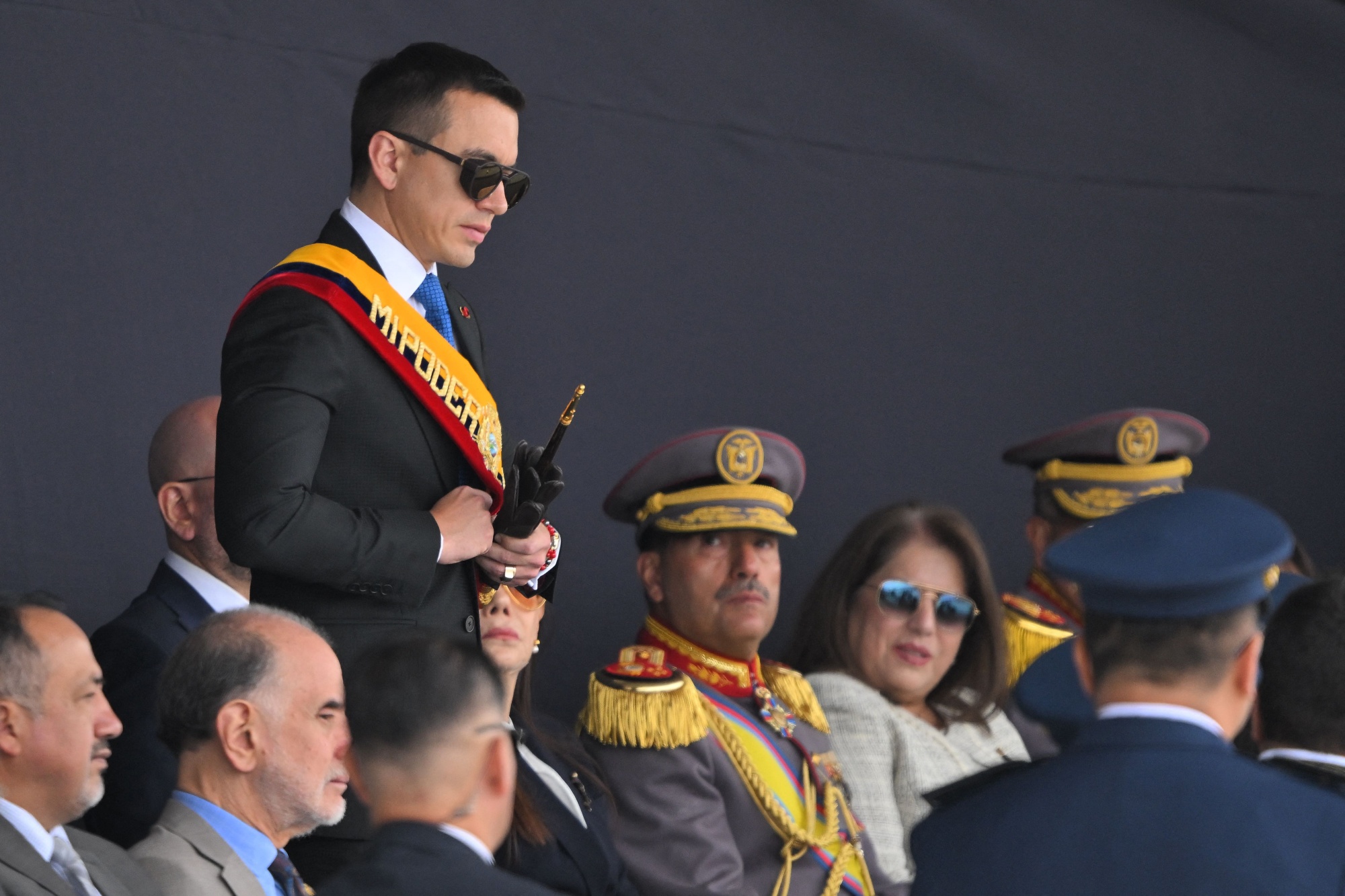
Daniel Noboa.
Photographer: Rodrigo Buendia/AFP/Getty Images
Hackers linked to China, Iran and Russia are now behind the majority of “nationally significant” cyberattacks targeting the UK, according to Britain’s top cybersecurity official. Virginia voters backed a Democratic plan to redraw the US state’s congressional districts in a way that could net them as many as four more House seats in November’s midterm elections. The Gates Foundation is awaiting findings from an external review of its past interactions with Epstein amid public scrutiny of Bill Gates’ ties to the disgraced financier. China indicated it was pleased with three countries that apparently blocked Taiwan President Lai Ching-te’s trip to Eswatini, its only African diplomatic ally, as Beijing seeks to further isolate the self-ruled democracy. 
On this week’s episode of Trumponomics, host Stephanie Flanders and Bloomberg’s Michael Deng and Laura Noonan break down why Mythos, Anthropic’s most powerful AI model, is sparking both panic and optimism in boardrooms and across governments. Listen on Apple, Spotify or wherever you get your podcasts.
Coming soon: Get the AI Today newsletter — chronicling the disruptions and threats of AI on businesses, workers, governments and economies with analysis from Bloomberg’s global newsroom. Sign up for the Washington Edition newsletter for news from the US capital and watch Balance of Power at 1 and 5 p.m. ET weekdays on Bloomberg Television. Chart of the Day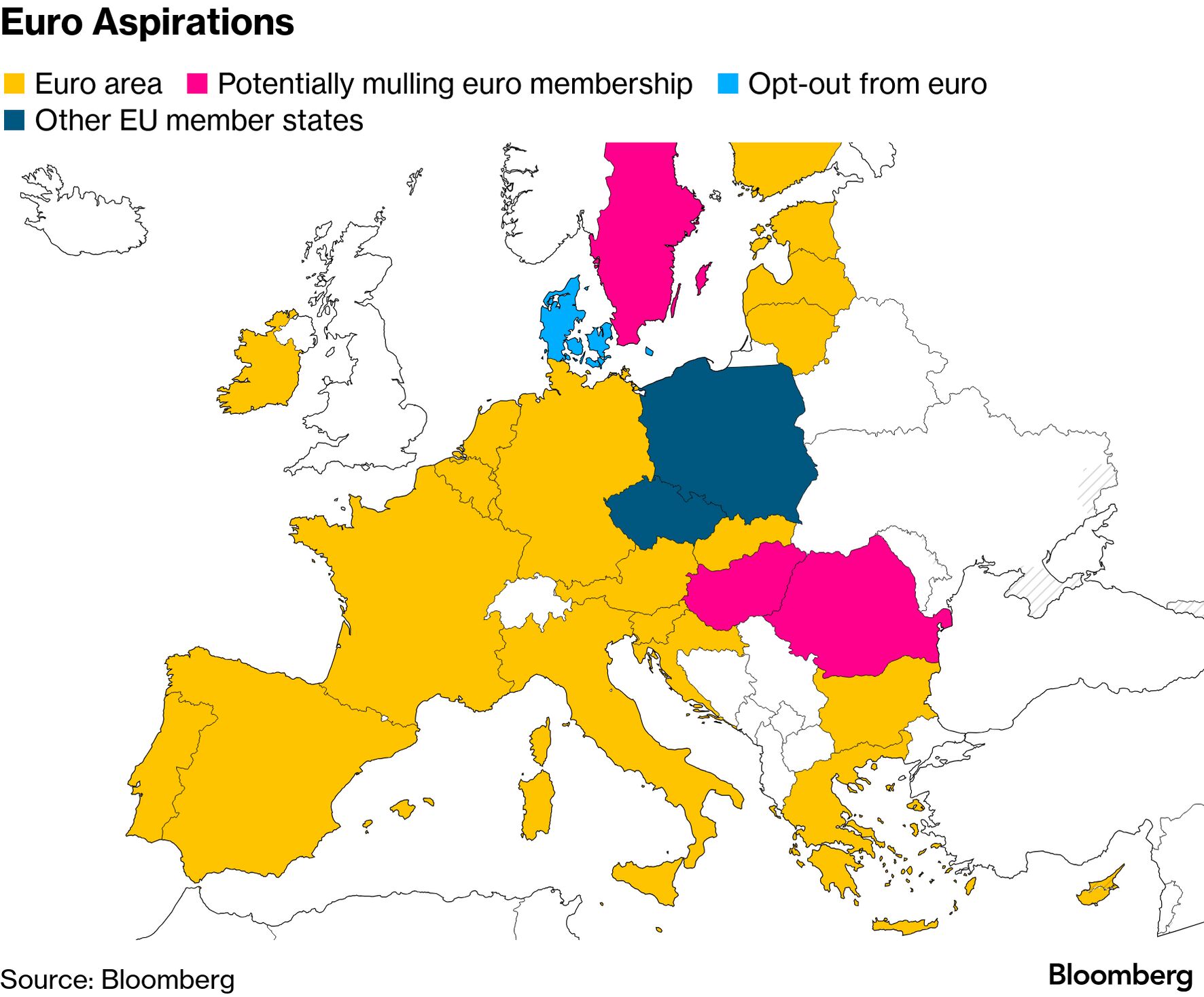
Hungary’s incoming leader, Péter Magyar, has made adopting the euro one of his top priorities, a step that would mark the largest expansion of the single-currency bloc since Greece joined in 2001. It will take a while, though, before the country can start reaping the full benefits given the process typically takes several years as aspirants work to meet requirements. Meanwhile, the legacy of Prime Minister Viktor Orban’s 16-year rule of sluggish economic growth makes it harder to rein in the nation’s budget deficit. And FinallyThe fragile ceasefire between the US, Israel and Iran has given residents of the Islamic Republic’s capital the chance to take stock of the damage after weeks of strikes. Tehran is vast and sprawling, similar in size to New York City, and now scarred by debris, rubble and bombed-out high-rises. Most districts are a mix of residential buildings, commercial blocks, shops, banks and government buildings, with the result that some 21% of the buildings hit were linked to civilians, according to this analysis of satellite data. 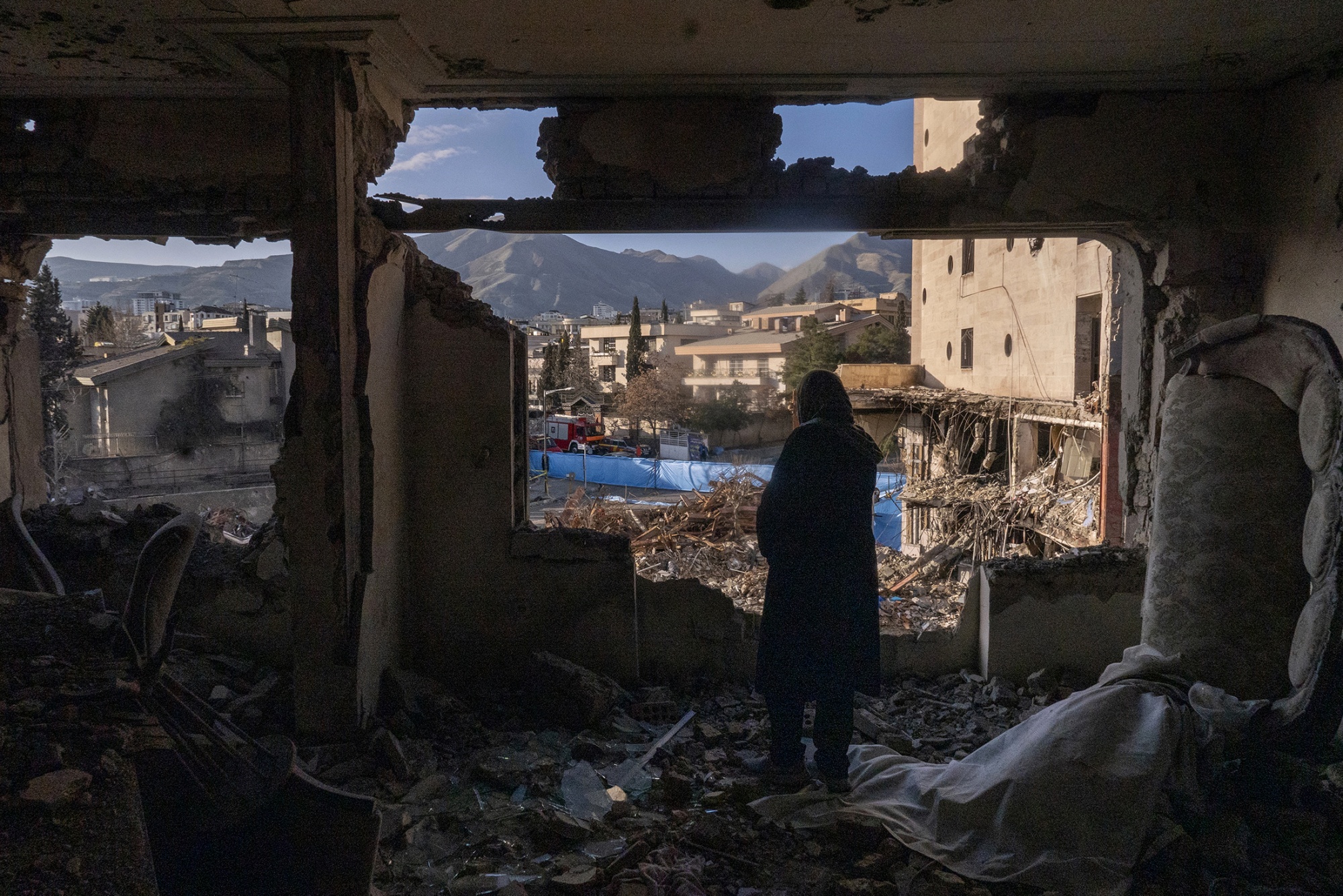
A destroyed building in Tehran on March 21.
Photographer: Majid Saeedi/Getty Images
More from Bloomberg
We’re improving your newsletter experience and we’d love your feedback. If something looks off, help us by reporting it here. Follow Us
You received this message because you are subscribed to Bloomberg’s Balance of Power newsletter. If a friend forwarded you this message, sign up here to get it in your inbox.
|




Washington Edition: An indefinite ceasefire
Trump once again extends the time-out with Iran ...